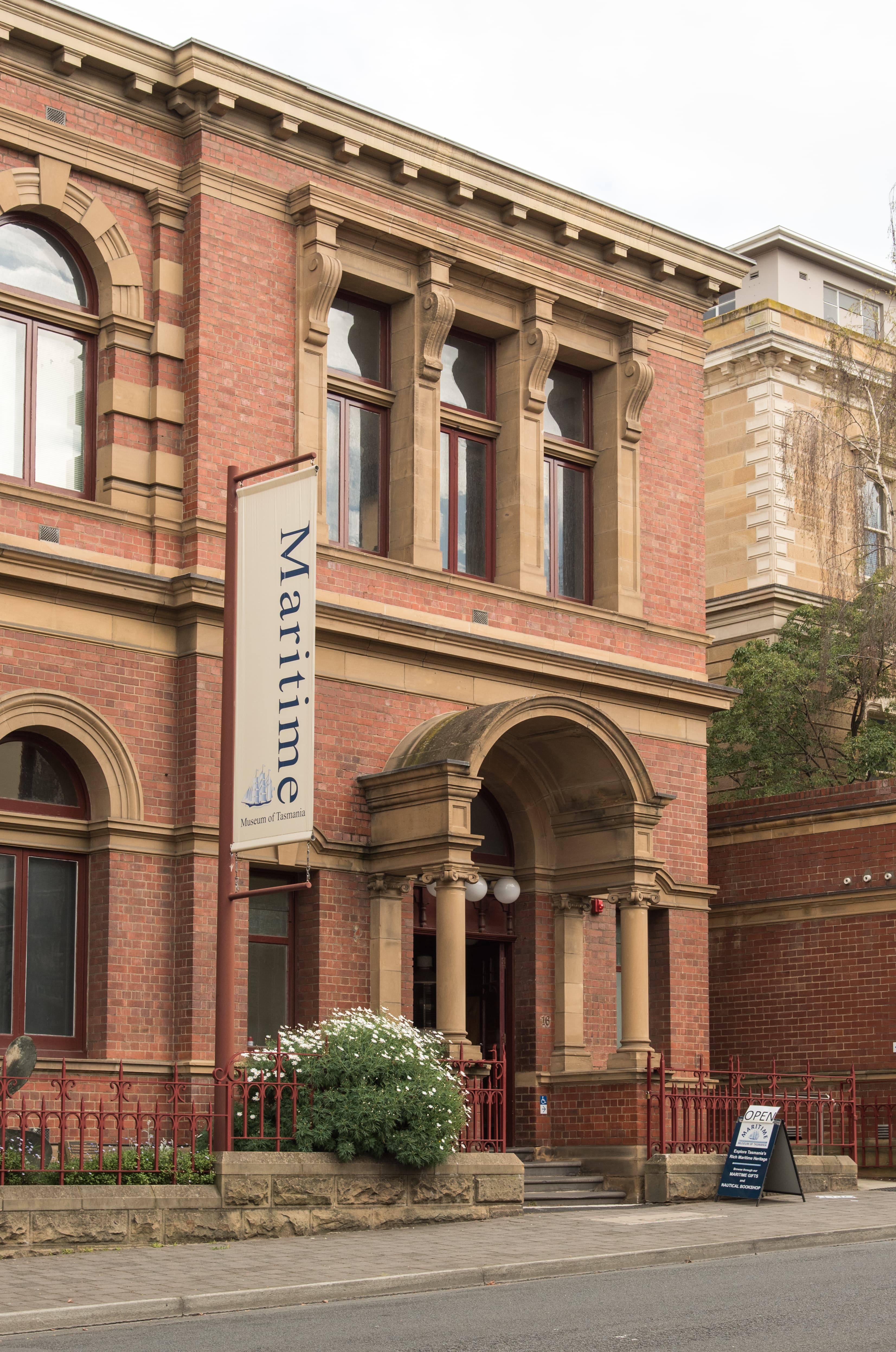

Where the museum sits on the waterfront
Maritime Museum Tasmania occupies the historic Carnegie Building opposite Constitution Dock on Hobart's waterfront. The museum address is 16 Argyle Street, Hobart. Its central location places it two blocks from the city centre, a pleasant five minute stroll from the central mall and about a 10 minute walk from Salamanca Place. The site sits beside working wharves, where vessels and dock activity are often visible from the public waterfront.
Building and gallery layout
The museum is housed in the Carnegie Building with gallery spaces on more than one level. The first-floor Carnegie Gallery is served by a lift and ground floor galleries are reached via ramp access. The layout supports a compact visit that still covers a broad range of material about Tasmania's maritime past.
What the displays cover and the museum's purpose
Exhibitions explore Tasmania's relationship with the sea. Expect material on Aboriginal watercraft, European exploration and early whaling, shipbuilding, sailing and steam transport, wrecks and commercial ports. The museum describes its mission as promoting an understanding of Tasmanian maritime heritage through conservation, interpretation and presentation. Temporary exhibitions and programs rotate, so the focus in the galleries can change between visits.
Special historical note on the museum identity
The museum adopted a new logo in 2022 inspired by the house flag of Alexander McGregor, a nineteenth century shipbuilder and merchant whose fleet was based in Hobart. The museum also notes a related house flag used by James Bayley, McGregor's business associate. This detail is part of the museum's emphasis on individual stories from local shipbuilding and trading history.
Accessibility, assistance and suitability
All public areas of the museum are wheelchair accessible. There is ramp access to the ground floor and lift access to the first-floor Carnegie Gallery. An accessible bathroom is located in the entrance foyer. Visitors may bring mobility vehicles and assistance dogs are welcome. Volunteers and staff are available to assist visitors who require extra help or specialist facilities. If you are visiting with a group that has particular access requirements, the booking office can assist with planning. Carers are offered free access to everything available in the museum when a recognised carers' or companion card is presented at ticket purchase.
Photography, behaviour and suitability for visitors
Photography and video are permitted inside the museum, but visitors are asked not to use flash when taking indoor images to protect artefacts. The collection and exhibitions are suited to people interested in maritime history, cultural connections to the sea and port and shipboard working life. Some exhibits include fragile objects and shipwreck material; follow signage and staff directions while moving through gallery spaces.
Opening days, tickets and checks before you travel
The museum is open every day of the year except Christmas Day. Admission arrangements and opening hours can change, and temporary exhibitions or special events may affect access on particular days. If a specific object, photograph or vessel is the reason for your visit, check the museum's current program and ticketing information before you travel to avoid disappointment.
Getting there and parking
The waterfront location suits walking and public transport. Metered parking is available along the waterfront. There is also a multi-storey Argyle Street carpark a short walk from the museum. The Metro City Centre Bus terminal sits about one block from the museum and is a finishing point for services from across greater Hobart, making the museum convenient to reach by bus.
Food, retail and time to allow
There is no cafe on museum grounds. The museum is in a busy cafe and restaurant precinct: nearby options include the fish and chip shops along the pier and the cafes of Salamanca Place. A museum gift shop operates during general opening hours and stocks books, nautical toys, model ships, art and giftware. Allow roughly an hour to view the main galleries and nearby waterfront, and more time if a temporary exhibition or program interests you.
Combining the visit with the working waterfront
The waterfront precinct extends the maritime story beyond the galleries. From public wharves you can observe harbour activity and heritage vessels that may be visiting. Visibility of working and heritage vessels is common, but any boarding or public access to visiting ships is managed by their operators and event programs, and cannot be assumed. Plan separate arrangements if boarding a heritage vessel is essential to your visit.
Final practical reminders
Bring any carers' or companion card if you are claiming free companion admission. The museum welcomes shared photos and asks visitors to refrain from flash indoors. For group bookings, specific access needs, or questions about exhibitions, contact the museum's booking office before you travel so staff can help plan your visit.