
Hobart’s memorials record military service, civic figures, disasters and community gifts. They also show whose stories were given public space at different times and which histories were omitted.
The Cenotaph and Soldiers Memorial Avenue
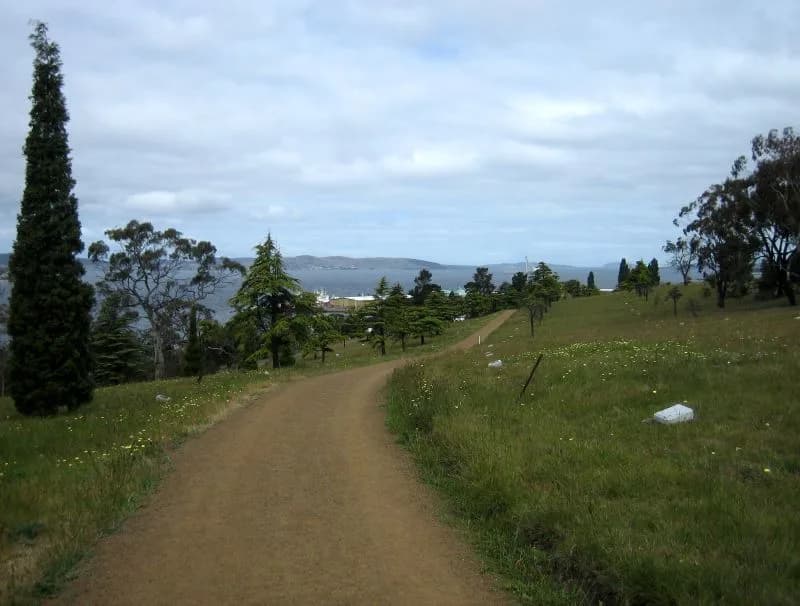
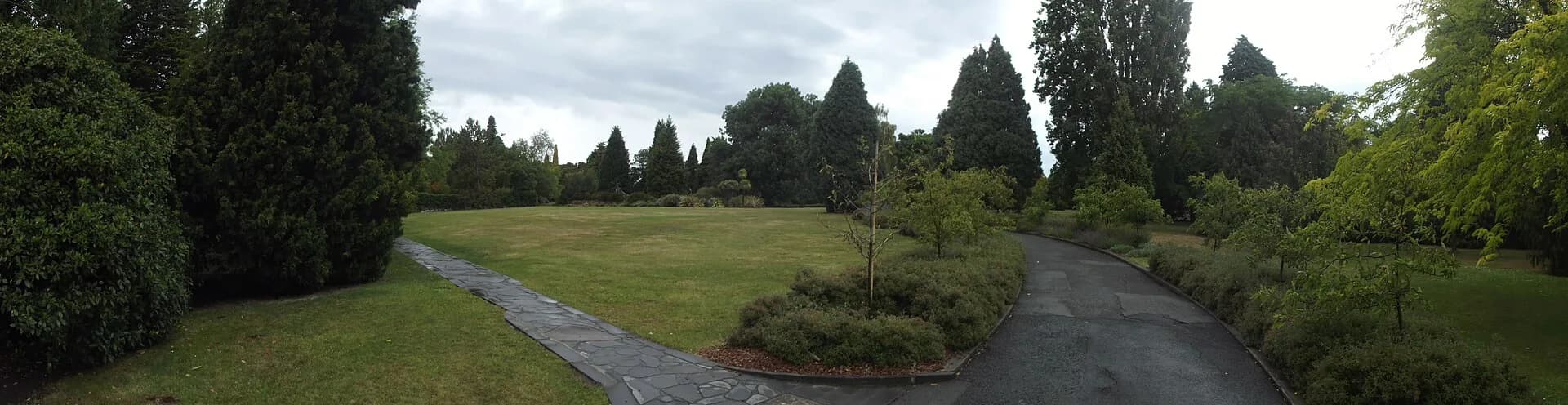
The Cenotaph stands above Macquarie Point on Queens Domain. Farther north, Soldiers Memorial Avenue uses individually dedicated trees and plaques to commemorate Tasmanians who died in the First World War.
.jpg)
St David’s Park
St David’s Park occupies Hobart’s first European burial ground. The memorial wall incorporates surviving headstones, but it should be read as a transformed cemetery rather than a decorative backdrop.


Reading public monuments
Use the City of Hobart heritage register and Libraries Tasmania records to identify names and dates. Avoid repeating inscriptions as complete history: many monuments reflect the values of the people who commissioned them.
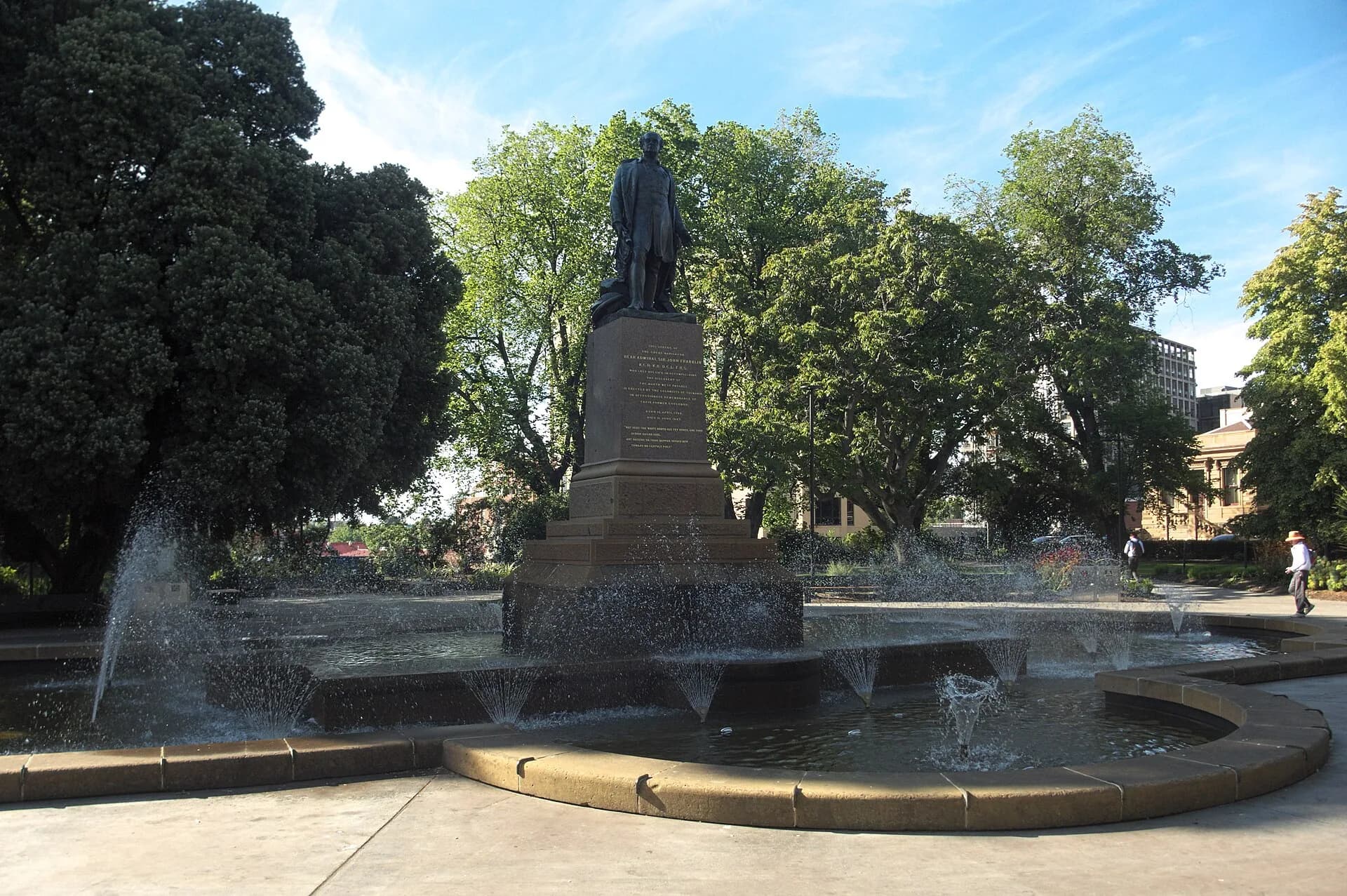

Keep ceremonies unobstructed, do not climb monuments or place items where they damage stone, and follow temporary closures around commemorative events.