Eat and drink

Tasmania food & drink

New places, producers and useful local food stories with clear source provenance.
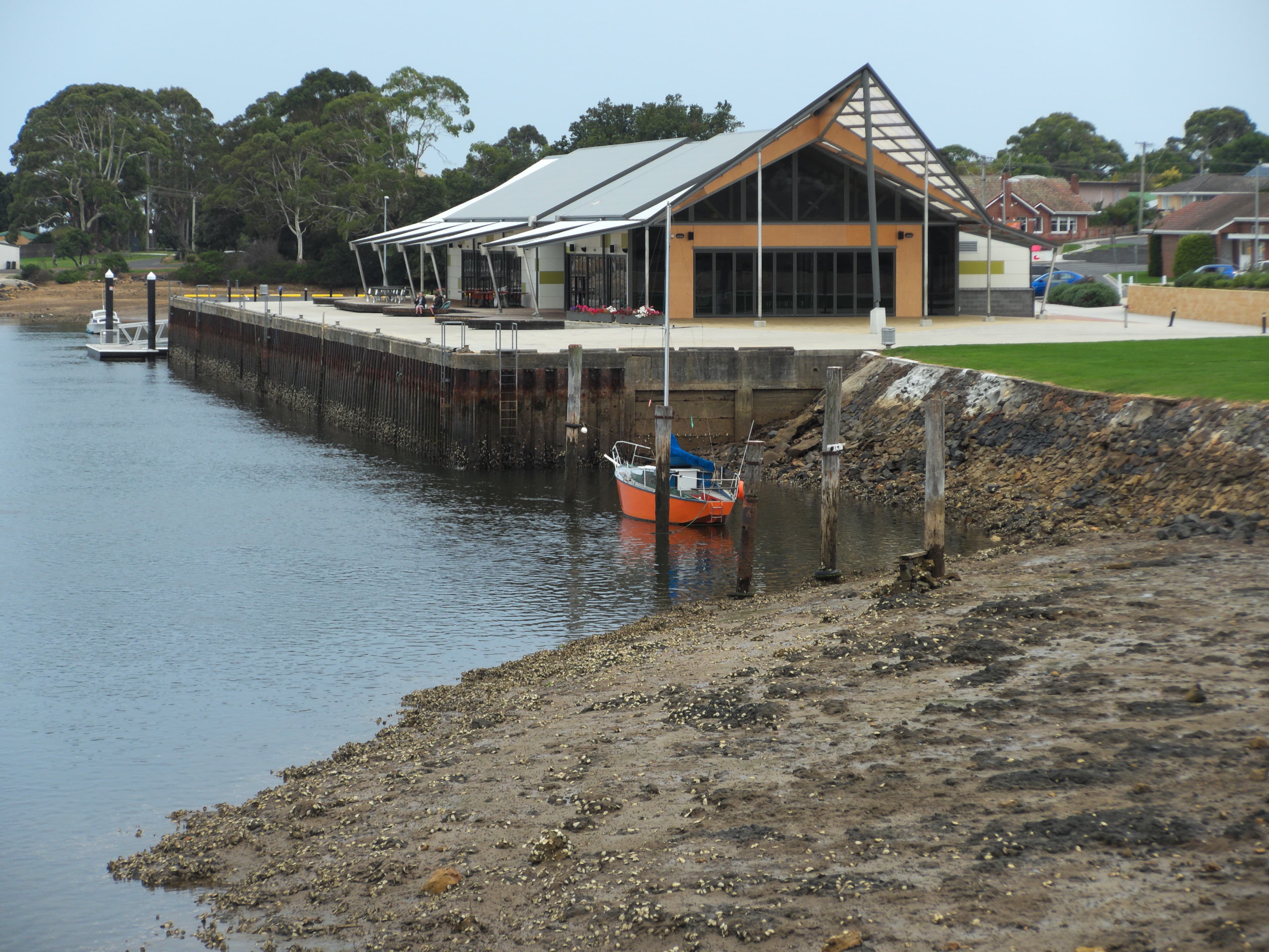
Pier01 restaurant on the Leven River in Ulverstone.
cafes & dining

Ulverstone — cafés & eating out

Ulverstone’s café scene centres on the Hive precinct and nearby town centre. Seventy Acres cafe at Hive is a daily, family-friendly option serving All Press coffee, simple breakfast and lunch choices and onsite catering. The Ulverstone Visitor Information Centre at the Hive is the local hub for up-to-date opening hours, accessibility info, public toilets and free wifi. If you plan to eat out.
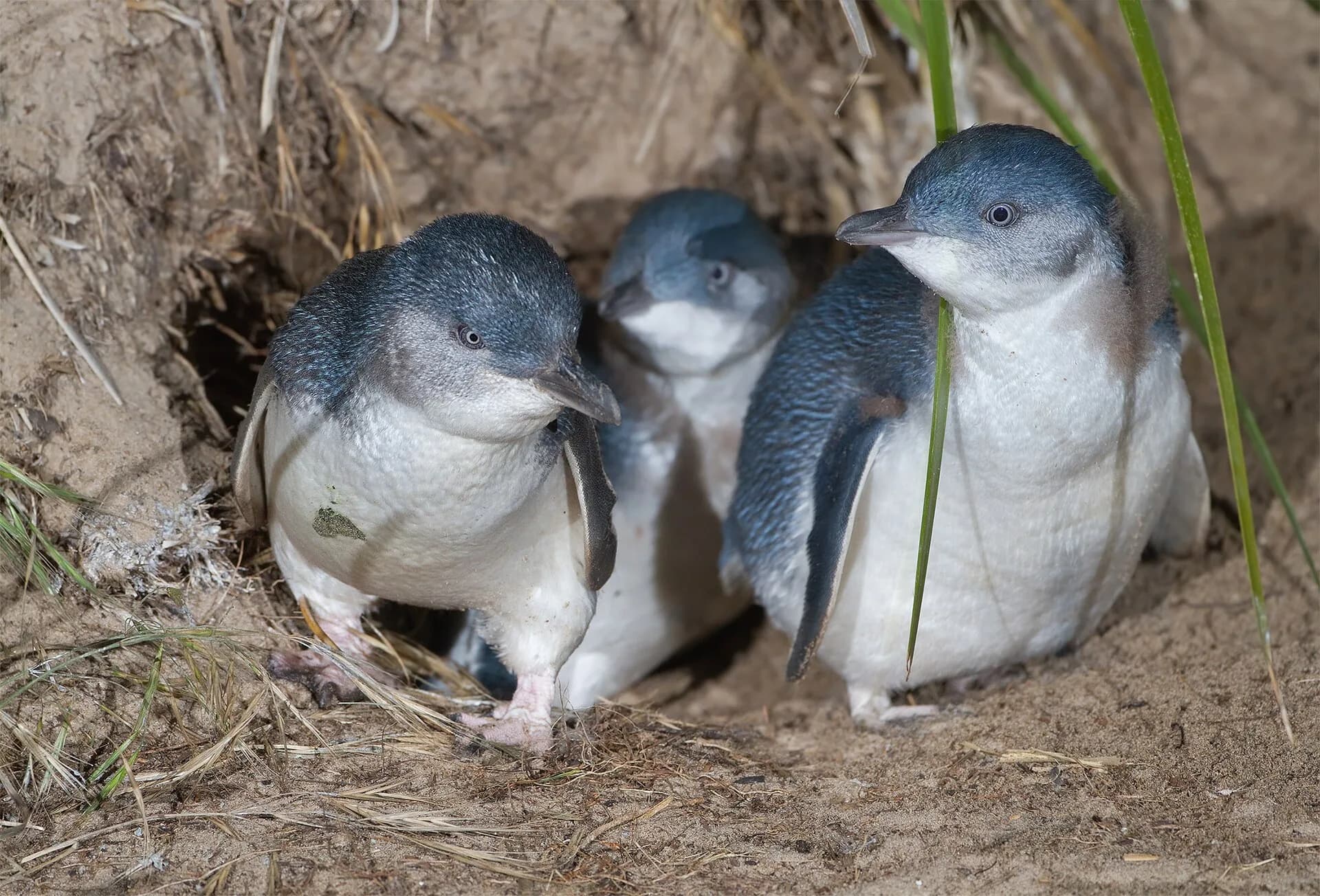
Little penguins near a coastal burrow
wine / cellar doors / wineries

TassieShop — Wine (East Coast) (inferred)

Practical, evidence-based guide to touring Tasmania’s East Coast wine region, with access notes for the Great Eastern Drive, what to expect at cellar doors, verified details about Devil’s Corner, booking and opening-hour checks, accessibility and suitability considerations, events and seasonal changes to plan for.

Little penguins near a coastal burrow
produce / farm‑gate / cellar doors

TassieShop — Try/Buy (East Coast) (inferred)

Practical guide to tasting and buying East Coast Tasmania produce along the Great Eastern Drive. Explains the region's wine route, a central wine centre, cellar doors and seafood farm gates, with clear notes on access, seasonal availability, suitability and booking checks before travel.
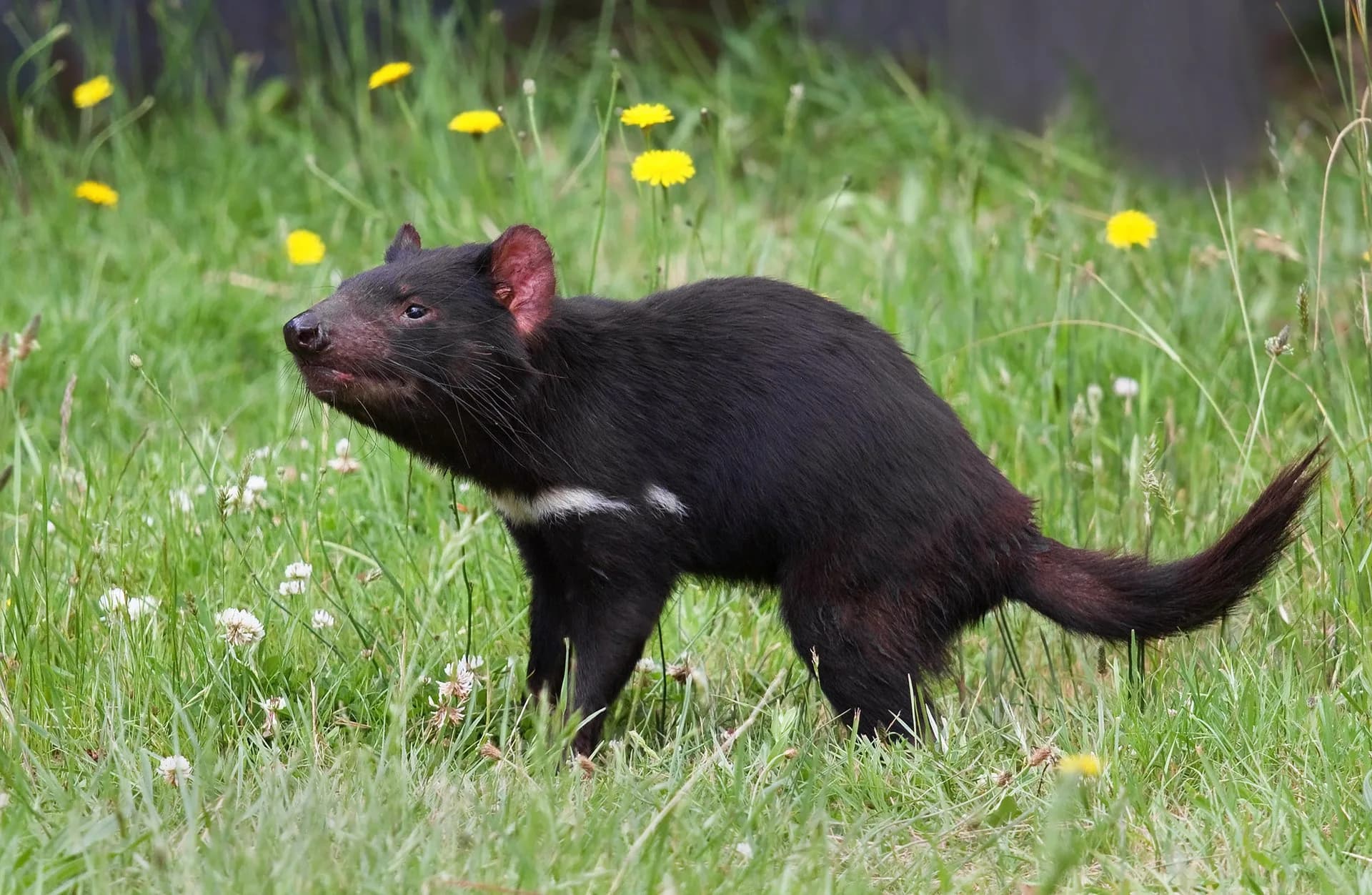
Tasmanian devil photographed at Taranna
food experiences

Gourmet encounters – North West Tasmania (food, producers and cellar‑doors)

North West Tasmania's gourmet circuit centres on producers around Elizabeth Town and the Devonport region. Expect farmgate cheese and dairy, berry-focused produce and café dining tied to a local Tasting Trail. Check seasonal fruit availability, opening times and booking requirements. Many producers offer tastings and have accessible facilities; confirm specifics before you travel.
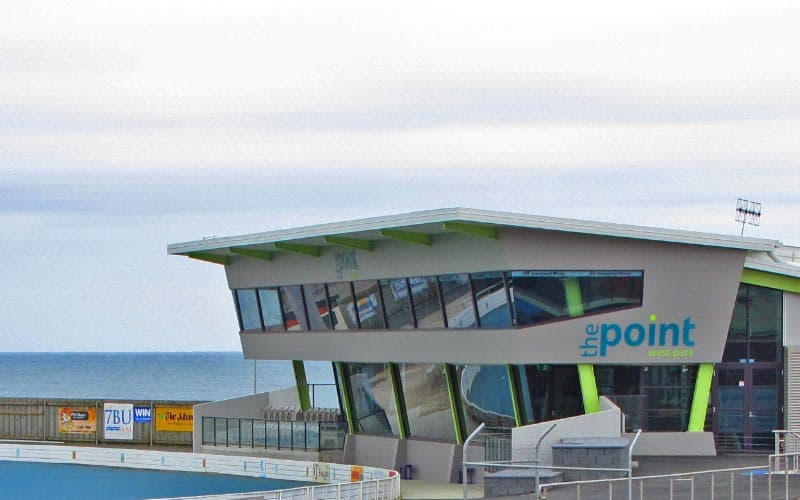
The Point members pavilion and function centre at West Park Oval in Burnie, Tasmania.
dining

Burnie — fast food & quick-eat options (inferred)

A practical guide to grab-and-go food and short sit-down options in Burnie, focused on the CBD and foreshore. Covers market stalls, breweries and distilleries with hospitality, delivery apps that serve the town, foreshore conditions, accessibility features at key sites and simple checks to make a quick meal straightforward while visiting Burnie.
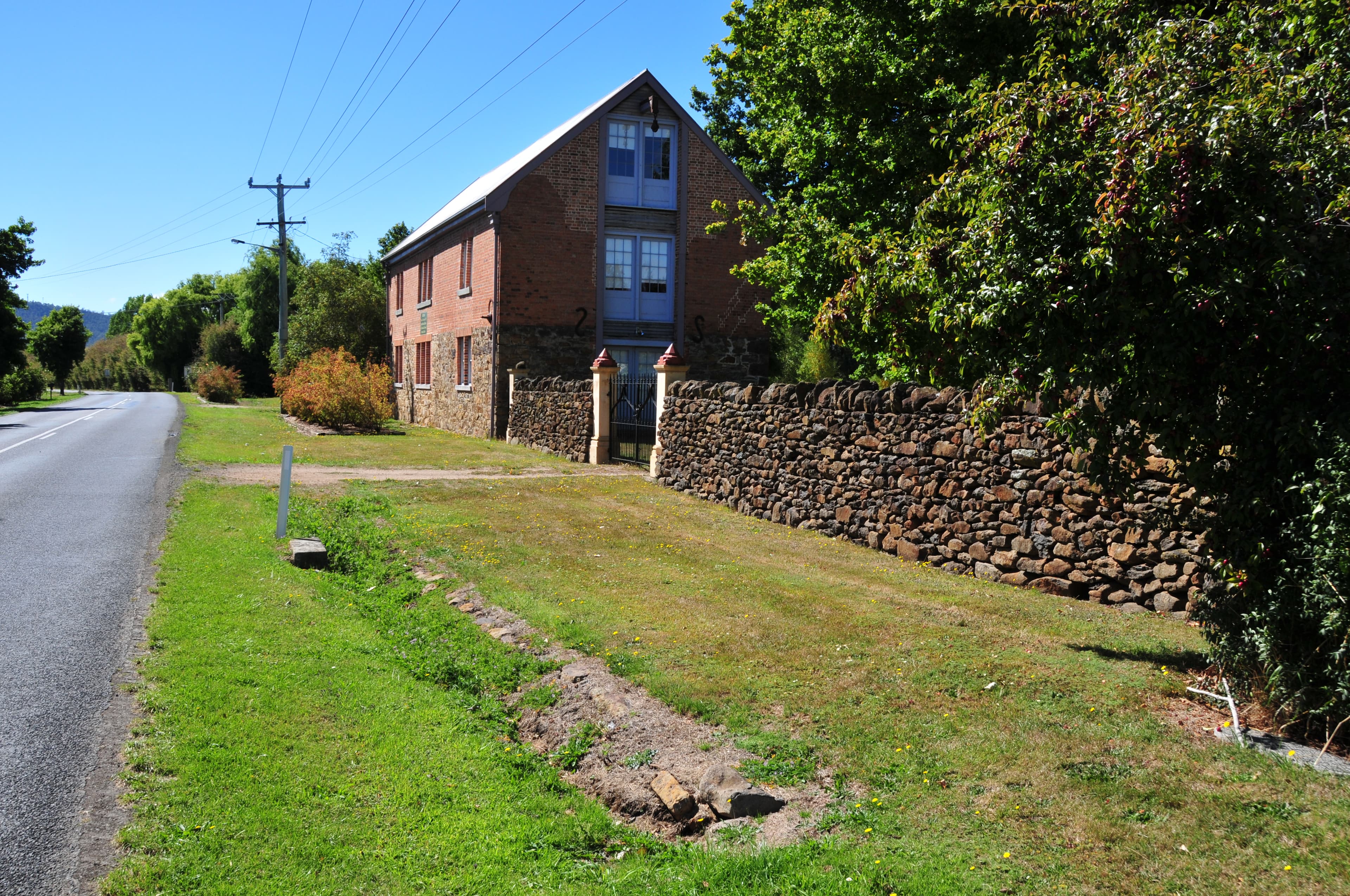
Former Van Diemen's Land Company grain store building, restored in 2002. Chudleigh, Tasmania, Australia
olive & specialty edible oils

store‑oils.html (Our Tasmania — oils)

Practical guide to visiting Tasmanian olive and specialty edible oil producers and buying local oils. Covers where oils come from, seasonality and availability, what to expect at producers and shops, rural access, suitability for different visitors, and the checks to do before you travel.
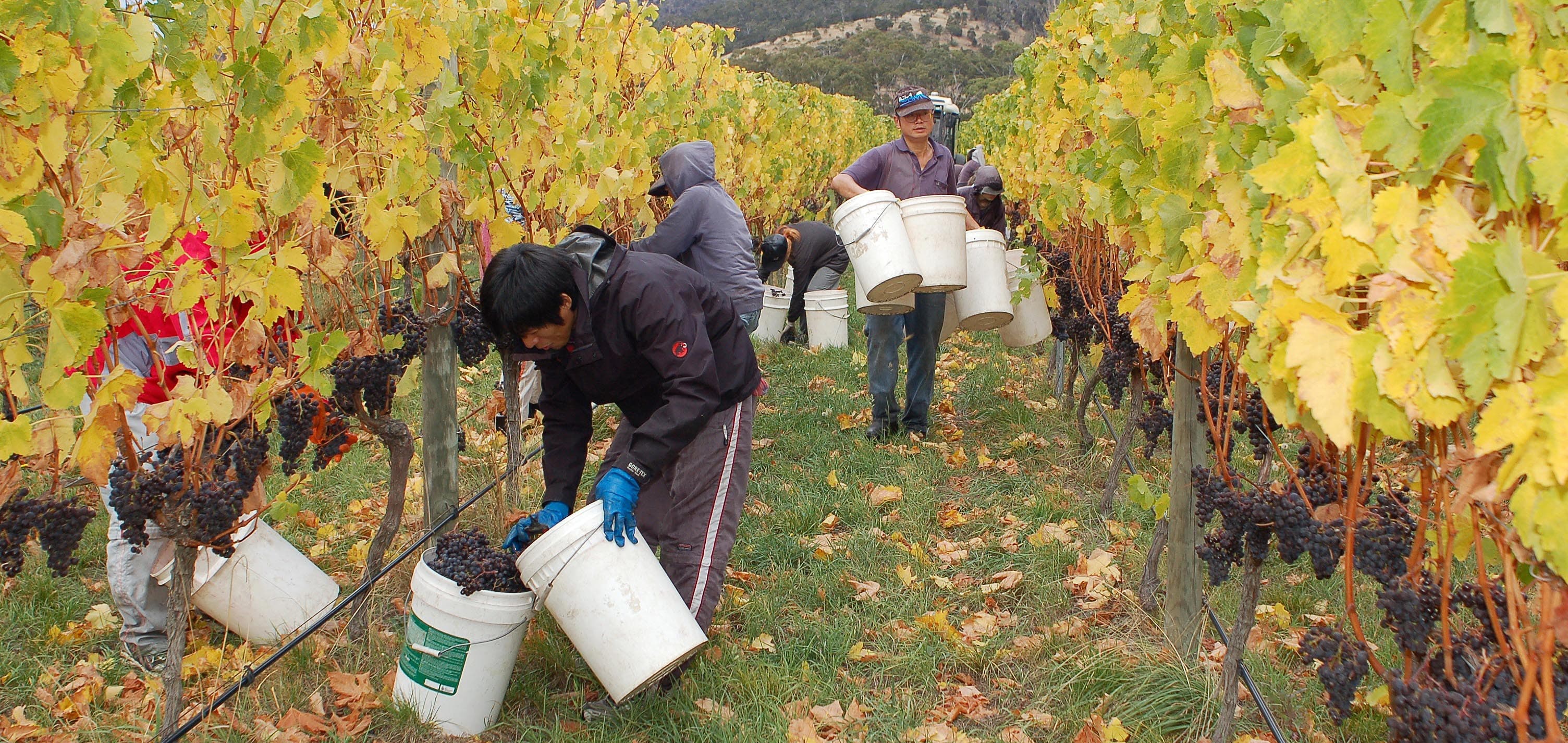
From author: "Wine grape harvest at Granton Vineyard in southern Tasmania during 2010."
Wineries & vineyards

Wine — Southern Tasmania (Tassie Shop / Wine South)

A practical guide to the Southern Wine Trail in southern lutruwita Tasmania. Covers where the trail runs, what cellar doors offer, travel and accessibility considerations, booking and opening hour checks, and the wine styles to expect. Includes safety and suitability checks to make the most of tastings, tours and on-site dining.

The Point members pavilion and function centre at West Park Oval in Burnie, Tasmania.
produce / farm‑gate / markets

TassieShop — Try/Buy (North West / Cradle Coast) (inferred)

Practical guide to exploring farm‑gate produce and markets in North West Tasmania and the Cradle Coast. Use regional producer listings and the Devonport Tasting Trail producers map to plan Try/Buy visits. Confirm current opening hours, product availability and map updates before you travel.
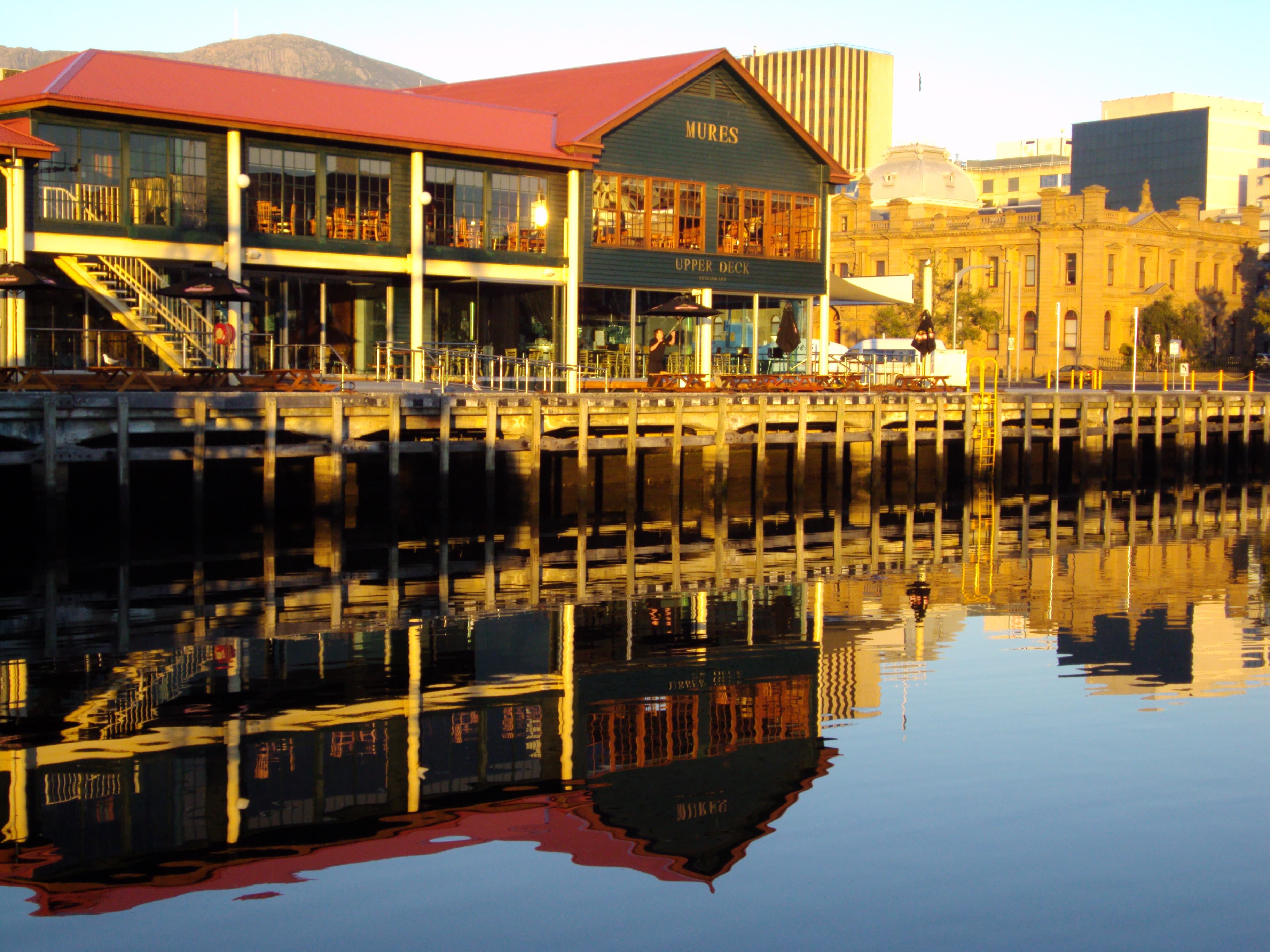
Salamanca Place. In the 1830s as trade opened up in VDL the wharves were on Hunter Island, now Hunter Street. But the waters were more sheltered on the Salamanca side of the harbour so convicts were employed to mine the steep hill side, create a quarry, and built a new shore line so that deep sea facilities for ships could be provided near Salamanca. John Lee Archer was involved in this 1827 plan to re-shape Sullivans Cove which included building up soil in front of the Customs House. In the 1840s the dock facilities moved to Salamanca Place and the large warehouses were built. The apple industry used the sheds right on the wharves in the 20th century. By the 1970s the area was derelict so the Tas. government bought seven warehouses to create an arts centre in 1976. Soon the other warehouses were privately renovated into upmarket galleries, shops and cafes. American Rebel Memorial in Princess Park. In 1839 a number of convicts (around 160) were transported from Canada to Tasmania because they had taken part in a rebellious movement against the British Crown. They were American patriots who had crossed into Canada, but some were French prisoners from French Canada. They had an uprising, were eventually arrested and shipped to Australia but only the American rebels were offloaded in Hobart. (The French rebels were offloaded in Sydney.) They were given hard labour at Port Arthur. The society they belonged to- the Hunters Lodge - had about 20,000 members who urged the Canadians to fight the British. Seven uprisings occurred. Queen Victoria pardoned the Americans between 1844-48. Only a few stayed on in Australia. None stayed in Tasmania. Most returned to the USA. Battery Point, Arthurs Circus, and the Lena House Hotel. Originally guns guarded the harbour from the point, hence the name Battery. Wealthy merchants chose to live there by the 1850s with Alexander McGregor being a good example. He arrived in Hobart from Scotland in 1831.He built up a large whaling fleet and bought Lenna House site from a ship’s captain once he was wealthy. He built this grand house around 1860 with a roof top tower for watching his sailing ships come up the Derwent estuary. It is now a fine hotel, so you can walk in side and look around. Despite two marriages he had no children. Opposite the Lenna is a fine example of a wooden fancy gabled Tudor Gothic style house in Runnymede Street. At the top of Runnymede St is Arthur’s Circus- named after the Governor with its quaint cottages and large horse Chesnuts in the middle of the circus. Is this really Australia? Although in England by the time of its development, Arthur owned this land at Battery Point and sold it off for housing in 1847. The blocks around the circus were all narrow frontage, suitable for workers’ cottages. The cottages were all built around 1850. Battery Point was home to master mariners, shipwrights, seamen, fishermen, shipping agents shipbuilders and as wealthy merchants. St Georges Anglican Church. The story of St George’s begins in 1836 with services commencing in 1838. The church was consecrated by Bishop W. G. Broughton, the first and only Bishop of Australia. St George's was designed in the Neo-Classical style then current in London. The only other examples of this style of church left in Australia are one in Richmond and one in Sydney. The Government architect, John Lee Archer, designed the body of the building; the tower and porch were designed by convict architect, James Blackburn. The church has an unusual layout, with two side aisles instead of a single central aisle. It still has its original cedar box pews. The Government agreed to grant convict labour, stone and timber for the church tower. Lime, lead and glass had to be provided by the church members. By 1847 the tower was finally completed, but the porch and the rooms at the basement of the tower were left unfinished. St George’s porch was not added until 1888. The stone for its fine fluted Grecian columns was quarried at Bellerive. James Blackburn (1803–1854), was a civil engineer, surveyor and architect who had been transported for forgery in 1833. He was pardoned in 1841, but continued in private practice as an architect until 1849. His work included: St Mark's Anglican Church at Pontville (Romanesque), the Lady Franklin Museum (Grecian) and The Grange at Campbell Town (Tudor). Narryna House. Narryna was built as a grand Georgian style house in 1836, one of the first on the hill at Battery Point for Captain Haig. He had built a warehouse down in Salamanca Place in 1833 and lived in that with his family whilst the house was completed. He sold it in 1842 and the property then had many different owners. It is a fine box like, very symmetrical simple Georgian house of grand proportions and constructed with first class quality sandstone. One long time resident was an early mayor of Hobart and a MP. The government bought the house as a TB hospital in 1946. It was established as Australia’s first heritage house museum in 1955. St David’s Park. This was originally the first Hobart graveyard, right opposite the first hospital on the corner of Salamanca Place and Davey Street. Was this a coincidence or expeditious planning? In 1926 the graveyard was converted into this park. In the centre is a fine memorial to Lieutenant Governor Collins. Some of the old headstones are now on the wall behind the Tasmanian Supreme Court. Collins you will remember was the first Lieutenant Governor of VDL and found a new mistress among the Norfolk Islanders, 16 year old Margaret Eddington. In Sydney he had had two children with Ann Yeates in the 1790s. His wife always remained in England. He had two illegitimate children with young Margaret Eddington before he died in 1810. His morals and administration were heavily criticised by the NSW Governor William Bligh.
town eateries / cafes

Wynyard cafés — visitor eating options

Wynyard on Tasmania’s north-west coast has a compact café scene that leans on local produce, weekly markets and visitors services. Use the Wonders of Wynyard visitor centre for up-to-date opening hours, check market days for fresh local ingredients and time visits in spring to enjoy seasonal displays on Table Cape that coincide with a busy hospitality season.
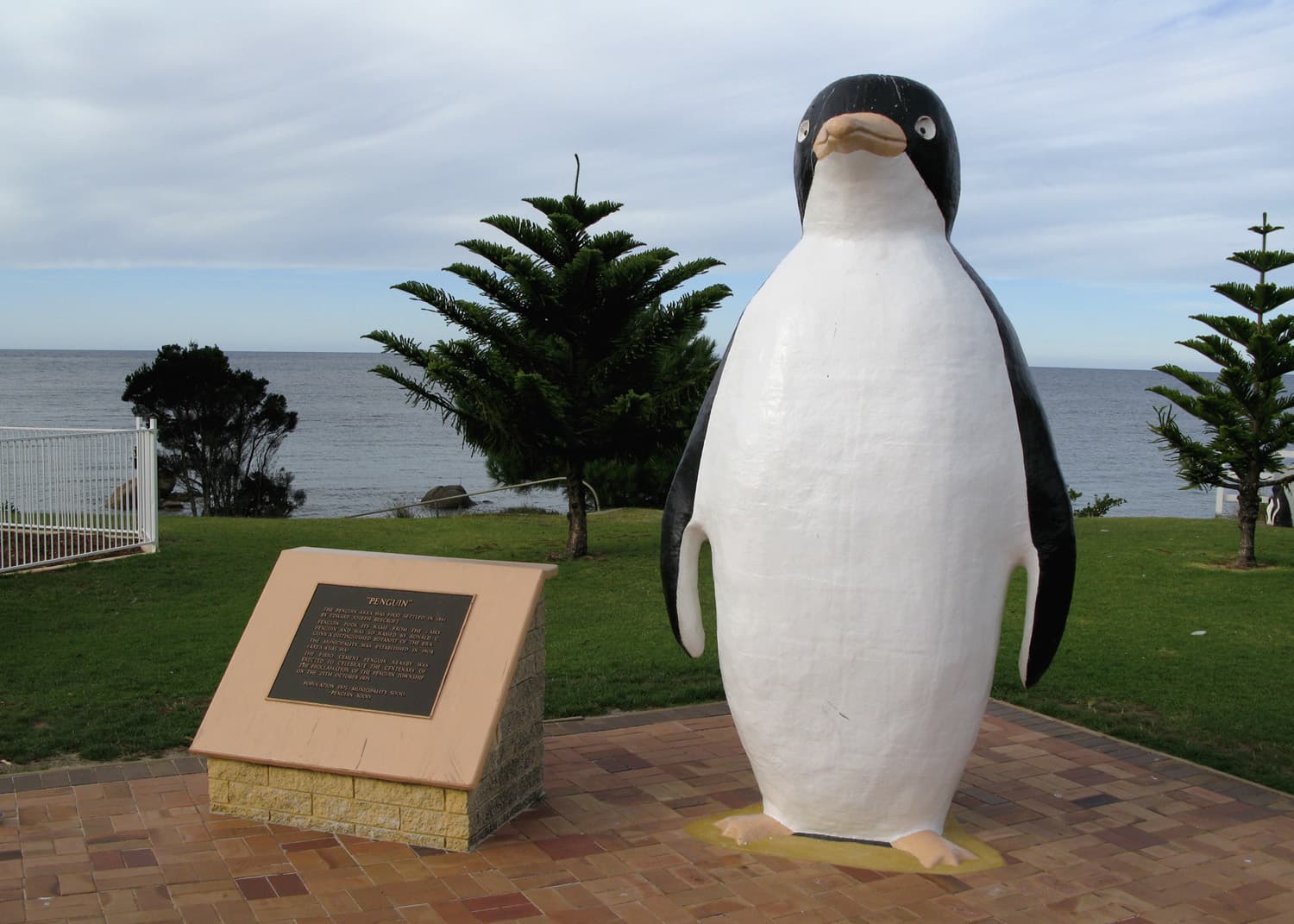
The Big Penguin at Penguin, TAS
cafes

Penguin (town) — cafes & places to eat

Penguin on Tasmania’s Central Coast offers a small-village café scene focused on relaxed meals, local produce and seaside atmosphere. For current opening hours, menus, events and accessibility details contact the Penguin Visitor Information Centre or use the Central Coast tourism listings. Nearby natural attractions shape when and where people eat, and council services can change around peak.

The Point members pavilion and function centre at West Park Oval in Burnie, Tasmania.
dining

Burnie — restaurants and eateries (inferred)

A practical guide to eating and drinking in Burnie on Tasmania's North West coast. Covers cellar door and distillery visits, brewery dining, cafes and markets, delivery options, and local access and booking checks. Includes opening hours, tour details and event notes drawn from local venue information.

The Point members pavilion and function centre at West Park Oval in Burnie, Tasmania.
dining

Burnie — lunch spots & casual dining (inferred)

A compact guide to lunch and casual dining in Burnie, focused on the foreshore and central business district. Describes brewery and distillery options, markets and cafes, and practical checks for access, events and delivery. Notes on parking, wheelchair access and local services such as public toilets and free WiFi are included to help plan a visit.
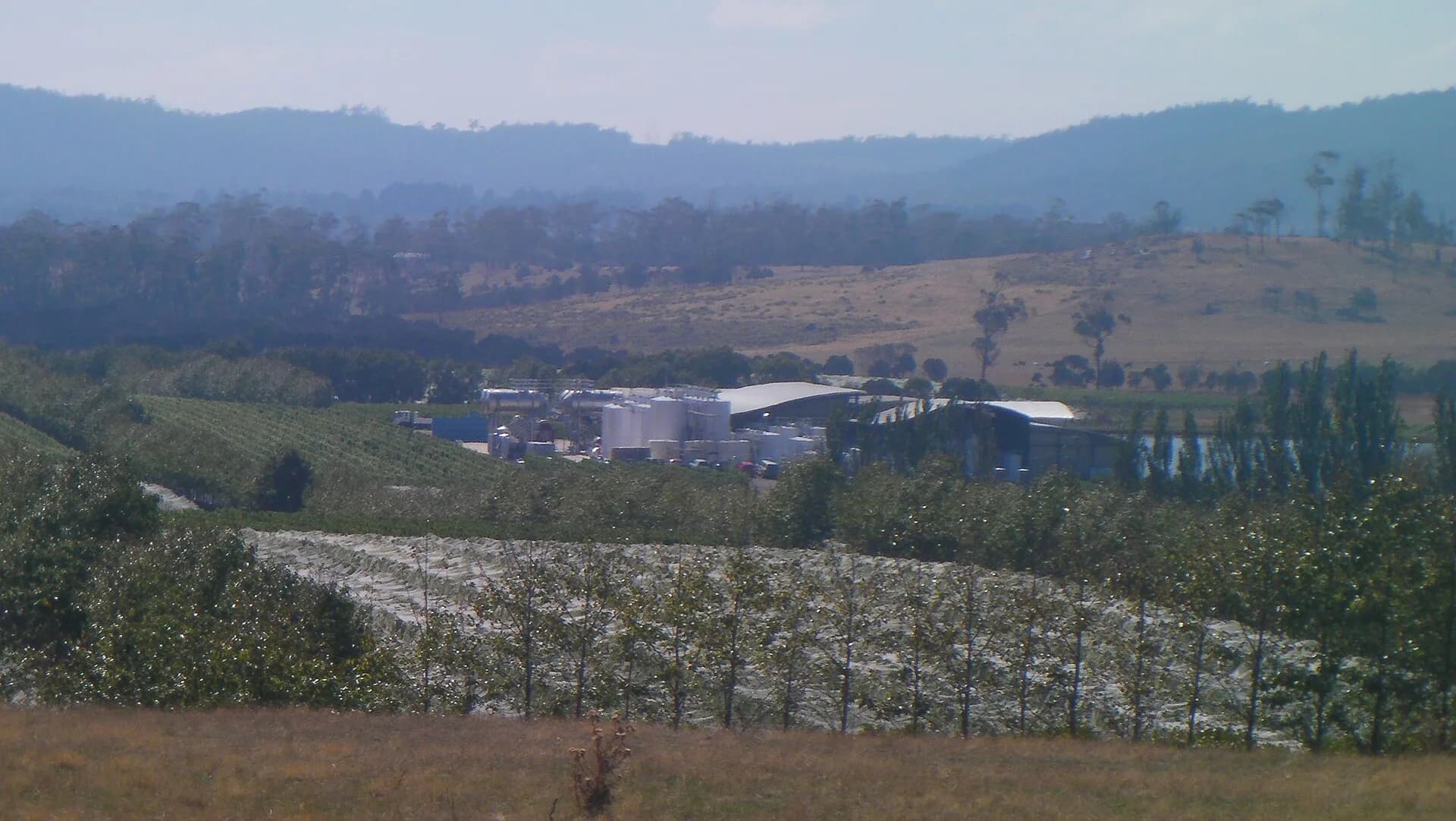
Rows of vines at a Tamar Valley winery
food drink · Launceston & North East

Launceston Wine and Farm-Gate Guide

Plan a useful Launceston tasting day with current producer checks, realistic distances and a sober transport plan.

Rows of vines descending through a Tamar Valley vineyard
food drink · Launceston & North East

Tamar Valley wine region

Plan a safe, informed Tamar Valley wine trip with context on varieties, geography, cellar-door checks and the limits of a single day.
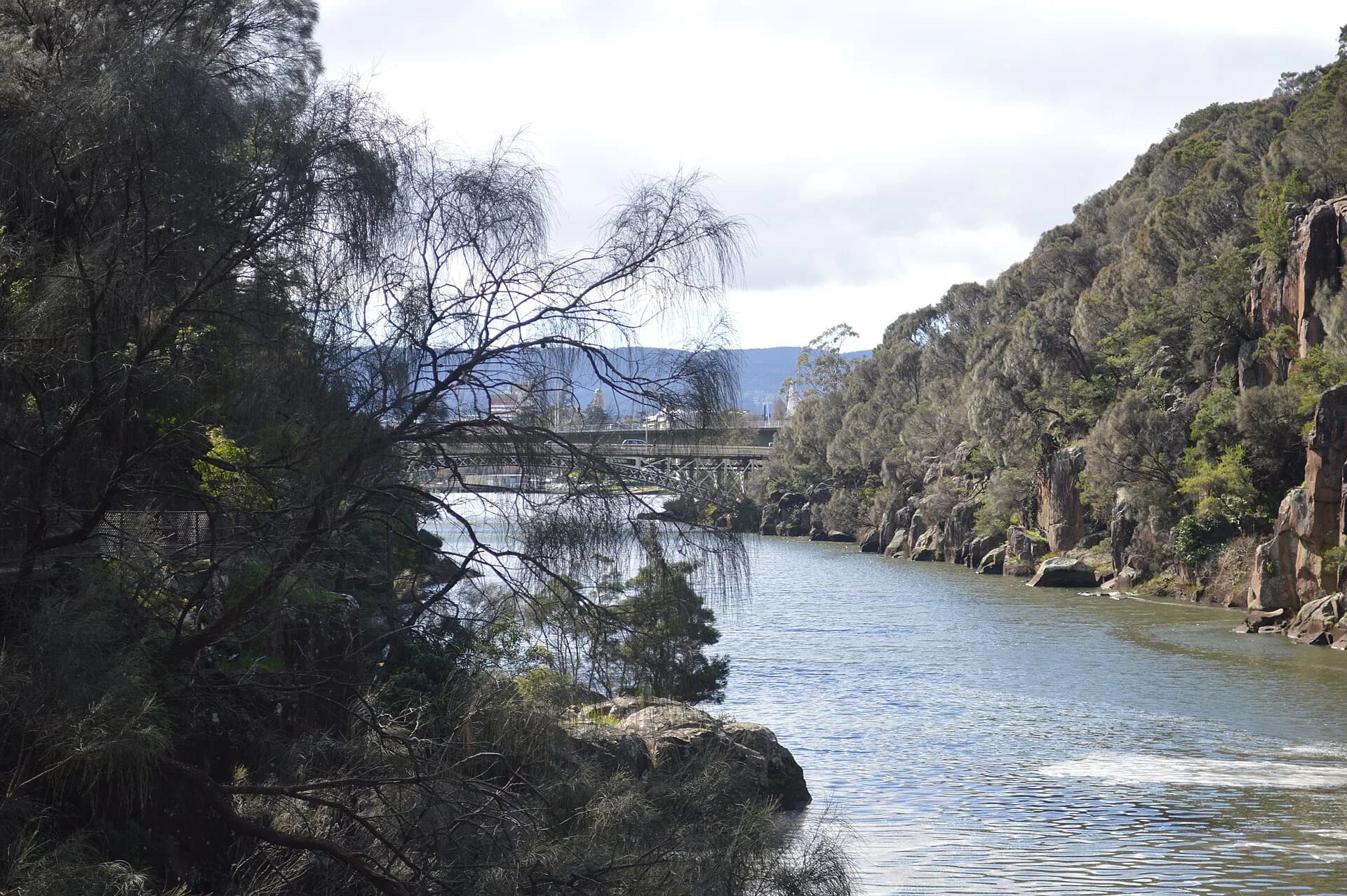
Launceston city landscape near Cataract Gorge
food drink · Launceston & North East

Food and Drink in Launceston

Plan where and how to eat in Launceston through markets, independent dining, Tamar Valley wine and seasonal northern Tasmanian produce.
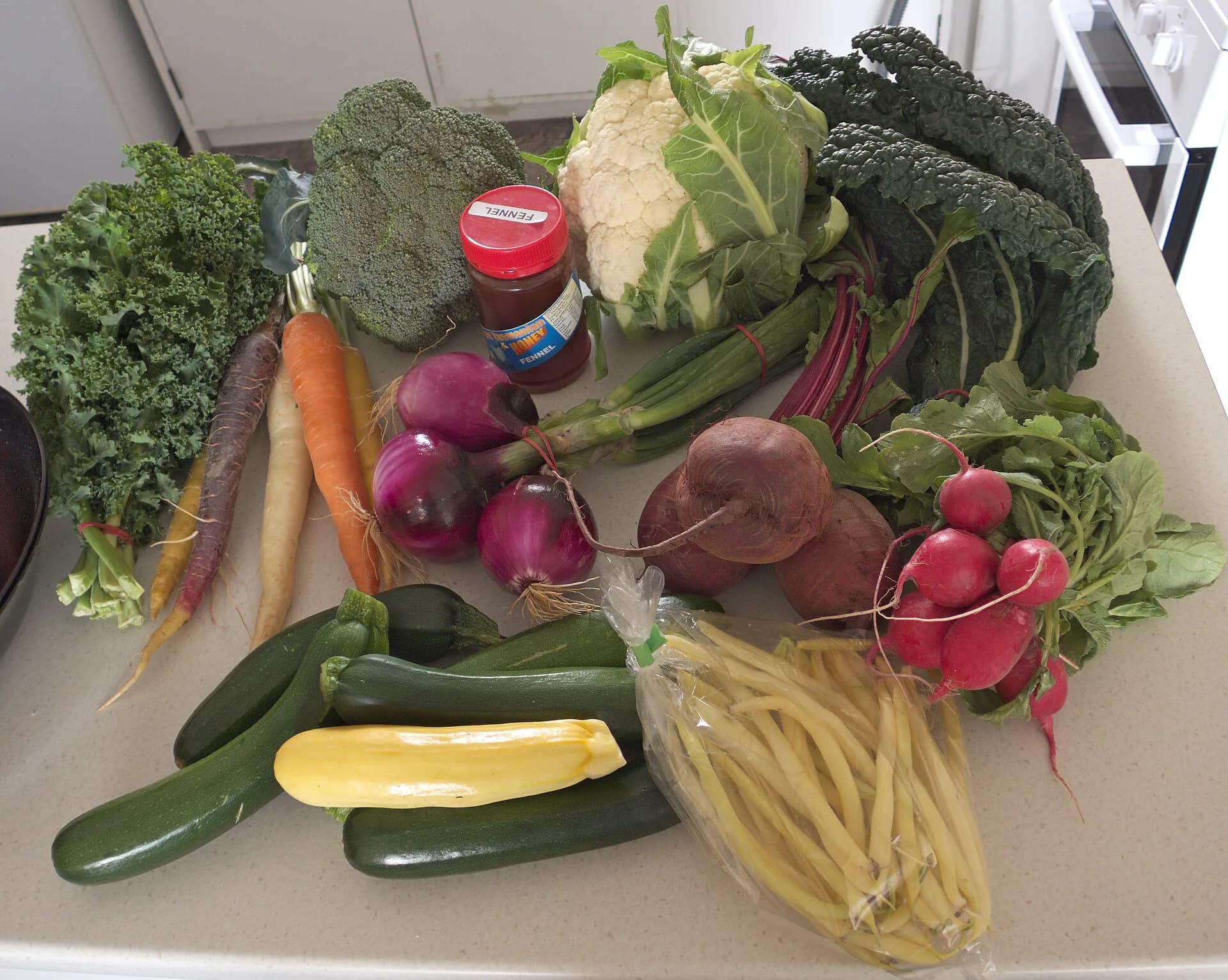
Fresh vegetables displayed at Burnie Farmers’ Market
food drink

Food and Drink in Burnie

Find food and drink in Burnie through its market, compact centre and regional producers without relying on a stale restaurant directory.

Fresh vegetables arranged at a Burnie farmers market
food drink

Markets in North West Tasmania

Find current North West market information through council calendars and confirm dates before travelling.
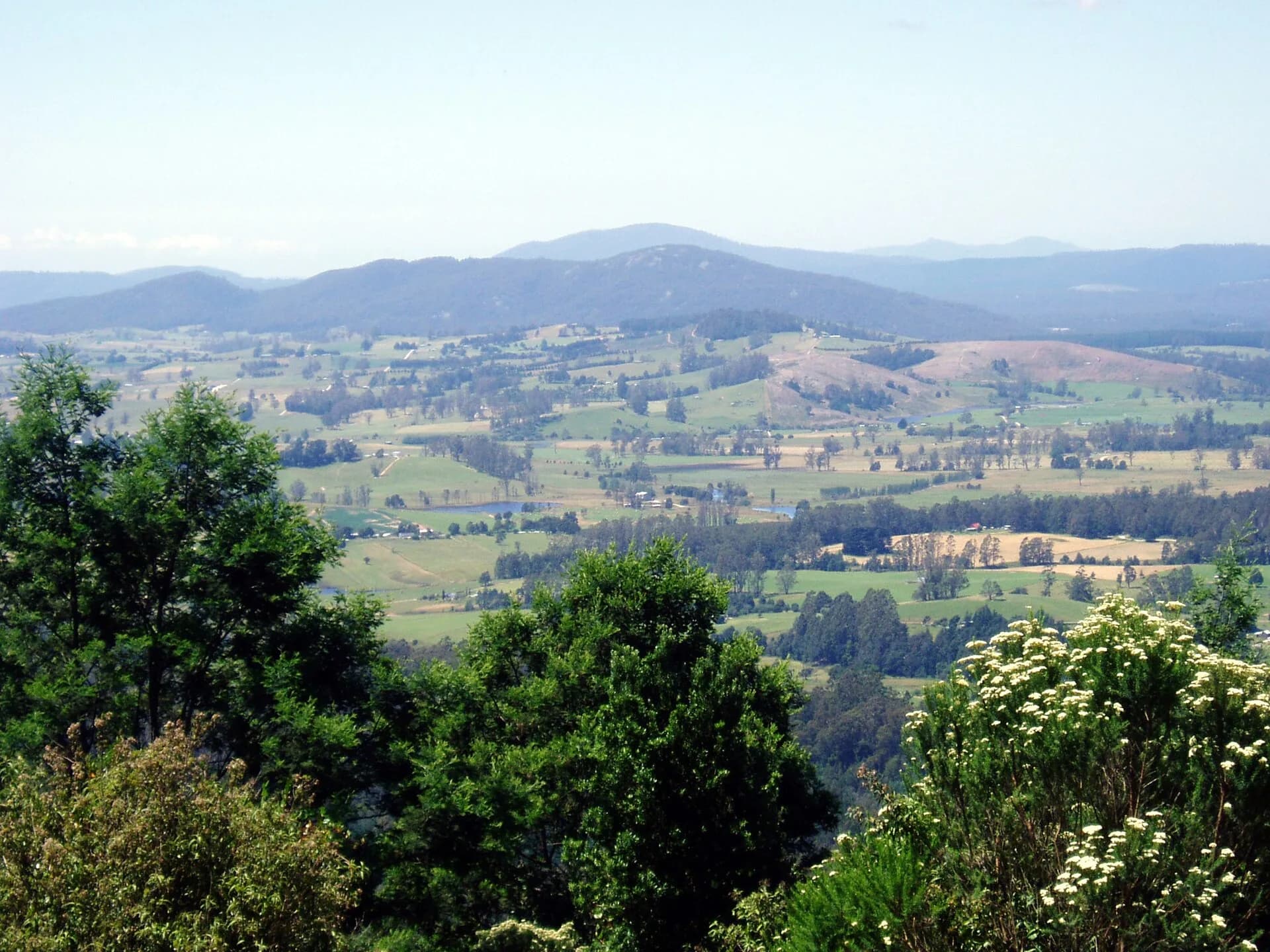
Green rolling farmland in north-east Tasmania
food drink · Launceston & North East

Pipers River Wine Region

Plan a Pipers River cellar-door day using current producer listings, bookings and a safe driving plan rather than an outdated fixed itinerary.