
Where Tasmanian oils are produced
Olive and specialty edible oil production in Tasmania is an island industry supported by government guidance and technical material. The Department of Natural Resources and Environment Tasmania has published an industry profile and an olive growing fact sheet that describe production context and grower practice in the state. Much of the production profile and technical detail available to the public is contained in those publications.
Season and availability
Availability of fresh-pressed olive oil and small-batch varietals follows local growing and harvest cycles. Pressing and harvest timing influence which oils are on sale and the flavour characteristics of fresh-pressed products. Retail stock can change through the year, so what you find at a shop or producer may depend on the point in the season.
If your purchase depends on recently pressed oil or a particular small-run varietal, check with the producer or retailer first. Producers and shops vary in how they record and present pressing or bottling dates on labels and product notes.
What to expect when visiting a producer
Many Tasmanian producers operate from rural properties that combine grove, press and some degree of bottling on site. Visits can range from simple retail pick-up at a farm gate to organised tastings or guided farm visits. Not all producers offer public tours or tastings, and some operate on a seasonal timetable or by appointment only.
Before you go, phone or email to confirm access, the availability of tastings and whether an appointment or booking is required. Confirming ahead reduces the chance of finding the site closed, especially outside peak season.
Shopping for oils and product types
Shops and farm gates sell a mix of single-origin extra virgin oils, blended oils and other specialty edible oils. Label information and producer notes vary between vendors. Producers who can supply pressing dates and storage details allow buyers to assess freshness and expected shelf life. If freshness and press date matter to you, ask the seller for that information before you buy.
If you are considering bulk purchases or wholesale quantities, contact the producer beforehand to confirm minimum order quantities and packaging or delivery options.
Access and rural road conditions
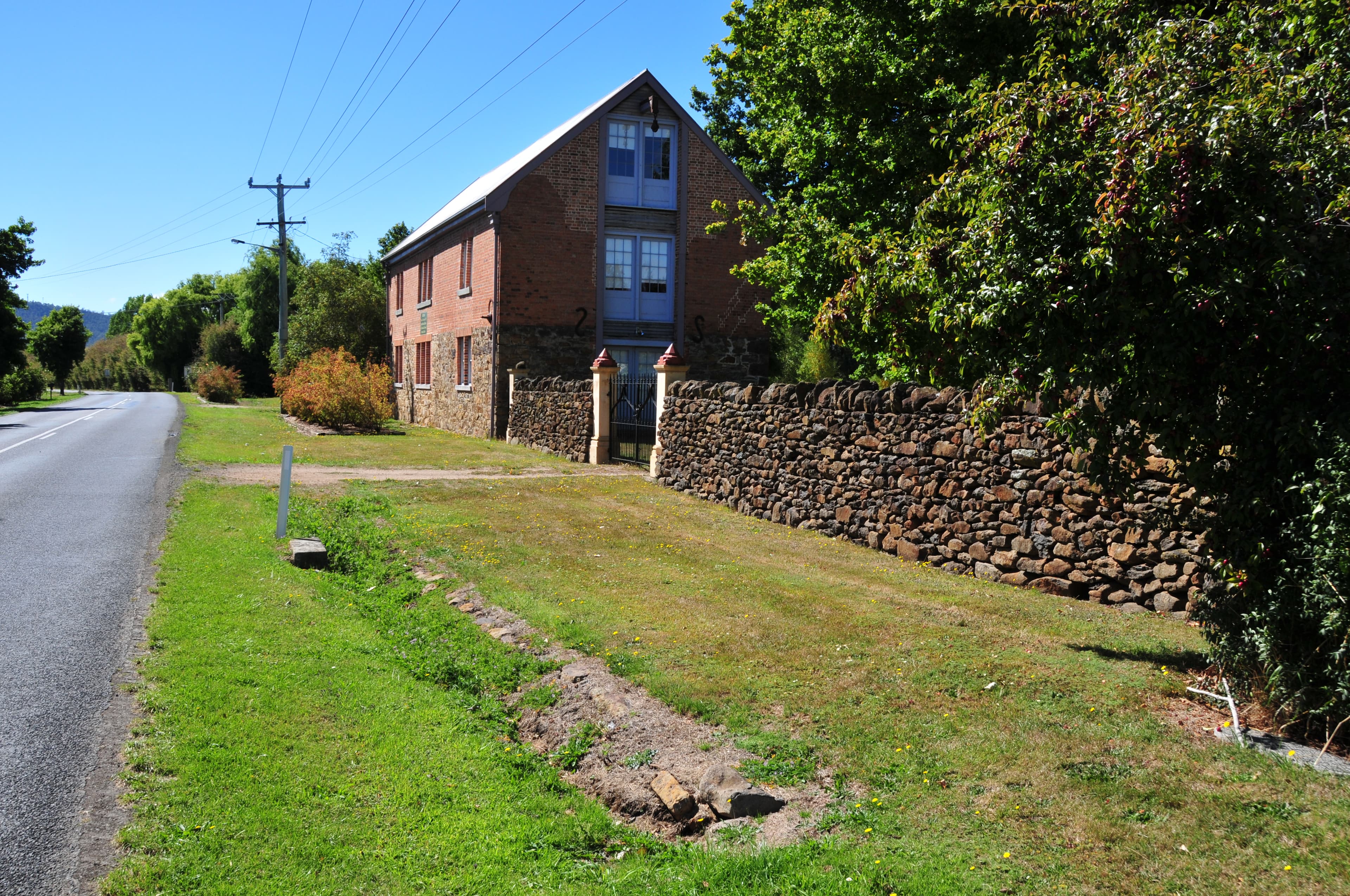
Many olive producers are situated on country roads. These routes may be narrow and sometimes unsealed. Road surfaces and local driving conditions can change with weather, and travel may take longer than route planners indicate when rural roads are involved.
Check local road and weather conditions on the day you plan to travel. Allow extra time for slower roads and for any short stretches of unsealed or winding road. Proceed only if you are comfortable with rural driving conditions and the vehicle you plan to use.
Suitability and site access
Decide what type of visit will suit you. If you prefer organised experiences, ask whether the producer runs tastings or guided visits. If you require step-free access, accessible parking or other mobility accommodations, contact the site in advance to confirm access arrangements and parking options.
For groups, confirm capacity for tastings or tour numbers. If you intend to inspect processing or bottling areas, check whether the site permits visitors in production zones and whether any safety requirements apply.
Preparing for your visit: practical checks
- Confirm opening hours and whether the location is open to the public. Several producers operate seasonally or by prior arrangement.
- Ask if tastings or guided tours are offered and whether bookings are required.
- Request pressing or bottling dates where freshness is important.
- Confirm any minimums or packaging options if you plan to buy large volumes or wholesale.
- Check current road and weather conditions for rural travel on the day of your visit.
Transport, storage and handling of purchased oil
Olive oil quality declines with exposure to light, heat and oxygen. Once purchased, store bottles in a cool, dark place and follow the producer's recommendations for use. When transporting oil from a farm gate or shop, keep bottles upright and protected from heat, direct sunlight and sudden shocks.
If you are taking purchases a long distance or travelling in warm weather, keep oils shaded and avoid exposing them to prolonged high temperatures. Proper transport and immediate storage on arrival help maintain flavour and quality.
Where to find more technical information
For growers, buyers and planners who need deeper technical or industry detail, consult the Tasmanian government publications noted above. The Department of Natural Resources and Environment Tasmania provides an industry profile and a fact sheet on olive growing that set out production considerations and local industry context.
Plan visits to producers around what you want to buy or learn. Confirm arrangements before you go, allow extra travel time for country roads and protect your purchases during transport to preserve oil quality.