
Where the trail runs
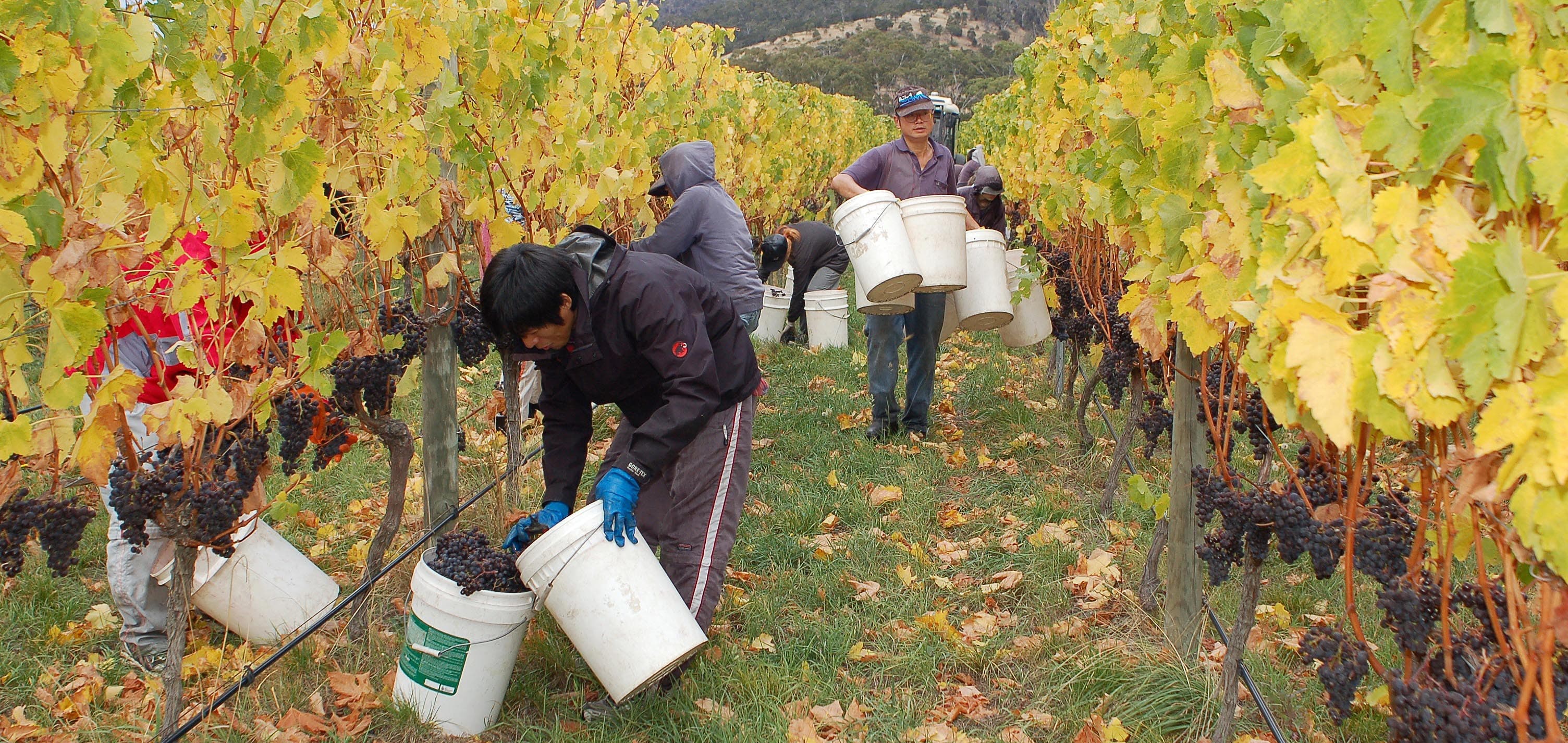
The Southern Wine Trail threads out from Hobart into the Coal River Valley, the Derwent Valley, the Huon Valley and along the D'Entrecasteaux Channel. Short travel times from the city make it possible to visit multiple cellar doors in a single day. Vineyards sit in river valleys, near historic towns and coastal outlooks, so the scenery is part of the visit.
What you will find at cellar doors
Cellar doors range from small family-run tasting rooms to larger, architecturally notable sites with restaurants. Expect guided tastings, behind-the-scenes winery experiences and options for tutored tastings at some properties. Many venues pair wine with local produce on platters or have sit-down dining. A handful of vineyards also operate distilleries or make fortified and dessert wines.
Wine styles and local character
The south of Tasmania is a cool-climate region. Common styles include pinot noir, chardonnay and sparkling wines, with white varieties such as riesling appearing across the trail. The area produces a mix of sparkling, white, rosé and red wines, and some producers experiment with biodynamic practice, amphora ageing and low-intervention approaches. The region includes both long-established estates and newer boutique labels.
Getting there and getting around
Driving is the usual way to visit multiple venues. Distances from Hobart are relatively short, but travel times vary depending on which valley you choose to explore. If you prefer not to drive, there are day tour operators and shuttle services that run loops from Hobart and call in at multiple cellar doors. If you plan to use a commercial tour, confirm pick-up and return arrangements when you book.
Before you plan transport, check each venue's visitor options. Some cellar doors are open daily, while others operate only by appointment. Phone ahead or check the vineyard listing to confirm opening hours and any required bookings.
Accessibility, family needs and pets
Facilities differ widely between properties. Several venues list wheelchair access and family-friendly features such as playgrounds or shared dining spaces. Others may not have step-free access or suitable toilets. Some cellar doors are dog friendly; others are not. If accessibility, family facilities or bringing a pet matter to your plans, confirm details with the venue before you travel.
Booking, opening hours and arrival checks
Opening hours are not uniform. Some cellar doors are walk-in friendly and open daily, while others welcome visitors only by appointment. The advice from industry listings is to phone ahead, especially for weekend visits or for tutored tastings and private dining. Where a venue offers tutored tastings, guided tours, or private dining, bookings are commonly required and seats can be limited.
On-site services and practical facilities
Expect a range of on-site services. Some wineries offer full restaurant menus, simple grazing plates, cellar-door shipping and mixed dozen options. A selection of properties provide accommodation or private event spaces. A few venues list EV chargers and curated shopping for local produce and wine. For services such as shipping, private dining or electric vehicle charging, check availability and any extra fees in advance.
Suitability and safety when tasting
Design a plan that matches your tolerance for alcohol, driving distances and the company you keep. If you will be sampling multiple wines, choose a designated driver, join a guided tour or arrange alternative transport. Where tutored tastings are on offer, they can provide a more structured experience and are often worth booking if you want a focused tasting. Respect venue policies on children and pets, and be prepared for outdoor or uneven surfaces at some properties.
Highlights and picking an itinerary
Tailor the route to your interests. If you want restaurant meals with your wine, focus on cellar doors that list on-site dining. For scenic outlooks, search for vineyards that advertise coastal or valley views. If you value small-scale production or biodynamic practice, look for producers that describe those methods in their profiles. Mix larger, heritage cellar doors with boutique stops to get a broad sense of the region.
Final checks before you leave
Before driving out, confirm opening hours and whether the cellar door requires bookings. Check accessibility and whether you can bring children or pets. If you plan to ship wine or need EV charging, call ahead to confirm availability. These checks will reduce disappointment and help you set a realistic daily route.