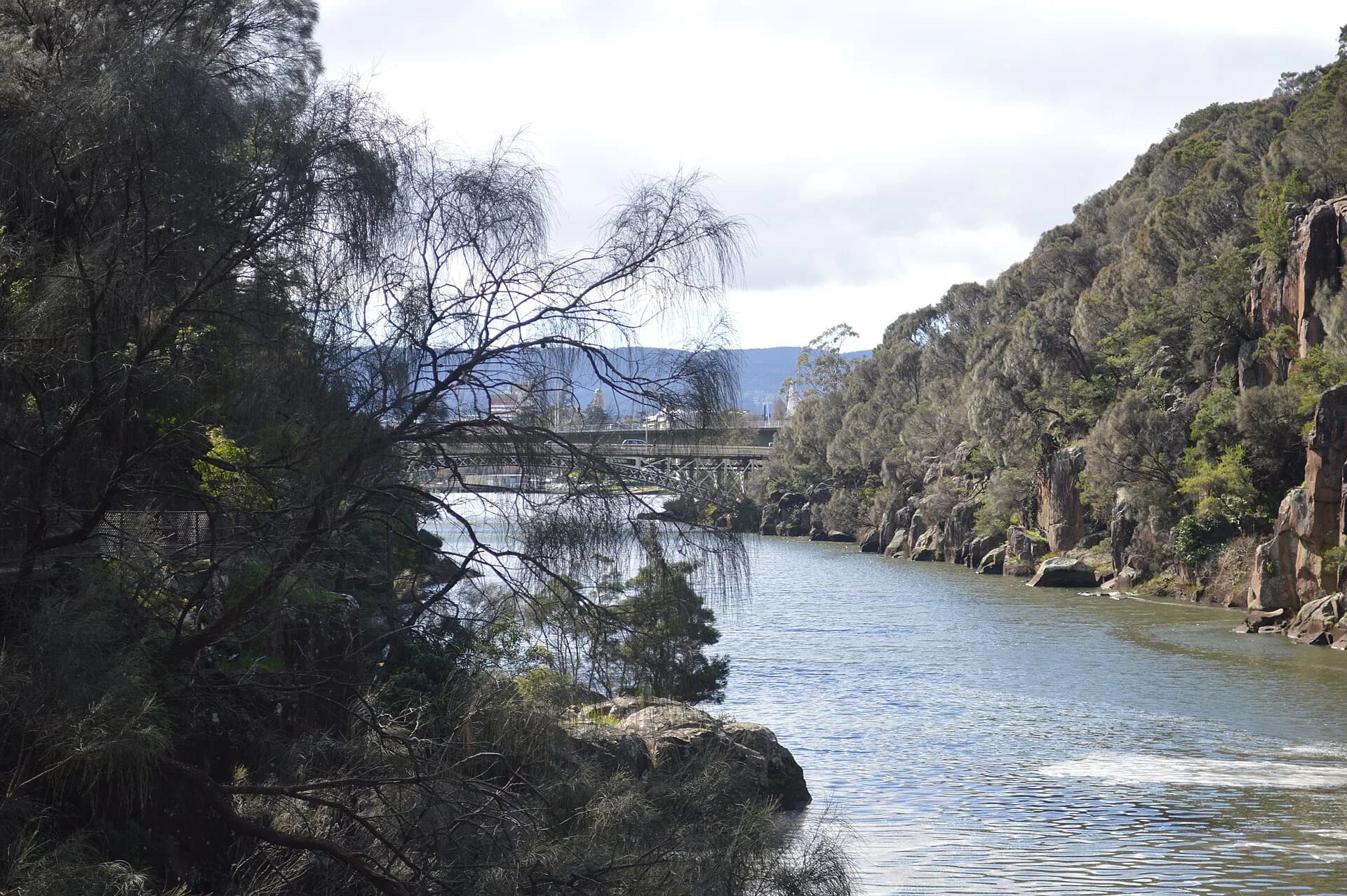

Launceston is a compact base for northern Tasmanian food, but the useful question is not which restaurant is fashionable this month. Start with how city dining connects to the Tamar Valley, north-east farms, fishing ports and small producers, then check current opening days directly.
Begin with the market
Harvest Launceston Community Farmers’ Market brings producers into the city on Saturday mornings. Seasonal fruit, vegetables, bread, dairy, meat and prepared food make it a practical place to understand what is being grown nearby. Vendor attendance changes, so use the official market list rather than expecting a fixed line-up.
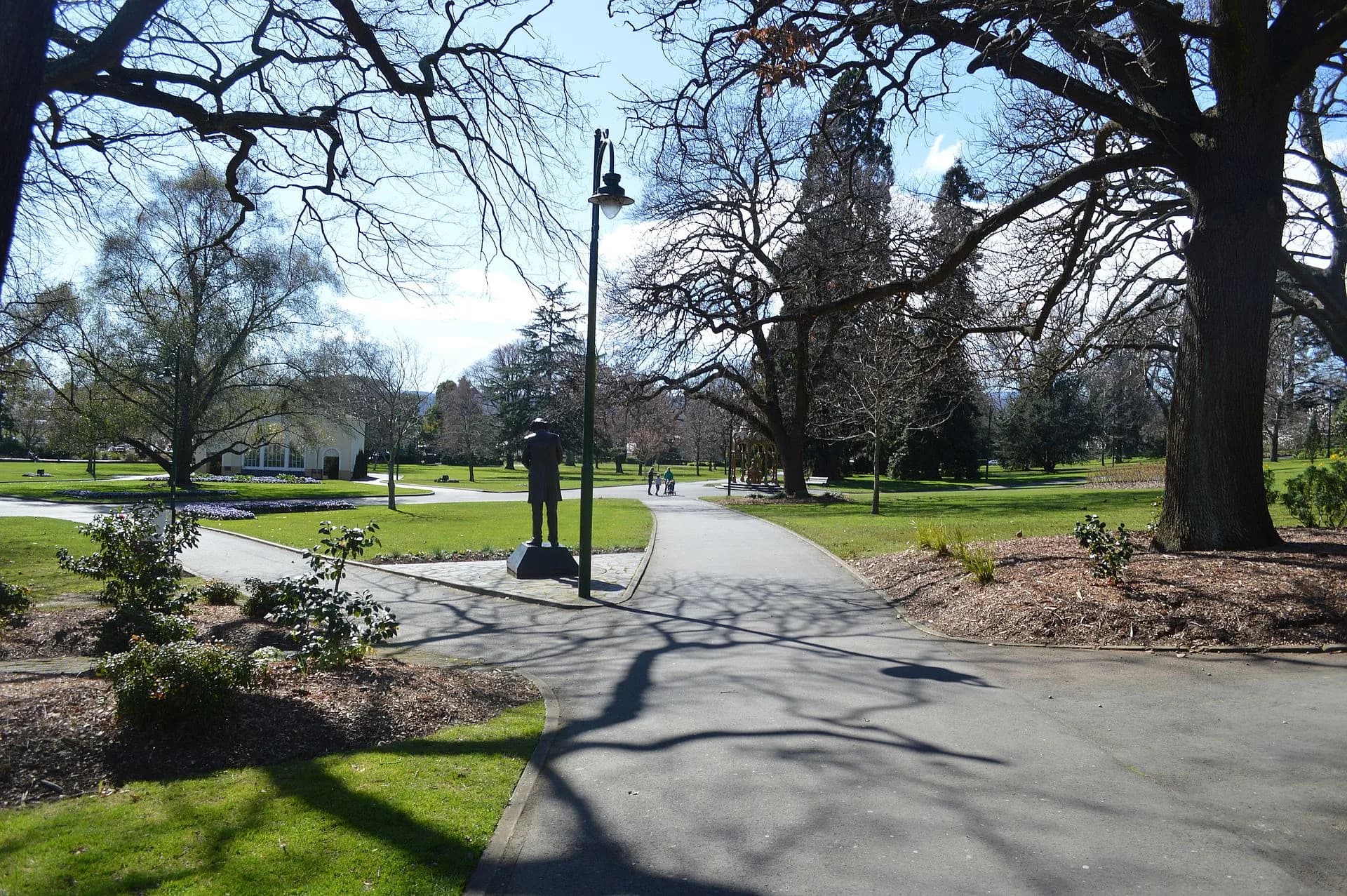

The centre is walkable, with distinct dining pockets
Brisbane Street, Charles Street, Seaport and streets around the central business district hold cafes, restaurants and bars at different price points. Many independent kitchens close on quieter early-week nights. Book ahead for a particular venue and confirm dietary requirements directly.
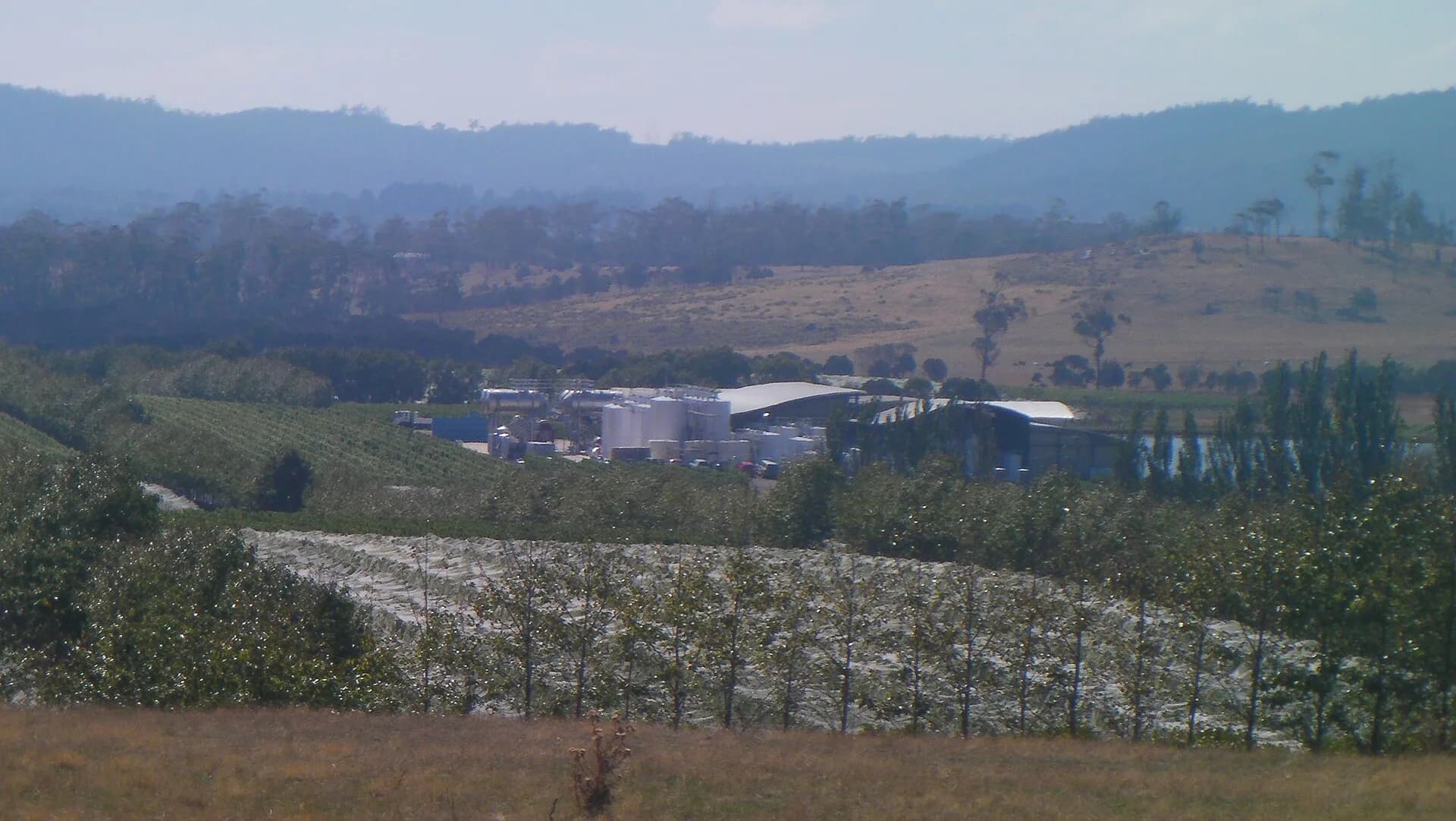

Wine country begins beyond the city
The Tamar Valley is known particularly for cool-climate sparkling wine, pinot noir, chardonnay and aromatic whites. A cellar-door day needs a designated driver or organised transport. Not every vineyard opens daily, and tasting arrangements can change outside summer.
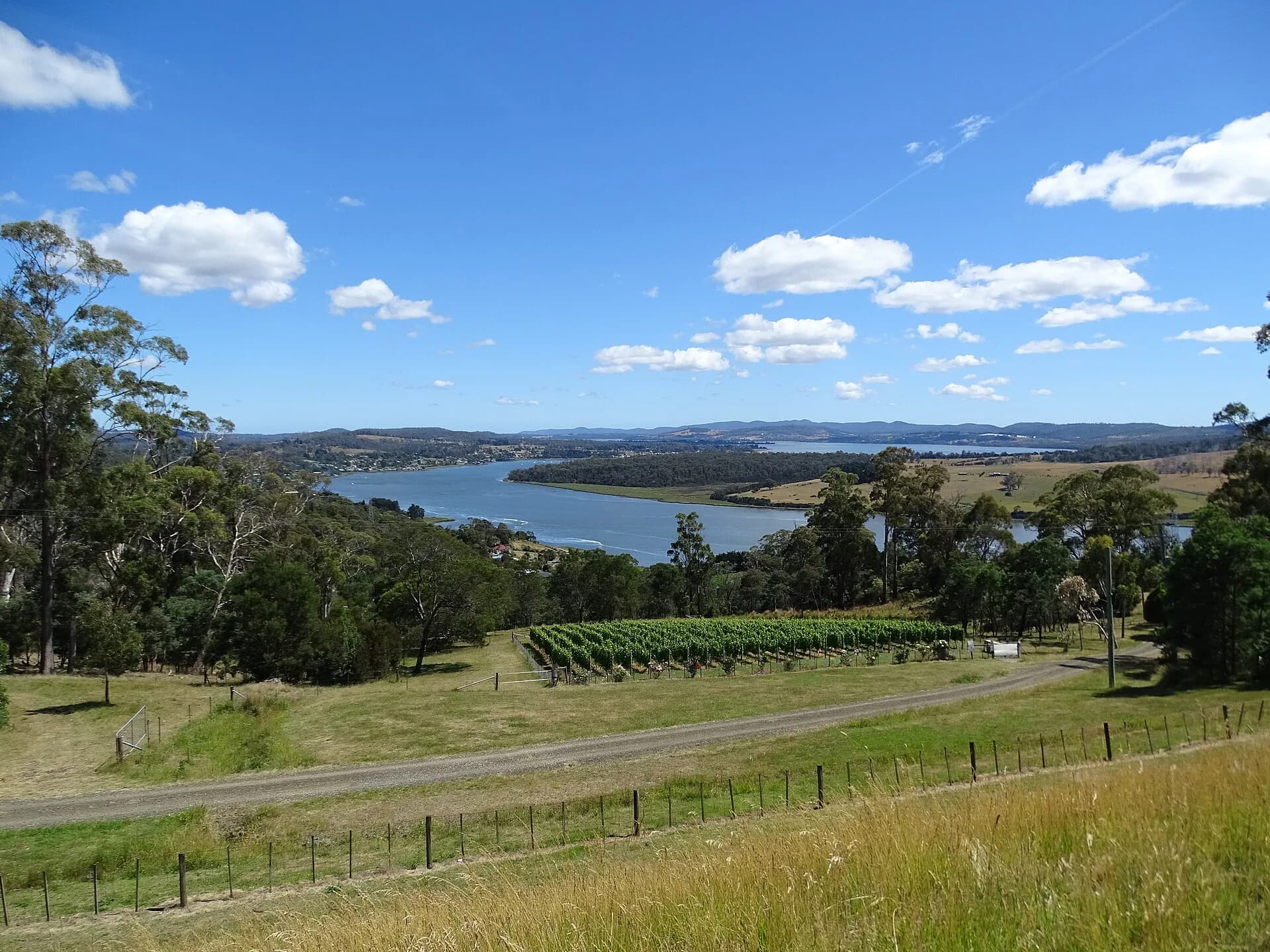

Look for provenance that can be checked rather than vague “local” claims. Farmers’ markets, producer websites and Wine Tasmania listings make that easier. Pair this guide with Launceston, the Tamar Valley and the Tamar Valley wine guide.