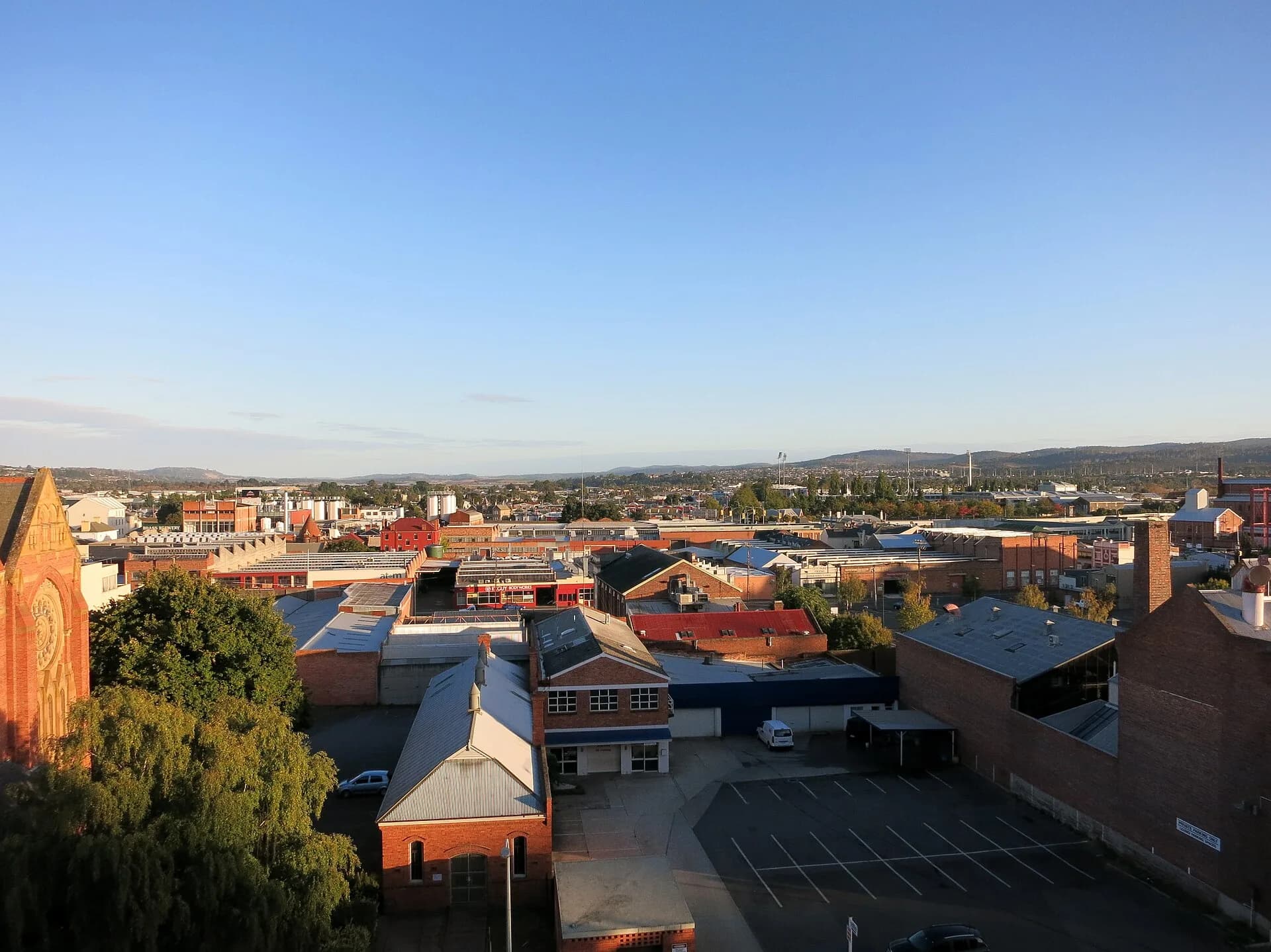

Launceston stands where the North and South Esk rivers meet and flow into kanamaluka / River Tamar. The city centre is compact, Cataract Gorge is close enough to reach on foot, and northern farms, vineyards and historic towns sit within realistic day-trip range.
Understand the river junction first
The meeting of rivers shaped Launceston as a transport and trading centre. It also created wetlands and recurring flood risk. Levees, bridges, drainage works and land reclamation changed the ground on which the modern city stands.
The area is Aboriginal Country with continuing cultural significance. British settlement at Port Dalrymple began in 1804 and moved to the present Launceston site in 1806. Colonial occupation brought dispossession and violence as it expanded along the rivers and across northern Tasmania.
Start near the waterfront or Royal Park and look at the relationship between the city grid, river edge and low ground. It explains why bridges, flood infrastructure and former industrial land appear repeatedly in Launceston’s story.

Cataract Gorge deserves its own block of time
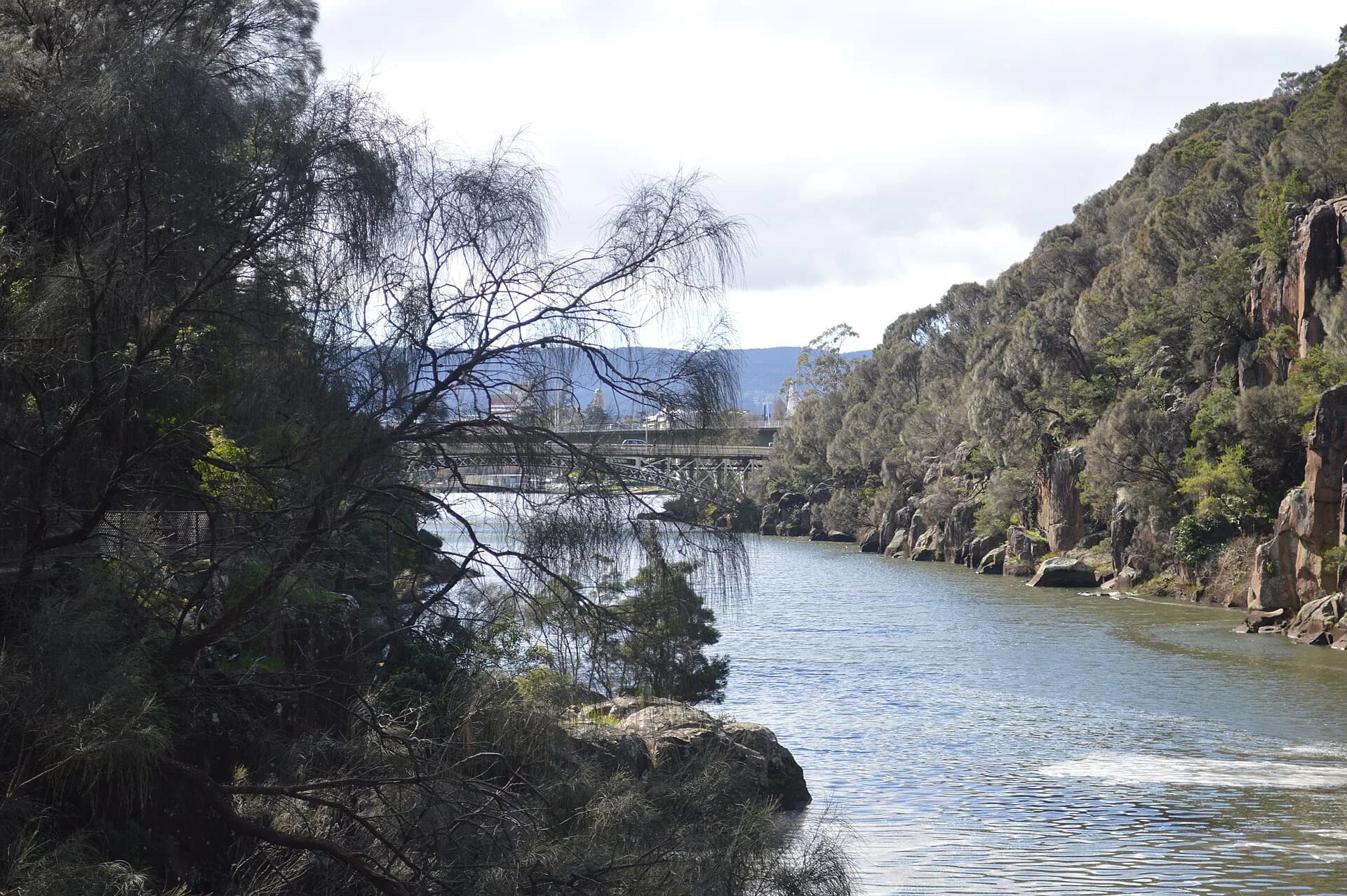
Cataract Gorge begins close to the central city, but it is more than a single lookout. Walking routes follow the South Esk through cliffs and bushland, with developed recreation areas around First Basin. Track choice, weather and mobility determine whether the visit takes two hours or most of a day.
Wear footwear suited to the route and check current council information before setting out. Paths can be steep or exposed in places. Summer heat, wet rock and high river conditions all change the experience. The gorge is easiest to appreciate when there is no pressure to rush back for a tightly booked schedule.
Two QVMAG sites, two different visits
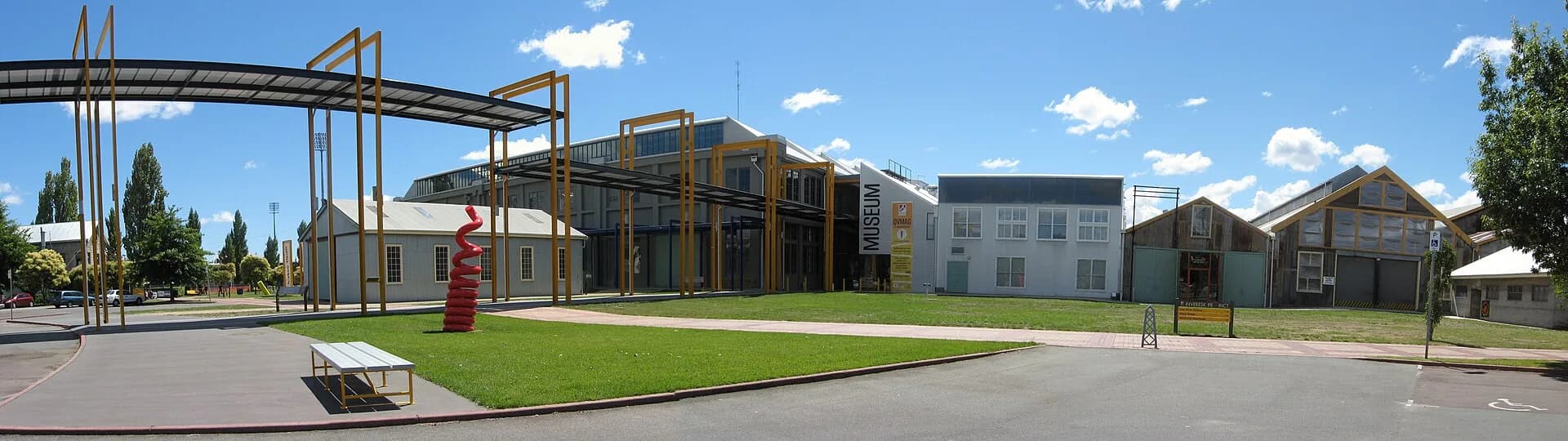
Queen Victoria Museum and Art Gallery operates the Museum at Inveresk and the Art Gallery at Royal Park. They are separate venues. Inveresk is the place for natural sciences, transport and social-history collections, while Royal Park focuses on art and design exhibitions.
Check current opening days and exhibitions before deciding how to divide your time. Inveresk also helps explain the reuse of former railway workshop land, linking directly to the North East Railway history.

Walk the central streets with a route
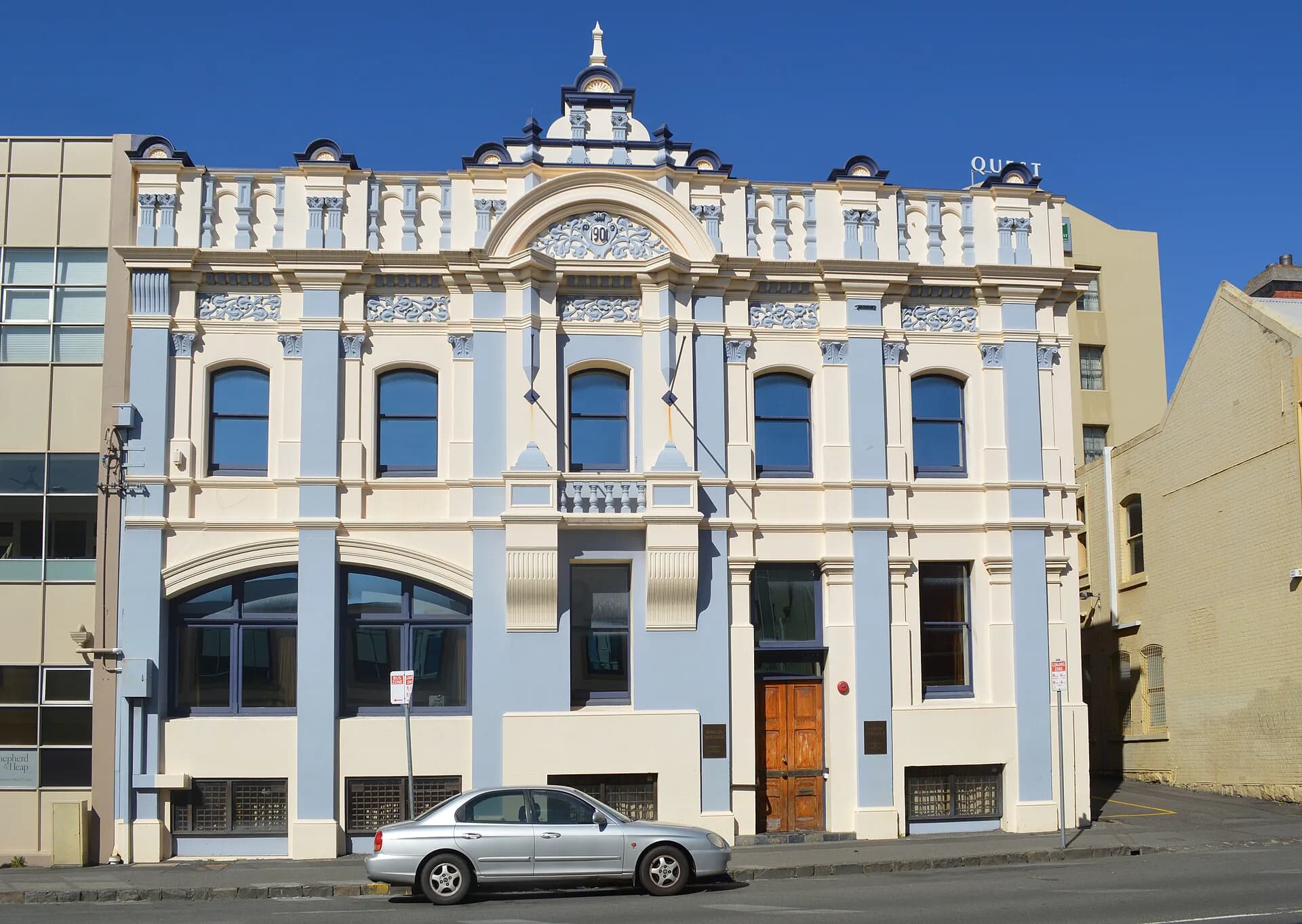
Launceston retains a dense collection of nineteenth and early twentieth-century commercial, civic and religious buildings. A planned route is more useful than collecting isolated façades from busy roads. The Launceston heritage walk links buildings to trade, government, transport and changing city life.
City Park makes a natural pause on the eastern side of the centre. Royal Park and the river edge anchor the western side. Brisbane Street Mall, Civic Square and the blocks around Charles and George streets connect the two.

Markets, food and northern produce
Launceston’s restaurants and markets draw on the surrounding agricultural districts. Use the food and drink guide for a practical overview, then confirm current trading days directly with venues and market organisers.
kanamaluka / River Tamar extends north through wetlands, settlements and vineyard country. A wine day needs a separate plan from a city day. Cellar doors are spread across both sides of the river and opening arrangements vary. Choose a side or a small number of stops, book where required and nominate a sober driver.
Day trips that fit
Longford and Evandale combine well with a northern Midlands day. The Tamar Valley works as a full loop only when you limit stops. Scottsdale and Derby lead into the north-east, but longer driving and road conditions make an overnight stay sensible if mountain biking or exploring farther towards the coast.
The beyond Launceston guide separates close outings from destinations that become tiring as return day trips.
Getting around
The central grid is walkable, although distances increase between Inveresk, the gorge and outer neighbourhoods. Metro buses serve the urban area. Launceston Airport is south of the city and requires road transport.
Regional public transport is limited compared with a large mainland city. A car is useful for vineyards, rural towns and the north-east. If staying in the centre, leave it parked for a day and combine the city grid, parks and one museum on foot.
How long to stay
Allow two full days for the city and gorge. A practical first day combines the central heritage route, City Park and Royal Park. Give the second day to Cataract Gorge and one QVMAG site.
Four or five nights lets Launceston work as a base for the Tamar Valley and northern Midlands without repeating long drives. Keep at least one flexible half-day for weather, a museum exhibition or a slower meal rather than scheduling every hour.