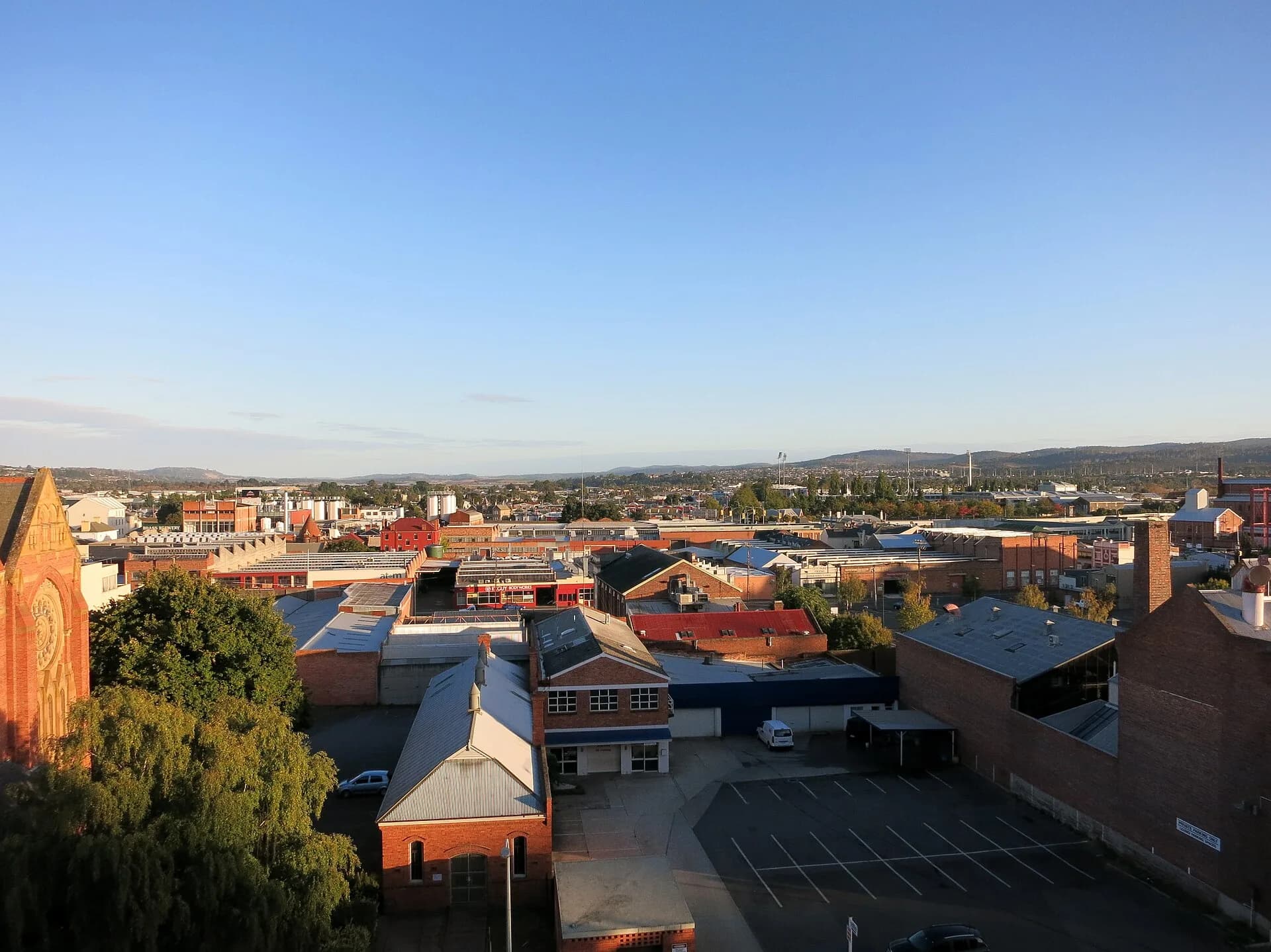

Launceston’s centre is compact enough for a day on foot, but Cataract Gorge, the river edges and two QVMAG sites make route planning worthwhile. This itinerary starts with the city’s civic streets, then follows the water towards the gorge.
Morning in the centre
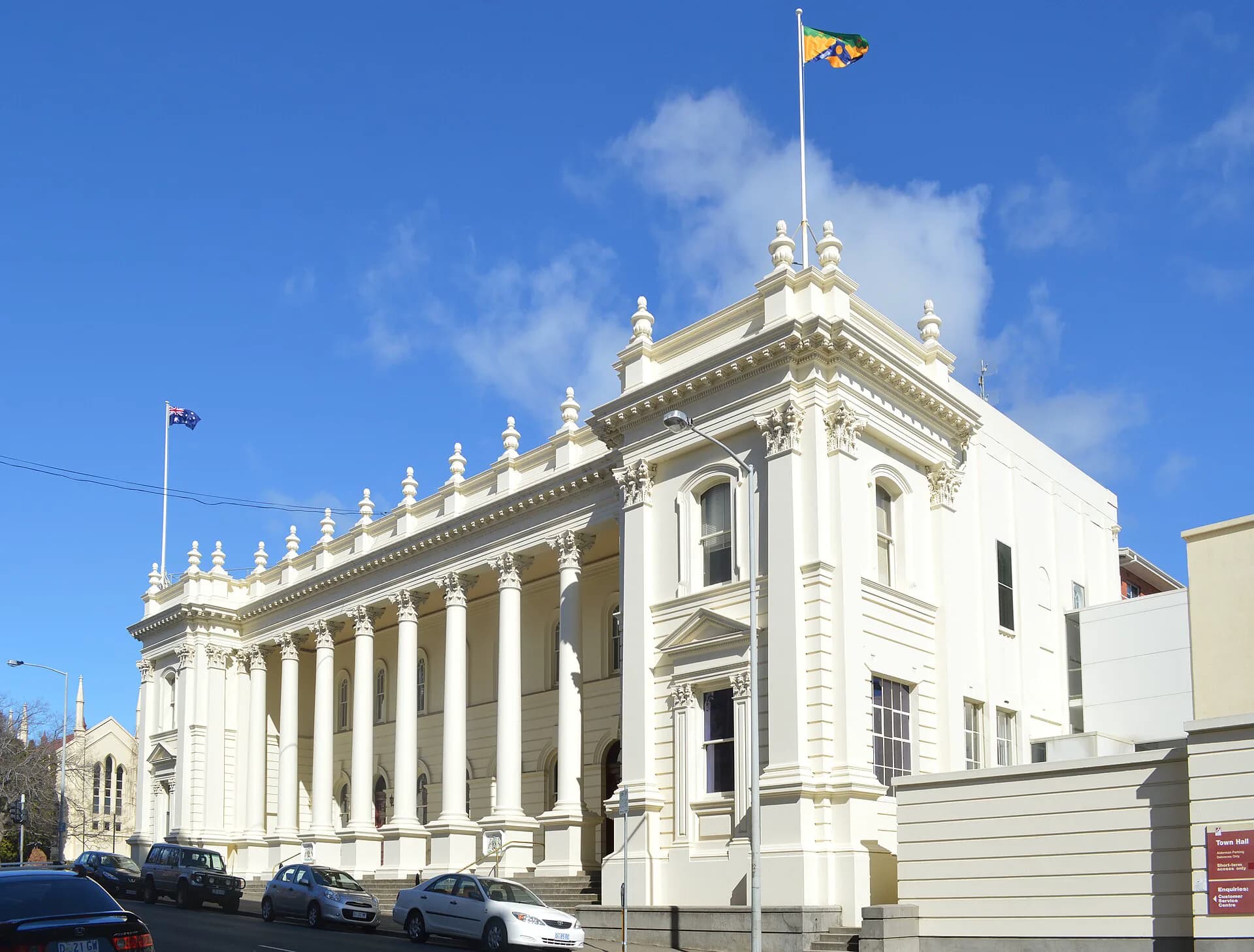
Begin around Civic Square and the Town Hall. Walk through the central grid towards City Park, noticing how nineteenth-century warehouses, shops and public buildings sit beside later development.
City Park provides mature trees, conservatory displays and open lawns. It is a public garden rather than a wilderness stop, and it works well as a quiet beginning before museums open.

QVMAG and the river
Queen Victoria Museum and Art Gallery operates at two sites. The Art Gallery at Royal Park and the Museum at Inveresk have different collections, so check current exhibitions and opening details before deciding whether to visit one or both.
Royal Park connects easily with riverside paths near the meeting of the North and South Esk. Flood barriers, levees and bridges show how closely the city’s history is tied to water.
Walk to Cataract Gorge
From the lower city, follow the signed route beside the South Esk towards Cataract Gorge Reserve. The short distance can feel longer on warm days or when paths are wet. Choose tracks suited to mobility and current conditions.
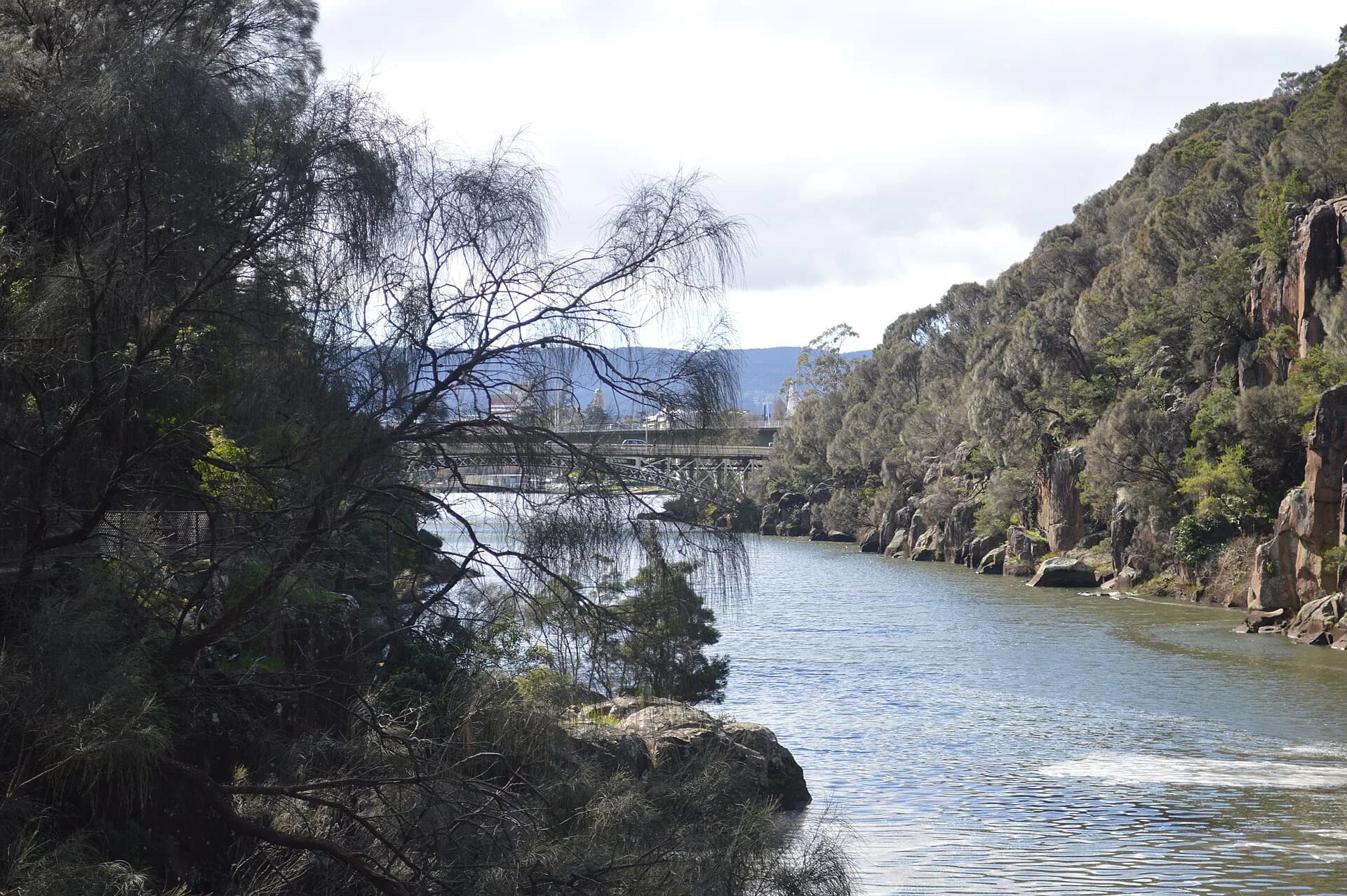

The First Basin has lawns, a swimming pool, café and other facilities, while higher or steeper tracks extend the visit. Water levels can change quickly. Stay behind barriers and never enter closed tracks or flooded crossings.
Return without retracing everything
Return through the western side of the centre or use public transport if walking capacity is limited. The Launceston heritage walk adds architectural detail, while the history of Launceston explains why the city developed at this river junction.
Allow six to eight hours for one QVMAG site, lunch and the gorge. Trying to include both museum sites and longer gorge tracks in the same day can turn a useful city visit into a schedule.