
Getting there and road access
Lime Bay sits on the north-west corner of the Tasman Peninsula and is reached by one road in and out. Follow the Tasman Highway (A3) to Sorell, turn onto the Arthur Highway (A9) through Taranna, then take Nubeena Road (B37) and Saltwater River Road (C341) toward Saltwater River and the Coal Mines Historic Site. Turn on Coal Mines Road and follow signs for Lime Bay State Reserve. The last 6.5 kilometres of the approach road become unsealed.
Drive the unsealed section carefully and avoid travelling on the approach after dark where possible. The Parks and Wildlife Service recommends you slow down for native wildlife on reserve roads. Vehicles must stay on designated roads and 4WD use off-road is not permitted.
Campground and facilities
The campground at the end of the access road offers basic, low-service camping. Facilities include parking, toilets with wheelchair ramps and access-friendly cubicles, and cleared campsites. The reserve supports caravan access but campers should be prepared for a minimal infrastructure environment.
Bring your own drinking water and carry a fuel stove for cooking. Parks staff advise that campfires are only permitted in designated fireplaces and are subject to seasonal fire bans. Chainsaws and gathering firewood inside the reserve are prohibited. Take all rubbish out with you when you leave.
Beaches, lagoon and wildlife to expect
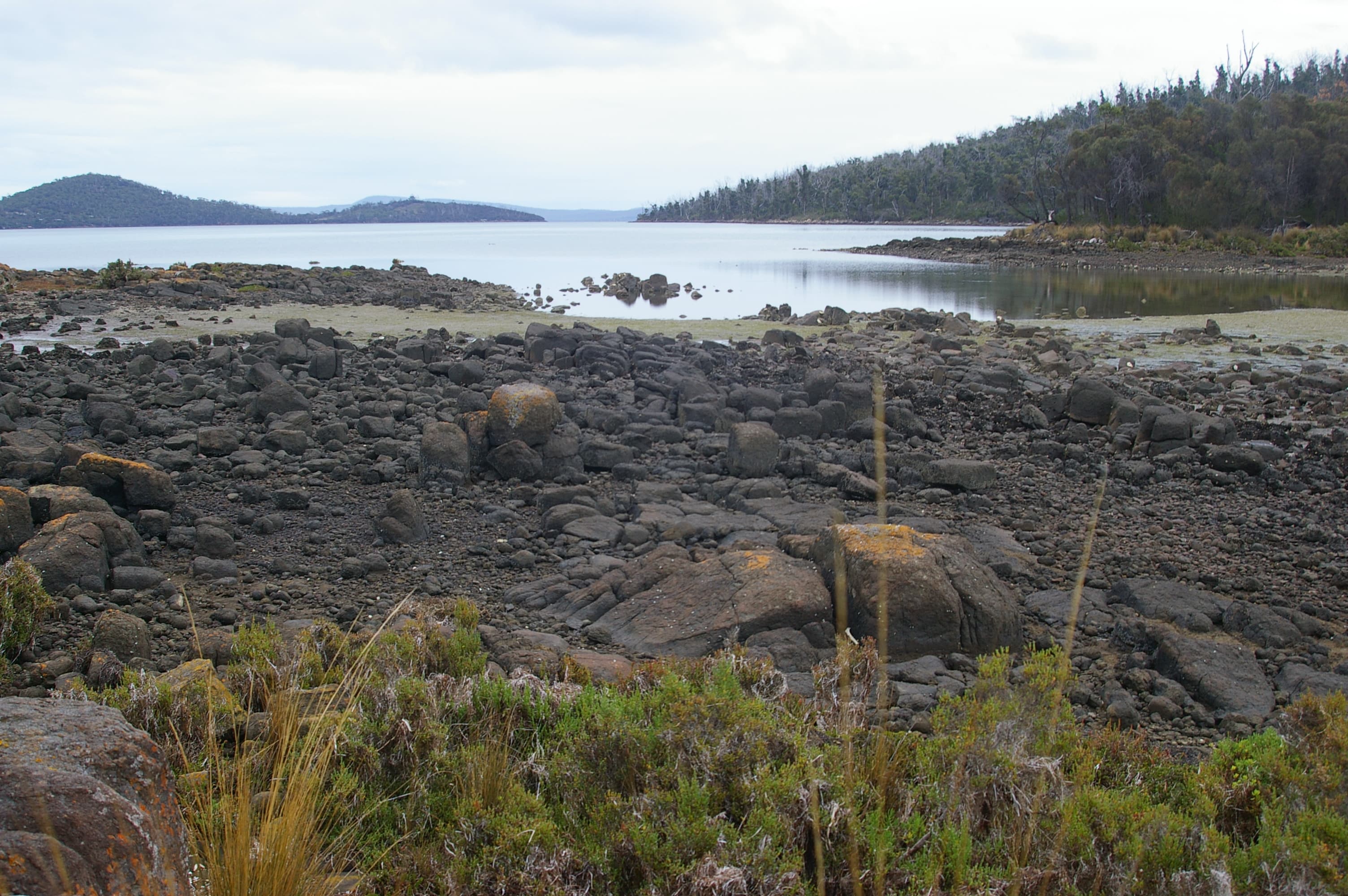
Lime Bay contains about 1,300 hectares of sheltered beaches and dry coastal woodlands. The shoreline alternates between rocky sandstone bluffs and calm sandy bays. A fire trail leads from the campground toward Lagoon Beach and Monk Bay. Lagoon Beach lies in the lee of Sloping Island and is described as an easy 40 minute walk from the campground once you cross the dunes.
An ephemeral lagoon near the tracks often holds water and is frequented by black swans when full. The beaches and rockpools are habitat for shorebirds and marine life. Visitors should keep to established routes to avoid disturbing nesting and feeding birds and to protect fragile dune and lagoon environments.
Walking, cycling and track standards
Tracks to Lagoon Beach and Monk Bay follow former fire trails and are suitable for family walks. The reserve also includes shared trails used by cyclists, from gentle family rides to more challenging routes for experienced riders. Choose trails that match your fitness and bike handling ability.
As with all Tasmanian parks, plan walks that are within your capabilities. Carry a map because mobile phone reception may be unreliable in remote areas. If you are unsure of track conditions, check with Parks and Wildlife Service staff or visitor centres before you go.
Fire, campfire rules and biosecurity
Campfires are allowed only in designated fireplaces and are prohibited during seasonal fire bans. Always check current fire danger ratings and park alerts before lighting any fire. The Parks and Wildlife Service recommends using a fuel stove as restrictions can change.
Visitors must not gather wood or operate chainsaws in the reserve. To limit disease spread, clean gear and footwear before and after visiting. Take all rubbish with you and follow local signage for current restrictions.
Safety, planning and emergency considerations
Lime Bay has a single road in and out. Check current park alerts, planned burns and fire danger ratings prior to travel. Weather in Tasmania can change quickly, so prepare for varied conditions and be ready to alter plans if needed.
Parks advice for safe walking applies here: plan your route, carry appropriate clothing and equipment, and walk within your fitness level. Carry a map, a torch or head-torch and sufficient food and water. A Personal Locator Beacon is recommended for remote activities and can be hired from Service Tasmania outlets and some visitor centres, subject to availability.
Record trip intentions where log books are provided and tell a reliable person your plans and expected return time. In an emergency call 000 for police, fire or ambulance.
Accessibility notes
There is a short, 300 metre wheelchair-accessible section at the beginning of the Coal Mines Historic Site walk nearby. At Lime Bay, toilet facilities have wheelchair ramps and access-friendly cubicles. The campground and many tracks are basic and the reserve is remote, so accessibility beyond the noted features is limited. Visitors needing higher levels of access should check specific site details with Parks and Wildlife Service before travelling.
Nearby convict heritage and complementary visits
Lime Bay is close to the Coal Mines Historic Site, part of the Australian Convict Sites World Heritage property. The Coal Mines site contains ruins of a penitentiary and mine workings that reflect a difficult convict-era history. The proximity to Port Arthur and other Tasman Peninsula heritage sites means Lime Bay can be used as a quiet base for short heritage visits and for coastal recreation after a day of sightseeing.
Practical checks before you go
Check Parks and Wildlife Service alerts and Tasmania Fire Service information for current fire ratings and planned burns. Review weather forecasts from the Bureau of Meteorology and expect rapid changes. Bring drinking water and a fuel stove, carry a map and pack for day walks or overnight stays as appropriate. Do not rely on mobile phone coverage in remote sections. Supervise children near the small, unfenced coastal cliffs and avoid walking alone on unfamiliar tracks.
With straightforward planning and attention to current park conditions, Lime Bay provides sheltered beaches, short walks, shared cycling trails and a quiet campground with basic facilities. Expect low services and changing conditions and confirm alerts and fire rules before you travel.