

Between 1804 and 1853, the British government transported about 76,000 convicted people to Van Diemen's Land. They were not one uniform group. Men, women and children arrived under different sentences, worked in public gangs or private households, experienced changing systems of punishment and sometimes built lives in the colony after freedom.
Convict labour was central to roads, bridges, farms, workshops and institutions across Tasmania. It also supported British colonisation on Aboriginal land. A serious account therefore connects punishment and forced labour with invasion, dispossession and the creation of a new colonial economy.
Transportation was a system, not a voyage
A sentence of transportation removed a person from Britain or Ireland and placed them under colonial control. The ocean passage was only the beginning. On arrival, officials recorded physical descriptions, skills, behaviour and sentence details. People could be assigned to private masters, sent to government work, confined in a female factory or penal station, or moved repeatedly as punishment and labour needs changed.
Legal status also changed over time. A ticket of leave allowed restricted independence. A conditional pardon removed some constraints but usually did not permit return to Britain. A certificate of freedom marked the completion of a finite sentence. These terms had precise administrative meanings and should not be used interchangeably.
Assignment and private labour
Under assignment, the government placed convicts with private settlers who received their labour and were expected to provide food, clothing and shelter. Experiences varied widely, but the imbalance of power was built into the system. Punishment for alleged misconduct could involve a magistrate, a road gang or transfer to a harsher station.
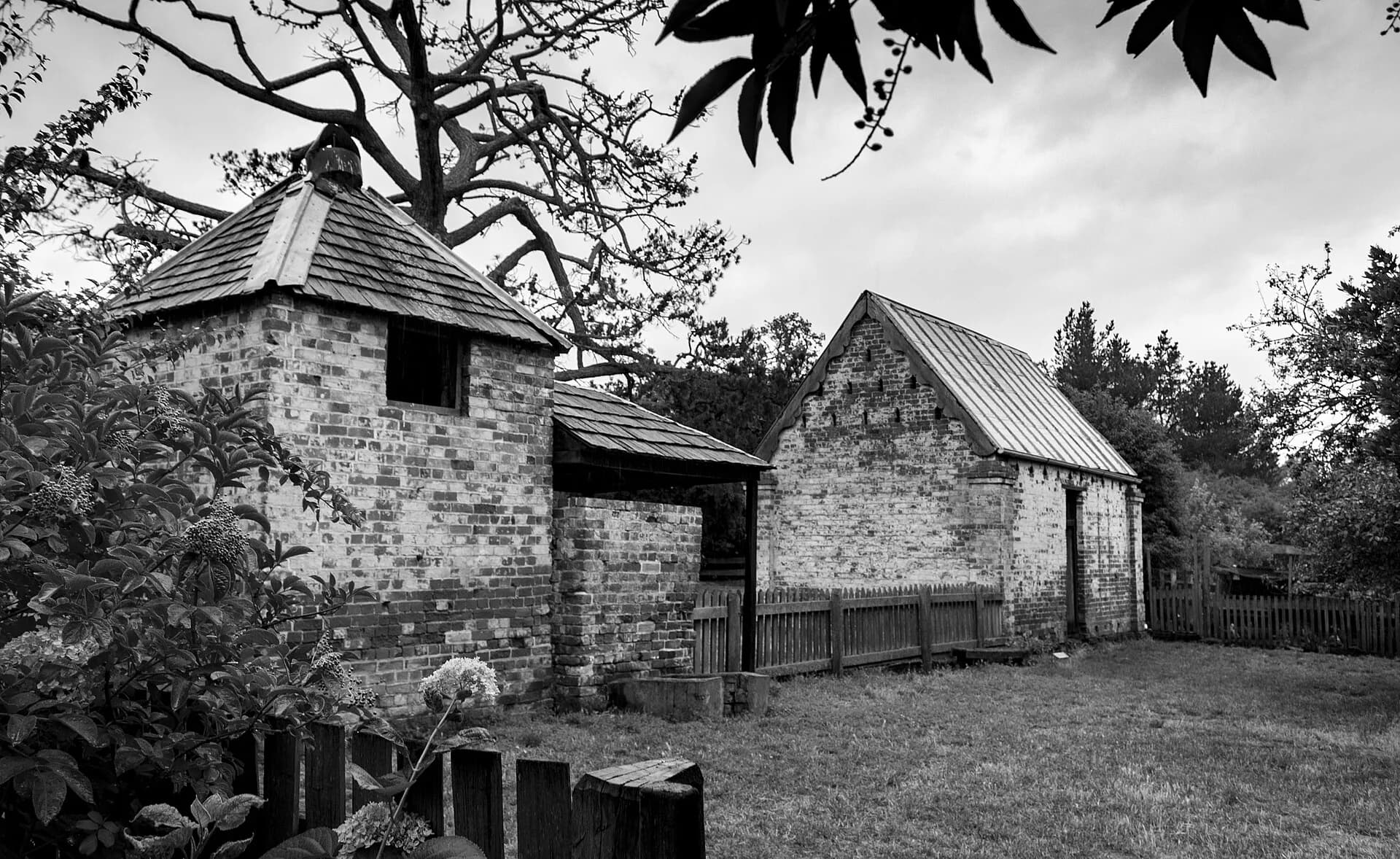
Brickendon and Woolmers near Longford are part of the UNESCO Australian Convict Sites because they retain evidence of assignment on rural estates. Their farm buildings and landscapes show how convict labour operated beyond gaol walls.
.jpg)
Women, children and the female factories
More than 13,000 women were transported to Van Diemen's Land. Many worked in domestic service, while female factories combined prison, labour depot, hiring depot, hospital and nursery functions. Punishment, pregnancy, childbirth and separation from children could occur within the same institution.
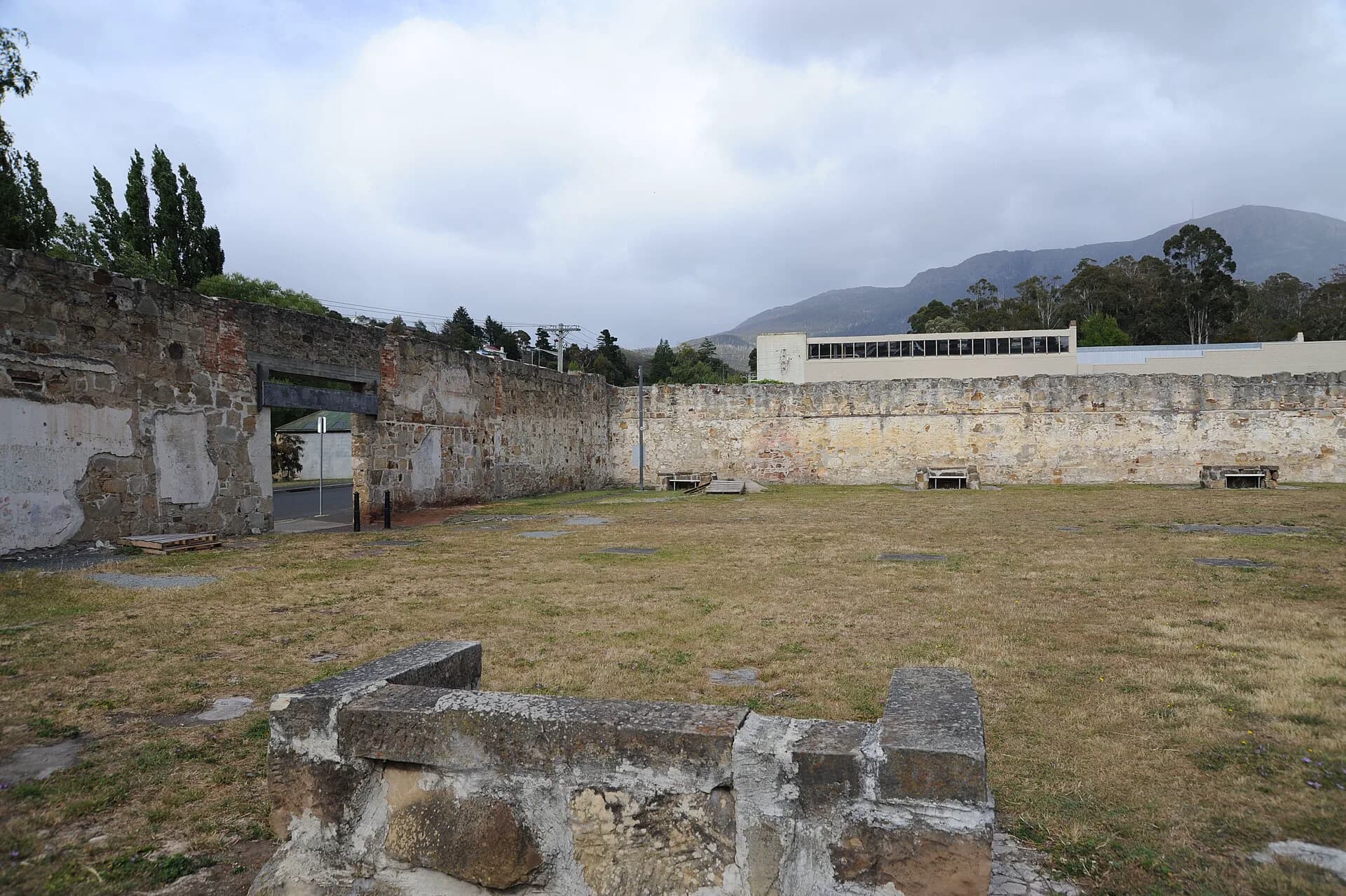
The Cascades Female Factory in South Hobart is one of five Tasmanian places within the Australian Convict Sites World Heritage property. Its surviving yards and archaeology are stark, but the documentary record is equally important. Conduct records, assignment lists and nursery records recover individual lives that older histories often reduced to stereotypes.

Probation and the penal stations
In the 1840s the probation system replaced widespread private assignment for newly arrived men. Convicts passed through stages of labour and surveillance intended to classify conduct and prepare them for controlled employment. Probation stations spread across the island, placing large workforces in remote districts.
Port Arthur became the best-known penal station, but it was one component in a broader network. The Coal Mines on Tasman Peninsula used underground labour. Point Puer confined boys. Darlington on Maria Island served different penal purposes across two periods. The system changed repeatedly, and conditions differed by place, date, work and individual status.
Five Tasmanian World Heritage sites
The Australian Convict Sites property contains eleven places around Australia. Five are in Tasmania:
- Port Arthur Historic Site
- Coal Mines Historic Site
- Cascades Female Factory
- Darlington Probation Station on Maria Island
- Brickendon and Woolmers Estates near Longford
UNESCO recognises the group as outstanding evidence of large-scale convict transportation and colonial expansion through forced labour. World Heritage listing does not mean these are the only important convict places. Local gaols, road stations, bridges, farms and burial grounds form a much wider landscape.
Researching an individual convict
Libraries Tasmania's Names Index is the best starting point. Search results can connect to conduct records, description lists, indents, assignment papers, permissions to marry and other digitised material. Spelling varies, and two people may share a name, so compare ship, age, native place, trade and sentence.
A conduct record is an official document produced by the system controlling the person. It may contain errors and compressed accusations. Read it alongside family records, court material, newspapers and records after sentence. The archive often says more about surveillance than about a person's own voice.
Tasmania's convict records are included in UNESCO's Memory of the World register. Libraries Tasmania provides explanations of abbreviations and record formats, which are essential before drawing conclusions from a few handwritten lines.
Visiting convict places
Choose sites that reveal different parts of the system. Port Arthur explains a major male penal station. Cascades centres the experiences of women and children. Brickendon–Woolmers shows private assignment. Ross and Richmond place punishment and administration within smaller towns. The Heritage Highway links several of these landscapes.
Allow time for interpretation and avoid treating cells, chains or punishment devices as entertainment. These sites hold family histories and experiences of violence, separation and survival. The strongest visits attend to individual lives as well as architecture.