

Port Arthur is both a living Tasman Peninsula locality and an internationally significant historic site. The former penal settlement forms part of the Australian Convict Sites World Heritage property. Its buildings, ruins, archaeology, collections and landscape document forced migration, punishment, labour and institutional control.
Why Port Arthur was established
The station began in 1830 as a timber-producing outpost and developed into a major secondary punishment settlement. Convicts sent there had often been convicted again after transportation to the Australian colonies. The peninsula’s narrow land connection, sheltered harbour, timber and distance from Hobart made it useful to the colonial government.
Port Arthur was not one prison building. It was a large industrial and administrative settlement containing workshops, accommodation, stores, farms, military facilities, a hospital, church and places for punishment. Convict labour produced ships, timber and manufactured goods.
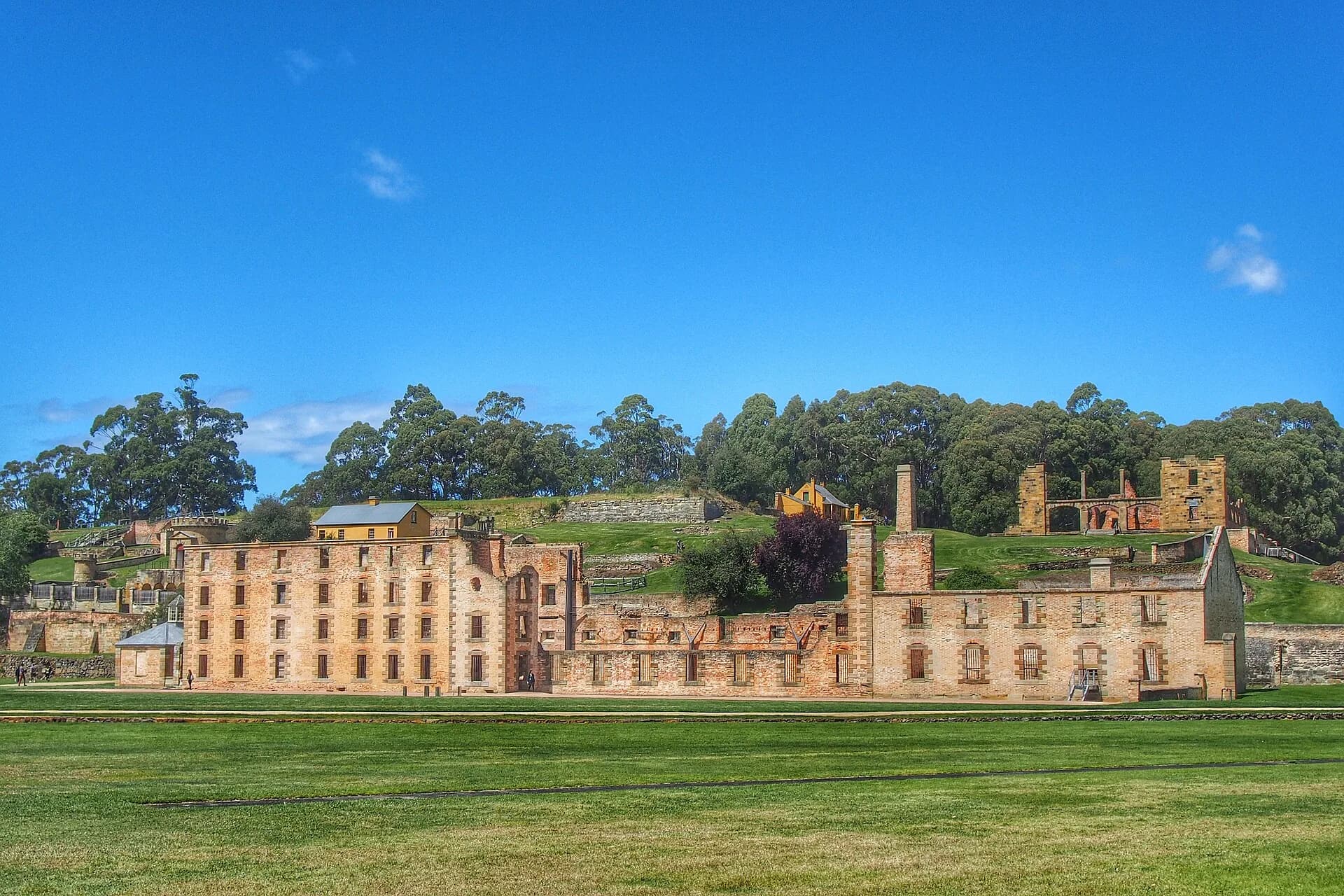

Read the landscape, not only the ruins
The open lawns and water views can make the site appear peaceful, but they are part of an institutional landscape designed around surveillance, controlled movement and labour. Distances between buildings mattered. So did sight lines, access to the harbour and the separation of different groups.
Begin with an orientation tour or introductory interpretation, then return to buildings that match your interests. This avoids treating the site as a collection of picturesque sandstone walls without understanding how the system operated.
The Penitentiary changed purpose
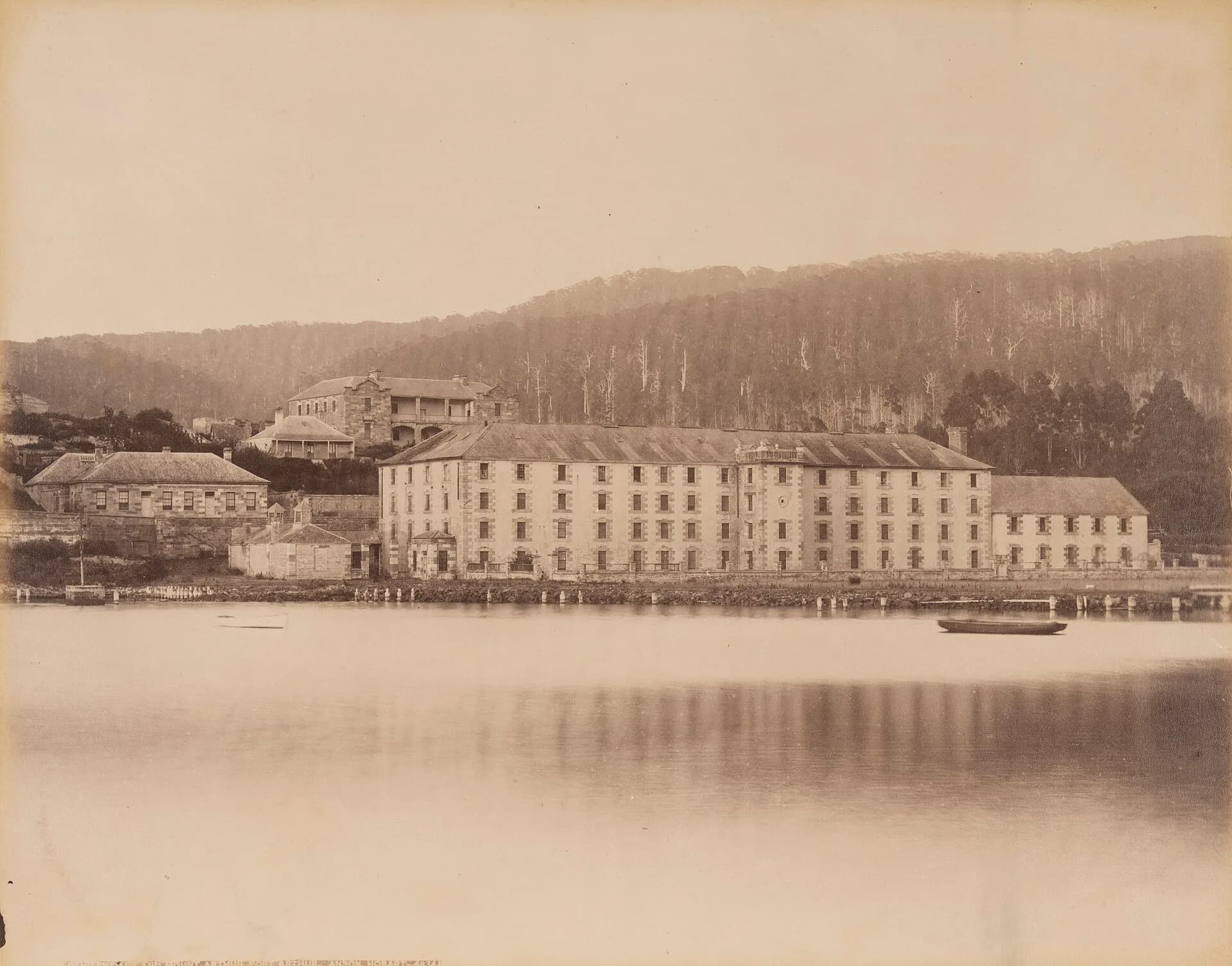
The large Penitentiary beside the harbour first served as a flour mill and granary. It was later converted to convict accommodation. That change is useful because it shows how buildings were adapted as the station’s needs and punishment practices evolved.
Historical photographs and archaeology help trace alterations, fires and later conservation. A ruin is evidence of several periods rather than a frozen picture of one year.

The Separate Prison and psychological control
During the nineteenth century, punishment increasingly emphasised surveillance, isolation and psychological control. The Separate Prison confined men alone and regulated movement, worship and communication. Its design allows visitors to see how architecture enforced a theory of discipline.
Move through the building slowly and read the interpretation. Small architectural details reveal more than a quick passage through cells. The chapel, exercise yards and circulation routes were all part of the system.
People beyond the main male settlement
The Port Arthur story also includes soldiers, civil officers, families, skilled workers and the wider communities connected to the station. The Point Puer boys’ establishment and the Isle of the Dead formed part of the broader landscape, though access arrangements differ from the main site.
The experiences of individuals varied, and surviving records are uneven. Use museum displays and official research resources to connect institutional structures with documented lives without inventing details that the evidence cannot support.

After the penal settlement closed
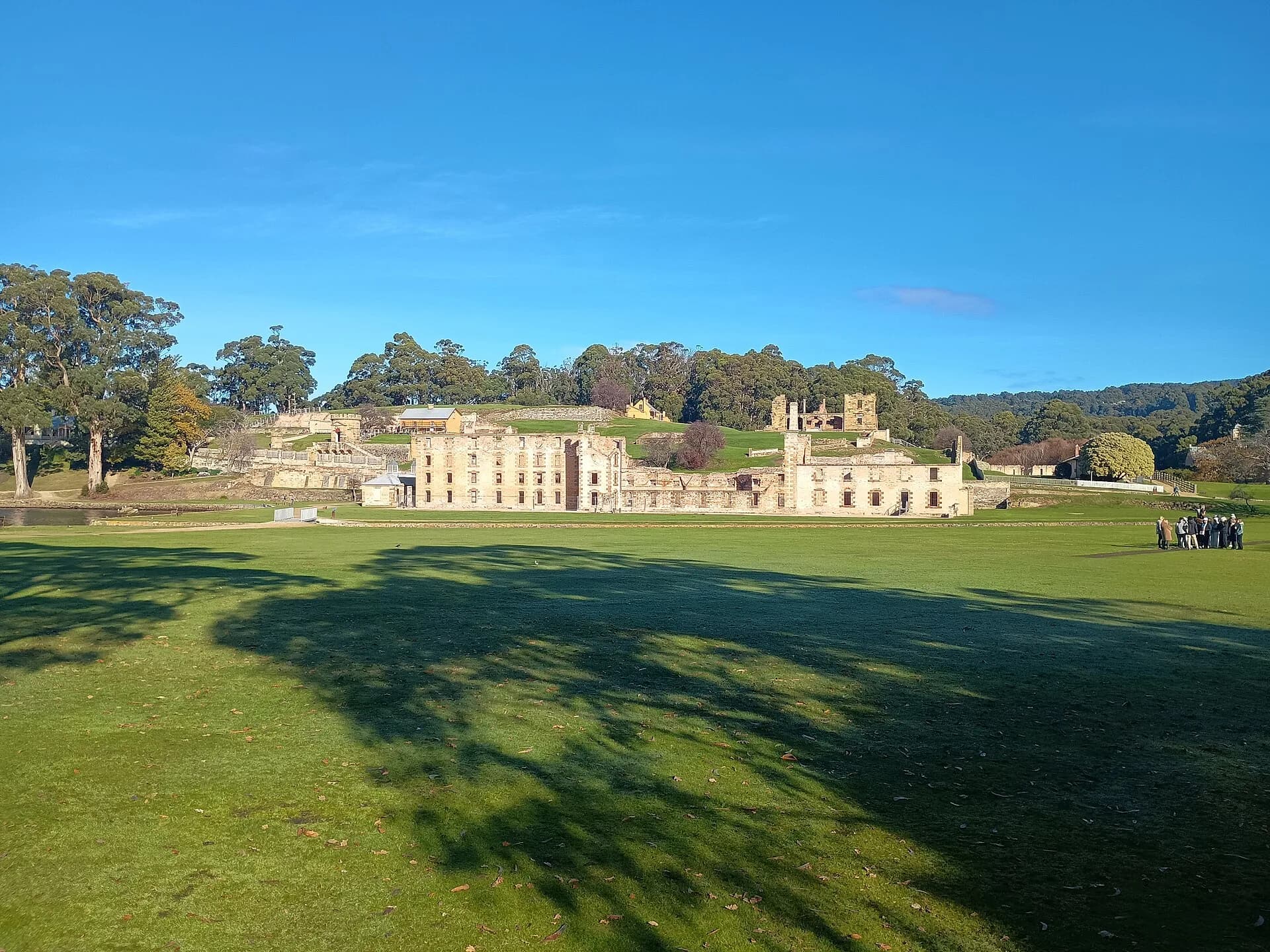
The penal station closed in 1877. Buildings were sold, adapted or damaged by fire, and the township was renamed Carnarvon for a period. Residents lived and worked among former institutional structures while visitors increasingly came to see the ruins.
Conservation and interpretation developed over many decades. Decisions about rebuilding, stabilising and presenting ruins are themselves part of the site’s history. The place seen today reflects both nineteenth-century institutions and later community, tourism and heritage work.
The memorial garden
The site holds the memory of the mass shooting on 28 April 1996. The memorial garden is a place for quiet reflection. Approach it with care, avoid intrusive behaviour and follow the tone set by the site.
Planning enough time
The historic site is extensive. Allow at least half a day, and preferably a full day if you want to examine buildings, museum displays and the landscape without rushing. Current admission, tours, accessibility and opening hours should be checked with the Port Arthur Historic Site before travel.
Wear comfortable shoes and carry weather protection. Exposed lawns, uneven surfaces and distances between buildings make conditions important. Do not climb on ruins or cross barriers. Archaeological deposits and fragile fabric can be damaged by apparently minor actions.
Getting there and staying nearby
Port Arthur is reached by road through the Tasman Peninsula. The drive from Hobart deserves realistic time, especially if stopping at Eaglehawk Neck or coastal viewpoints. Wildlife and winding sections require care, particularly late in the day.
Staying on the peninsula turns Port Arthur into part of a broader landscape rather than a rushed out-and-back trip. It also makes room for weather changes and a longer site visit.
Beyond the main site
Port Arthur makes more sense within the wider Tasman Peninsula. The Coal Mines Historic Site, Eaglehawk Neck, former outstations, roads and coastal geography formed part of the same system of confinement and communication.
The Tasmanian convict sites guide places Port Arthur within the eleven-site World Heritage property. Reading across those places reveals different forms of labour, punishment, administration and experience that one site cannot represent alone.