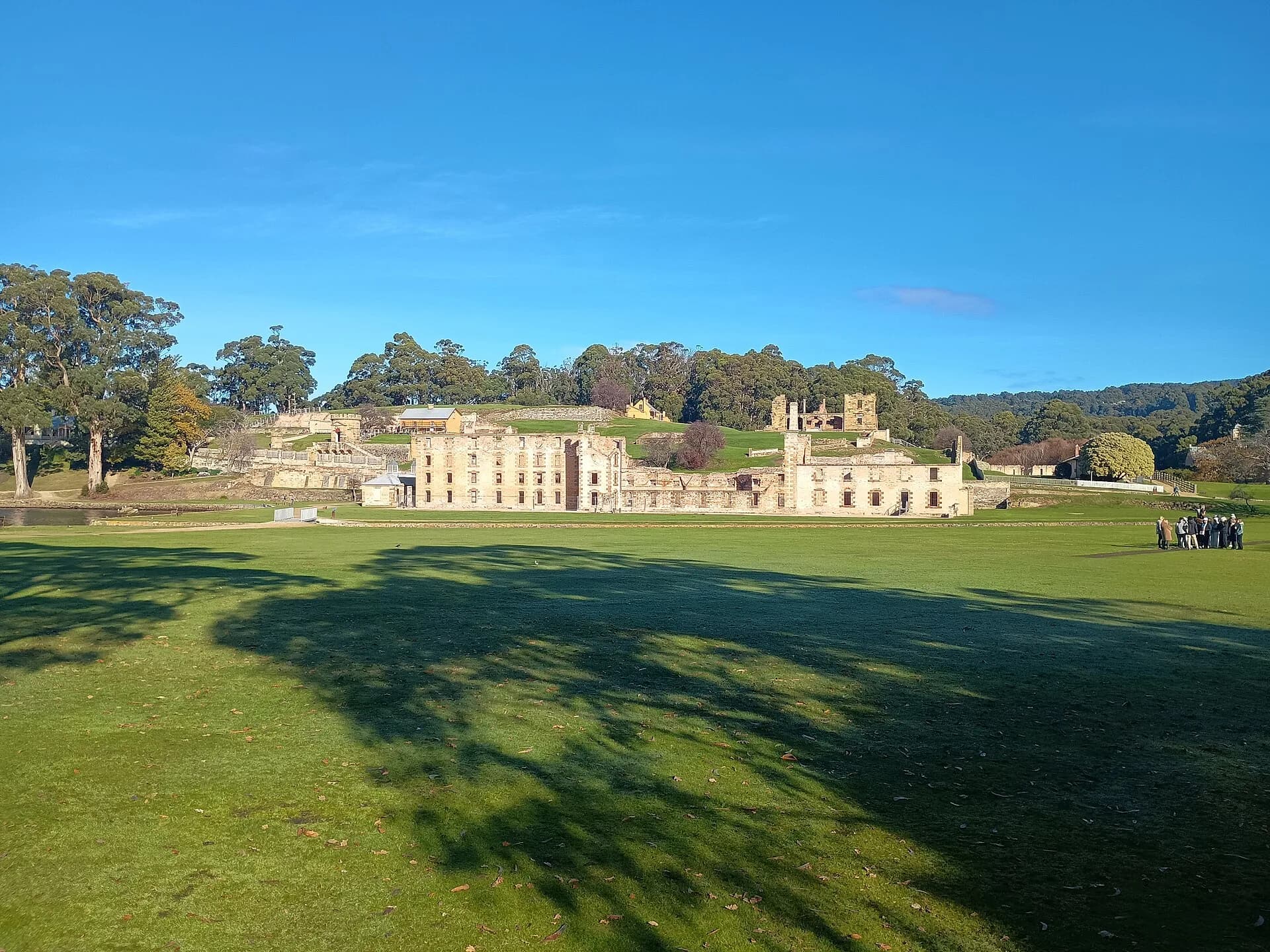

Tasmania’s convict history is spread across prisons, work sites, farms, roads and private buildings. Five Tasmanian components belong to the Australian Convict Sites World Heritage property, but many other places help explain how transportation shaped the colony.
Five World Heritage components
Port Arthur and the Coal Mines Historic Site show punishment, labour and industry on the Tasman Peninsula. The Cascades Female Factory records the confinement and labour of transported women. Darlington on Maria Island preserves a probation station. Brickendon and Woolmers near Longford demonstrate assigned labour on private farms.
These are five Tasmanian parts of one serial World Heritage property. They should not be described as the only important convict places in the state.
Different parts of one system
The system changed over time. Assignment placed people in government and private labour. Penal stations punished secondary offences. Probation attempted classification and staged labour. Female factories combined punishment, work, pregnancy and child-care functions under severe conditions.

Other places to read
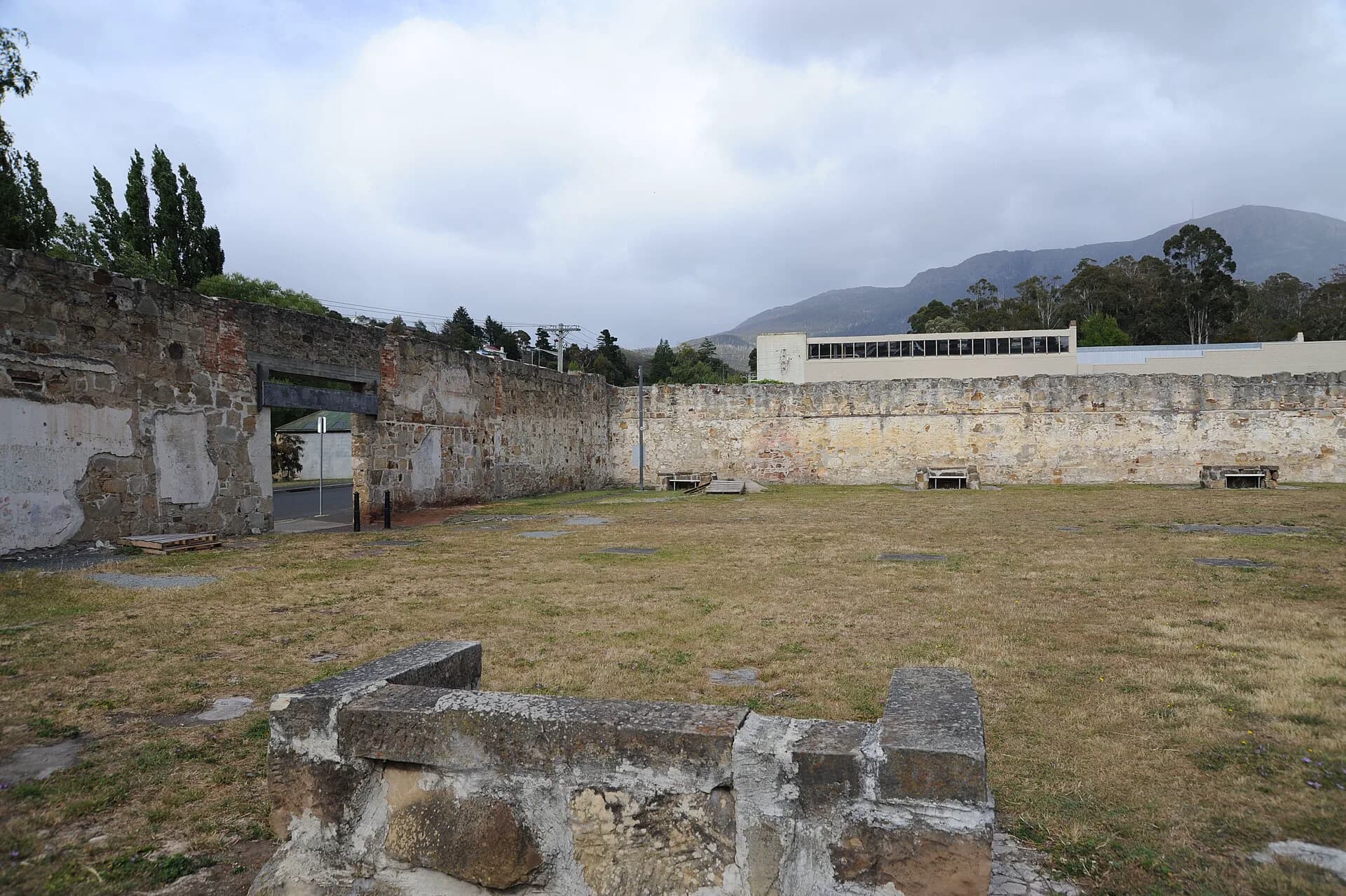
Richmond Gaol, Ross Female Factory, Sarah Island, road stations, bridges and urban work sites extend the story. Surviving fabric varies. A ruined wall, archaeological site or altered building can carry evidence that a reconstructed display cannot.

Planning respectful visits
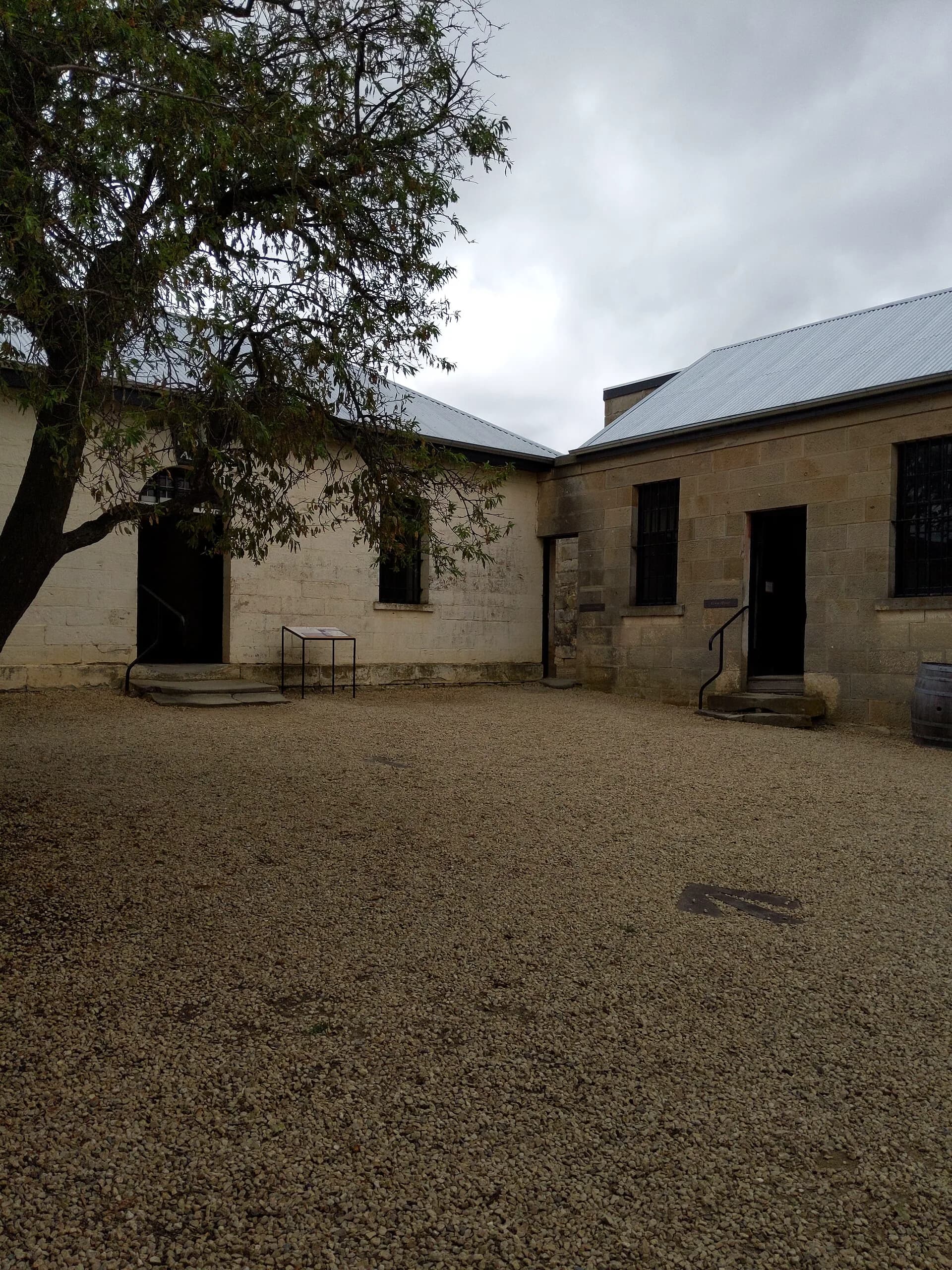
Check each site’s official hours, access and ticket arrangements. Port Arthur and Cascades have substantial visitor operations; Coal Mines and remote sites require more self-sufficiency. Maria Island needs a ferry booking and park pass.
The convict history overview explains the system before a route is chosen. Do not reduce transported people to colourful criminals or repeat unverified escape stories. Site interpretation, convict records and current scholarship provide a stronger basis.