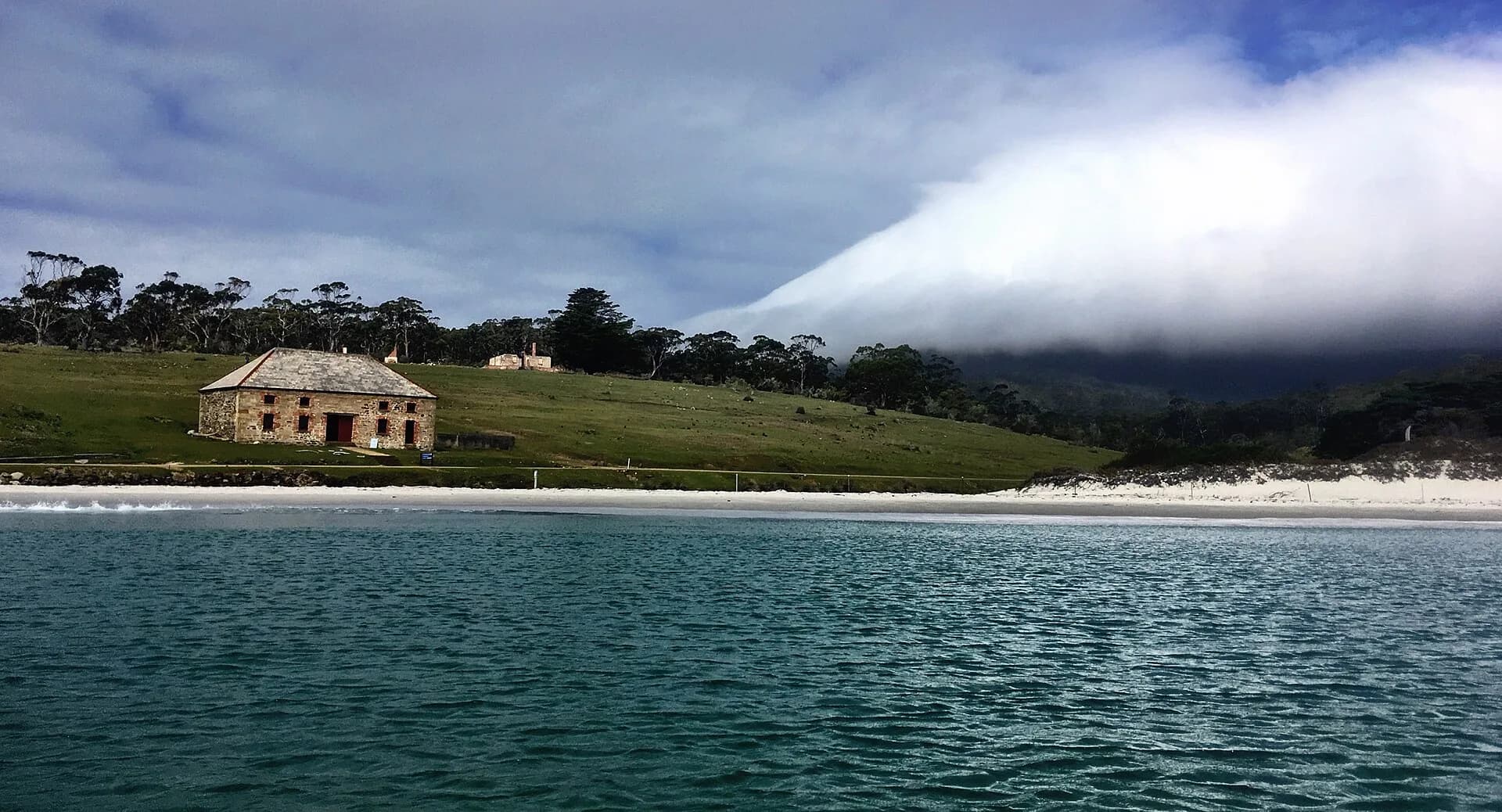

wukaluwikiwayna / Maria Island lies off Tasmania’s East Coast and is reached by passenger ferry from Triabunna. There are no visitor cars, shops or cafés on the island, so timing and self-sufficiency determine what is realistic.
Book the crossing first
Ferry bookings are essential. Check in at the Maria Island Gateway and carry everything needed for the day or overnight stay. A parks pass is also required. Ferry times set a hard return deadline for day visitors.
Darlington
Darlington is the arrival point and the most intact surviving convict probation station in Australia. It forms part of the Australian Convict Sites World Heritage property. Buildings, ruins and museum displays also introduce later farming and industrial periods.
The island is part of Oyster Bay nation Country. Parks Tasmania identifies the Puthikwilayti people with Maria Island and records continuing Aboriginal connection.
Choose one walking direction
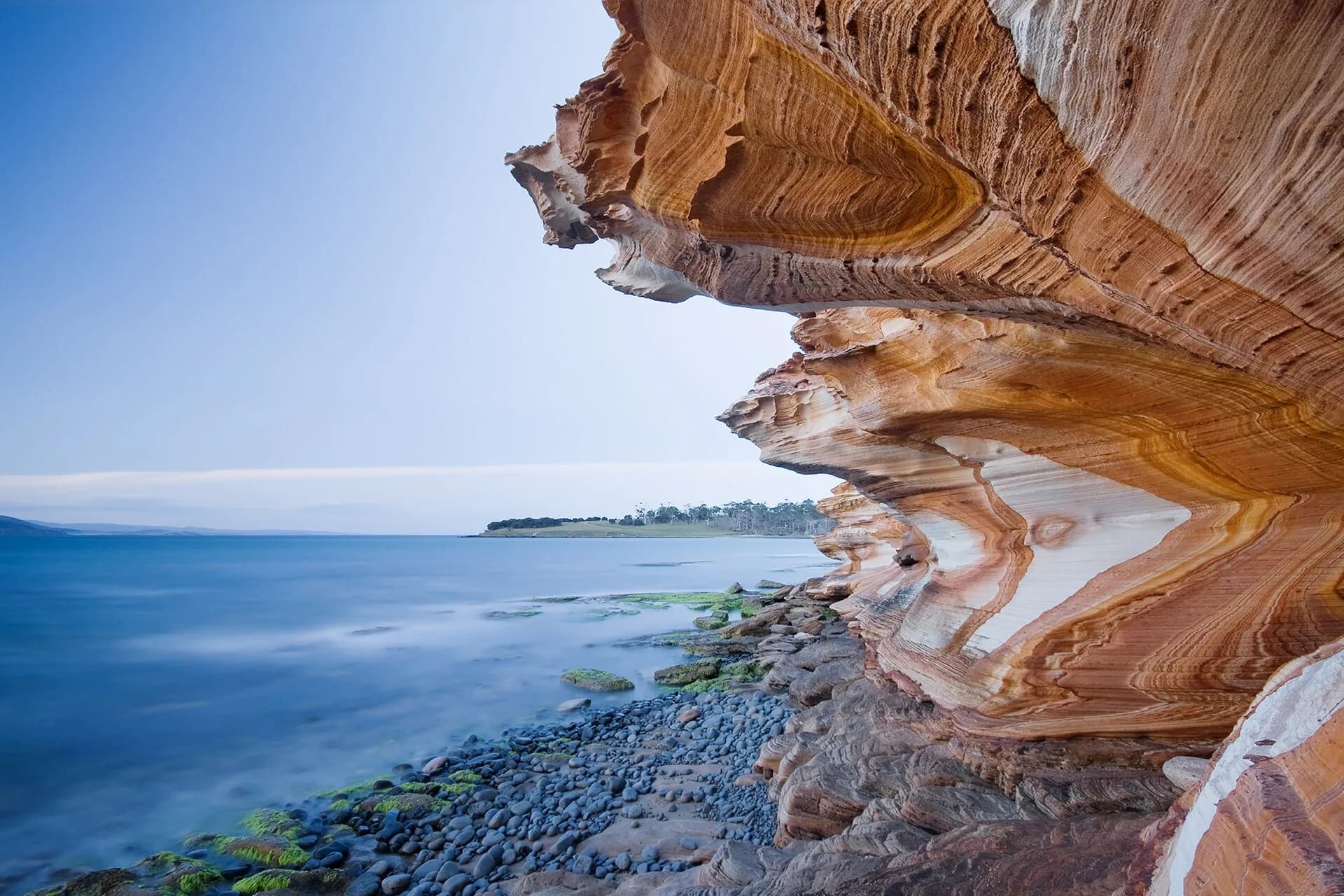
Painted Cliffs is safest around low tide and cannot be approached from above. Fossil Cliffs follows a different route north of Darlington. Longer walks to Bishop and Clerk, Mount Maria or the southern island require time, fitness and suitable weather.

Cycling extends range, but hired bikes are limited and walking or riding times must include stops and the return to the ferry.
Wildlife without interference
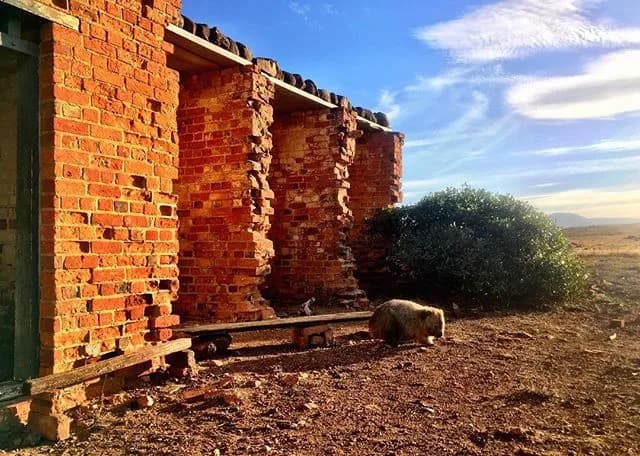
Wombats, kangaroos, Cape Barren geese and other wildlife are often seen near Darlington. Keep distance, never feed animals and do not block their path. Close photographs do not justify surrounding or touching an animal.

Carry what you need
Bring food, a full water bottle, sun protection, warm waterproof layers, first aid and a way to carry rubbish out. Available island water requires treatment. Conditions can be windy and cold even when Triabunna feels settled.
One day suits Darlington and one short route. Stay overnight for longer walks or a slower visit. The East Coast guide helps integrate the ferry with Orford, Triabunna and Freycinet travel.