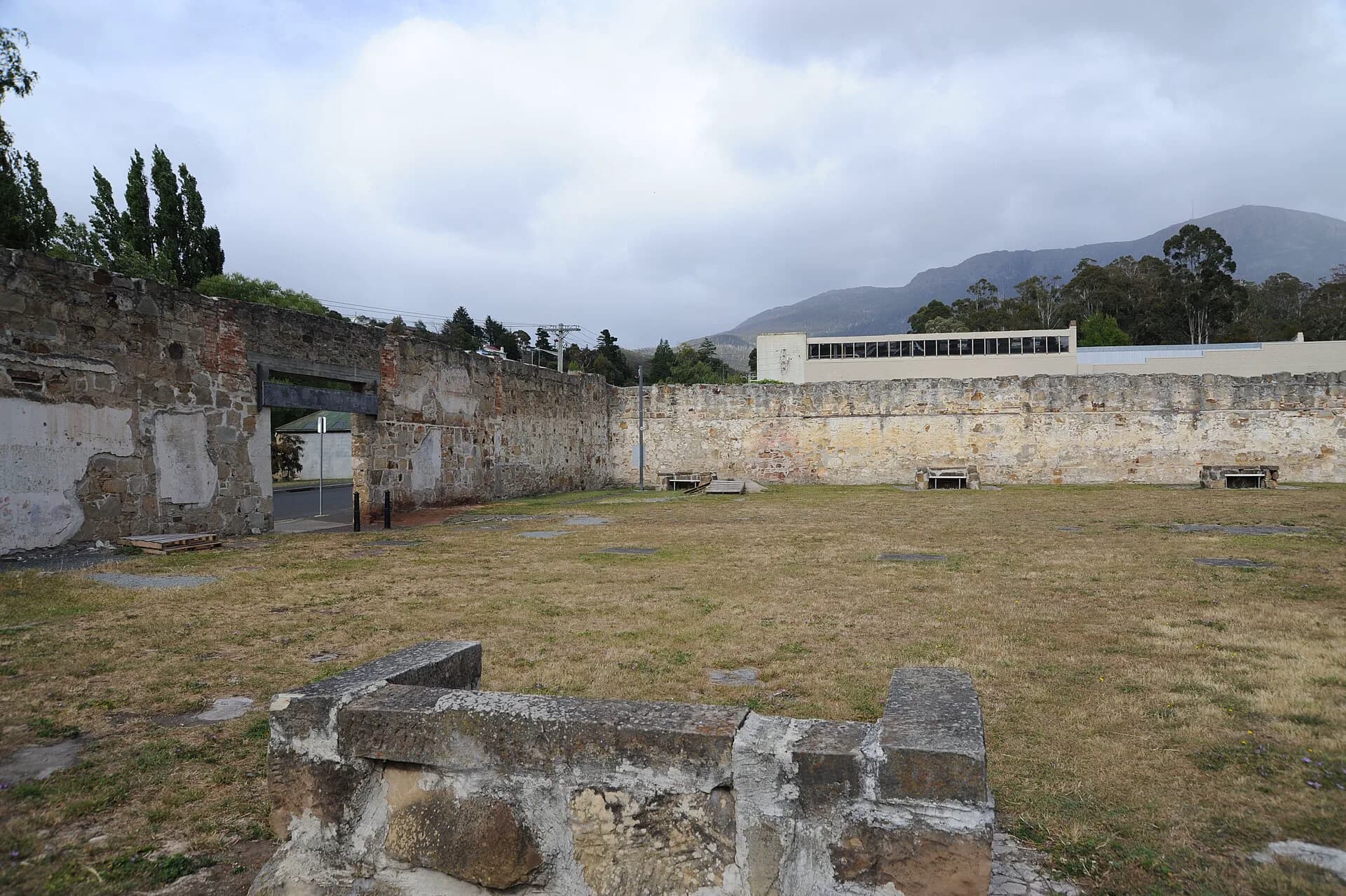

The Cascades Female Factory confined transported women and children in South Hobart. Its surviving yards and walls are physically spare, so interpretation and individual records are essential to understanding the institution.
From distillery to factory
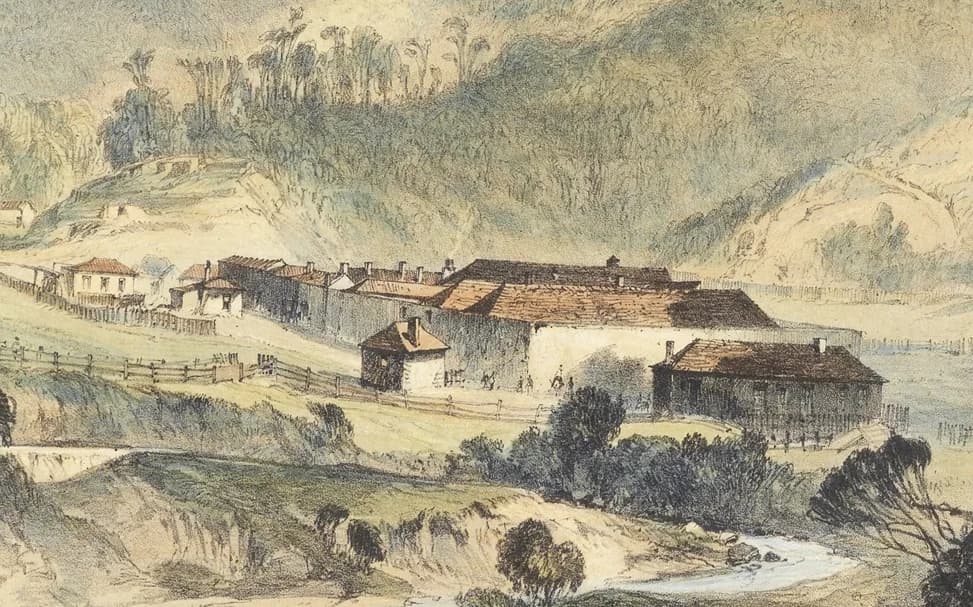
The colonial government bought a former distillery in 1827. The first women were transferred to the converted site in December 1828. Its position below kunanyi / Mount Wellington was damp, cold and deliberately removed from the centre of town.

Work, punishment and daily life
Women were classified, punished and assigned to labour. Laundry and needlework helped offset institutional costs. Pregnancy, childbirth and the separation of mothers and children were also part of the factory system.
The term “factory” described a workhouse and place of confinement, not simply a manufacturing site. Overcrowding, poor sanitation and disease affected inmates and children.
World Heritage significance
Cascades is one component of the Australian Convict Sites World Heritage property. It contributes evidence about female transportation and the use of penal institutions to control labour and behaviour across the British Empire.
Visiting the site
The site is in Degraves Street. Official admission currently includes a guided tour and audio experience, but prices, sessions and opening hours should be checked before travel. Some surfaces are uneven and much of the visit is outdoors.
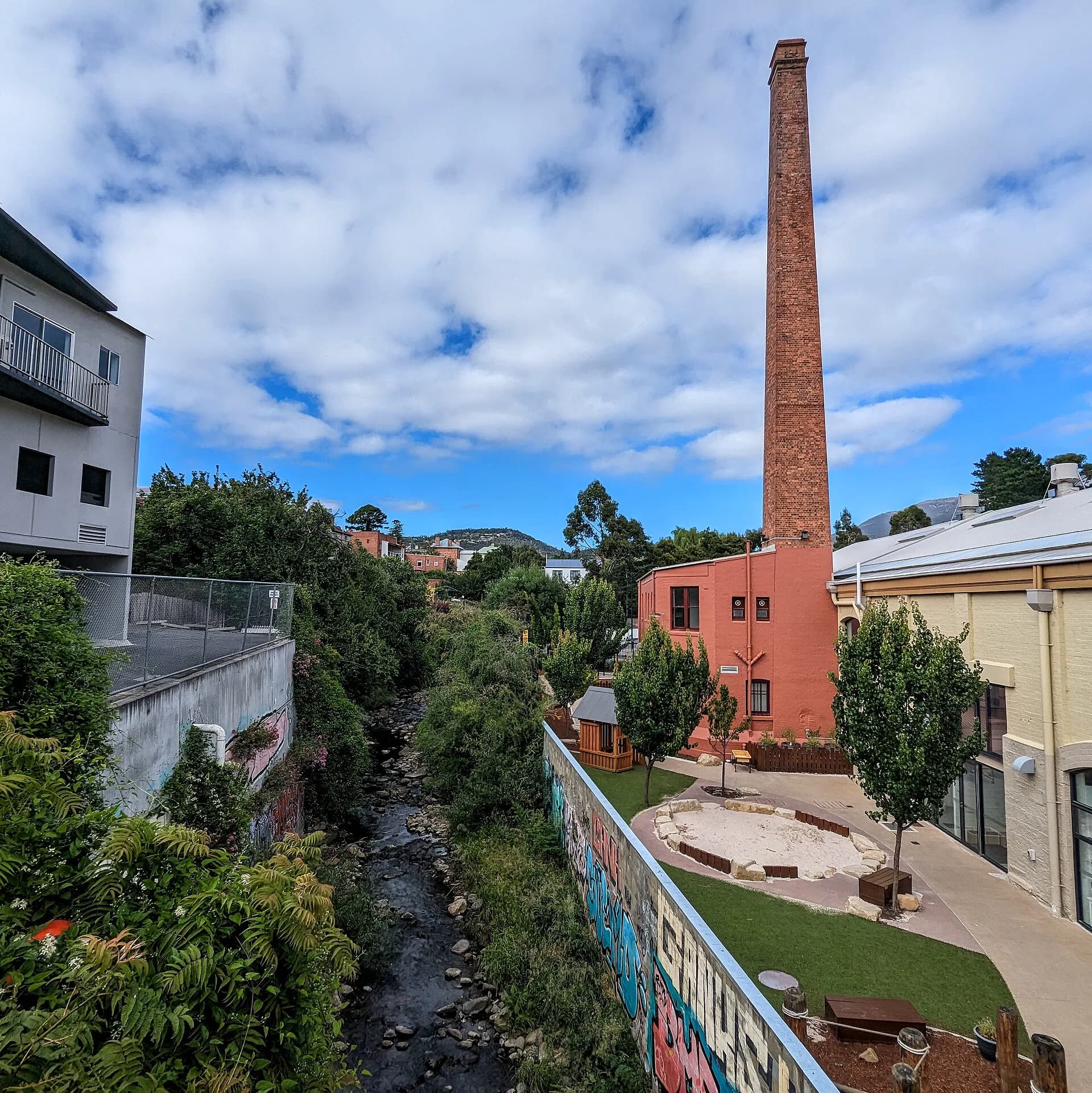

The Hobart Rivulet walking route provides a direct connection from central Hobart. The Hobart rivulets guide adds industrial and environmental context, while the convict sites guide places Cascades within the statewide system.
Avoid treating the women’s records as entertainment. Names, offences and punishments need context, and descendants may have strong connections to these histories.