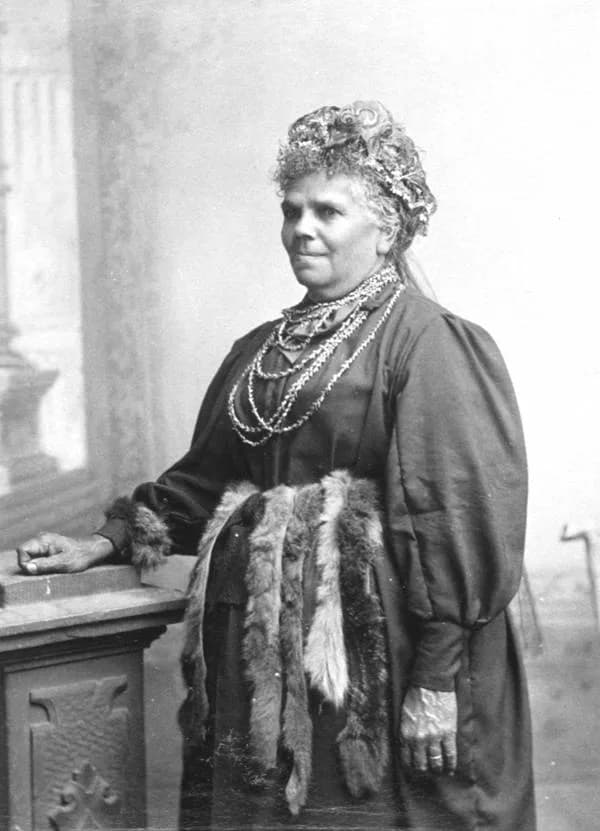

Tasmania’s history is made from many lives, but the surviving archive does not represent them equally. Government records are dense around officials and convicted people, while Aboriginal knowledge, women’s work and community life were often ignored, misnamed or filtered through colonial observers.
Aboriginal survival and cultural continuity
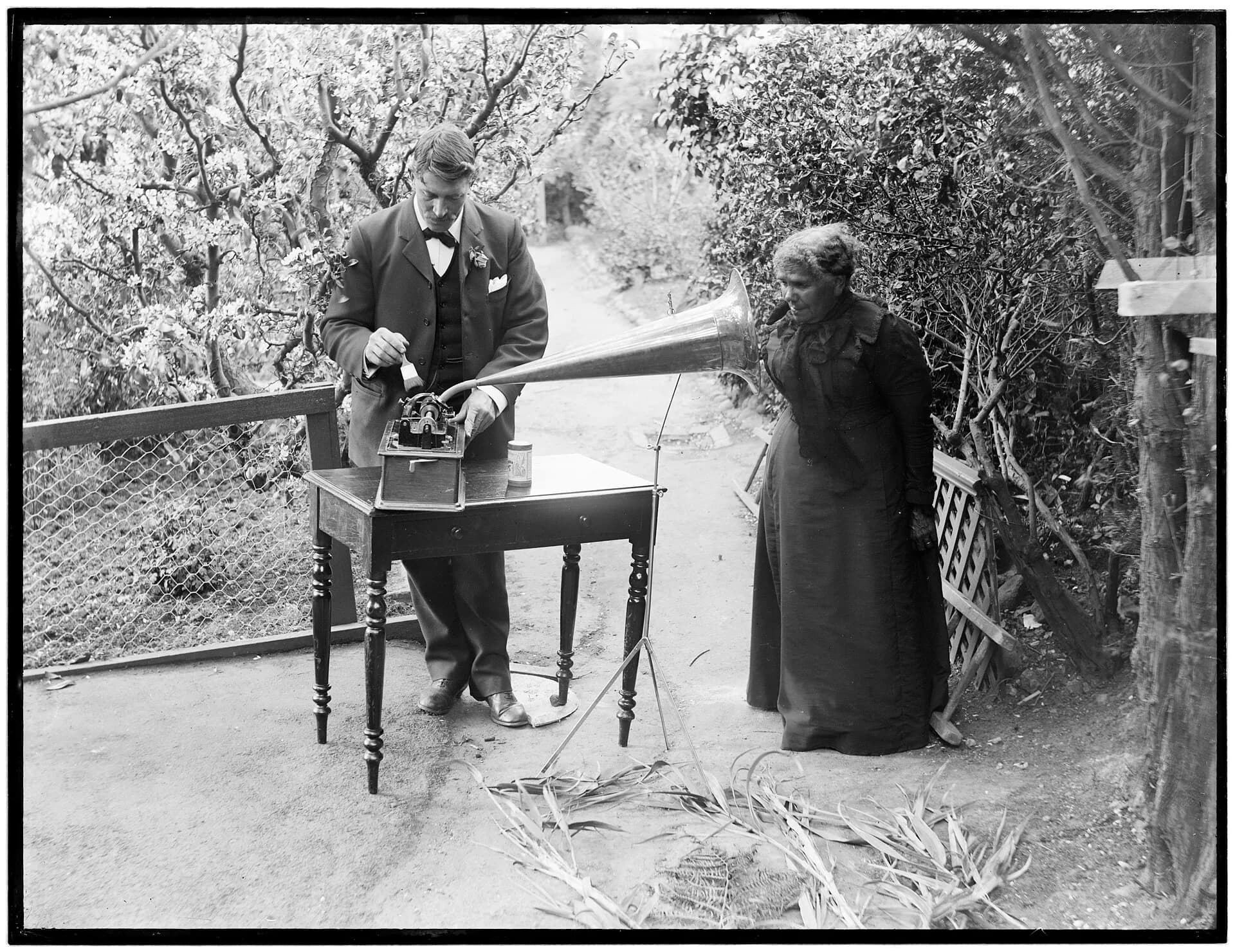
Fanny Cochrane Smith should be understood as a Palawa cultural leader and matriarch, not reduced to an outdated “last Tasmanian” story. Her recorded voice remains culturally significant and connected to living descendants and language work.
.jpg)
Designers of colonial infrastructure
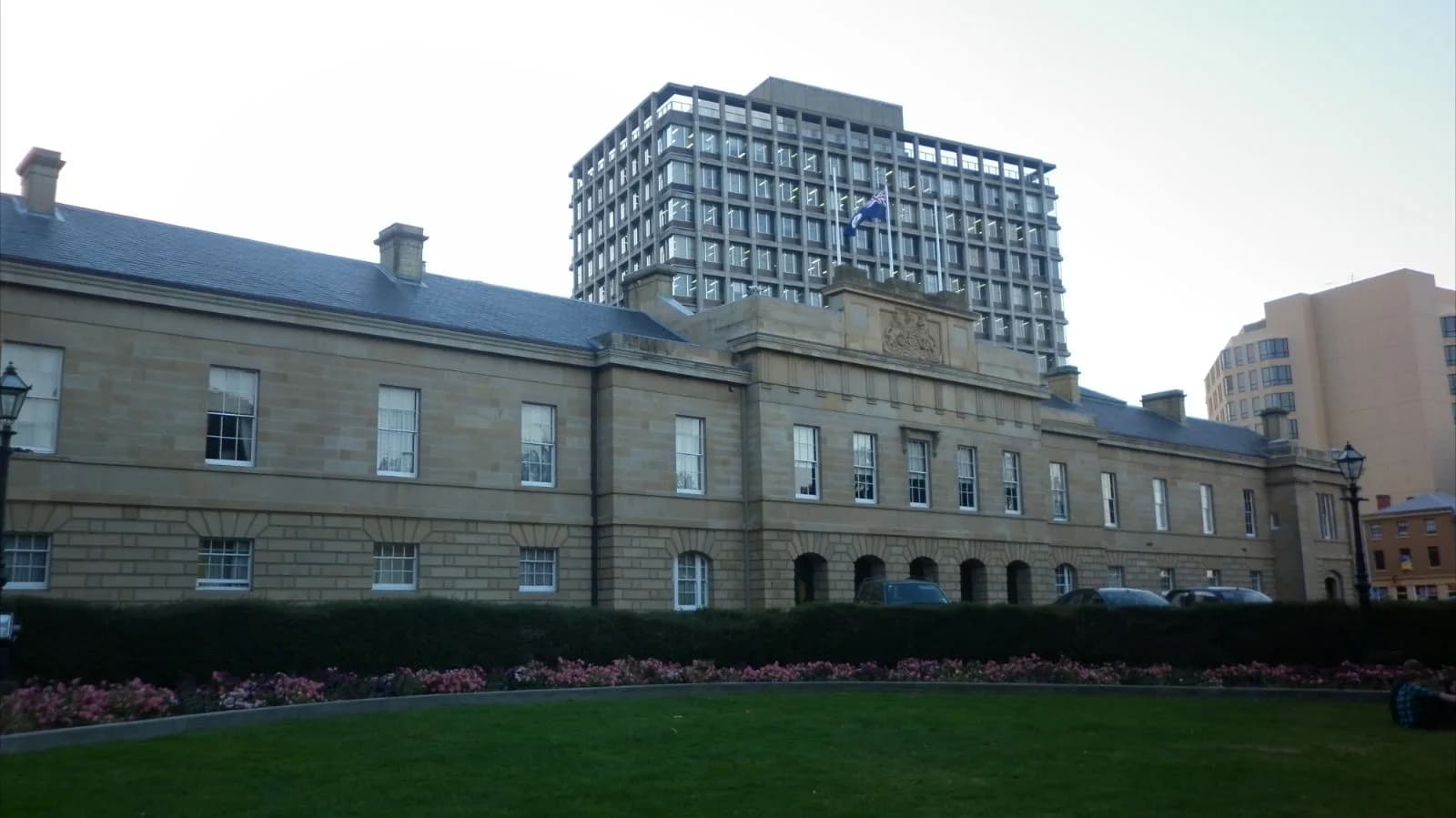
John Lee Archer, James Blackburn, Henry Hunter and William Hartley Wilson shaped buildings, roads and bridges. Their biographies also require attention to convict labour, government power and uncertain attribution.

Convicts and bushranger legends
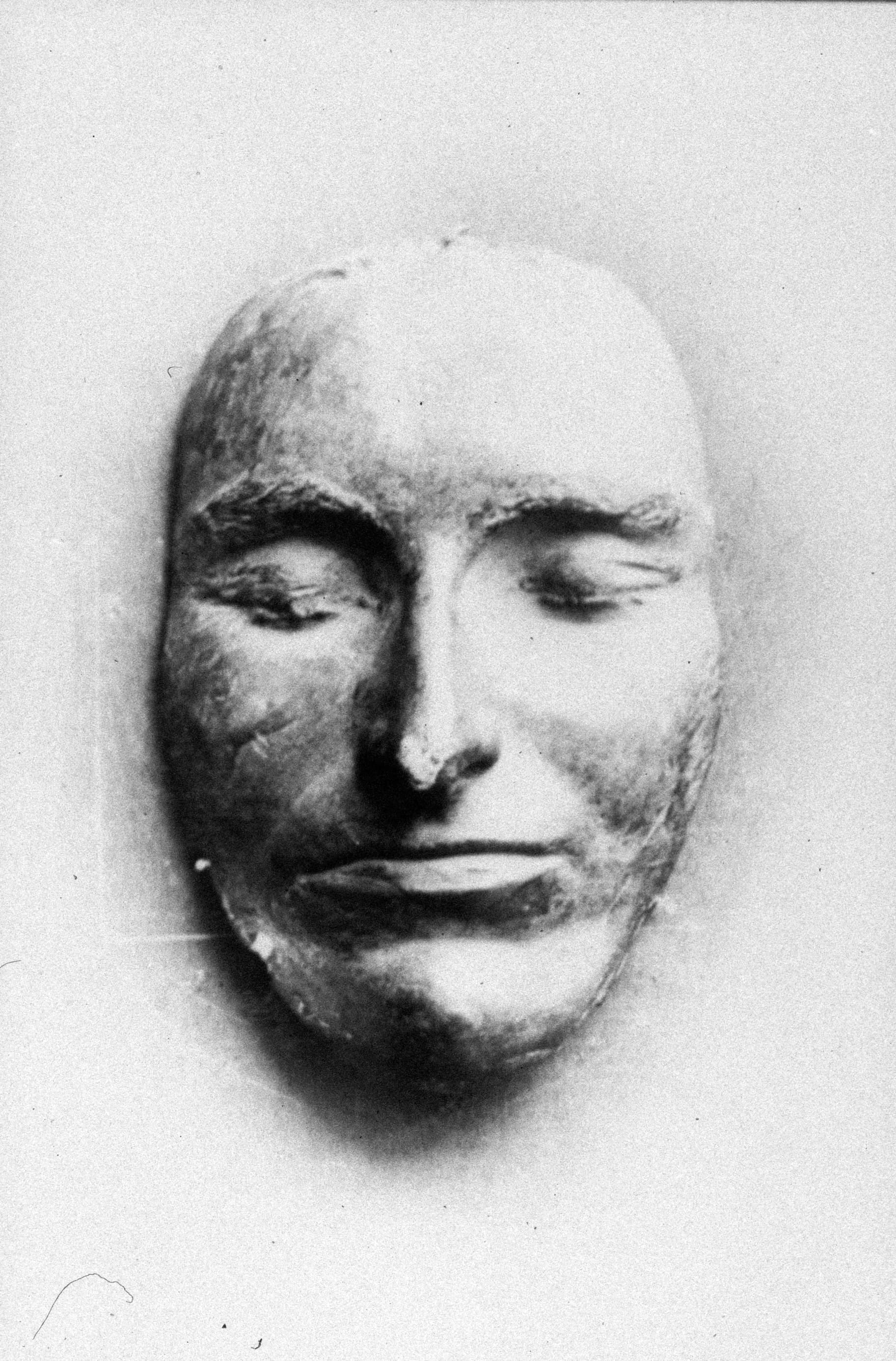
Matthew Brady, William Westwood and William Driscoll, known as Dido survive in both records and folklore. Conduct records, court reports and contemporary newspapers can correct romantic retellings without pretending official documents are neutral.

Use the history of Tasmania to place individual biographies within Aboriginal Country, colonisation, migration, work and political change.