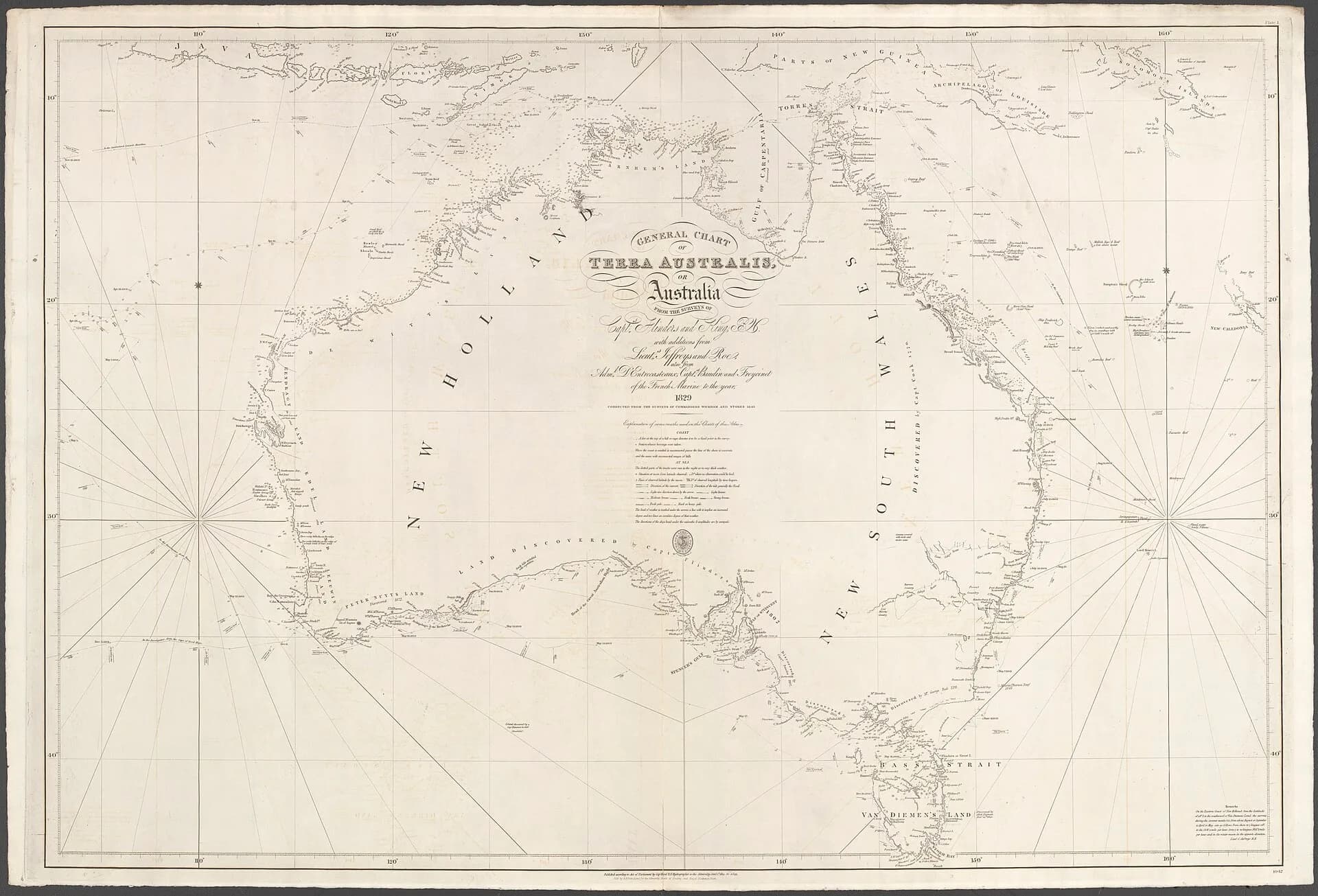

Tasmanian history does not begin with a European ship. Aboriginal people have lived on lutruwita for tens of thousands of years, developing distinct nations, languages, law and relationships with Country through major environmental change.
Invasion and survival
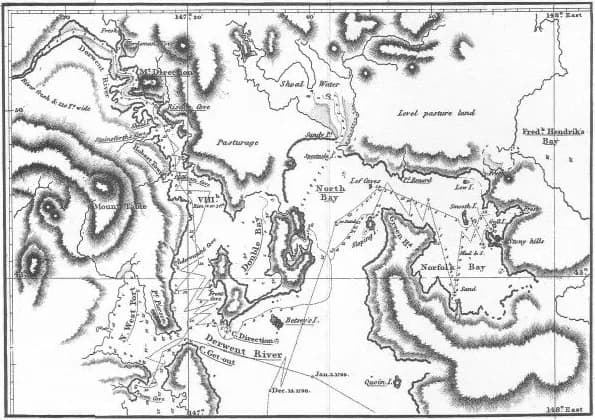
British settlements began in 1803 and 1804. Land seizure, introduced disease and frontier violence devastated Aboriginal communities. Removal to islands in Bass Strait did not end Aboriginal identity, family or resistance. Tasmanian Aboriginal cultures remain living cultures.
.png)
Convicts, free settlers and institutions
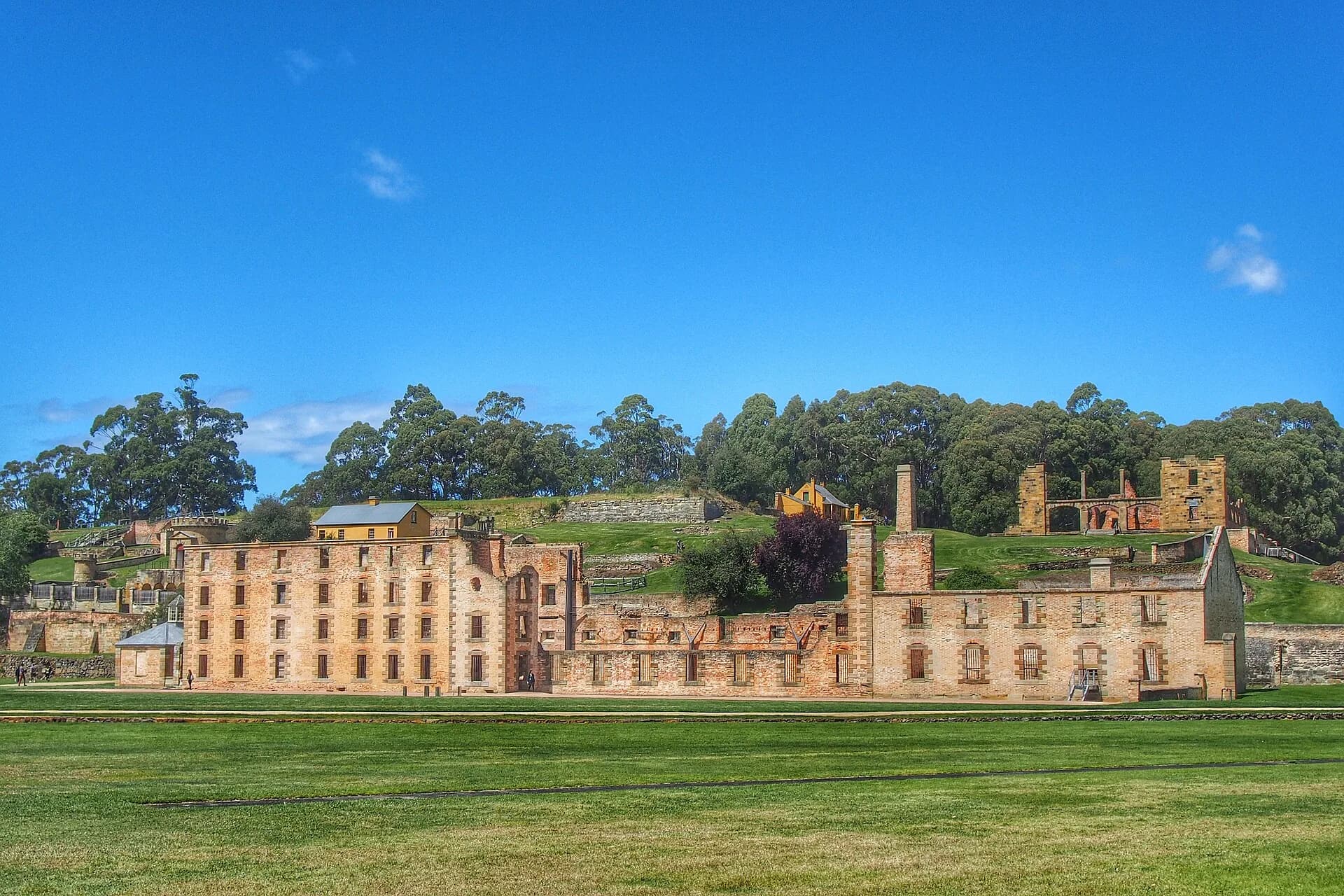
Transportation supplied coerced labour for government and private expansion. Penal stations, assignment and probation shaped roads, farms and towns. Free migration, whaling, sealing and commerce built new wealth while extending dispossession.

Work, resources and political change
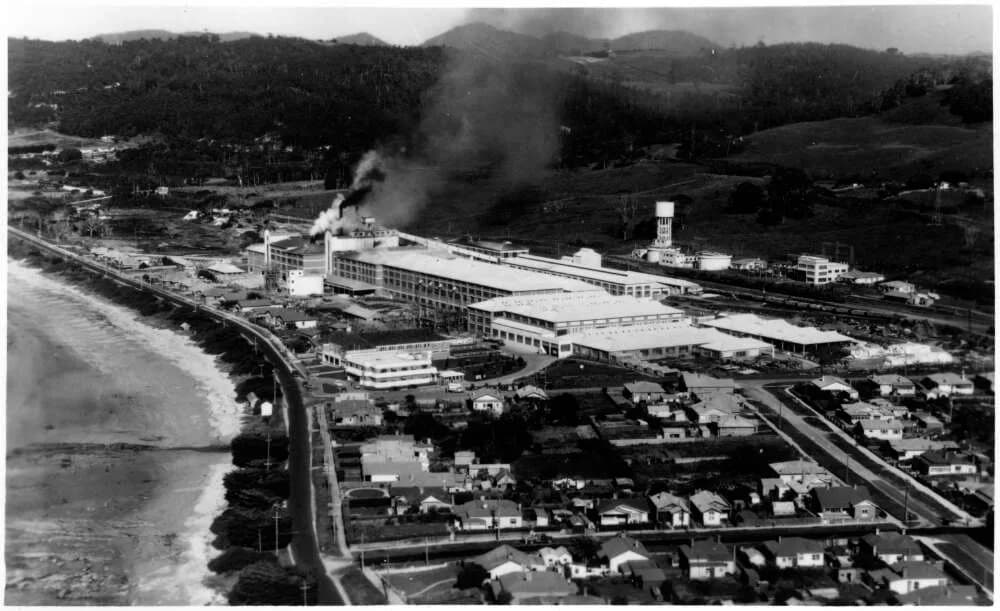
Mining, farming, forestry, hydro-electricity and manufacturing reshaped landscapes and communities. Federation, labour organisation, environmental campaigns and new migration changed public life through the twentieth century.
_%E2%80%93_Winter%27s_Snappy_Service.jpg)
This page is a map into deeper topics, not a single complete narrative. Start with Aboriginal cultural landscapes, the convict sites guide, railway history or the place-name guide.