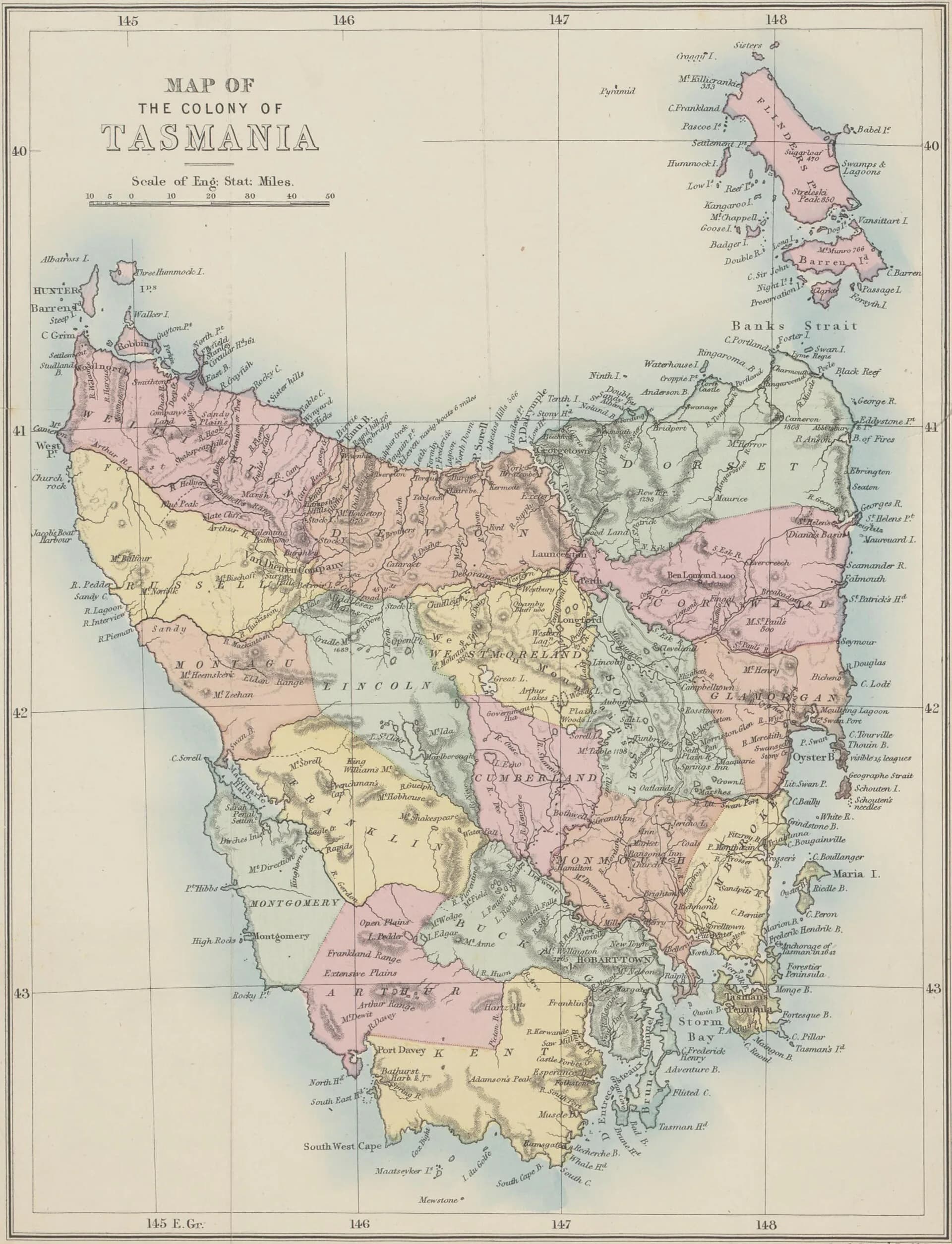

Tasmania’s map records overlapping naming systems. Aboriginal names describe Country and cultural relationships; European navigators, officials and settlers imposed other names; later communities changed spellings, restored names or adopted dual names.
Start with the official register
Placenames Tasmania is the authoritative current register. It records approved spellings and locations, but an official label alone does not explain every historical association.
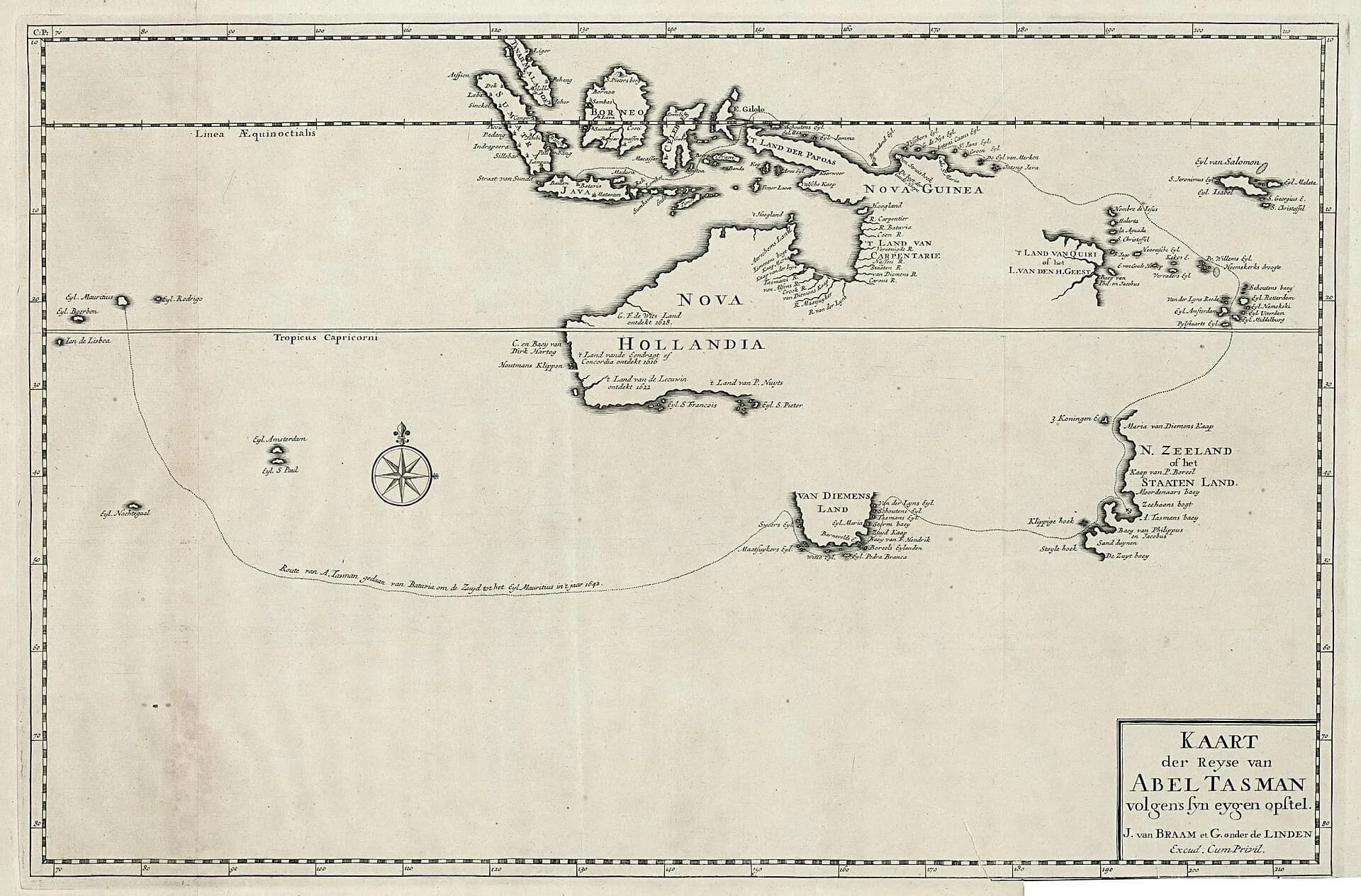

Treat Aboriginal names with care
Language evidence varies by place and source. Use Tasmanian Aboriginal organisations and official dual-naming records, and avoid inventing translations or presenting uncertain nineteenth-century transcriptions as settled fact.
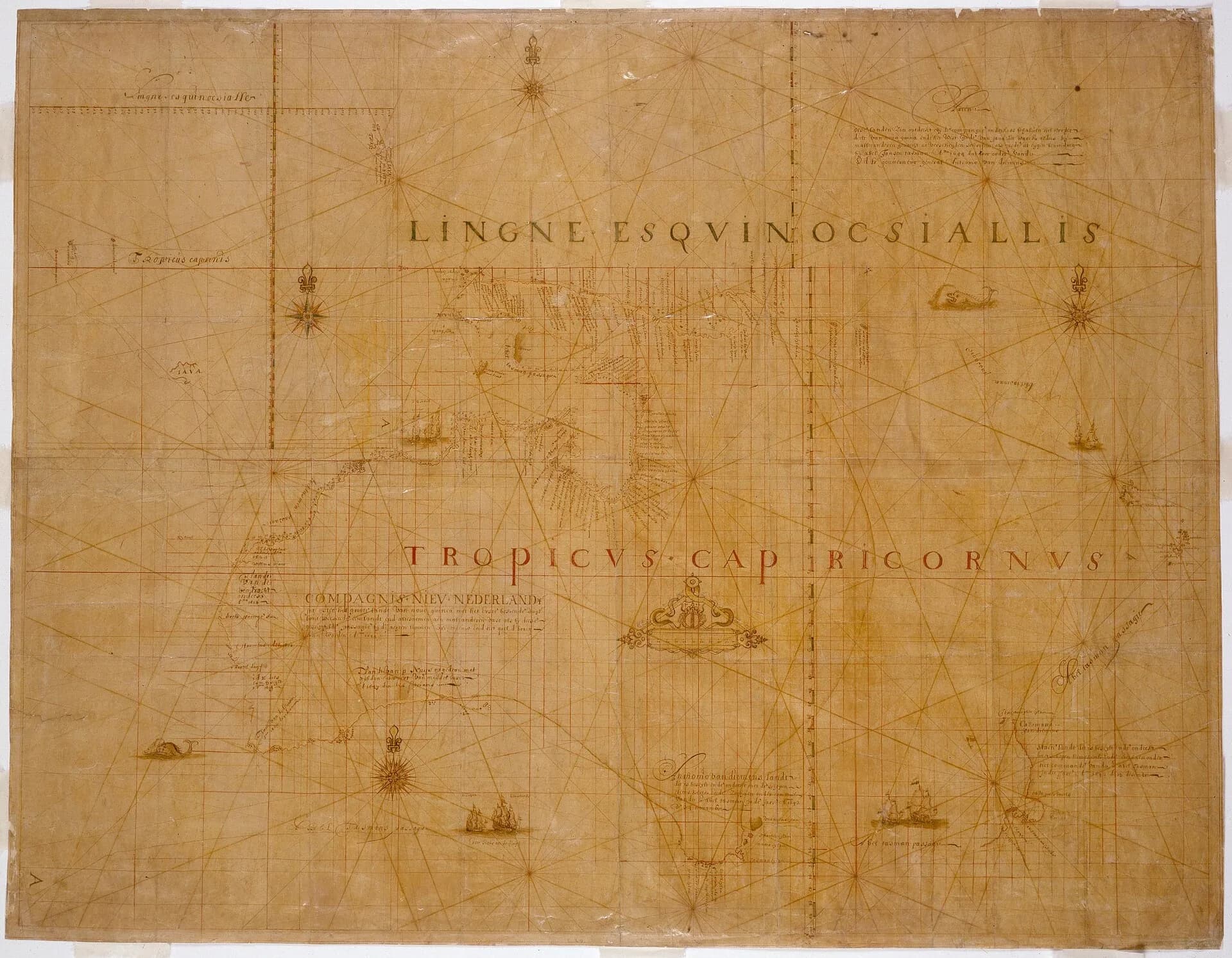

Follow the evidence behind a name
Maps, survey plans, newspapers and government records can show when a label appeared and changed. Similar names may commemorate different people, and familiar origin stories sometimes lack primary evidence.
Explore focused guides to town and city names, coastal names and Launceston names.