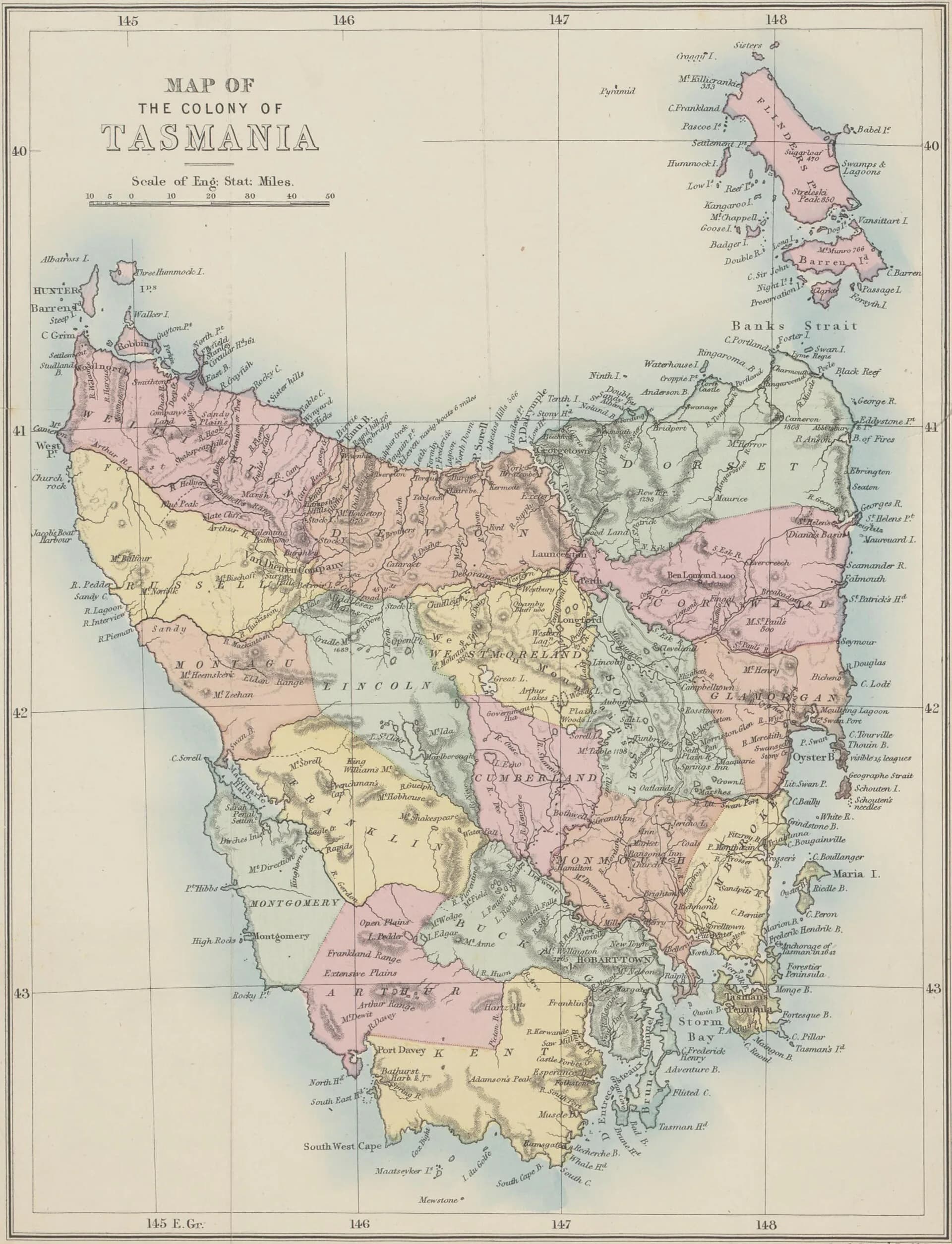

Tasmania’s town names come from many periods. Some retain Aboriginal words in altered spellings, some commemorate British officials or places, and others replaced earlier colonial labels. A trustworthy origin needs more than a familiar story.
Start with the official register
Placenames Tasmania records official, historic, superseded and commonly used names. Confirm the exact feature first. A locality, town, road and river can share a word while having different boundaries or naming decisions.
Names that changed
Libraries Tasmania identifies major changes including Morven to Evandale, Green Ponds to Kempton, Norfolk Plains to Longford and Penghana to Queenstown. Port Arthur was known officially as Carnarvon for a period, while older district labels could survive in speech after government usage changed.
Aboriginal names and colonial recording
Aboriginal place names express relationships with Country that predate towns. Colonial recorders often heard, spelt and applied words inconsistently. Modern dual naming is a formal process and should be reproduced in its approved form.
A word described as “Aboriginal” in an old book may have been assigned to the wrong feature or filtered through several spellings. Community-led language sources and official naming decisions carry more weight than unsourced tourist signs.
Commemoration and power
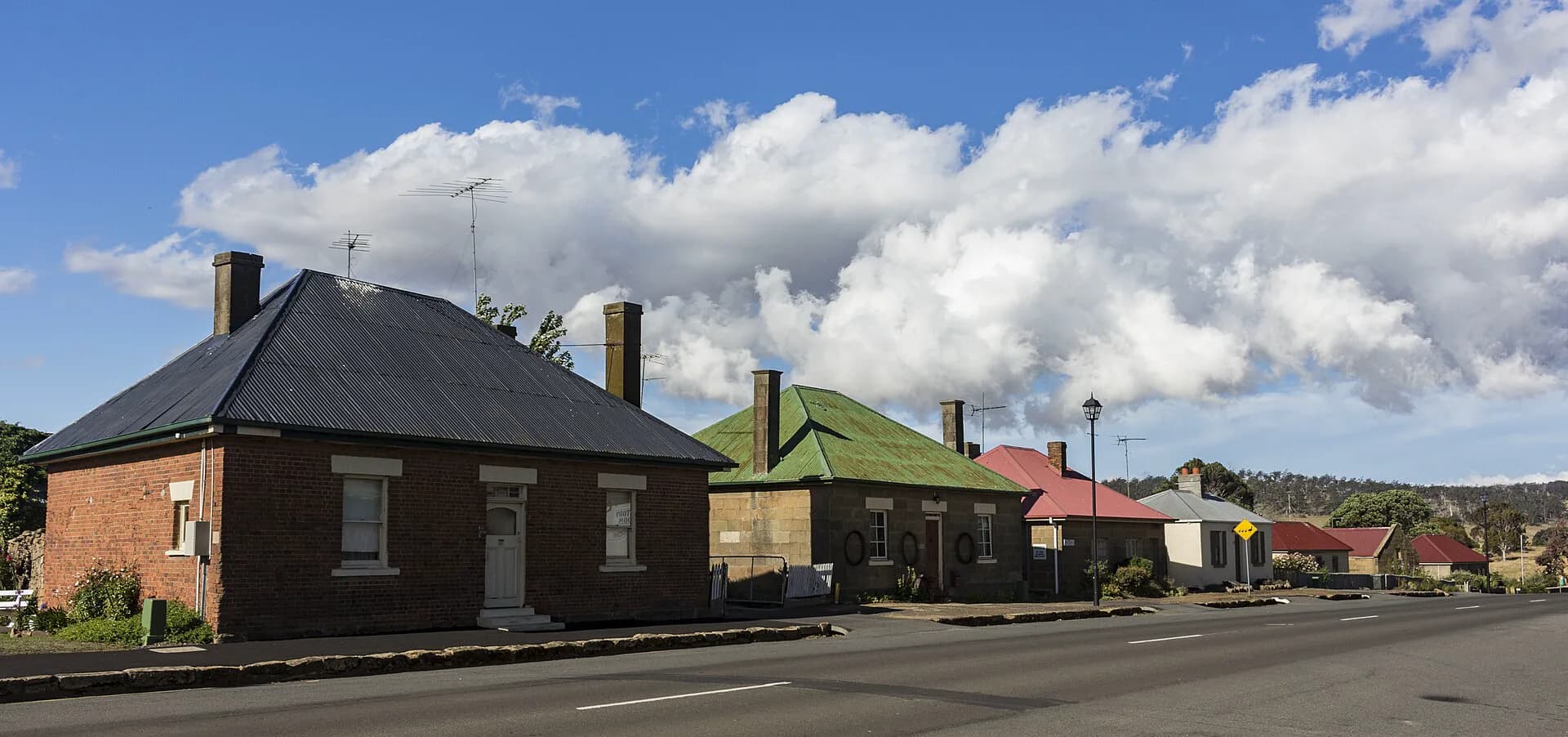
Many introduced names honour governors, officials, landholders, British towns or ships. Those choices reveal who held authority to name maps and settlements. They do not erase earlier Aboriginal knowledge or later community use.
.jpg)
A practical research method
Search the current register, then compare the earliest survey plans, gazette notices, maps, newspapers and local records. Record uncertainty when several people share a surname or when the first explanation appears long after the name.
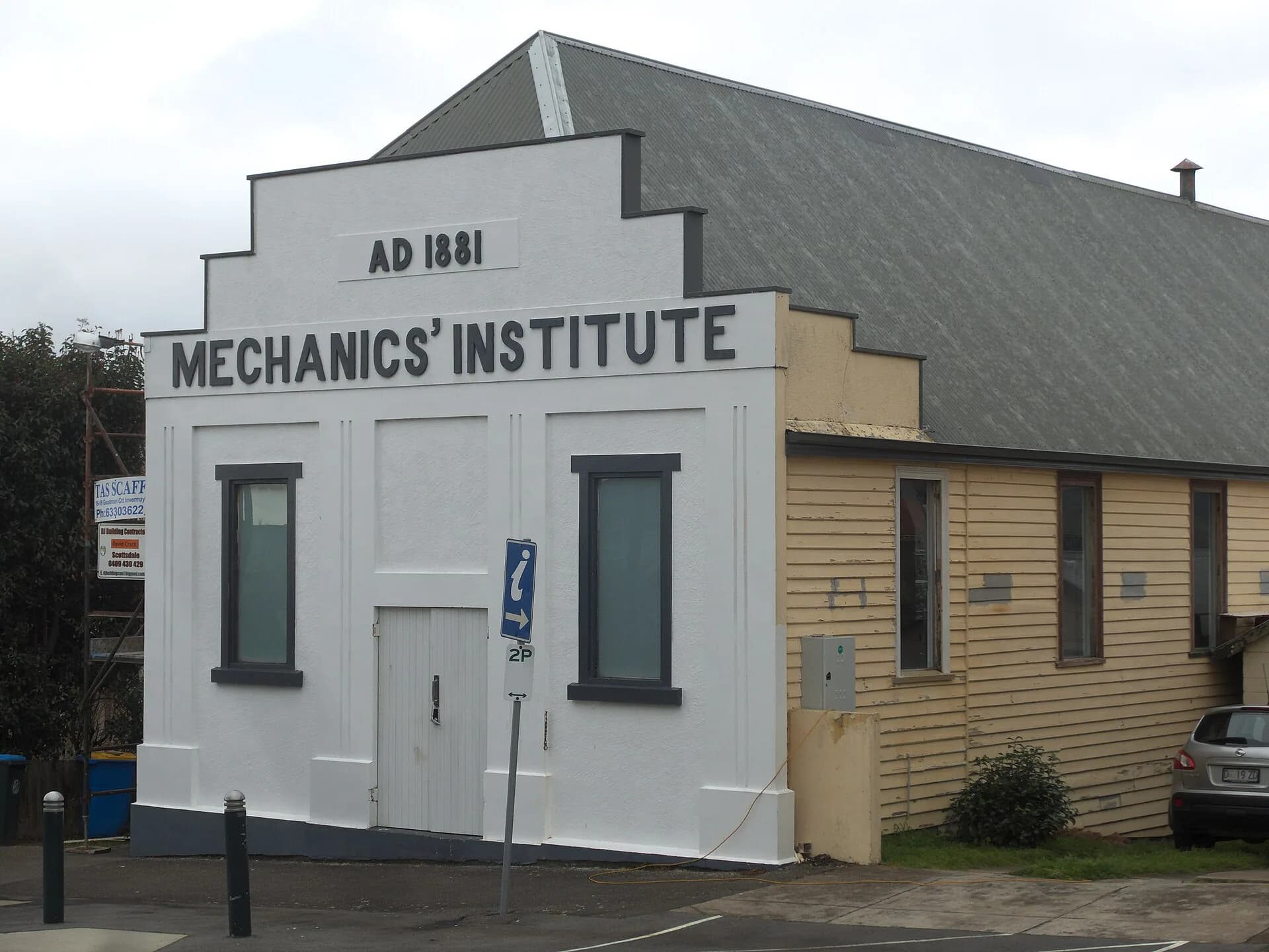

The Hobart street-name guide, Launceston name guide and north-west place names apply this method in more detail.