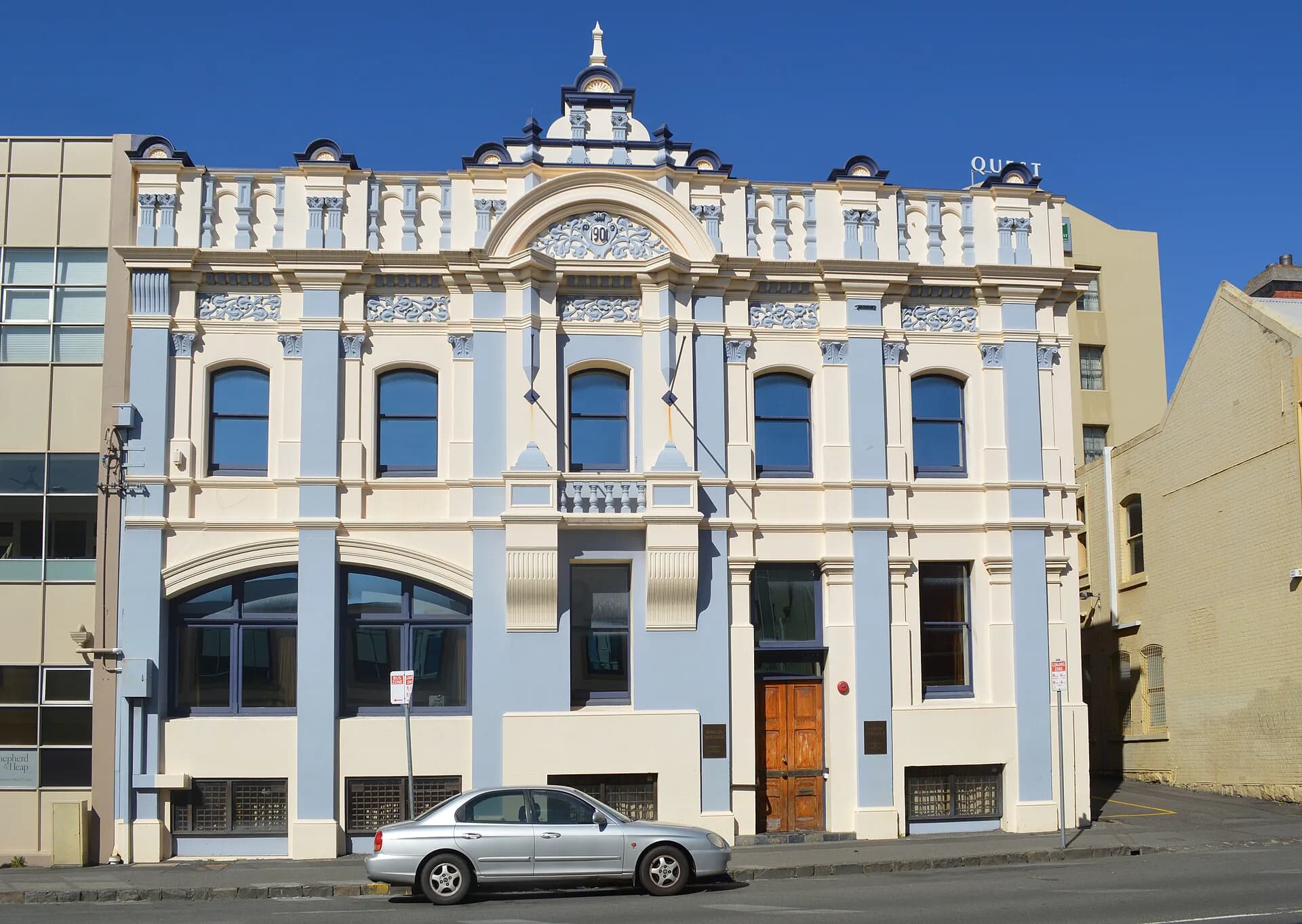

A place name can carry several histories at once. Around Launceston, Aboriginal names sit beside names imported from Britain, estate names, geographical descriptions and later suburban labels. Some origins are well documented. Others survive as plausible stories that need to be marked as uncertain.
Launceston and kanamaluka
The British settlement moved to the present city site in 1806 and was first called Patersonia. It became Launceston in 1807, commemorating the Cornish birthplace of Governor Philip Gidley King. The pronunciation used in Tasmania followed the Cornish name, although Australian usage has varied.
kanamaluka / River Tamar is an official dual name for the estuary north of the city. Using the dual name recognises a Tasmanian Aboriginal name while retaining the introduced name fixed by colonial charts and administration. It should not be treated as evidence that one word can stand for every Aboriginal relationship to the river and surrounding Country.
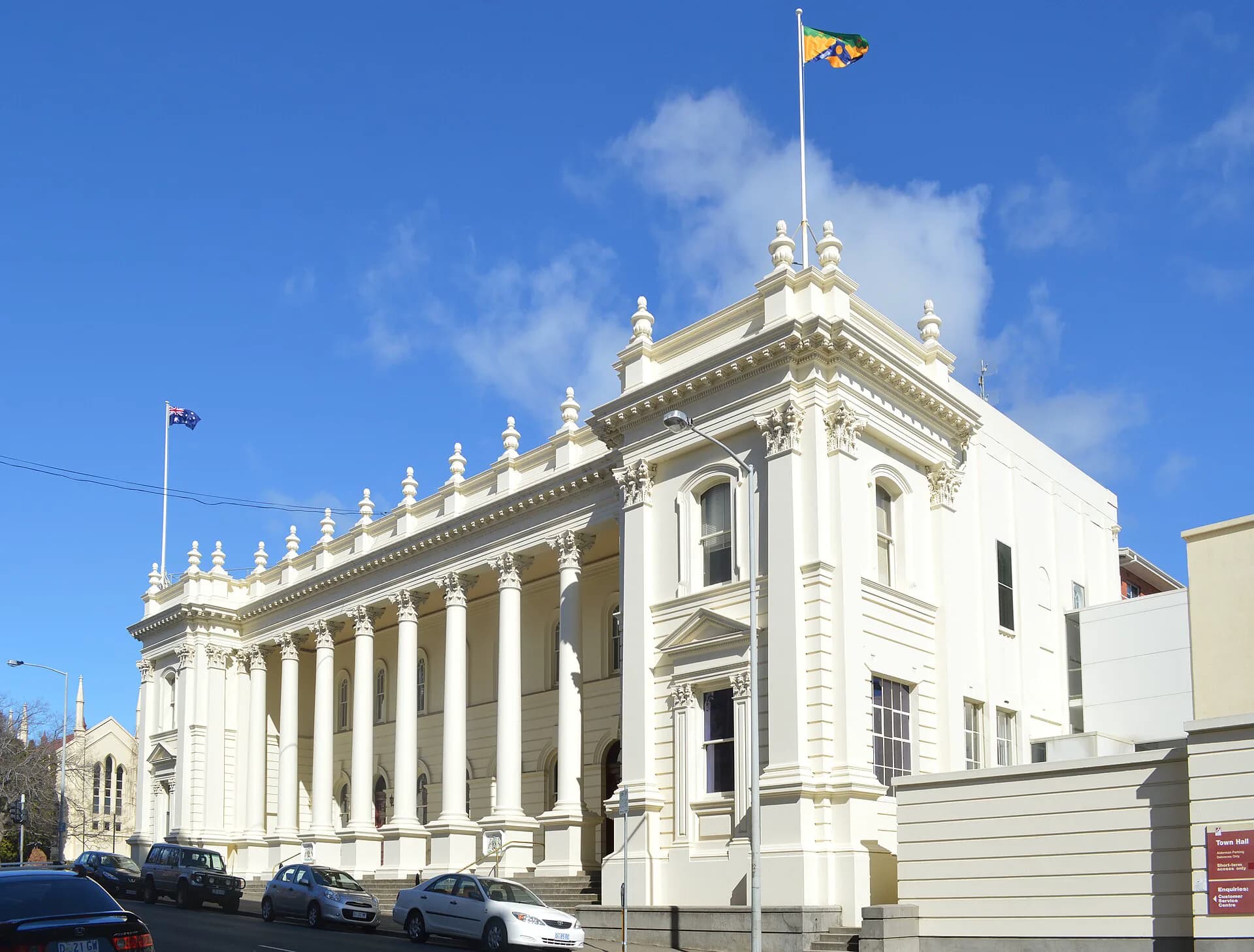

Names shaped by water and ground
Inveresk and Invermay occupy low land beside the North Esk and upper estuary. Trevallyn rises west of the city above Cataract Gorge. Riverside is a direct geographical label, while East, West and South Launceston describe position around the older centre. These names look simple on a current map, but suburb boundaries and common usage have shifted.
The official Placenames Tasmania register is the starting point for current spelling, status and mapped extent. It also records superseded and unofficial names where available. A postal address, a suburb boundary and a historical district may use the same word differently.
Estates, people and imported names
Many suburban names began with farms or estates before becoming broader neighbourhood labels. Others reflect British places, officials or landholders. The pattern is common across colonial towns: a private property name moves onto a road, station, post office or subdivision and eventually appears to be the name of a whole district.
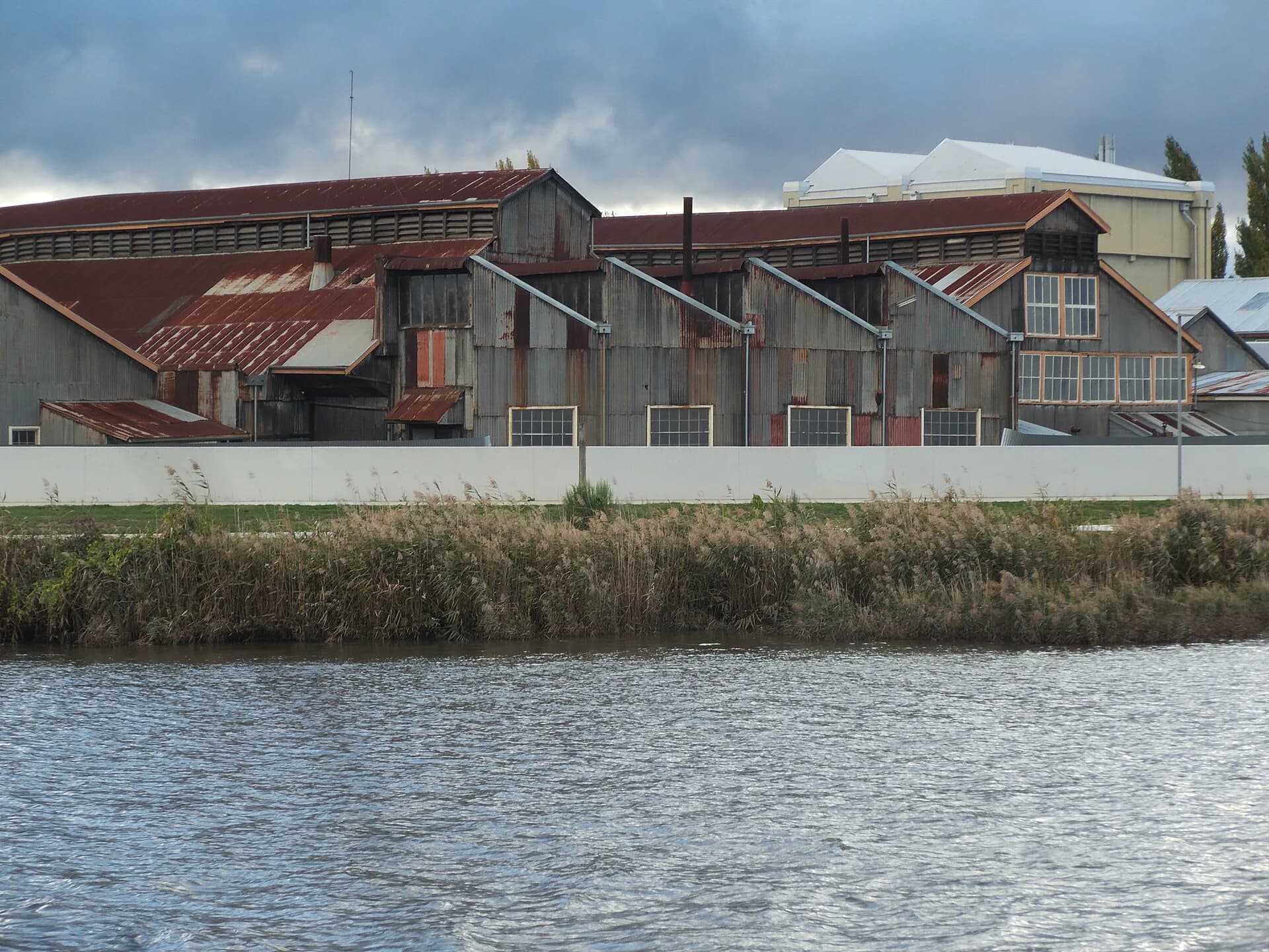

Historical compilations are useful leads but can repeat errors. The City of Launceston's thematic history, official place-name register, survey plans, directories and newspapers should be compared before accepting a neat origin story. Where sources disagree, the disagreement is part of the history.
Researching a name
First confirm the exact feature. A creek, suburb, road and former railway station may share a name. Search Placenames Tasmania for the current record, then check when the word first appears on a map or in a directory. Property records can reveal an estate origin; council and survey records can show when a label became official.
The history of Launceston provides the broader sequence behind these changes, while the heritage walk connects street names to surviving buildings.