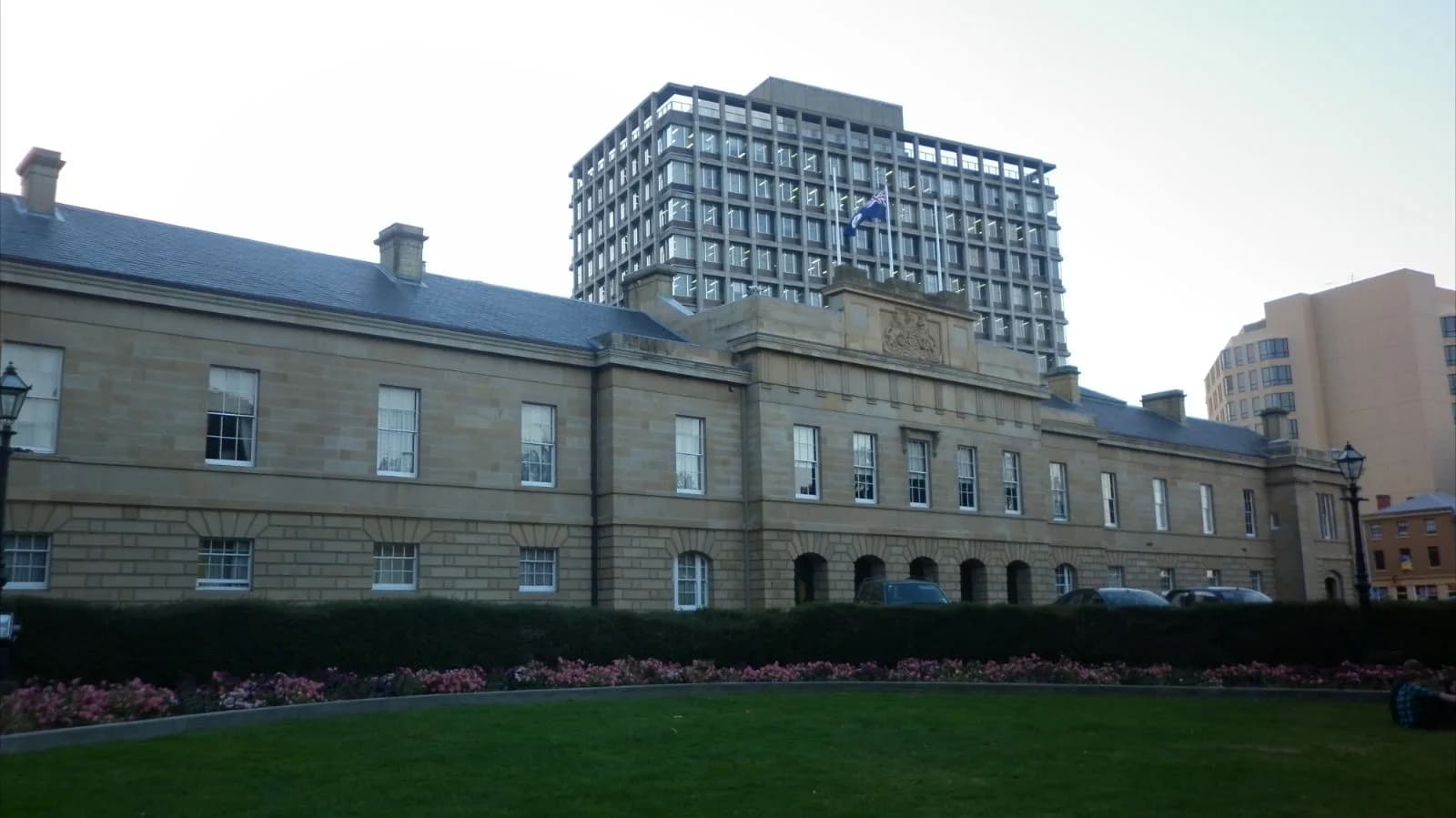

John Lee Archer arrived in Hobart in 1827 as civil engineer and colonial architect. For eleven years he designed or directed government works across Van Diemen’s Land, combining architecture, engineering and administration in a colony built extensively through convict labour.
Buildings for colonial government
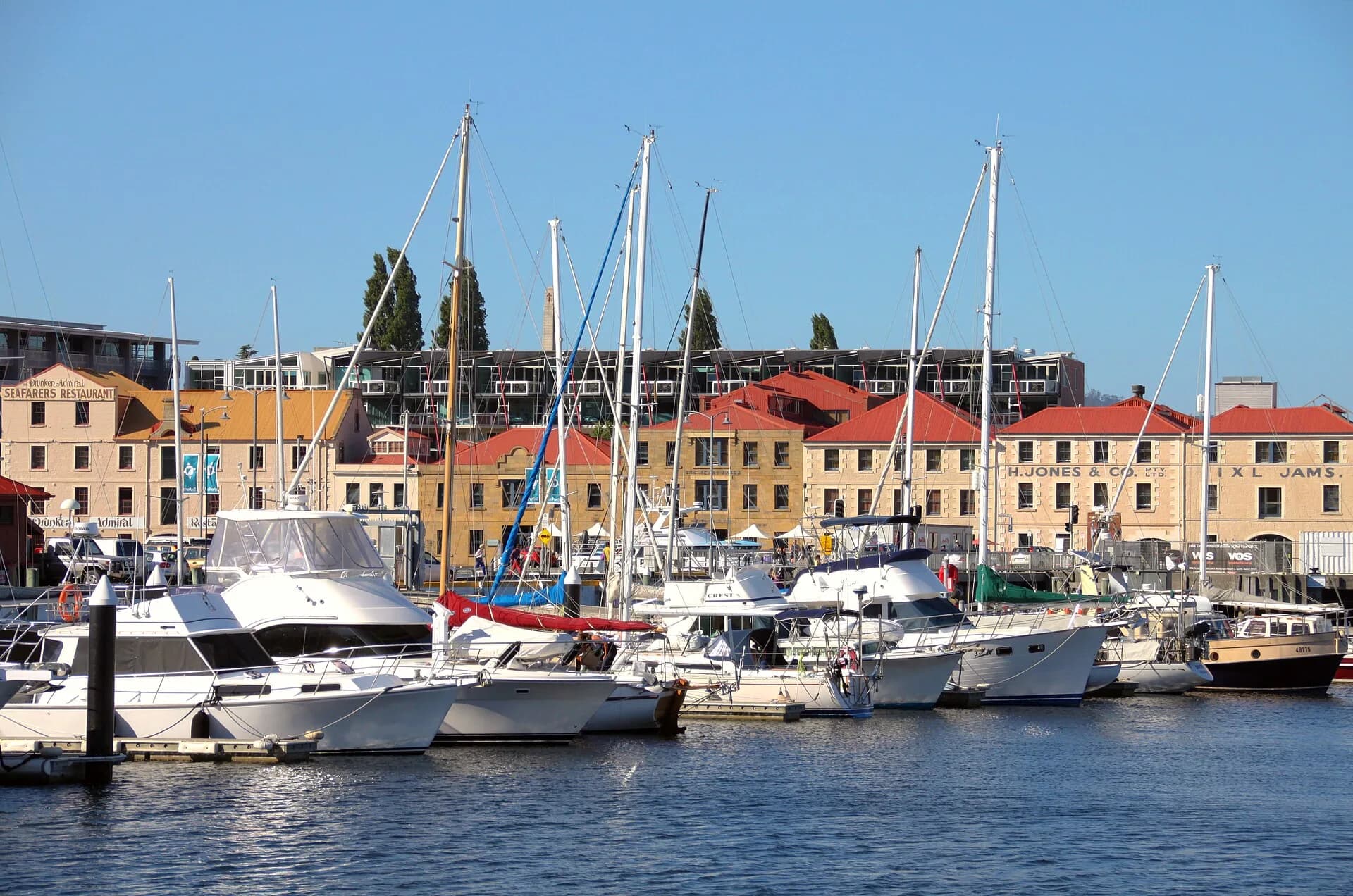
Archer’s attributed designs include the former Customs House, now Parliament House, Ordnance Stores at Salamanca and the Penitentiary Chapel. Their restrained proportions helped shape Hobart’s public architecture, while their construction depended on unequal colonial systems of land and labour.

Churches, gaols and institutions
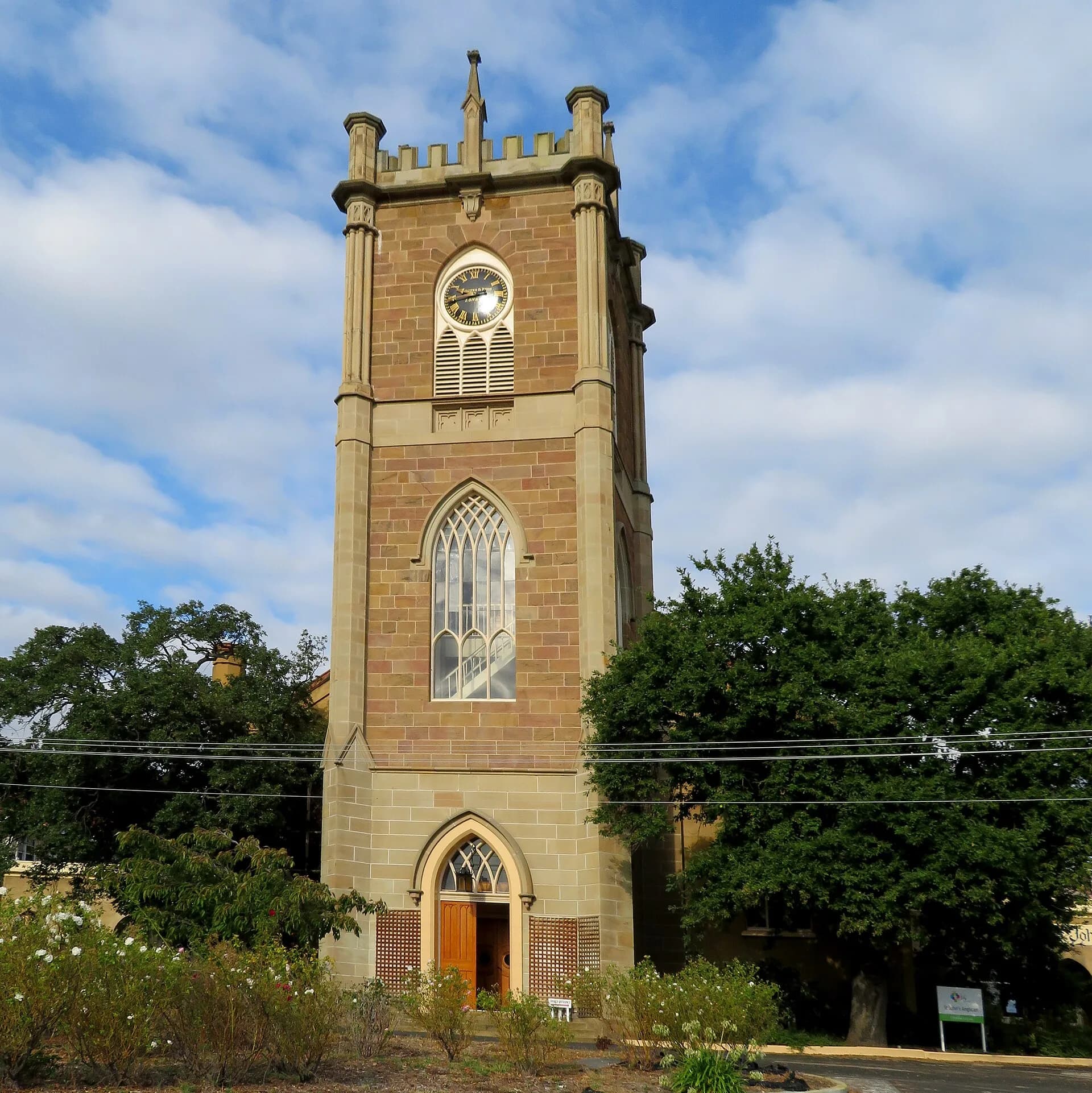
His work extended to St John’s at New Town, Richmond Gaol, St Luke’s churches at Richmond and Bothwell, and parts of the Campbell Street gaol. Attribution should follow documentary research because later alterations and other designers complicate some buildings.

Engineering survives in daily use
Ross Bridge is Archer’s best-known engineering work. He also contributed to plans for Sullivans Cove and the Bridgewater causeway. After his government post ended in 1838, he served as police magistrate at Stanley until his death in 1852.
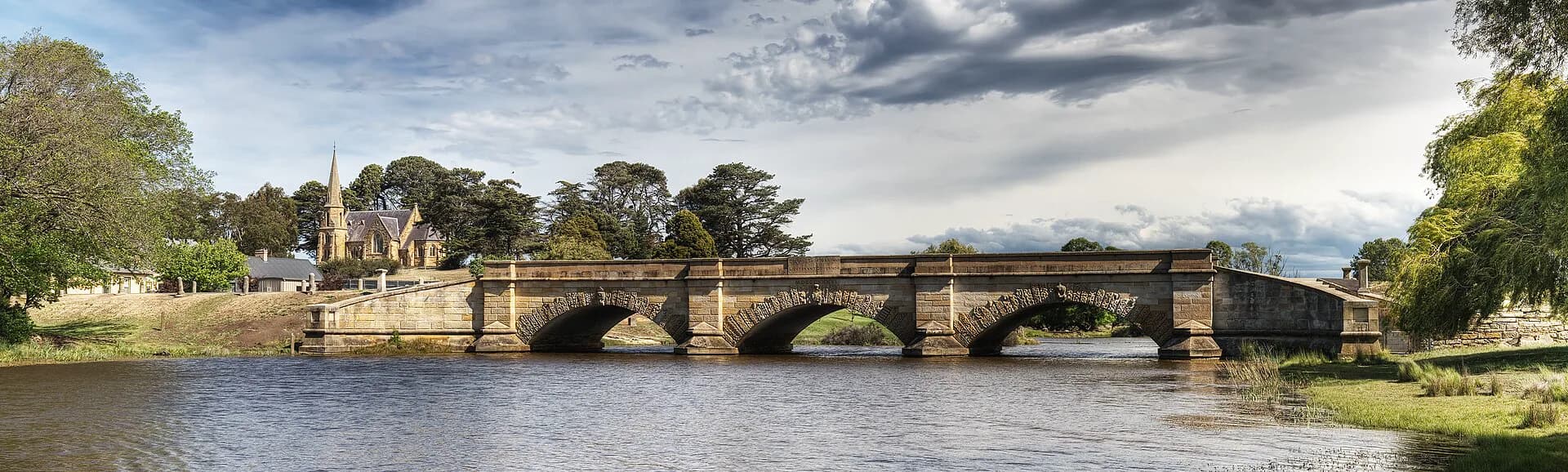

See Archer’s work in context through Ross, Richmond and the Tasmanian historic bridges guide.