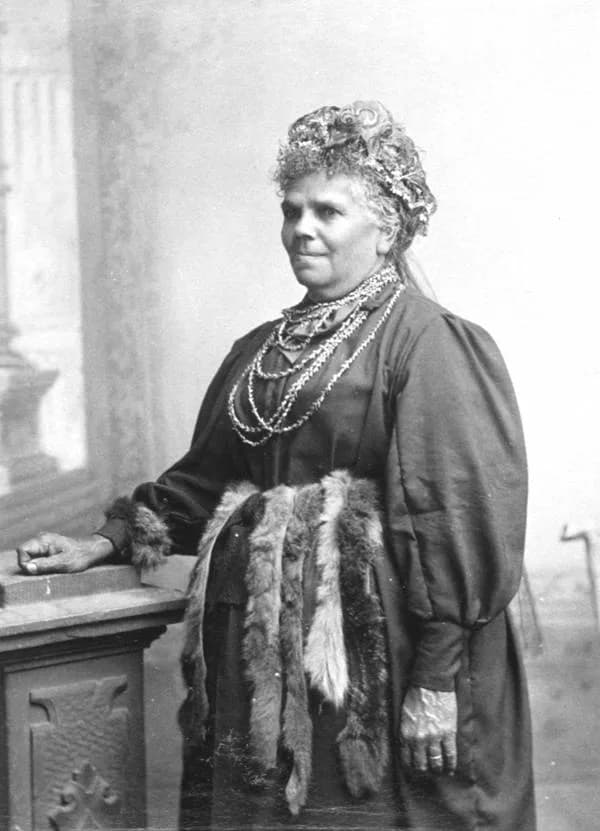

Fanny Cochrane Smith was a Palawa woman, cultural leader and family matriarch born at Wybalenna in 1834. Older accounts often reduced her life to a claim about being the “last” Tasmanian Aboriginal person or language speaker. That framing erases a living community and should not define her.
Childhood under colonial control
As a child, Fanny experienced institutional control, domestic service and abuse. In 1847, surviving Aboriginal people from Wybalenna were removed to Oyster Cove. She later returned there to live near family and community.

Family, work and community
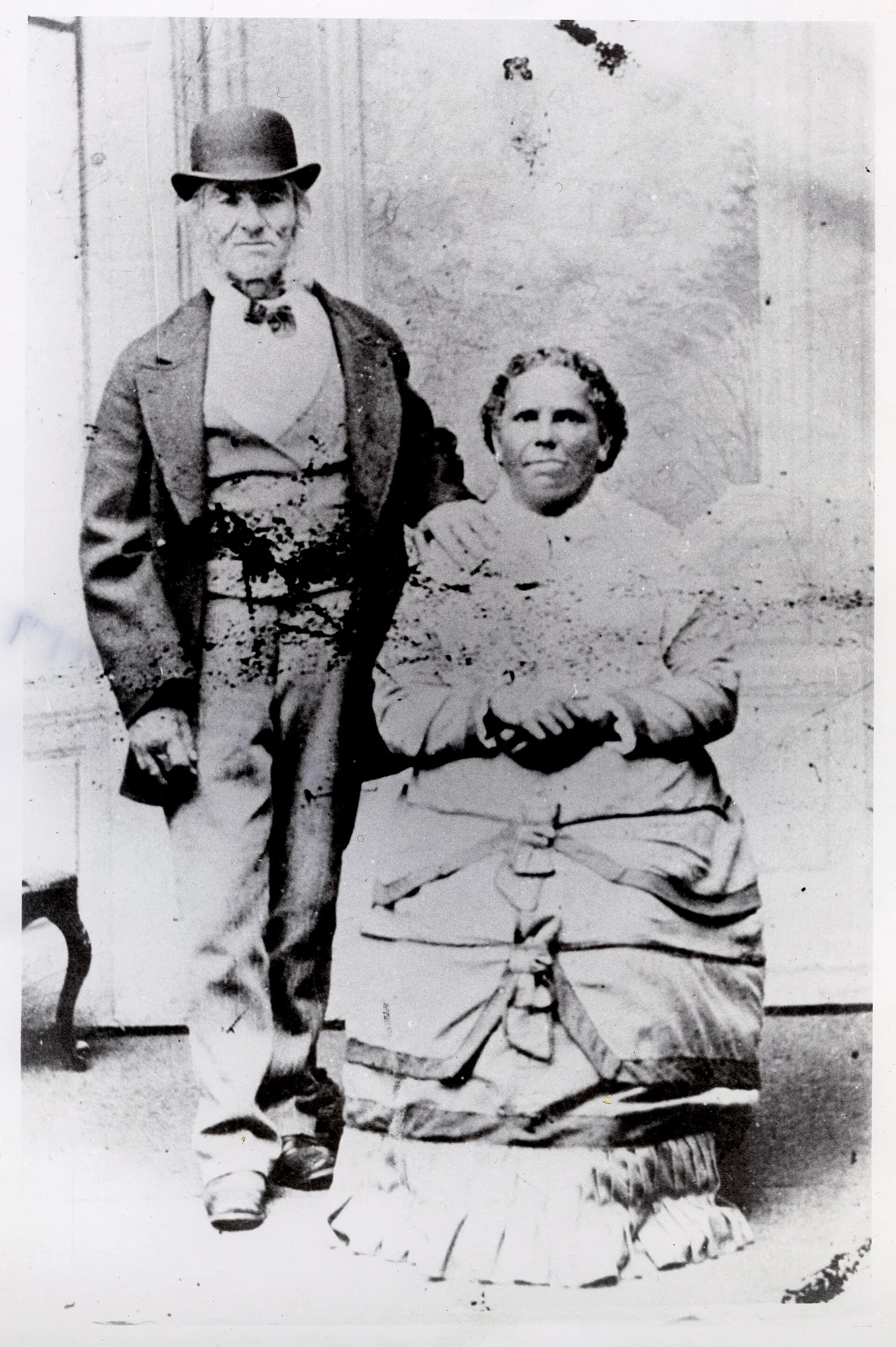
Fanny married William Smith in 1854 and raised a large family near Nicholls Rivulet. She worked in timber production, maintained cultural practices, hosted gatherings and supported a local Methodist congregation. Many Tasmanian Aboriginal people trace family connections through her descendants.
.jpg)
The wax-cylinder recordings
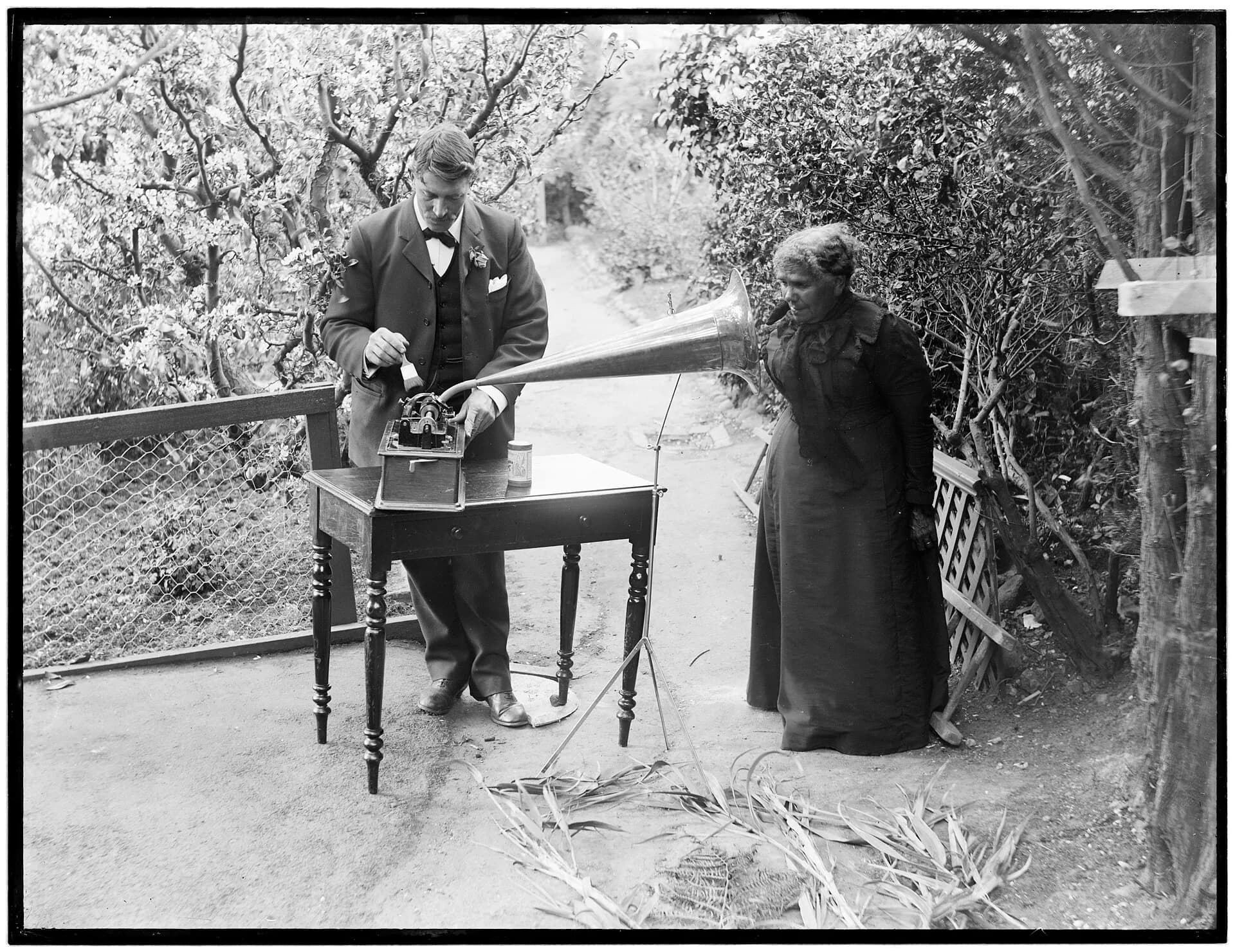
Horace Watson recorded Fanny’s voice and songs in 1899 and 1903. The fragile cylinders are among Australia’s earliest sound recordings and have deep cultural significance. Access and reuse require respect for Tasmanian Aboriginal cultural authority, not merely a claim that the recording is old.
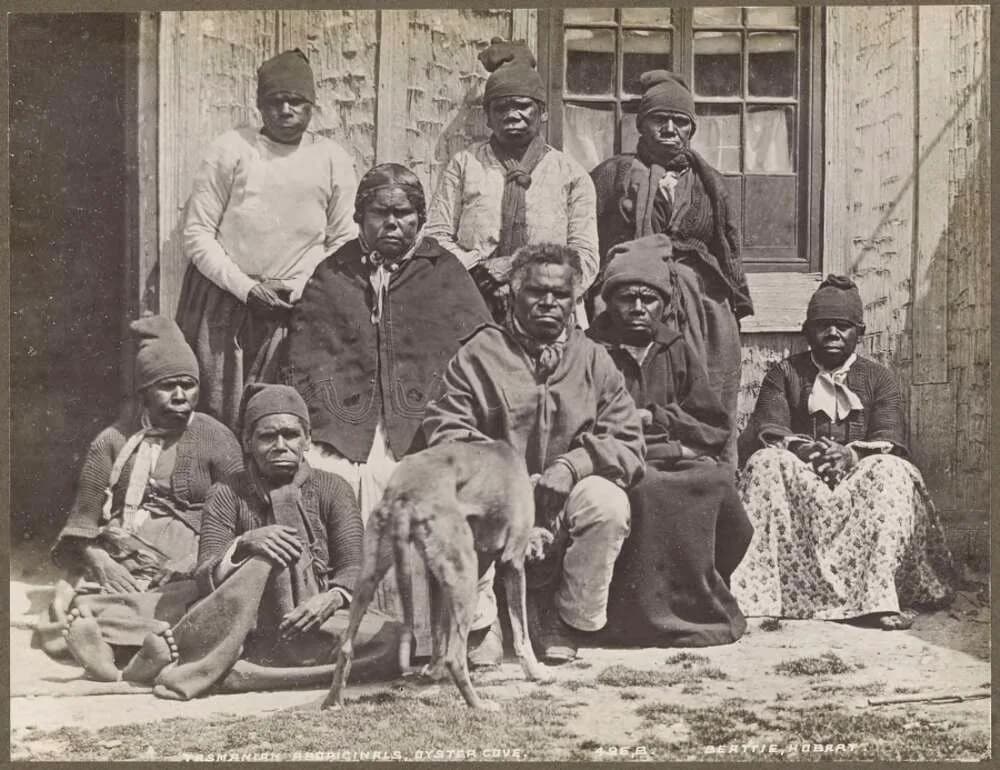

Her life connects directly with Oyster Cove and the Cygnet district. The recordings can be heard and understood through the National Film and Sound Archive’s contextual page, which carries cultural advice.