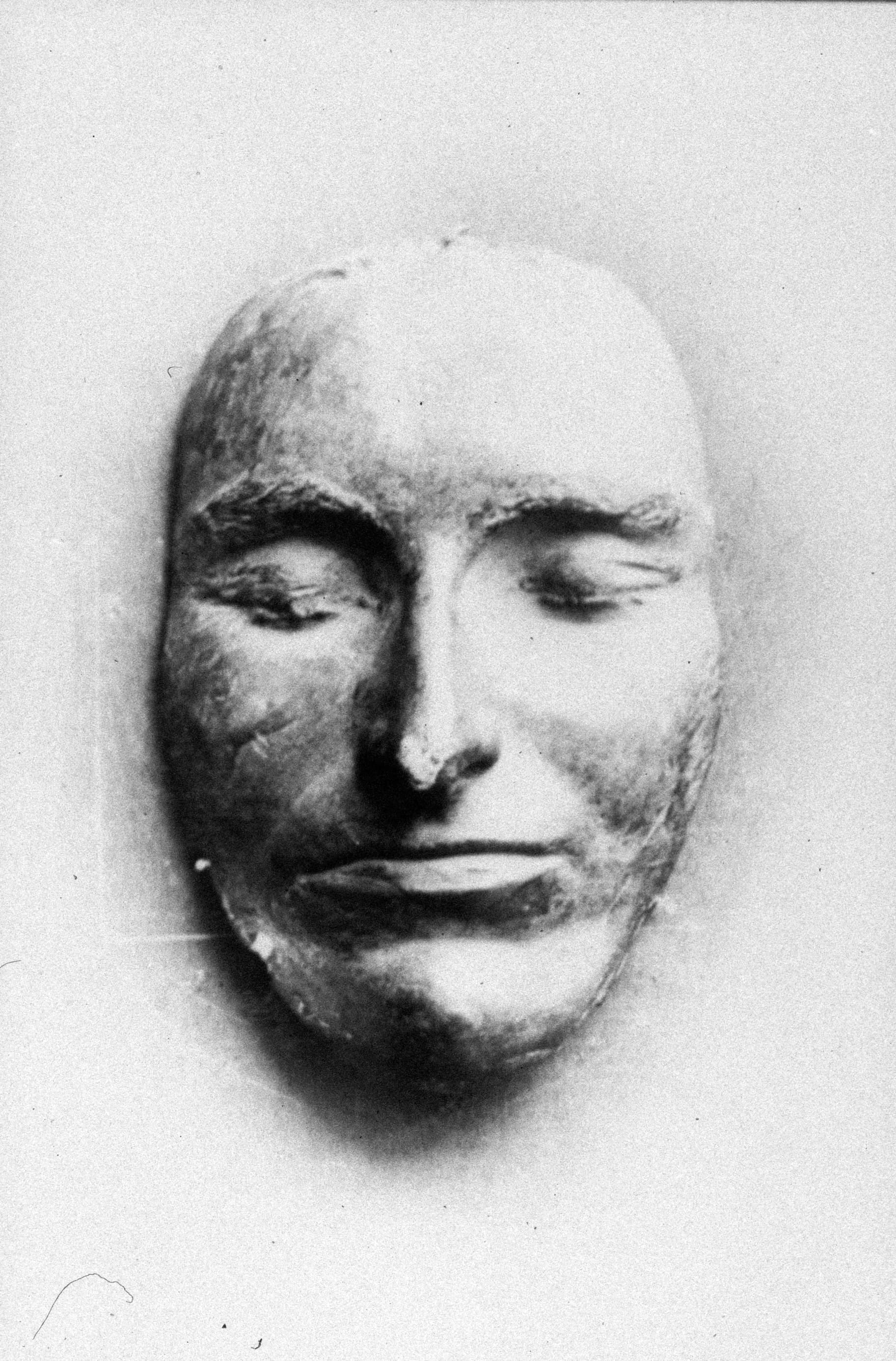

William Westwood, commonly called “Jackey Jackey” in colonial records, was born in England in 1820 and transported to New South Wales after a theft conviction. He escaped repeatedly and became known for armed bushranging before a life sentence carried him through several penal stations.
From assignment to bushranging
Ill-treatment, punishment and escape shaped Westwood’s early colonial record. Popular accounts called him a “gentleman bushranger”, a label that can obscure both coercive convict conditions and the harm caused by armed robbery.

Van Diemen’s Land and Norfolk Island
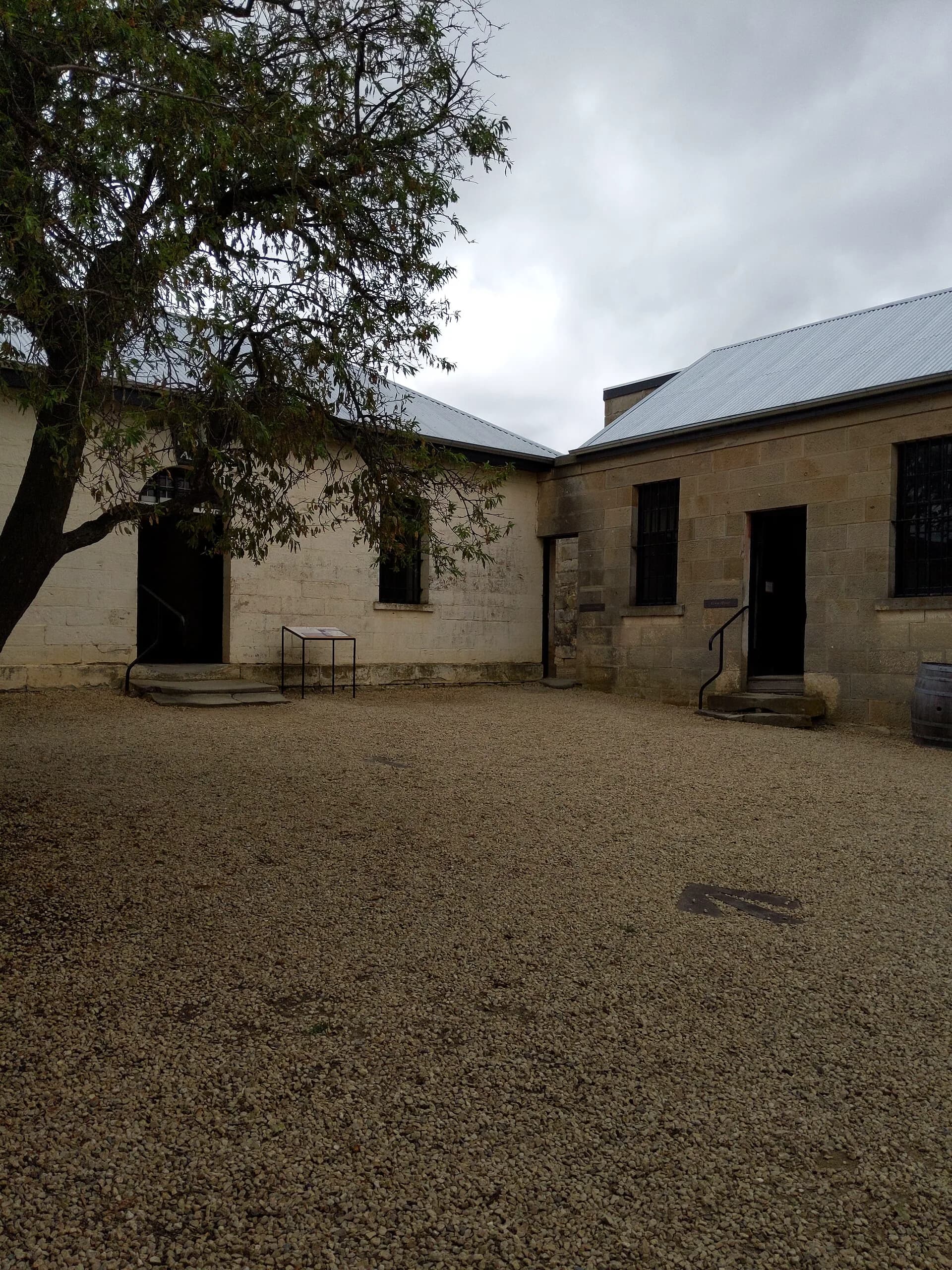
Westwood was sent to Van Diemen’s Land, including Port Arthur, and later to Norfolk Island. In 1846 he led a violent uprising at the Cooking Pot in which four officials were killed. He and eleven other prisoners were executed.

The death mask as evidence
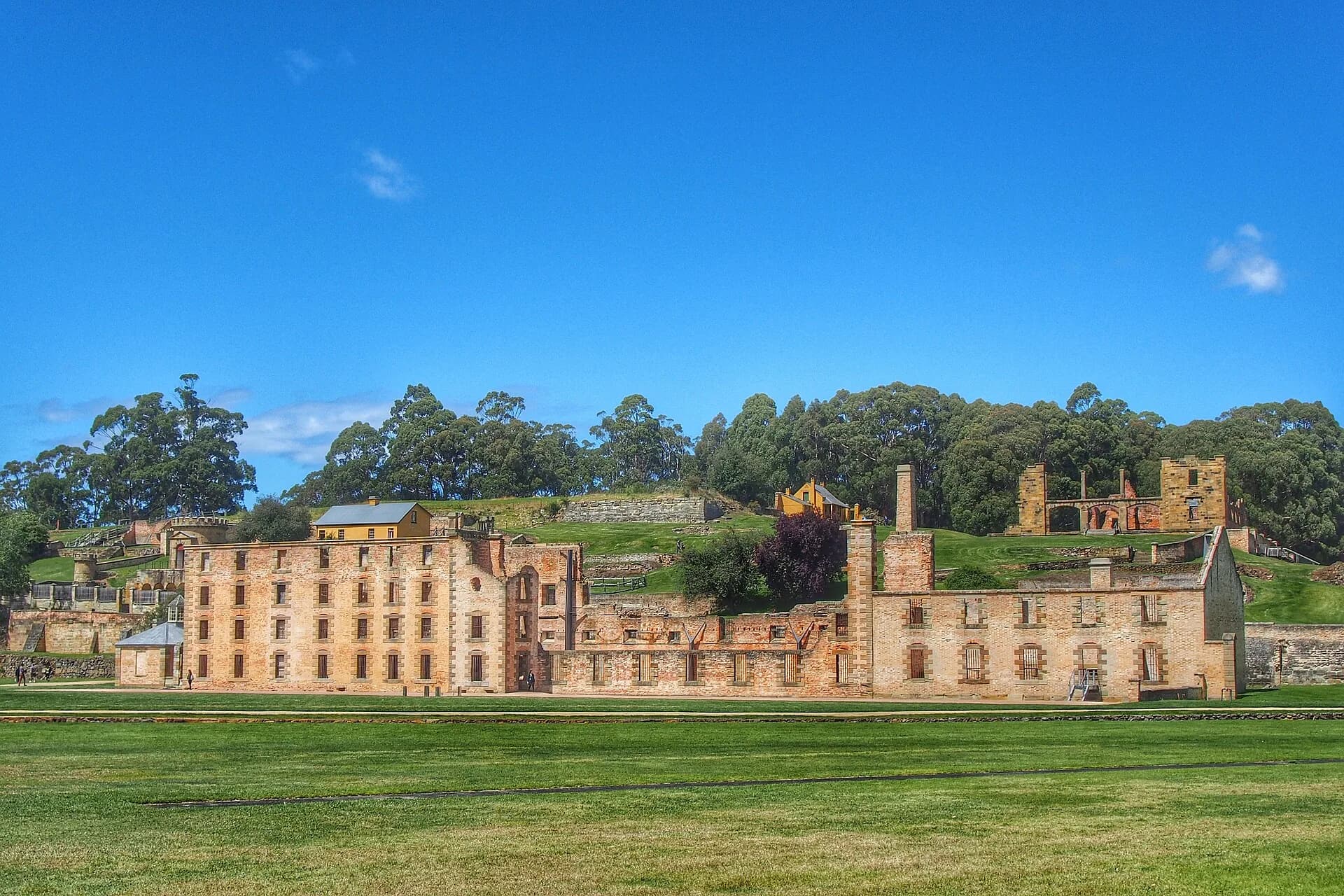
The surviving death mask reflects nineteenth-century practices that turned executed bodies into objects of study. It should be read within histories of capital punishment and pseudoscience, not as a transparent record of character.
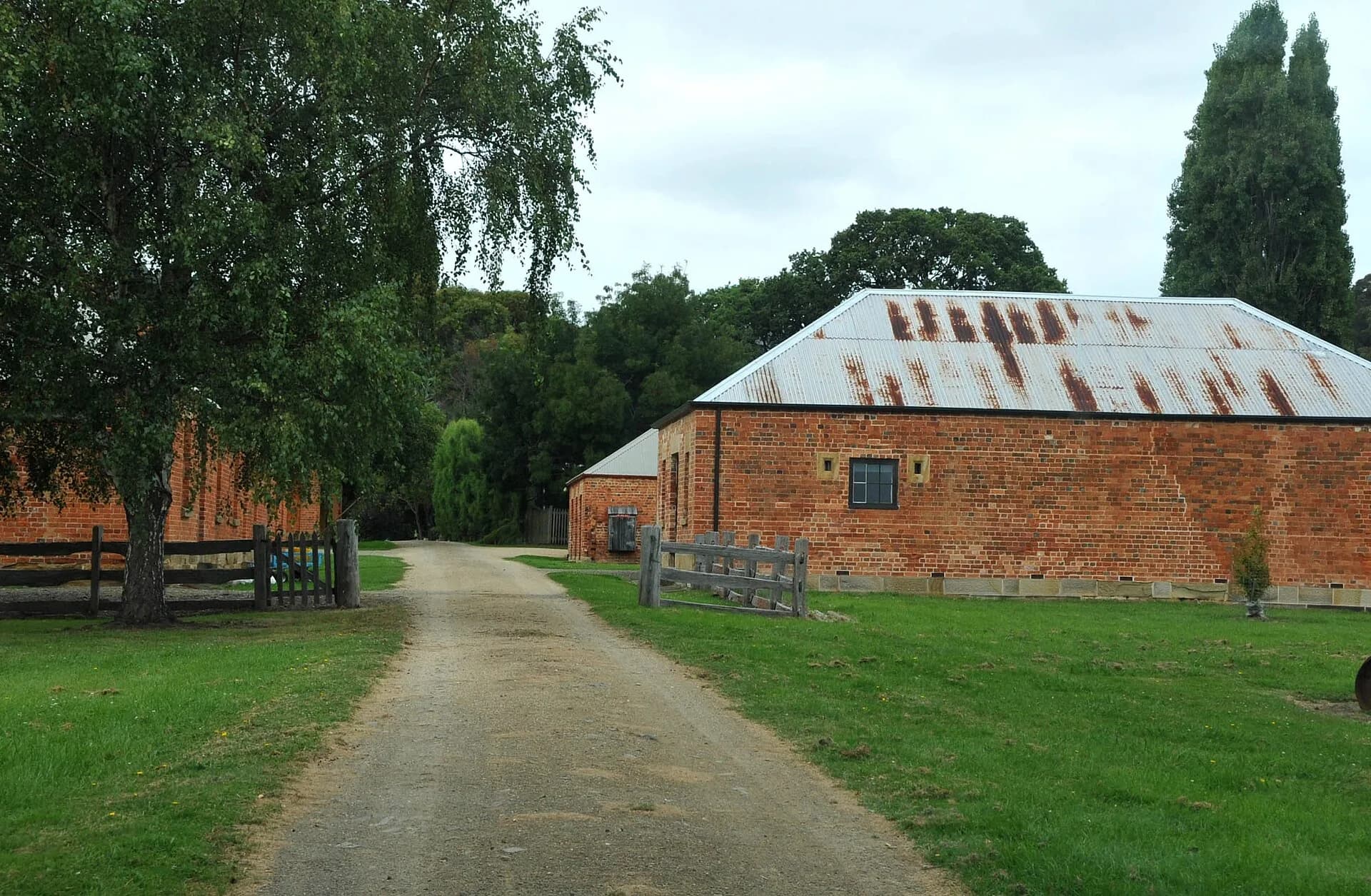

The Port Arthur guide explains one part of the penal network, while the convict sites guide connects the wider system.