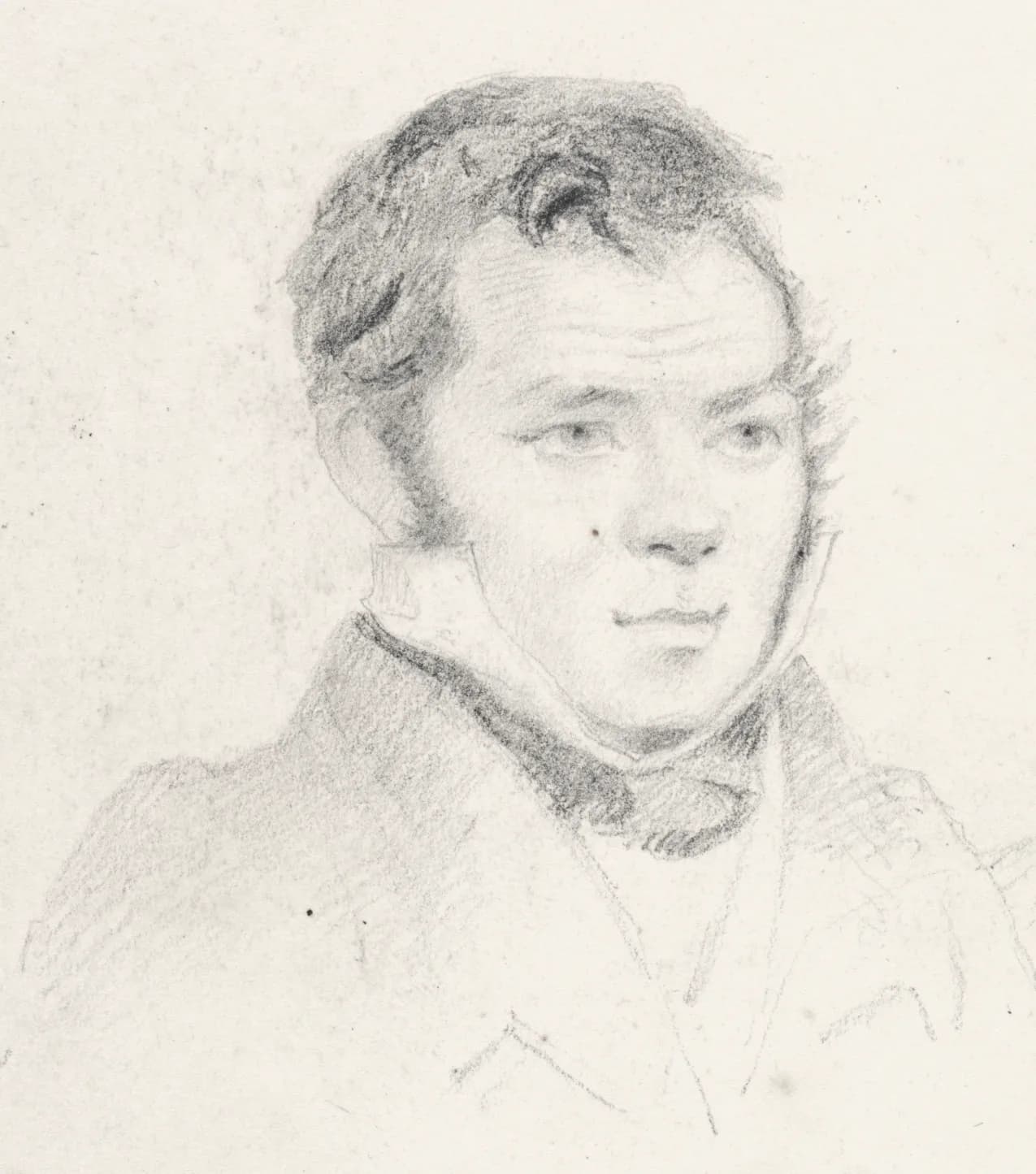

Matthew Brady was transported in 1820 after a theft conviction in England. Repeated punishment and escape attempts led to Macquarie Harbour, from which he and other prisoners escaped by boat in 1824.
Two years in the bush
The group robbed homesteads, fought troops and briefly took control of Sorell. Brady’s reputation as a courteous “gentleman bushranger” grew from later stories, but armed robbery, coercion and violence remain central to the record.

Capture and execution
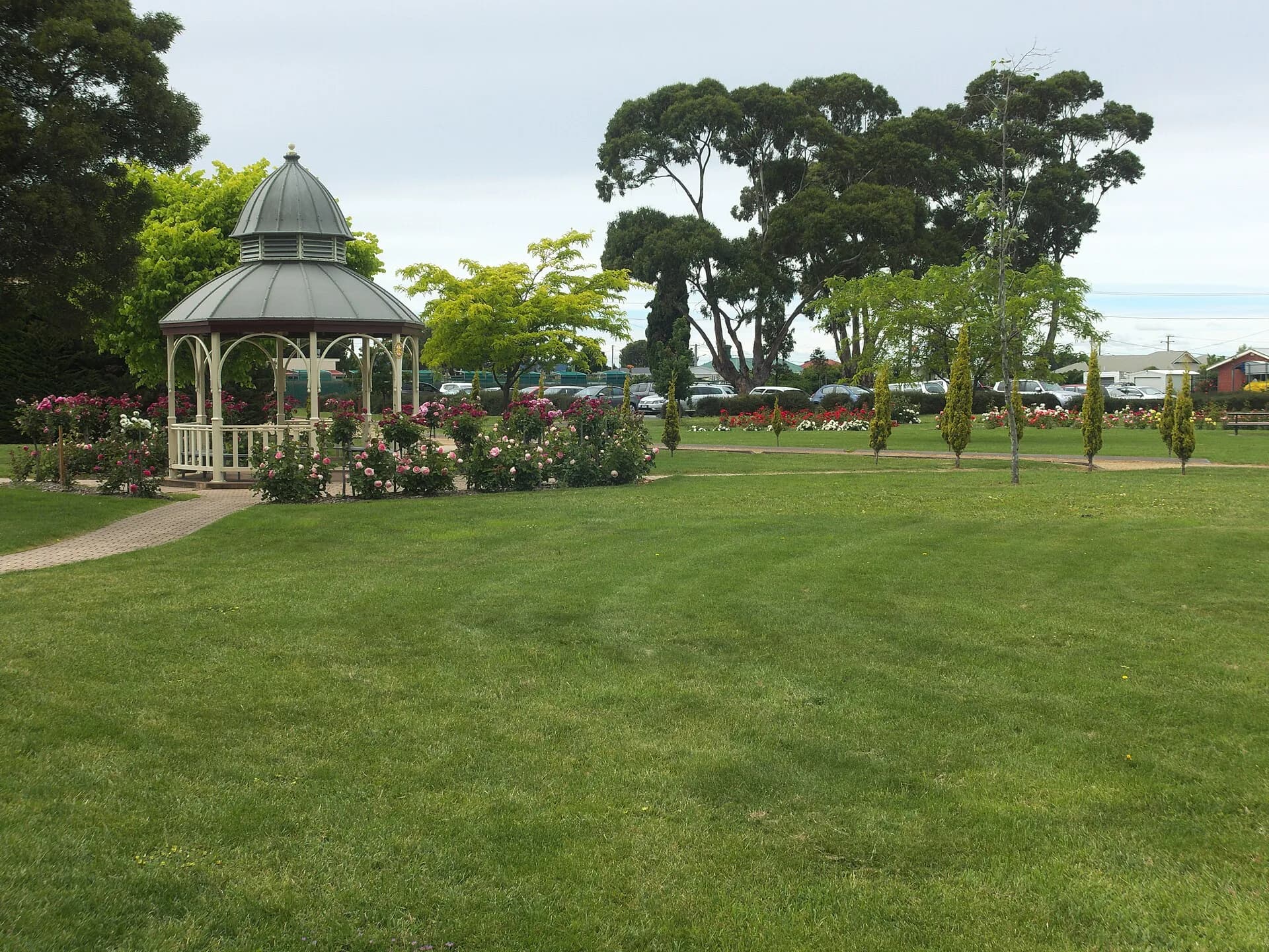
Government rewards increased as the gang continued. Brady was wounded and captured near Launceston in 1826, with John Batman’s party receiving credit. He was tried in Hobart and hanged on 4 May 1826.

Legend is not biography
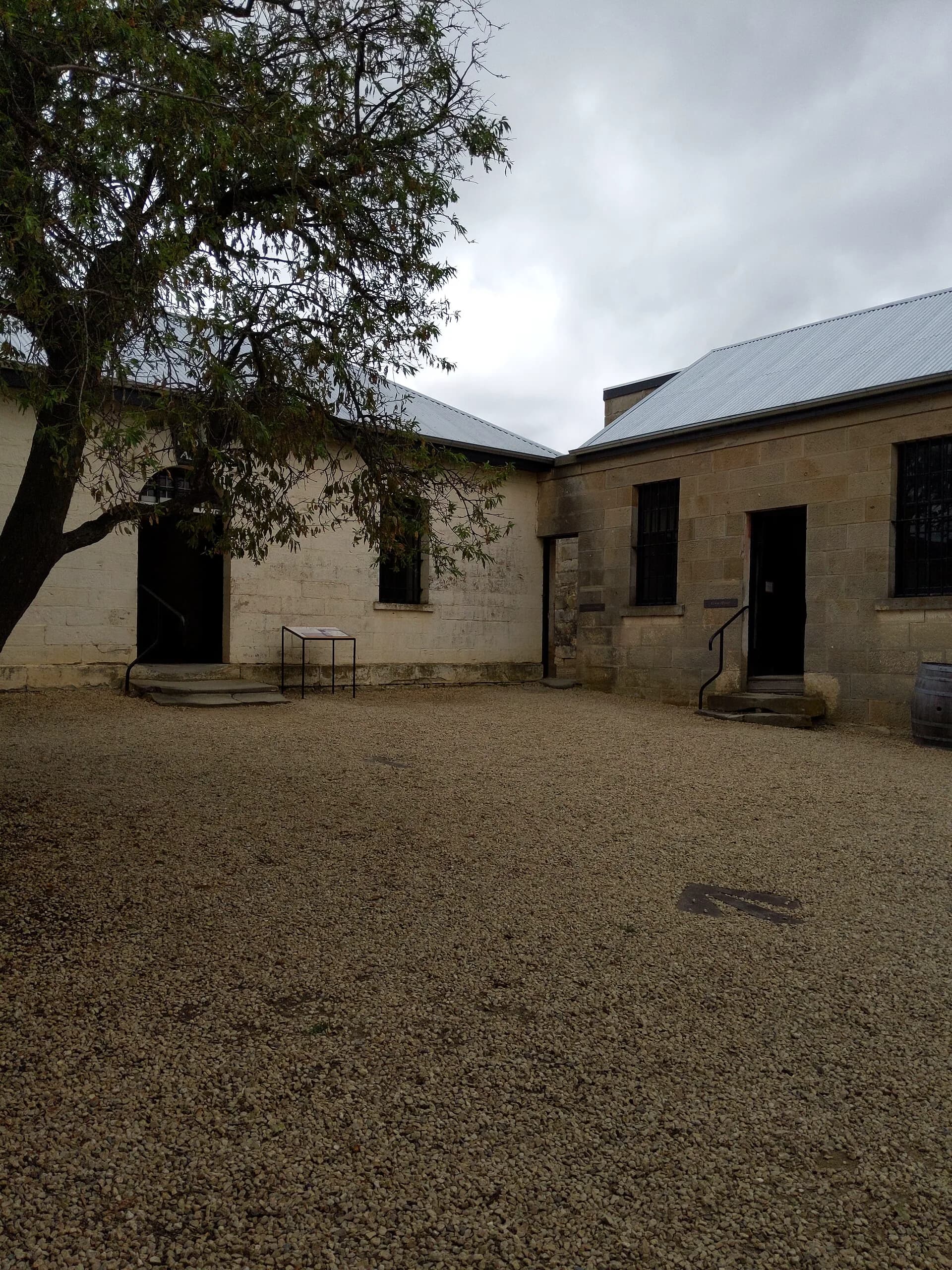
Portraits, lookout names and popular retellings can soften convict punishment or criminal violence into adventure. Court, newspaper and government sources contain their own biases, so use them together.
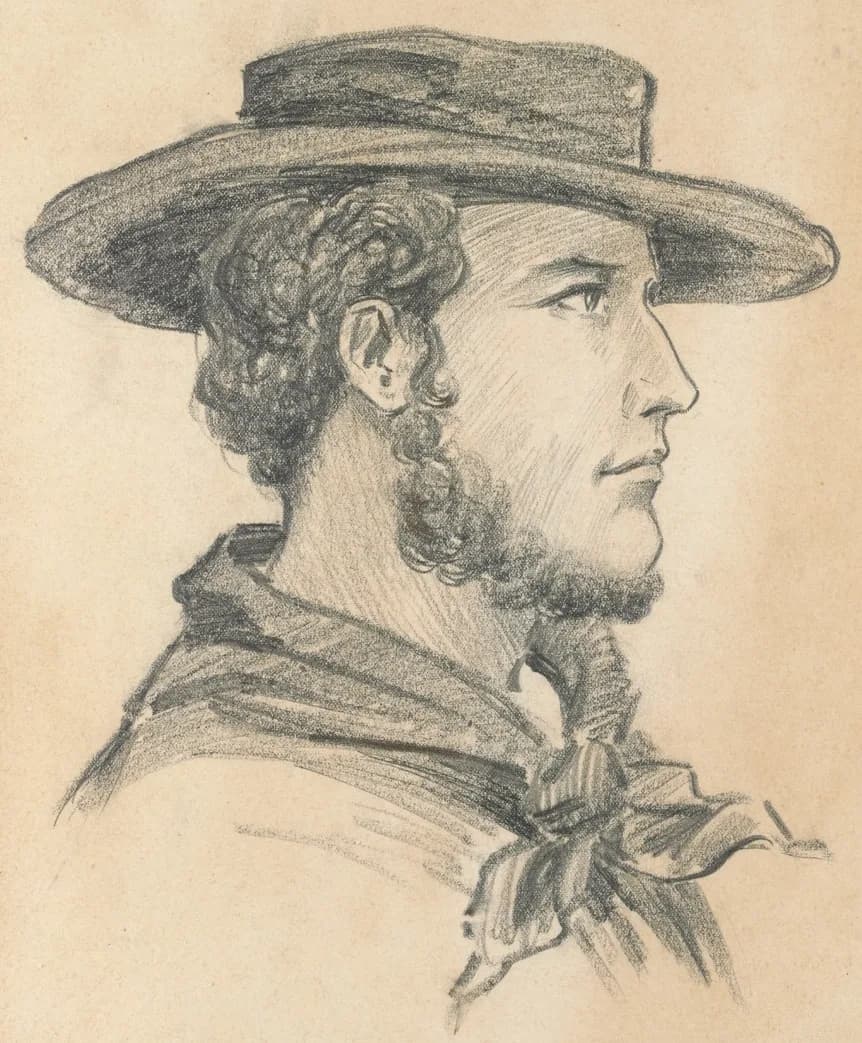

Read the John Batman account for the capture and the Tasmanian convict sites guide for the penal system.