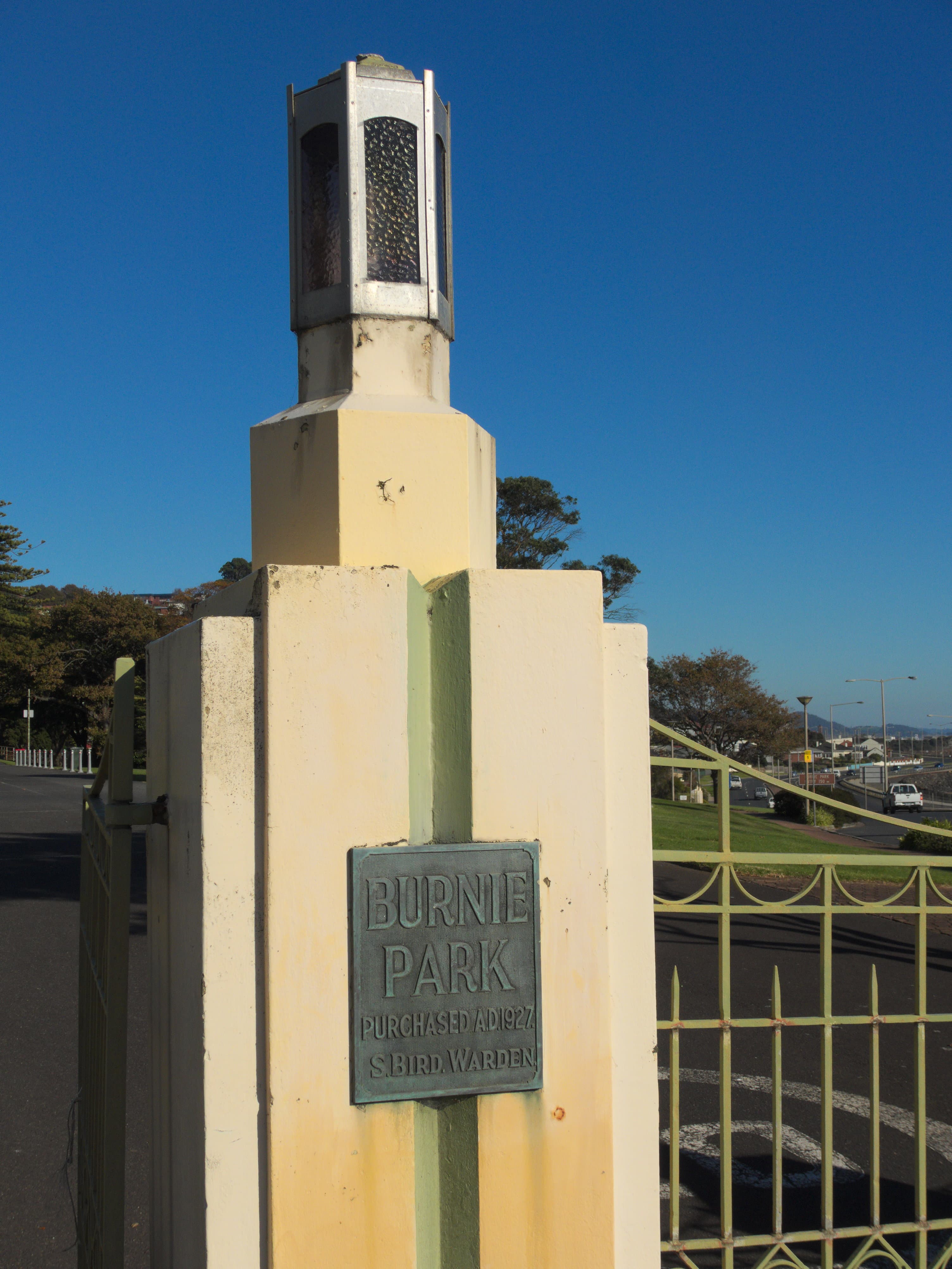

Getting there and basic access
Burnie Park sits in a green valley immediately west of Burnie’s central area. Public paths link the main entrance to lawns, gardens and park facilities. The city provides parking spaces and public toilets across its parks and reserves, and shared paths for walking and cycling are part of the local network. Check current council information for details on mobility access and any event closures before you travel.
Park layout and facilities
The park functions as a community reserve first and a visitor stop second. Near the main entrance you will find maintained lawns, garden beds, a play space and paths that make for an easy stroll. Facilities such as barbecues and picnic areas are commonly found in Burnie parks; expect those amenities in the precinct, but verify availability before relying on them for a group gathering. The park can be combined with other nearby city stops if you plan a short urban visit.
Oldaker Falls and wet-weather behaviour
A small creek runs through the valley and forms Oldaker Falls. The waterfall is noticeably more active after wet weather. When flow increases, some tracks can become slippery and sections of the creek corridor may be hazardous. Stay on formed tracks, avoid climbing on wet rock and do not enter fenced maintenance areas. These conditions can change after rain, so recheck access and path condition updates if rainfall is forecast or has recently occurred.
Suitability and accessibility
Most entrance areas and the lower park are easy to use for families, casual walkers and people visiting with dogs where off-leash areas apply. However, some older paths show variable conditions and may not meet all mobility requirements. If you require step-free access, assistance or have specific mobility needs, contact the local council for the latest information on route surfaces and temporary closures. Events can alter access and circulation within the park, so check for scheduled activities on the day you plan to visit.
Responsible use and local rules
Burnie Park is a community space used for sport, play and quiet recreation. Follow local rules for dogs, event management and barbecues, and allow room for local users. Remove your rubbish and treat memorial plantings and the creek corridor with care. Keeping the park tidy helps limit pest and plant disease spread; where cleaning of boots or equipment is required for disease control at specific sites, follow posted instructions.
Practical safety checks before you go
Plan your visit with basic safety checks. Look up local weather forecasts and any park alerts before leaving. After wet weather, expect the waterfall and creek to be higher and tracks to be slippery. Choose footwear with suitable grip for wet paths. If you are unfamiliar with the area, walk with a companion and tell someone your plans. Carry a charged mobile phone, water and basic first aid items. For walking in more remote Tasmanian parks the Parks and Wildlife Service recommends additional preparations; for an urban park the emphasis is on checking conditions and dressing for changeable weather.
Changing conditions and seasonal notes
Weather and path conditions can change quickly. Short periods of heavy rain may make the creek lively and track surfaces hazardous. Similarly, event schedules or council maintenance can temporarily alter access to lawns and picnic areas. Before organising a group barbecue or a mobility-dependent visit, check the council’s current notices for closures or planned works.
Where to check and what to ask about
Contact the local council about mobility access, scheduled events and facility availability. Look for current alerts that affect park access and nearby fire or safety advisories when weather is dry. If you rely on particular facilities such as accessible toilets or an off-leash area, confirm they are open on the day you intend to visit. For walks beyond the park into more remote reserves, follow the Parks and Wildlife Service guidance on planning, equipment and fire alerts.
Short visit suggestions
For a brief visit, stick to the lower park loops near the entrance where paths are more likely to be maintained. Photograph the valley and the creek from formed viewing points rather than attempting steep or slippery routes. Keep children close near the creek after rain, and secure dogs where off-leash rules do not apply.
A final reminder on safety and respect
Burnie Park is part of a living community landscape. Respect posted signs and fenced maintenance areas. Observe simple safety checks before arrival, take your rubbish with you, and allow locals to use the park without interference. These steps keep the park safe and usable for visitors and residents alike.