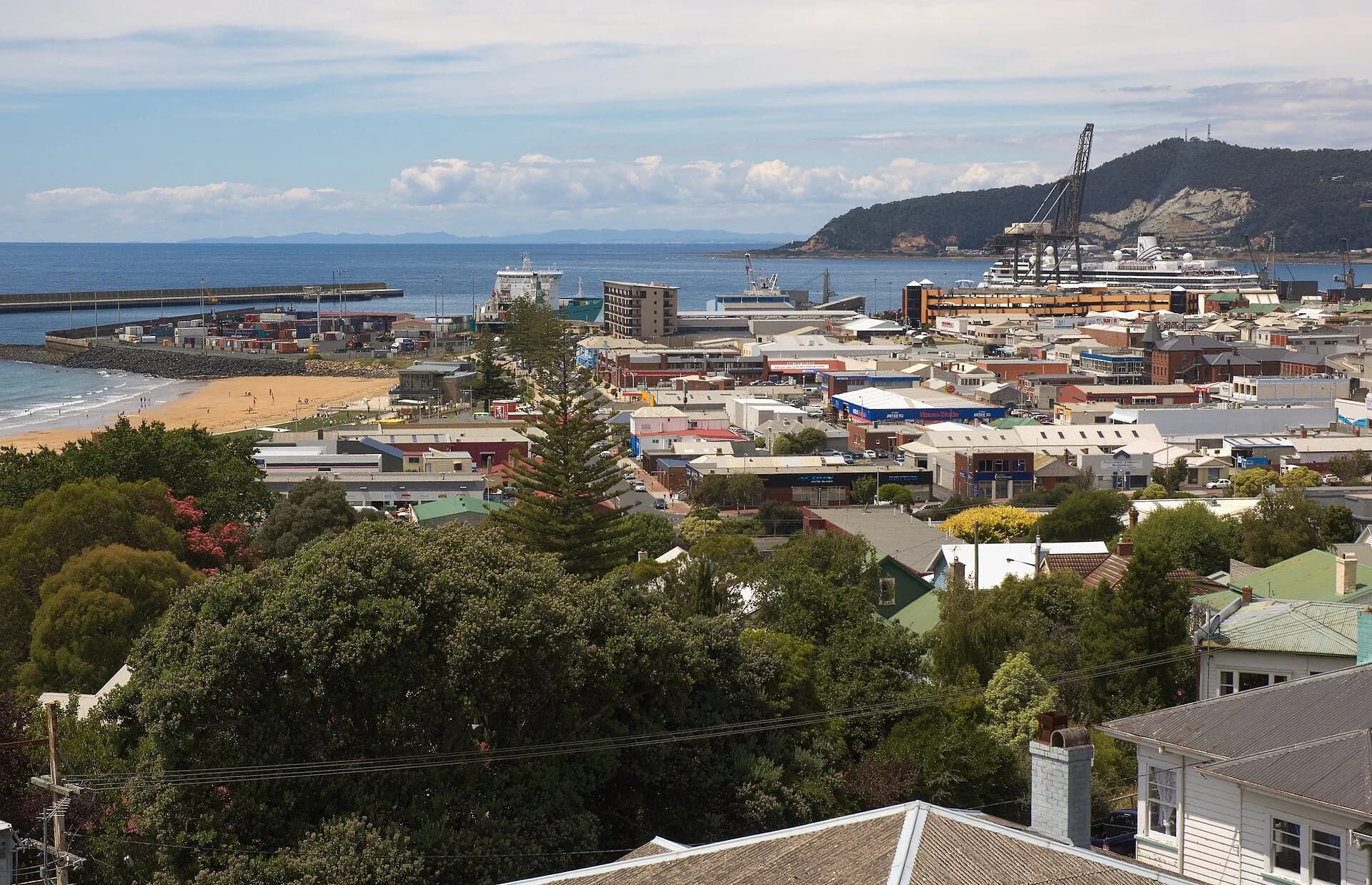

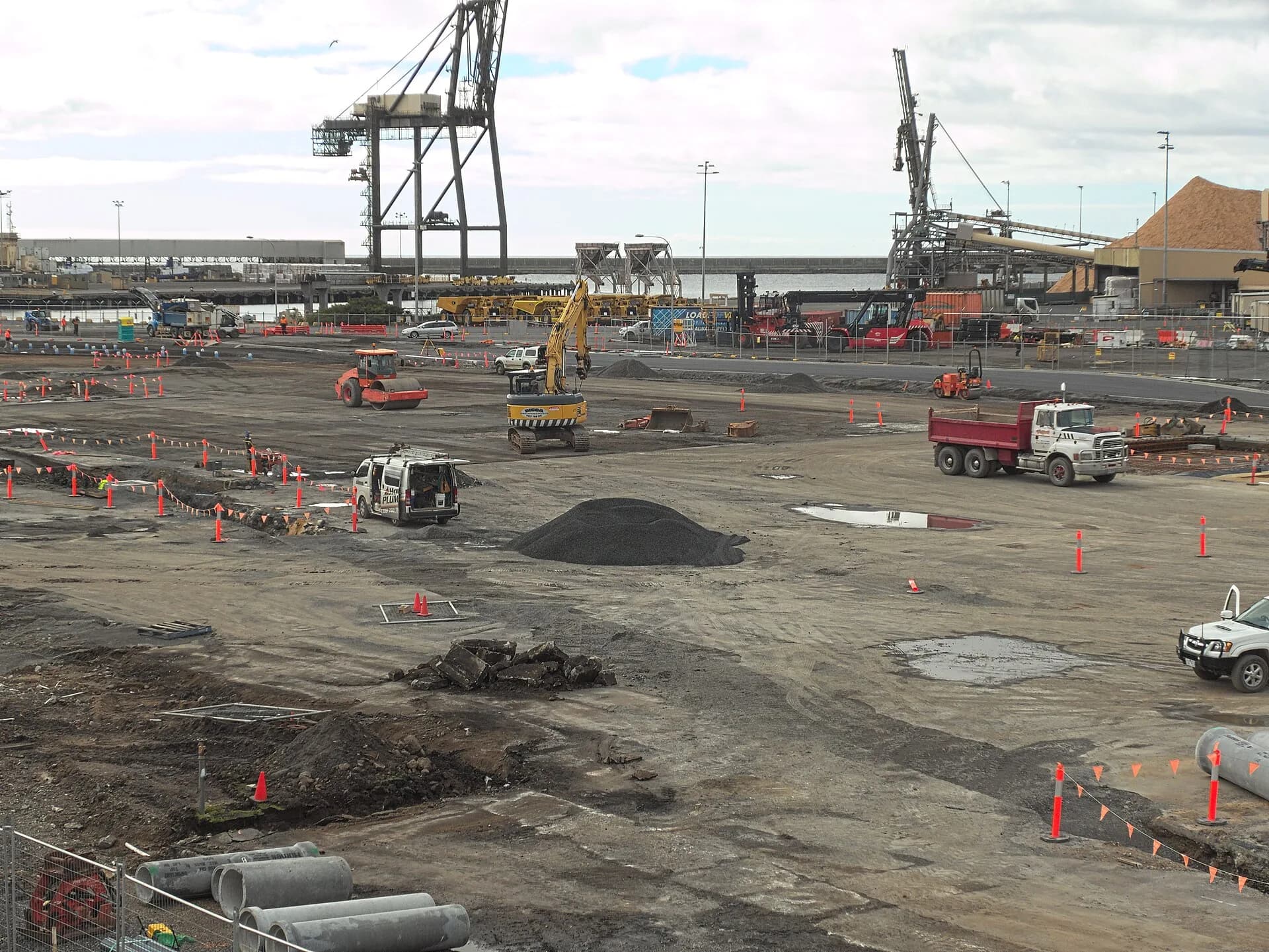
The Port of Burnie occupies the western side of Emu Bay beside the city centre. TasPorts identifies it as Tasmania’s largest general cargo port and a major deep-water facility. It is first a working, security-controlled transport site, not a waterfront attraction.
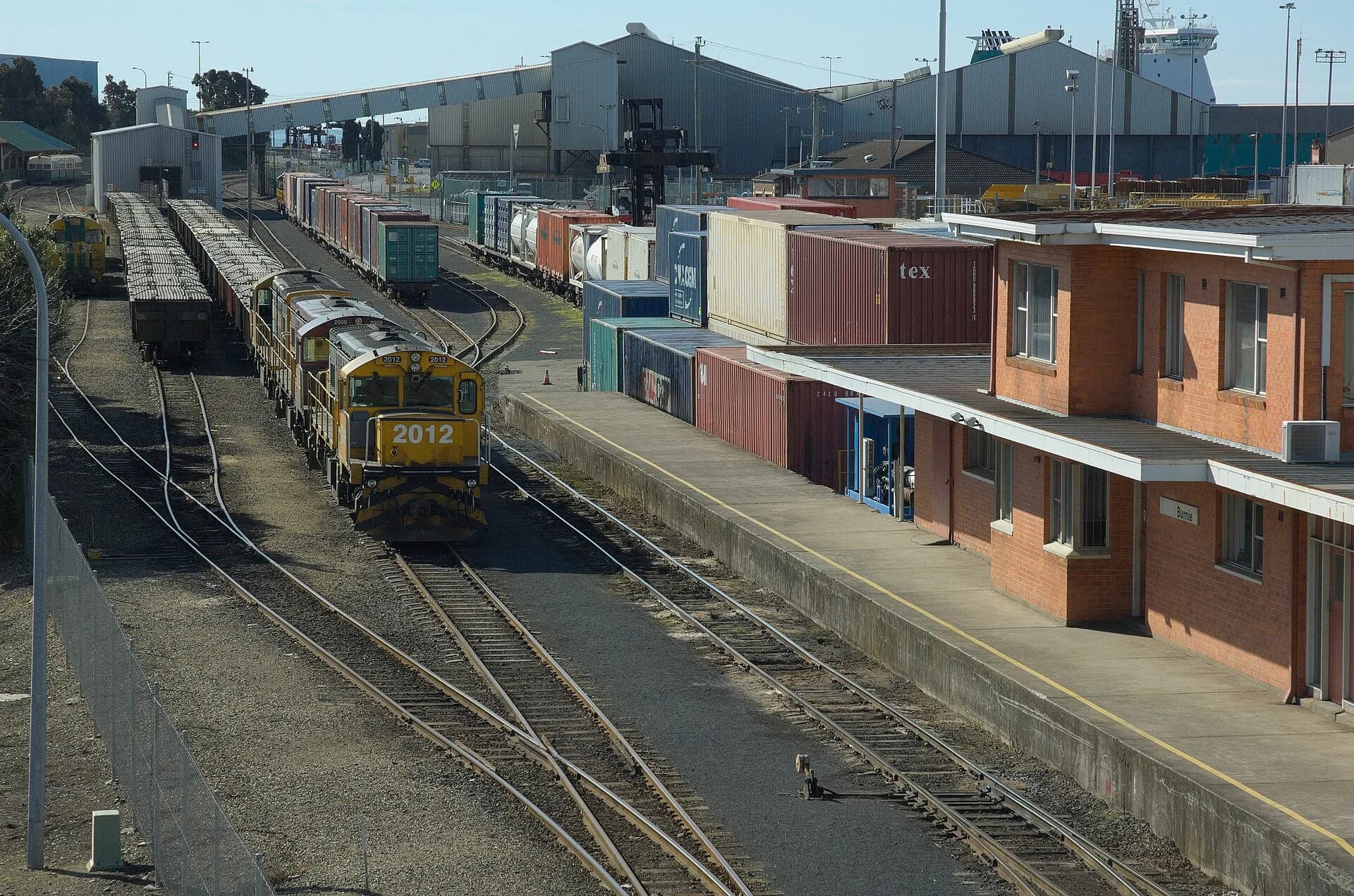
Rail, road and ship meet at the harbour
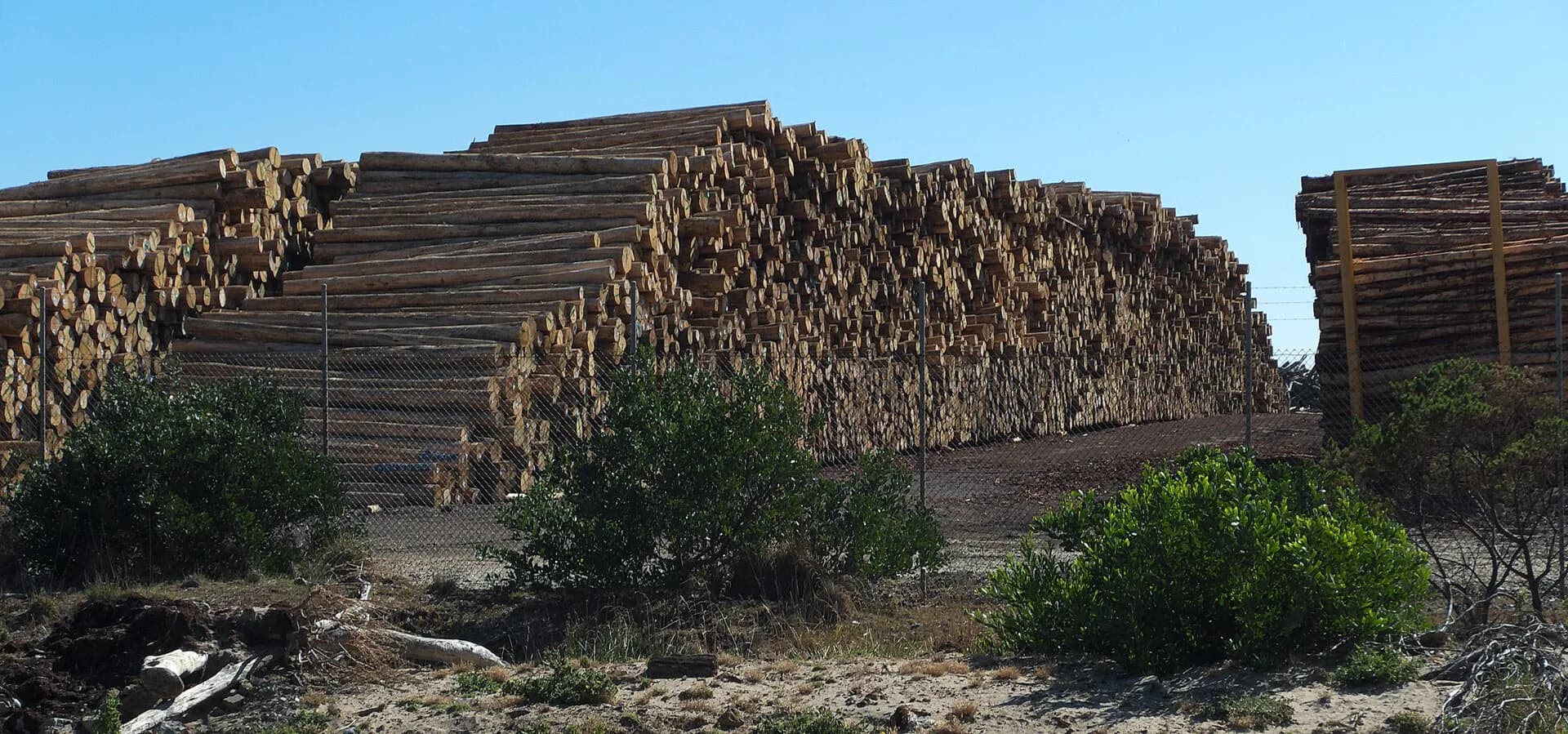
The port handles containerised freight, bulk minerals, forestry products, fuel and other cargo. Rail sidings, concentrate facilities, woodchip infrastructure and multi-user berths show how Burnie connects western and north-western industries with Bass Strait shipping.

The harbour reshaped Emu Bay
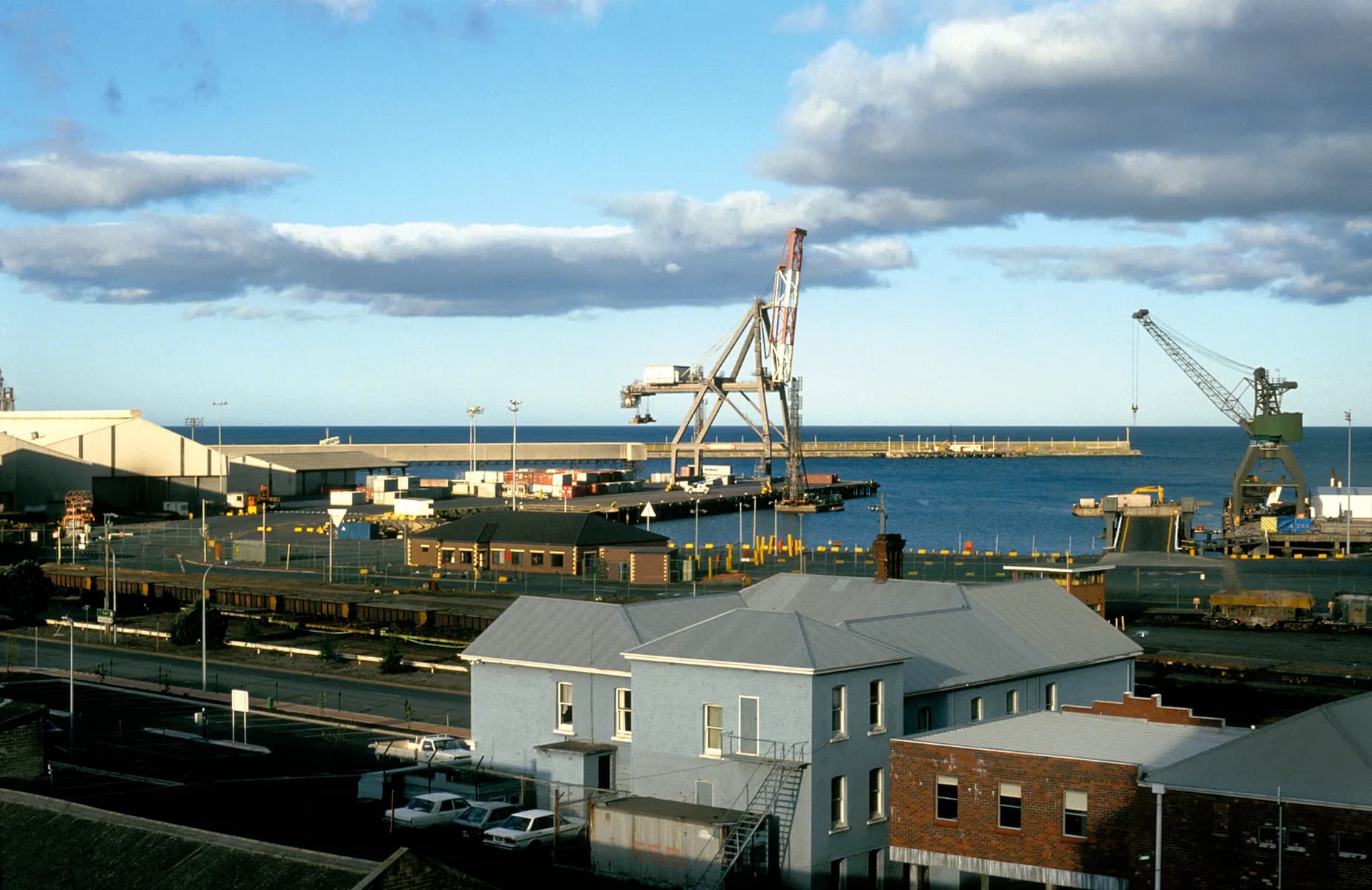
Burnie’s early settlement and industrial growth depended on coastal shipping. Successive harbour works created deeper berths and protected water, while rail and road links concentrated freight on the foreshore. The modern port therefore records both the city’s economic history and substantial alteration of the original coast.

Cruise visits use controlled arrangements
Burnie is also a cruise destination, but ships berth within the industrial port. TasPorts advises that private tour operators and passenger transfers need permission and security-list arrangements. Visitors should use official shuttle and meeting instructions rather than attempting to walk through operational areas.

Future works remain in planning
The Burnie Gateway initiative proposes staged infrastructure for larger vessels and growing mineral, forestry and container trades. Project descriptions are plans, not completed facilities, so this page distinguishes current operations from future proposals.

Public views are available from the city foreshore and elevated lookouts. Combine the industrial context with Burnie’s history, Burnie’s beaches and the Burnie railway story.