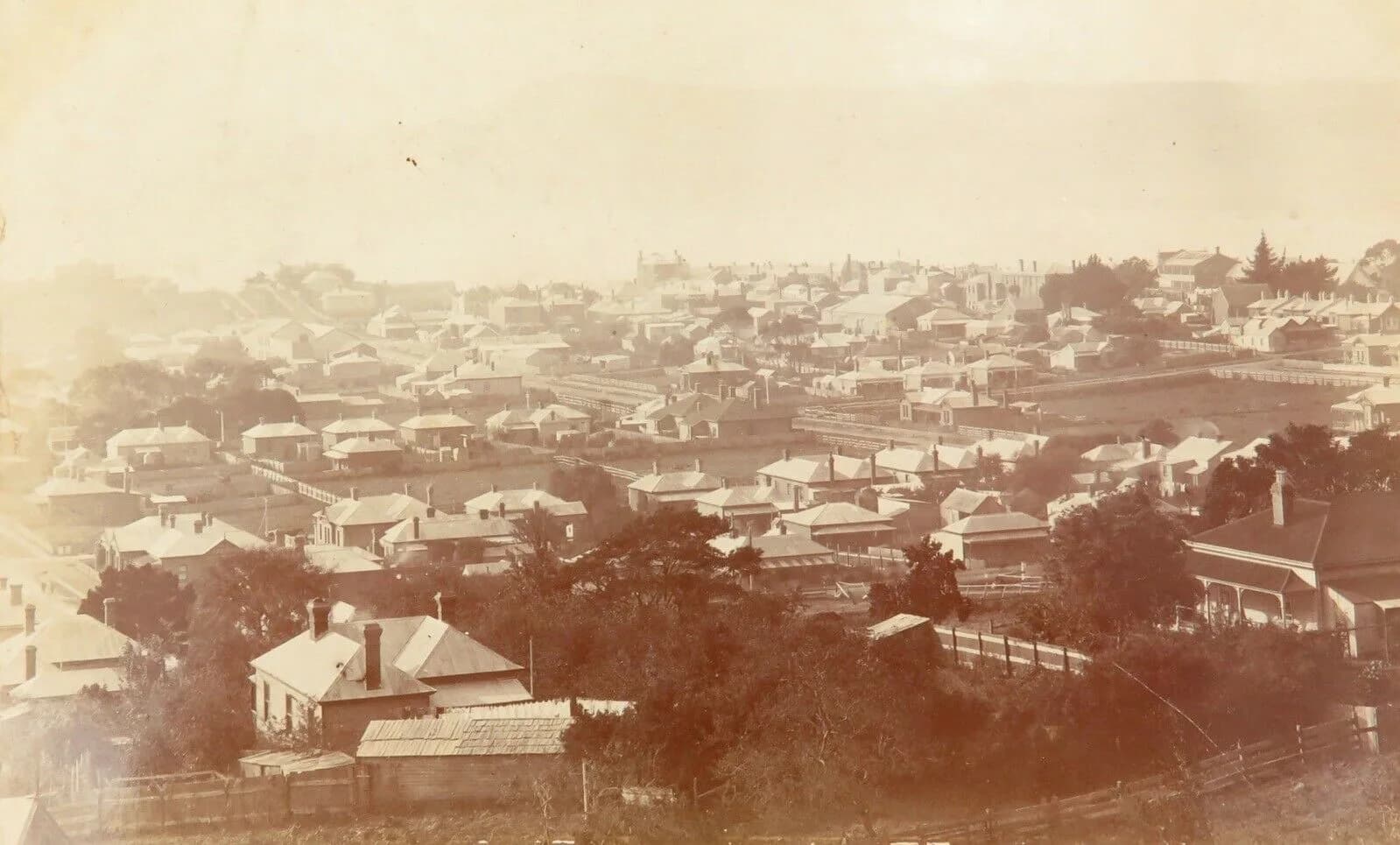

Burnie grew from the Van Diemen’s Land Company’s Emu Bay establishment into a port, railway town and industrial city. The present centre still reflects the constraint of a narrow coastal plain between sea and steep hills.
Emu Bay and the first streets
Early stores, tracks and jetties served Company land and shipping. Mount Street became a principal route inland, while the waterfront streets changed as port and railway land expanded.
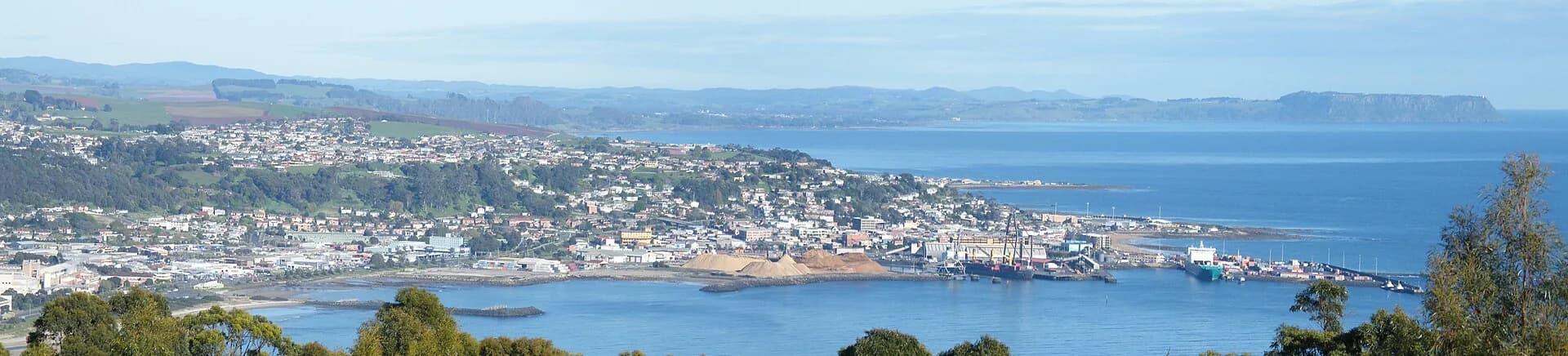

Rail and mining accelerated growth
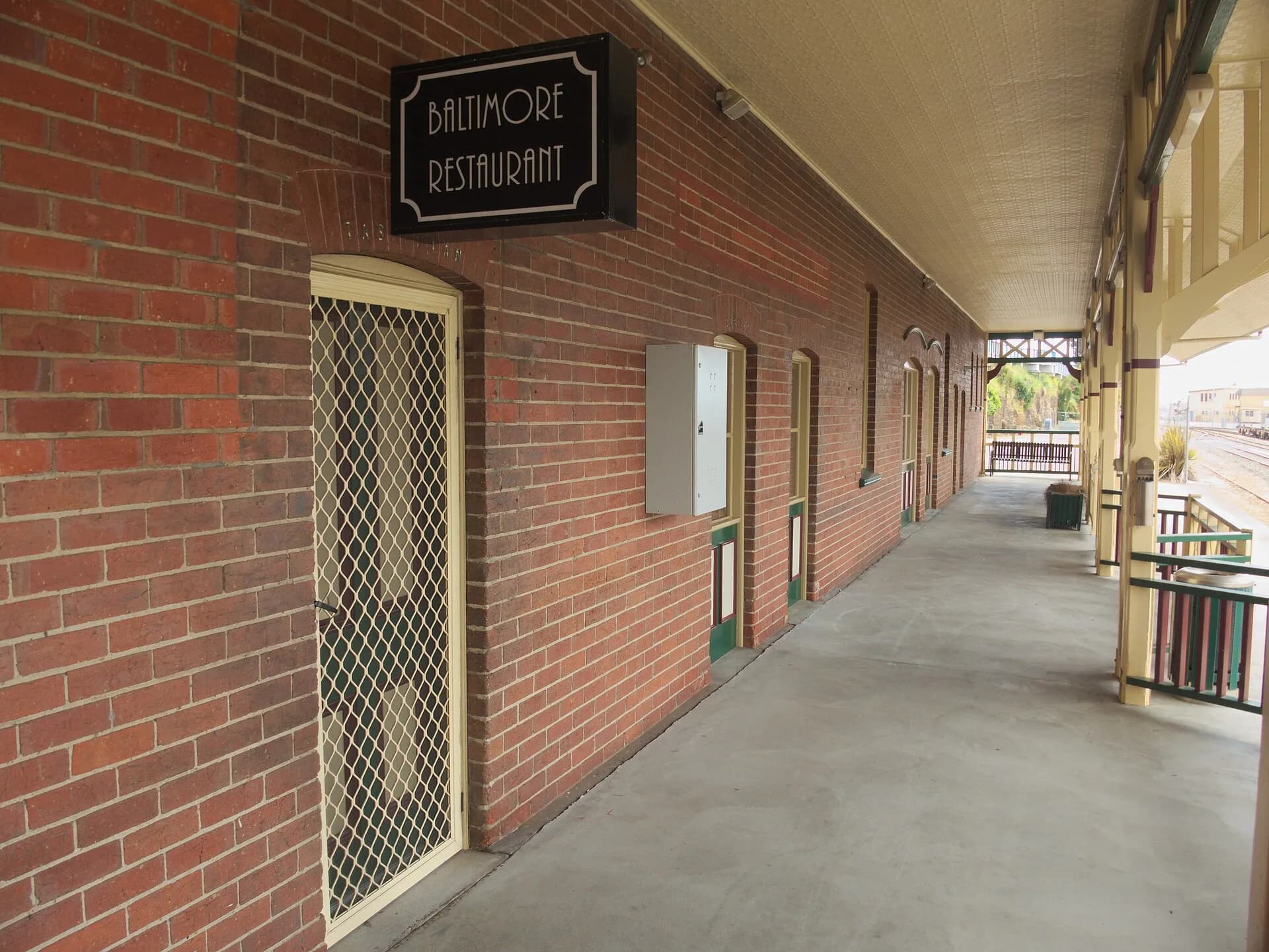
The Emu Bay Railway linked west-coast mineral districts with the port. Workers, goods and investment reshaped the town, while successive reclamation and transport works altered the original shoreline.

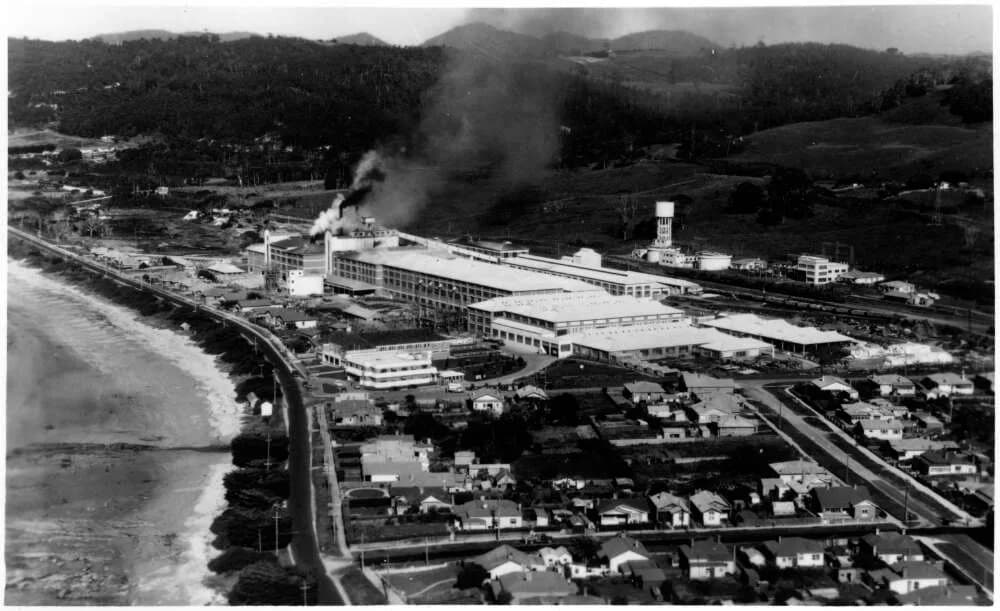
Industry made the modern city
Twentieth-century pulp and paper manufacturing drove population and suburban growth. This created work and civic confidence while also producing environmental costs that belong in the history.
_%E2%80%93_Winter%27s_Snappy_Service.jpg)
Follow the broader Burnie history and railway history, then use the Burnie guide for the city today.