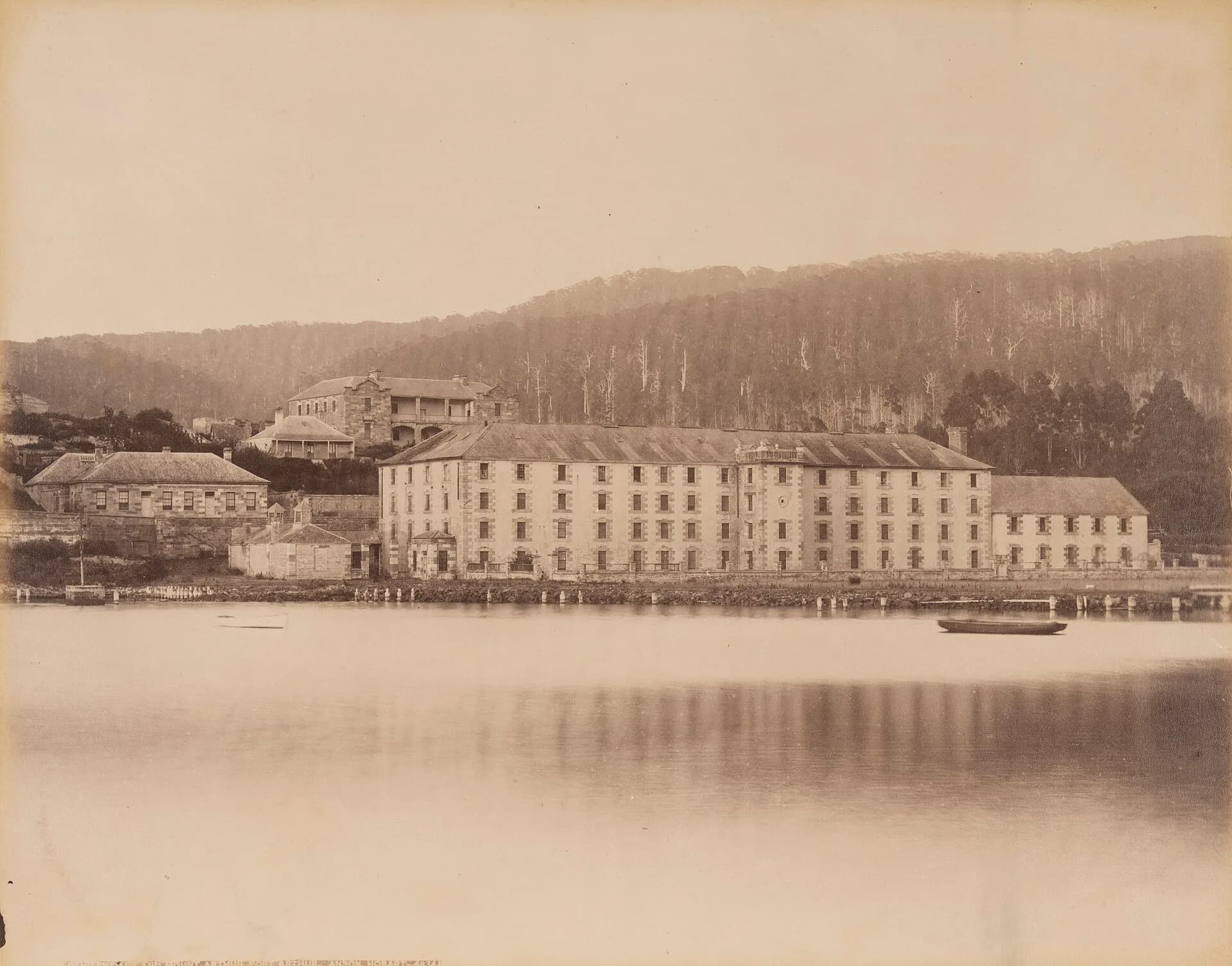

John Whelan, commonly called “Rocky” in later accounts, had served long sentences in New South Wales and on Norfolk Island before reaching Tasmania. After escape in the 1850s, he committed robberies and murders across southern and central districts.
The evidence comes from punitive records
Conduct records, warrants, court reports and newspapers document Whelan through institutions that punished him. They can establish dates and offences, but their language and later retellings still require scrutiny.
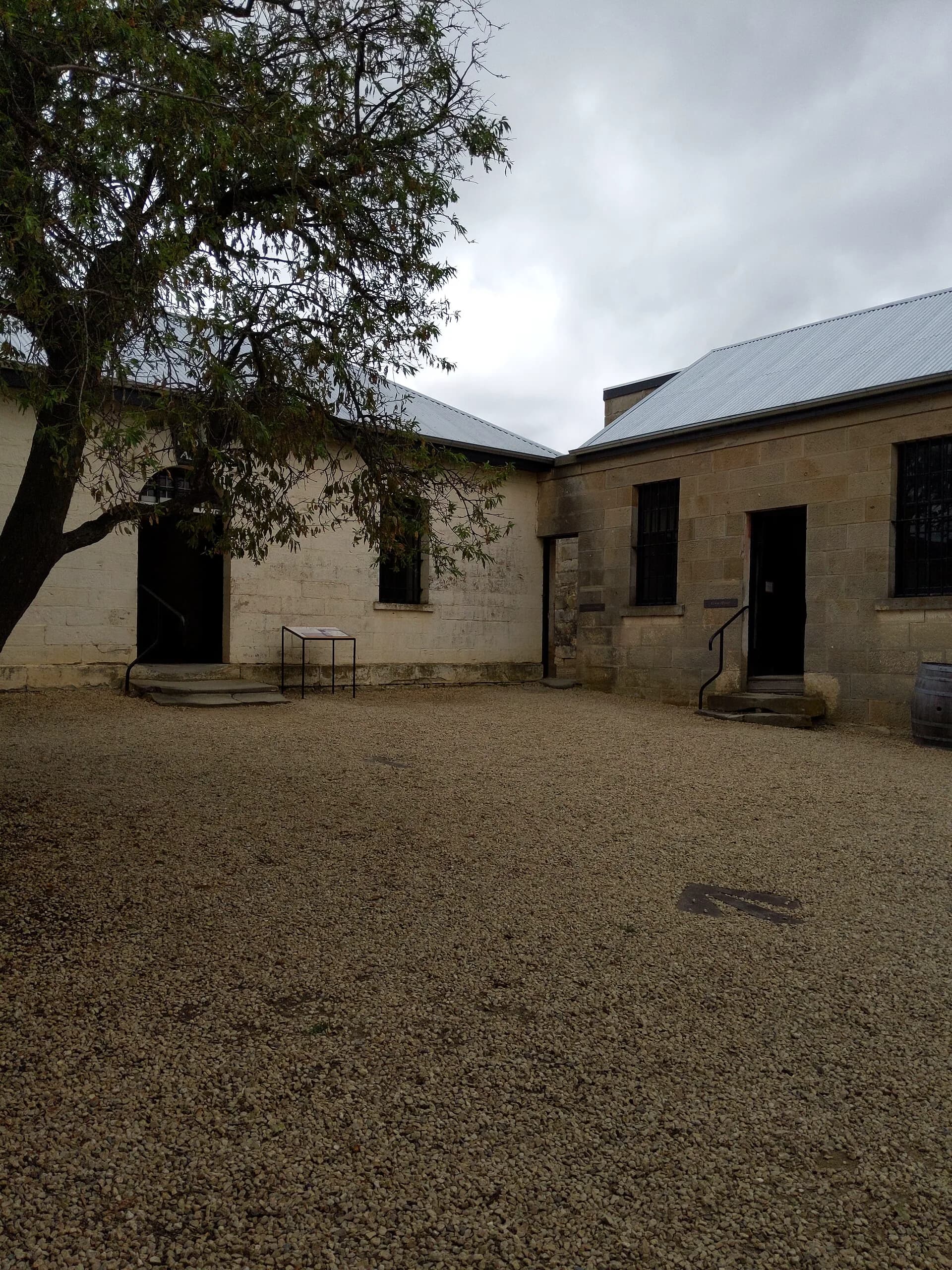

Victims should not disappear behind a nickname
Whelan confessed to multiple killings shortly before execution. Reporting should preserve uncertainty where bodies or identities were not securely matched and avoid turning violent acts into a colourful road story.


Capture and execution
Whelan was arrested in Hobart in 1855 and hanged at the city gaol on 26 June. Contemporary newspaper accounts are primary evidence, but confessions made under sentence of death need to be read in their legal and religious setting.
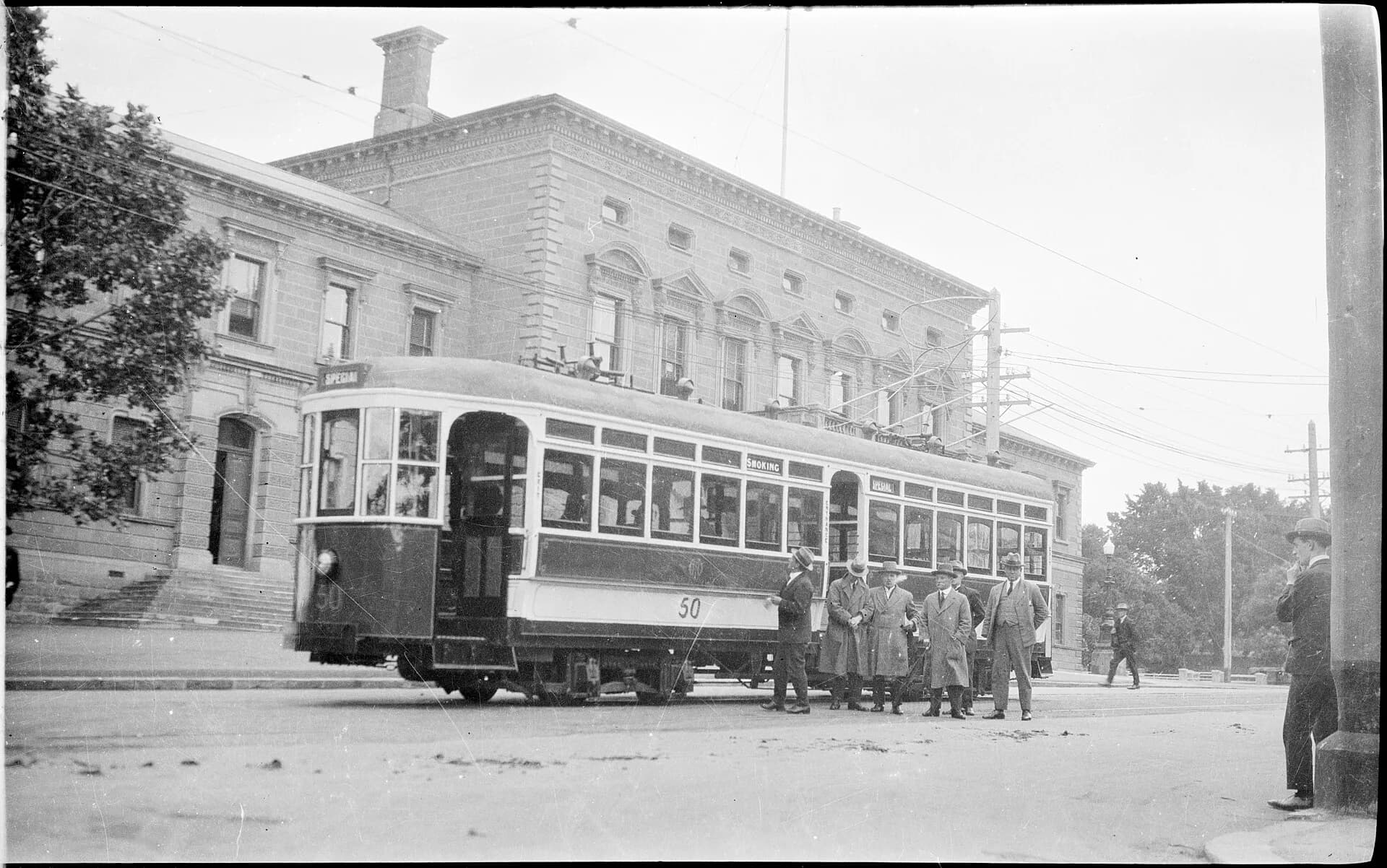
.jpg)
The Hobart Convict Penitentiary context and Tasmania’s convict past place this record within the punishment system.