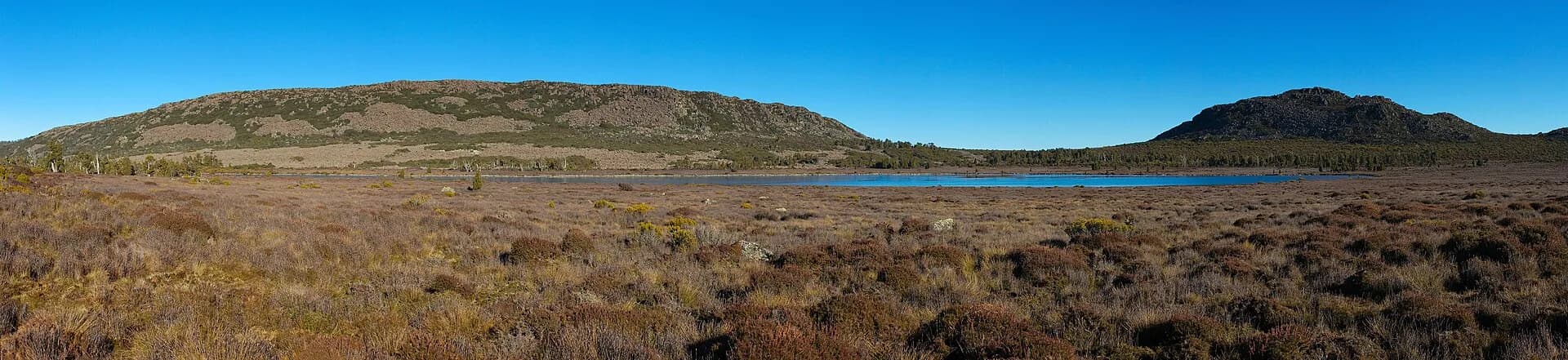

Michael Howe was transported to Van Diemen’s Land in 1812 and absconded the following year. He became a leader among escaped convicts and deserters whose armed raids exposed the weakness and violence of the early colonial state.
Bushranging grew from the convict frontier
Howe’s groups robbed farms and settlements, threatened residents and fought soldiers. Martial law, rewards and informers were used against them. Later rebellion narratives should not erase the people harmed.

Black Mary belongs in the account
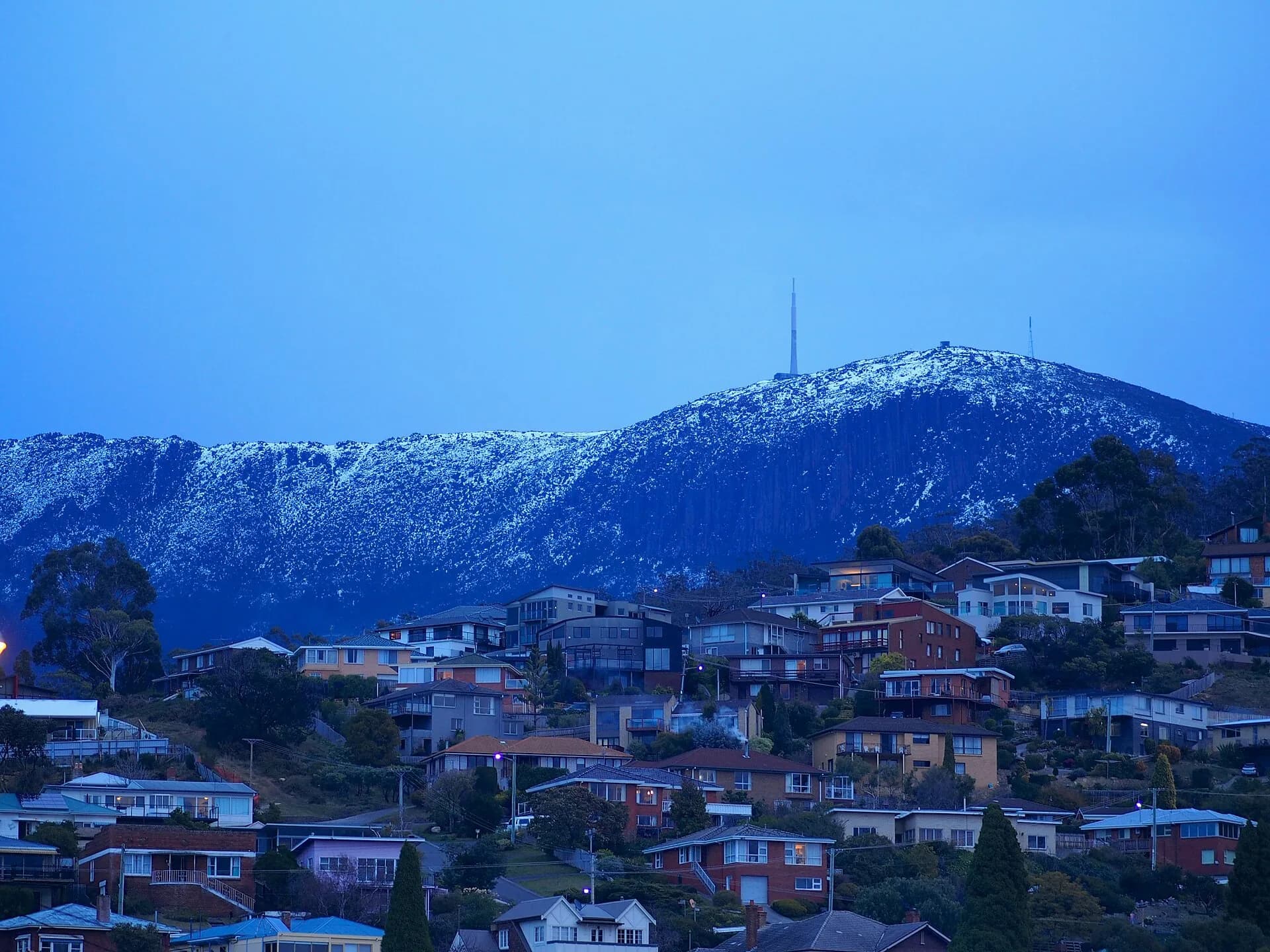
An Aboriginal woman known in records as Black Mary travelled with Howe and used knowledge of Country that helped him evade capture. Colonial sources frame her through Howe and disagree about coercion and loyalty, so certainty should not be invented.

Printed legend began immediately
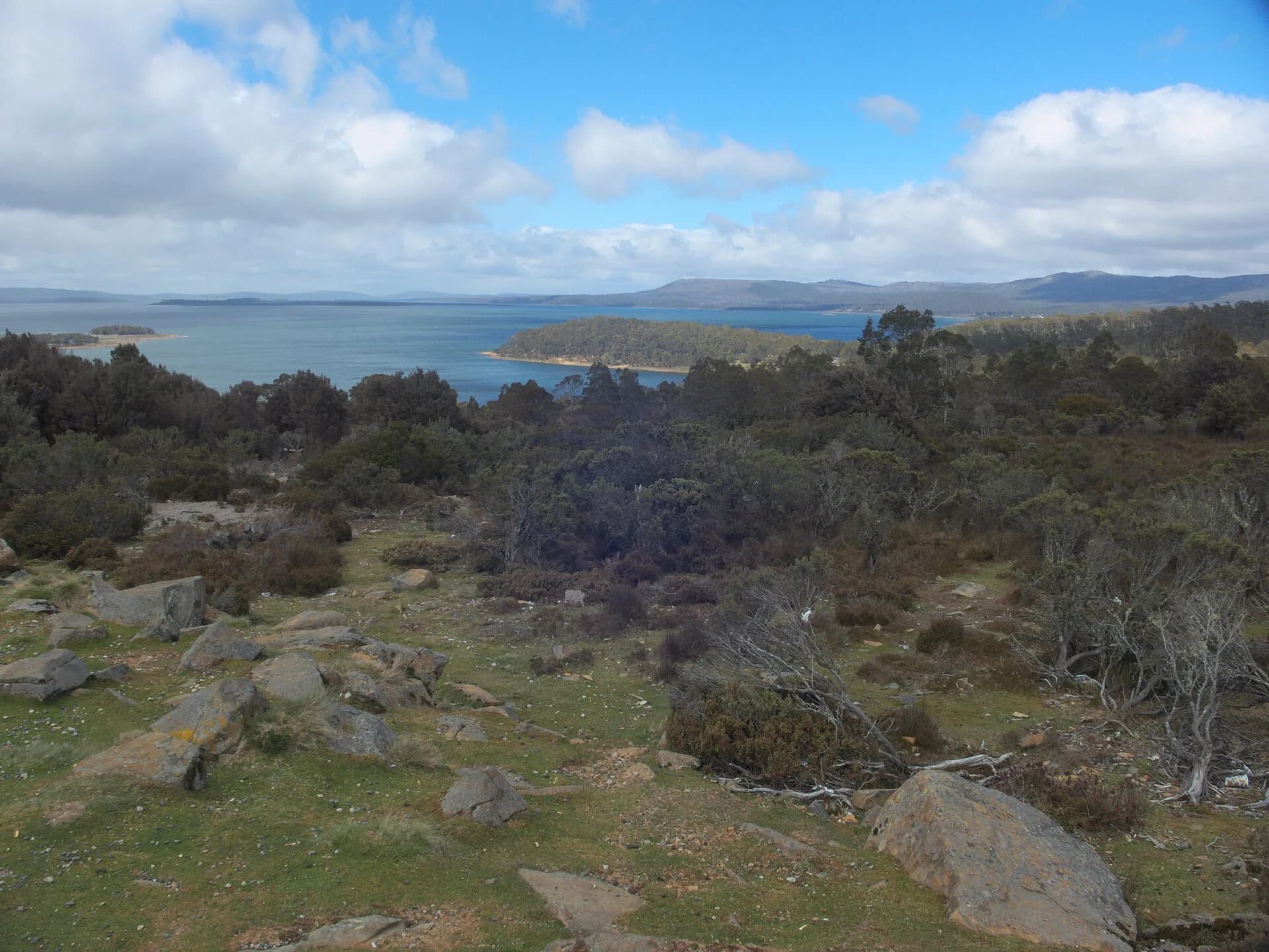
Howe was killed in 1818 after a prolonged pursuit. A government-linked pamphlet portrayed him as the “last and worst” bushranger, demonstrating how official narrative and popular legend formed around the events.
_(15205244415).jpg)
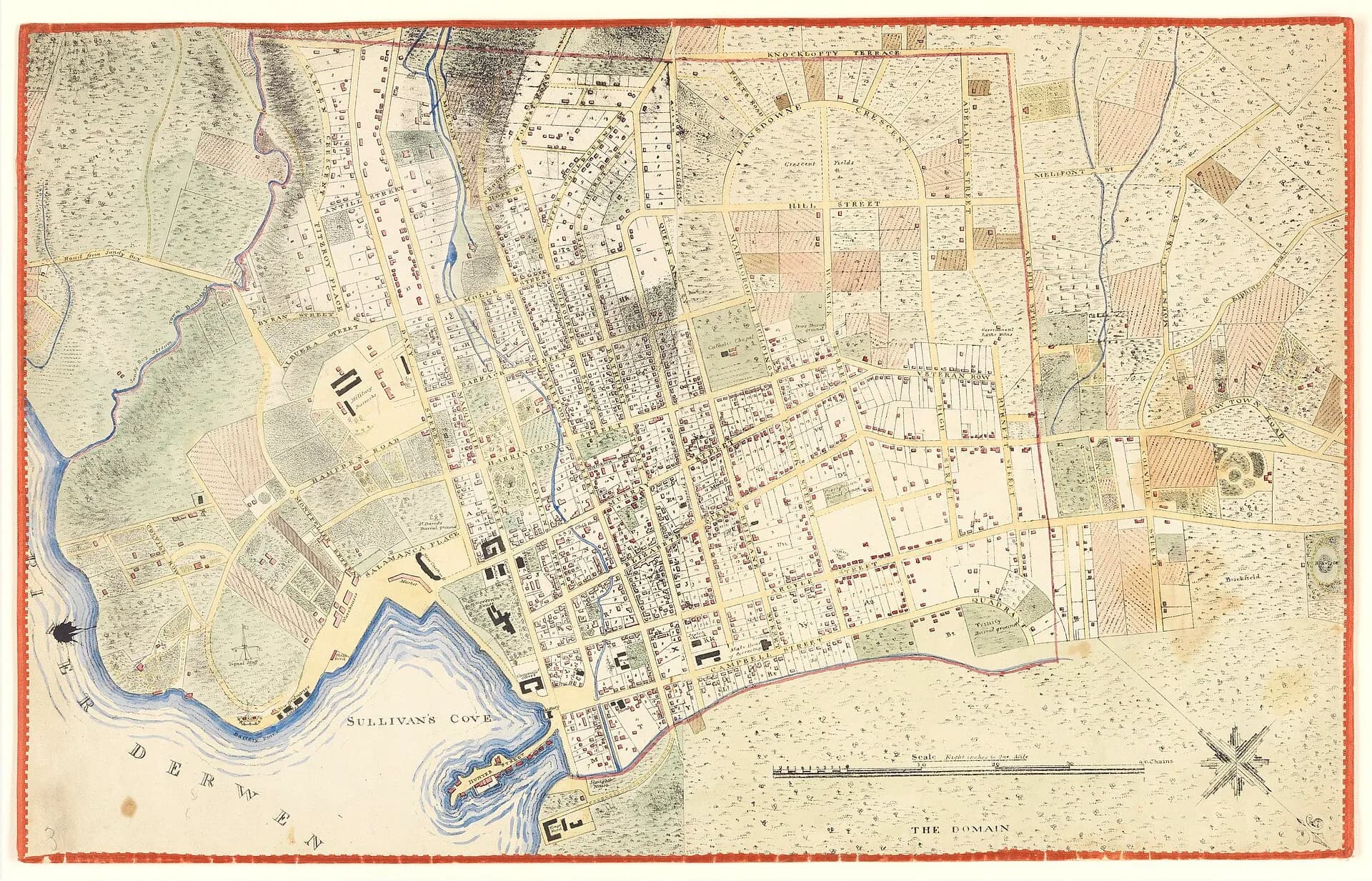
Compare the later careers of Matthew Brady and Martin Cash, and use the history of Tasmania for frontier context.