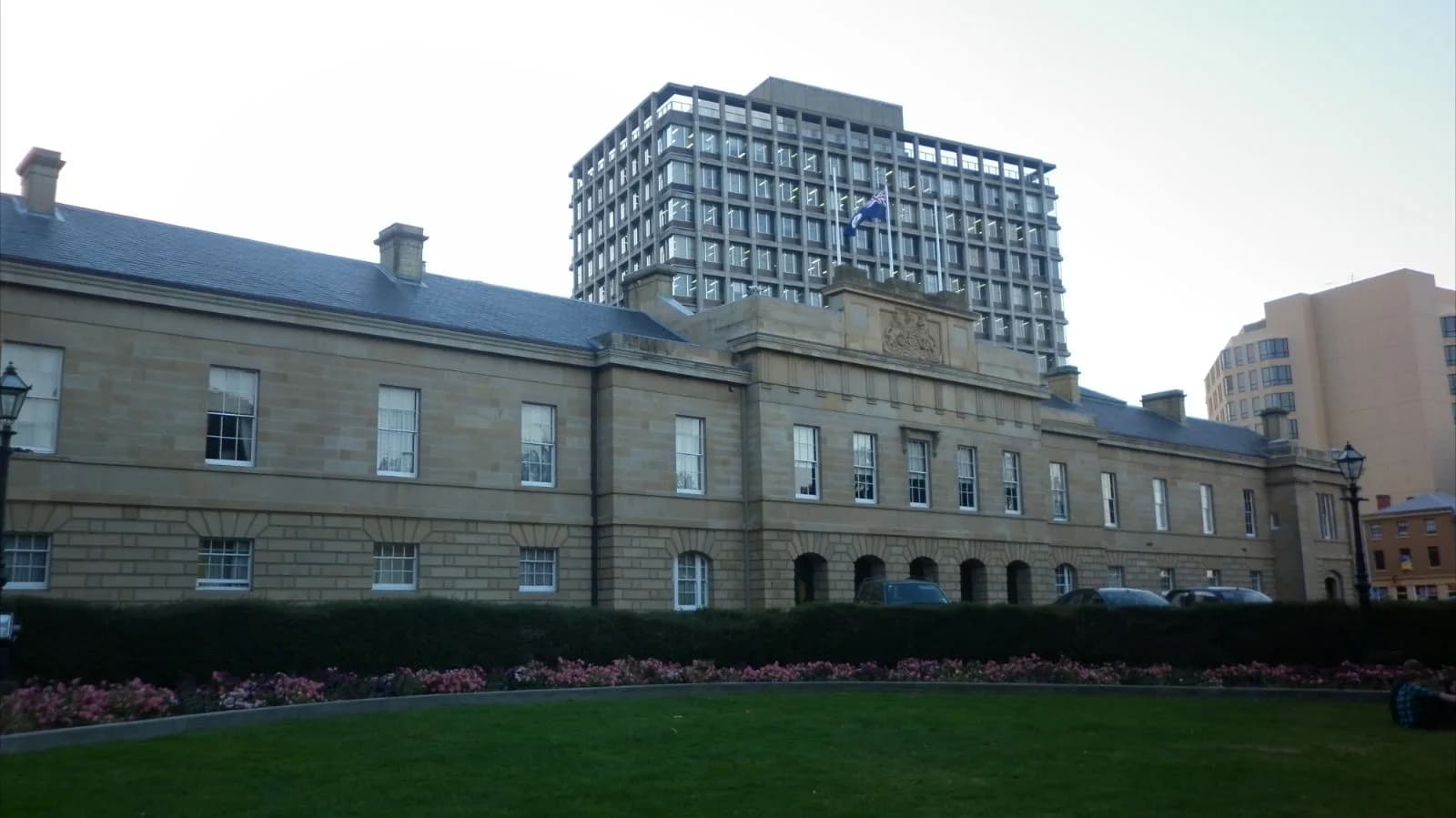

Hobart’s historic places are concentrated enough to explore on foot, but they do not tell one simple colonial story. Waterfront warehouses, government buildings, workers’ housing and convict institutions need to be read alongside Aboriginal Country and the city’s continuing change.
Begin at Sullivans Cove
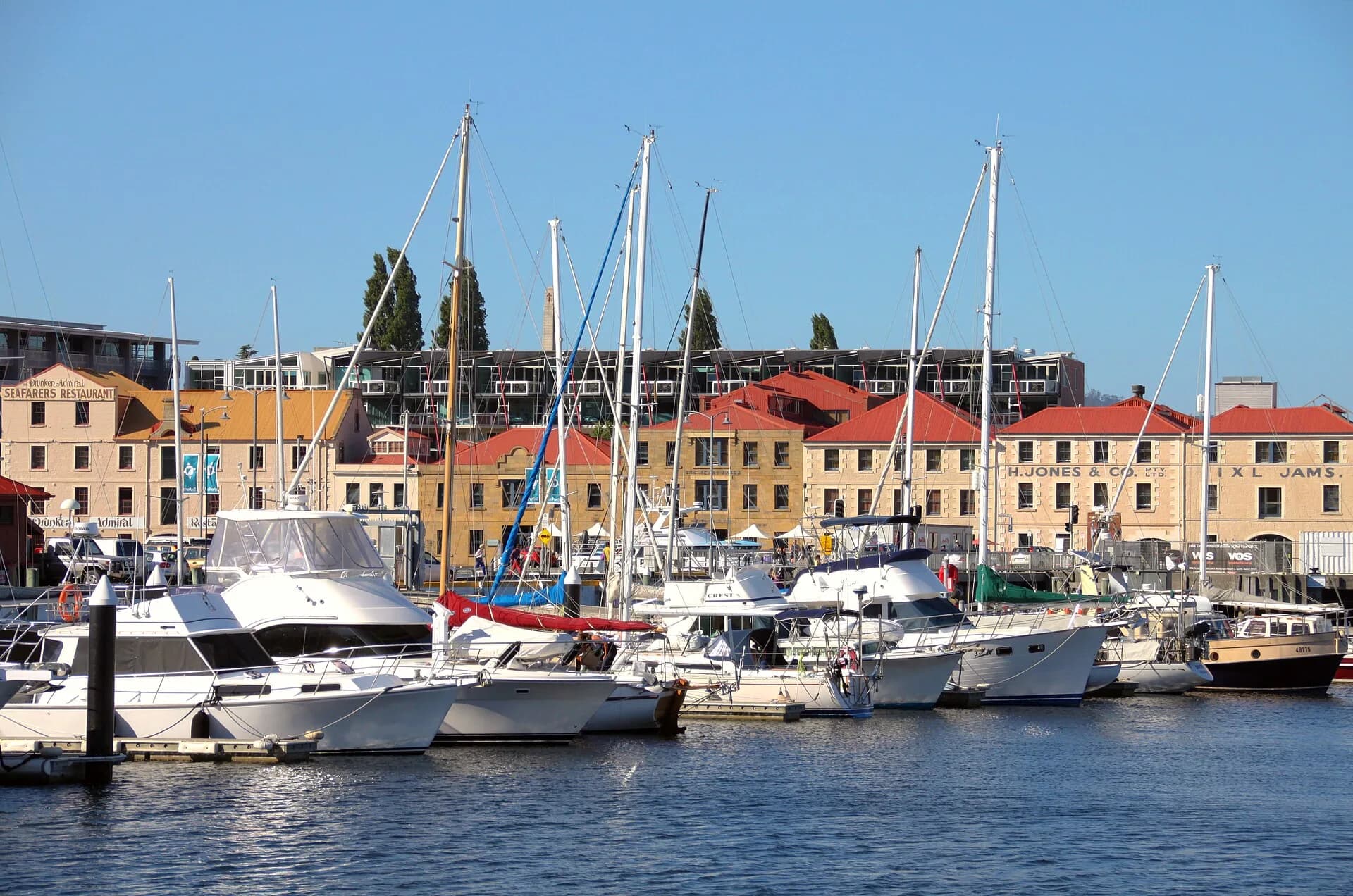
Salamanca Place, Parliament House and Hunter Street show how stores, customs, shipping and government shaped the port. Public streets give good exterior access, while building entry depends on current opening arrangements.

Walk Battery Point with restraint
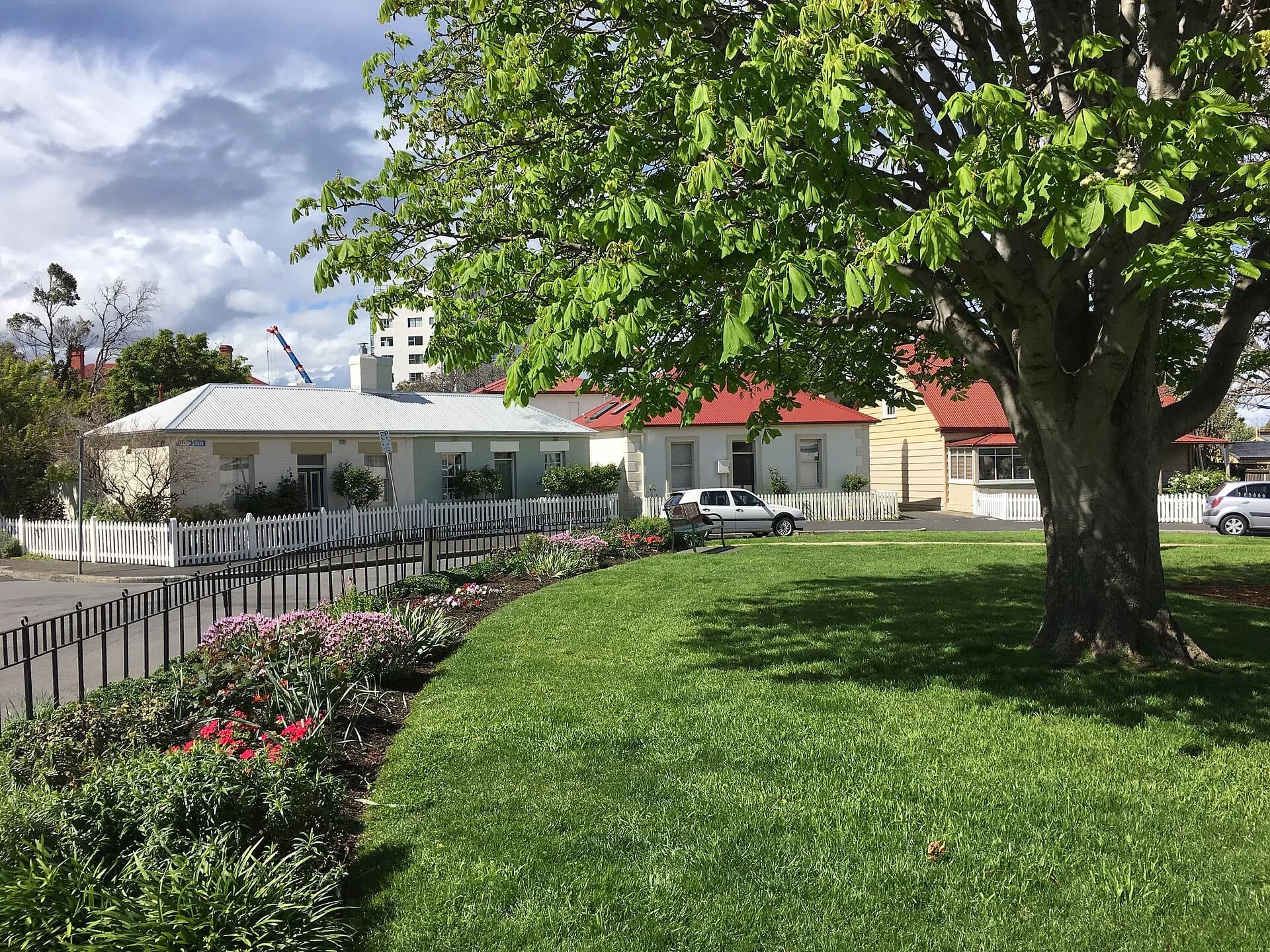
Battery Point includes cottages, terraces, churches and former maritime industry. It is also a residential neighbourhood. Use public lanes and paths, keep noise down and do not treat private doorways as visitor displays.

Include places of punishment and labour
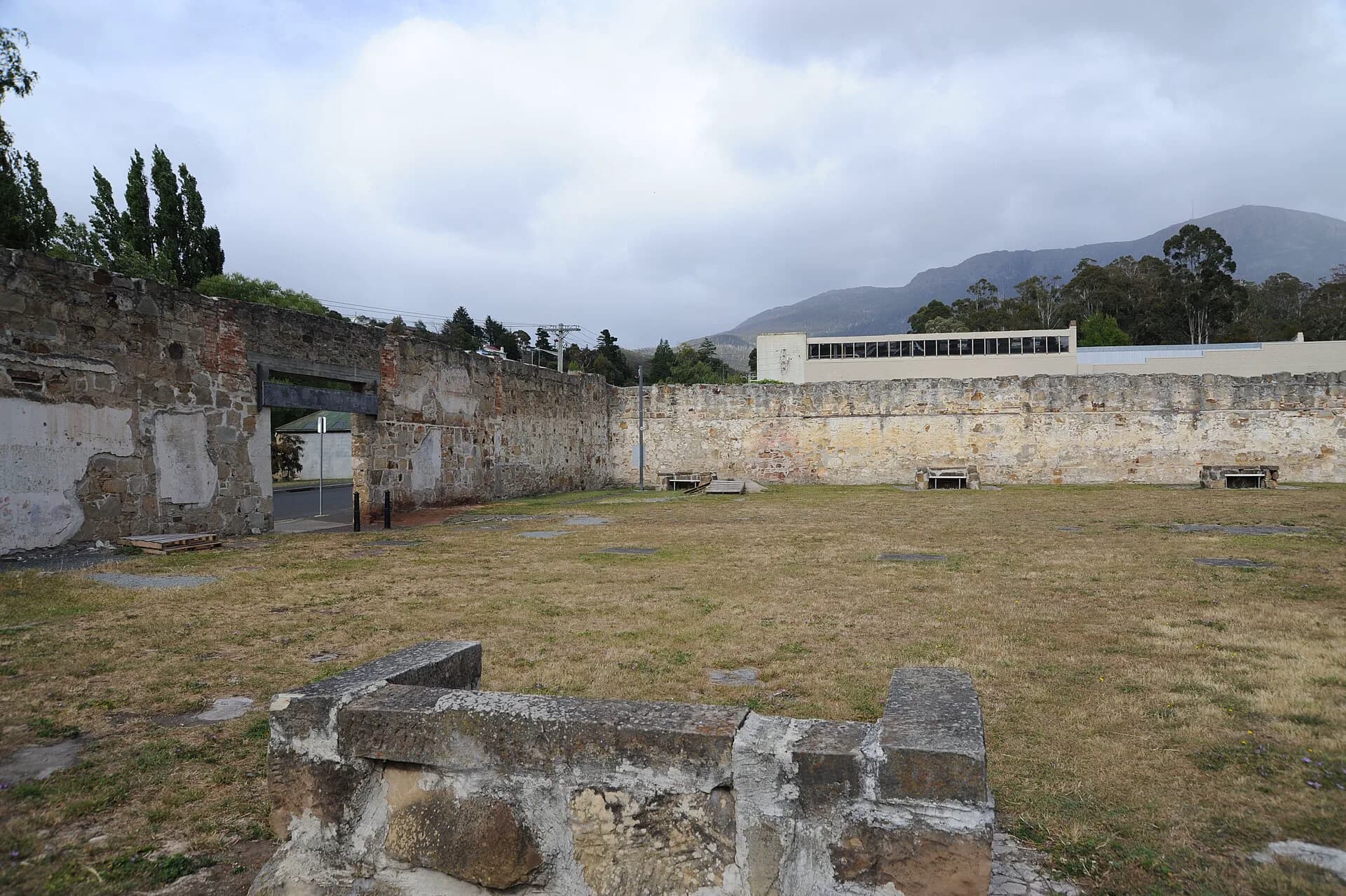
The Cascades Female Factory and Hobart Convict Penitentiary explain coercion, classification and labour more directly than picturesque streets alone. Allow time for interpretation rather than collecting façades.

Use the Hobart architectural walk for a street route and the Hobart museums guide for collections and indoor interpretation.