.jpg)
The Tasman Peninsula coastline in brief
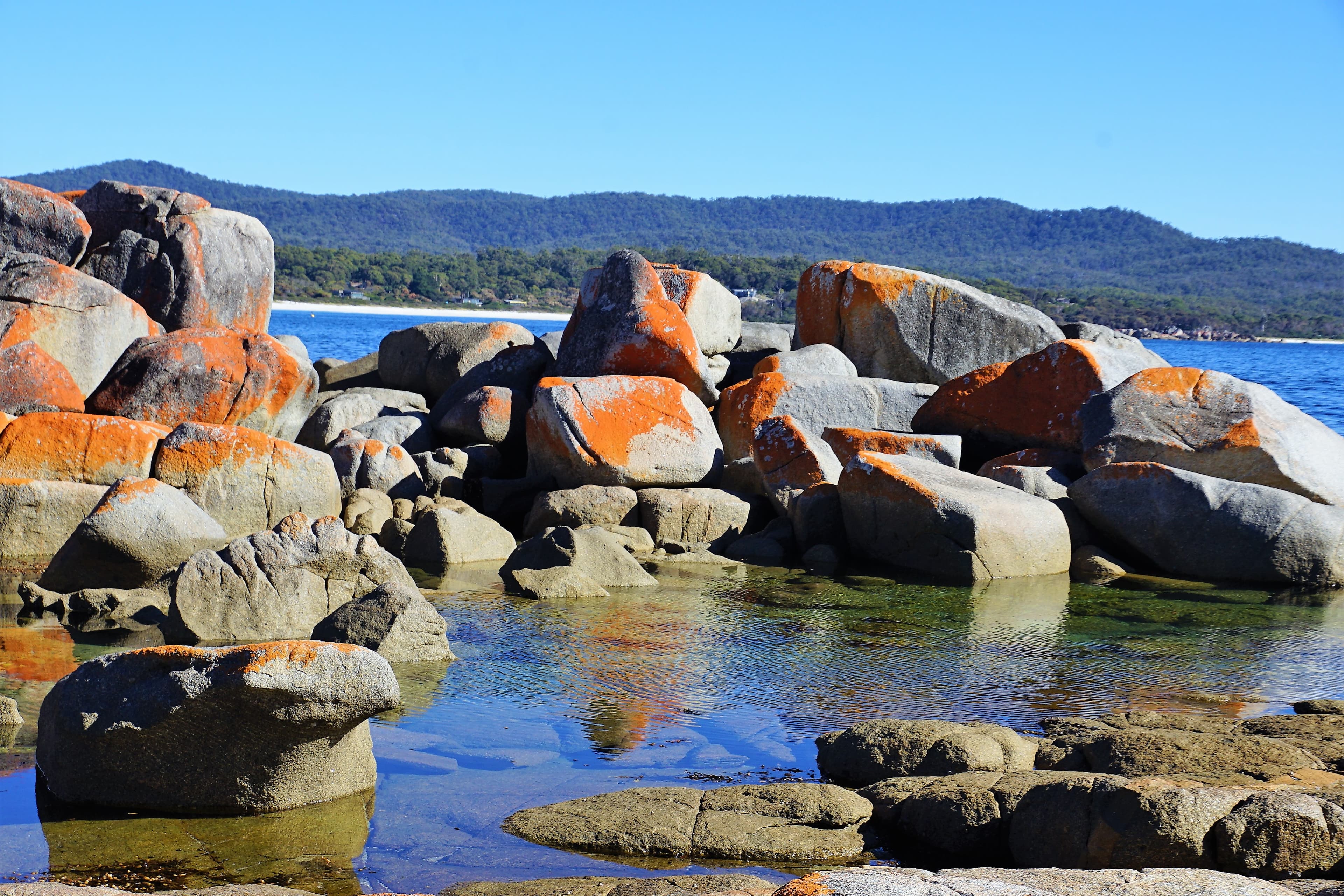
Tasman National Park protects a dramatic stretch of south-east coastline where tall dolerite cliffs meet the Southern Ocean. Expect a mix of soaring headlands, short coastal walks and accessible bays. The area is used for walking, diving, kayaking, fishing and, for experienced big-wave surfers, locations that can produce hazardous surf. A valid parks pass is required to enter Tasmania's national parks.
Cliffs, lookouts and simple precautions
Much of the peninsula is defined by high sea cliffs and dramatic rock features. Visitor facilities include formed lookouts and short graded tracks in many places. Use those lookouts and remain behind barriers. Avoid cliff edges in windy or spray conditions and be conservative when conditions are rough; some sea features are best viewed from a safe distance.
Walks from day trips to the Three Capes Track
You can experience the cliff scenery on short walks to places such as Cape Raoul and Cape Hauy, or on the multi-day Three Capes Track that takes walkers along the highest coastal escarpments. Tracks are well graded in the main visitor areas but conditions can change quickly, so check park alerts before you set out. Fortescue Bay is the usual start or finish for longer walks and is accessible by sealed road from Hobart.
Fortescue Bay and practical facilities
Fortescue Bay offers campsites set among coastal eucalypts with a wide sand beach and basic visitor services. Campground bookings are managed through Parks Tasmania; check for availability and facility updates before you go. The peninsula is easily reached from Hobart by sealed roads, with a typical drive time cited from Hobart by the park authority. Maps and local information are available from Parks Tasmania offices and visitor centres.
Wildlife on the coast: what to look for and how to act
The coastal waters and offshore islands support a variety of seabirds and marine life. Little penguins, short-tailed shearwaters and the shy albatross are among species tied to these shores and nearby islands. Seabirds nest in specific areas and colonies are vulnerable to disturbance. Keep to recommended viewing points, respect protective fencing and stay off breeding colonies and burrows.
Beach behaviour and shorebird protections
Many shorebird species nest on open beaches. Between spawning and chick-rearing seasons protective measures such as temporary fencing are put in place on some beaches. Walk on the wet sand below the high tide mark during the nesting months indicated by local signs, keep dogs away from fenced or signed nesting zones and keep dogs on a lead where signage requires it. Do not drive vehicles on beaches that carry nesting birds. Dispose of fishing line and litter responsibly; entanglement and trampling are real threats.
High-risk locations and surf awareness
Certain spots are known for dangerous surf and powerful waves. If you are planning to surf, dive or kayak in exposed locations, be realistic about your skills and local hazards. Some surf breaks and offshore conditions can be hazardous even to experienced users, and offshore currents and swell can change quickly.
Seasonal and variable details to check before you travel
Conditions can change with the season. Shorebird breeding seasons and temporary fencing appear at specific times of year, and marine or weather warnings can close or alter access to coastal tracks and boat launches. Check Parks Tasmania for reserve alerts and current rules, and contact the local Parks office for campground booking status and any track notices. If you see an injured or stranded little penguin, report it to the relevant local wildlife authority or the Parks office.
Suitability and preparedness
This coastline suits a range of visitors: day walkers, campers, snorkellers and experienced sea users. Short walks and formed lookouts are accessible to most visitors; multi-day tracks and exposed sea activities require greater fitness, experience and a conservative approach to weather and sea state. Carry layered clothing, a map or local guidance, and a plan that allows you to turn back if conditions deteriorate.
Single checks to remember
Before you go: ensure you have a valid parks pass and have checked park alerts. At the coast: use formed lookouts and stay behind barriers at cliffs. On beaches: follow shorebird signage, keep dogs away from nesting sites and do not drive on beaches with nesting birds. If you encounter wildlife problems, report them to the local Parks office or wildlife management branch.