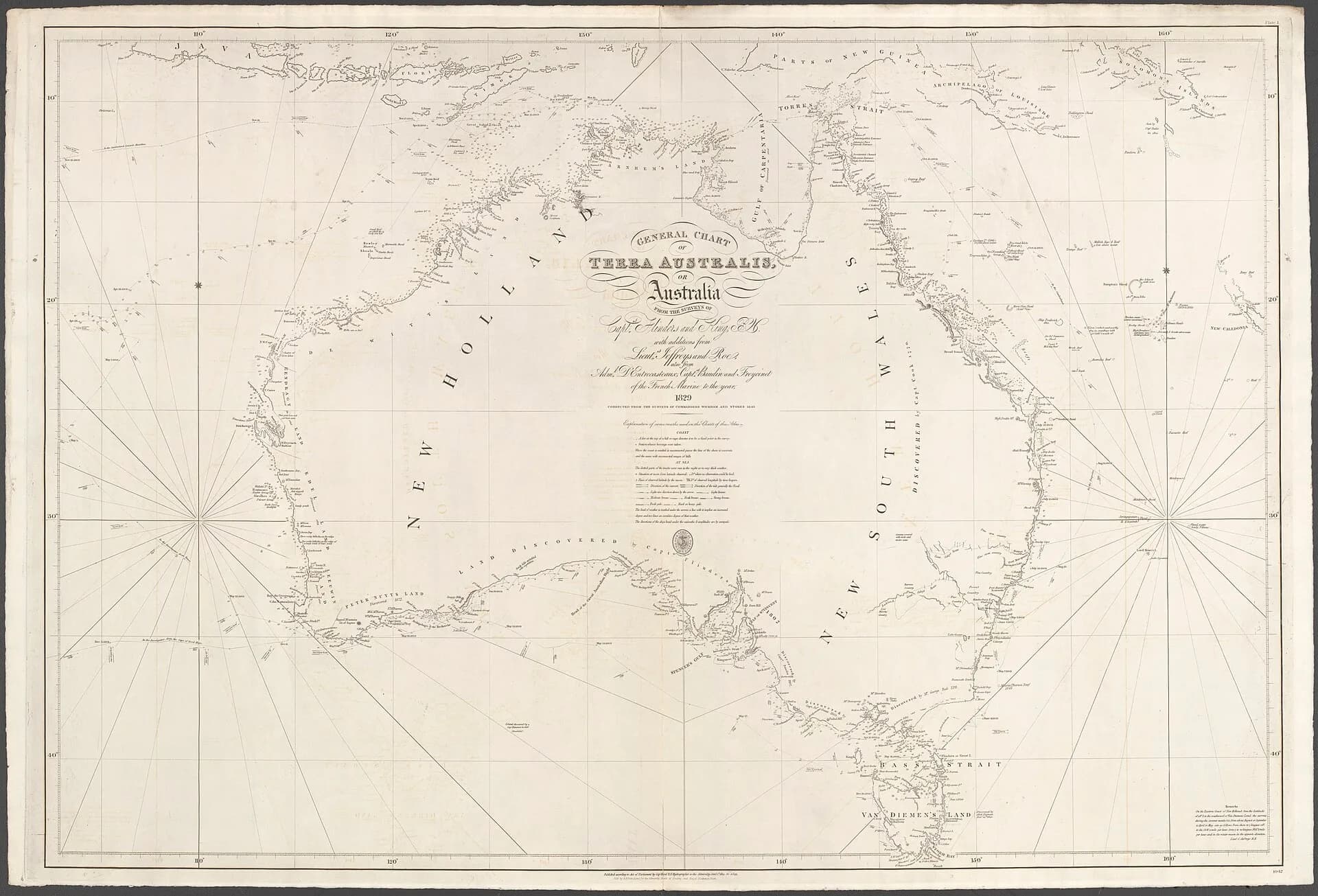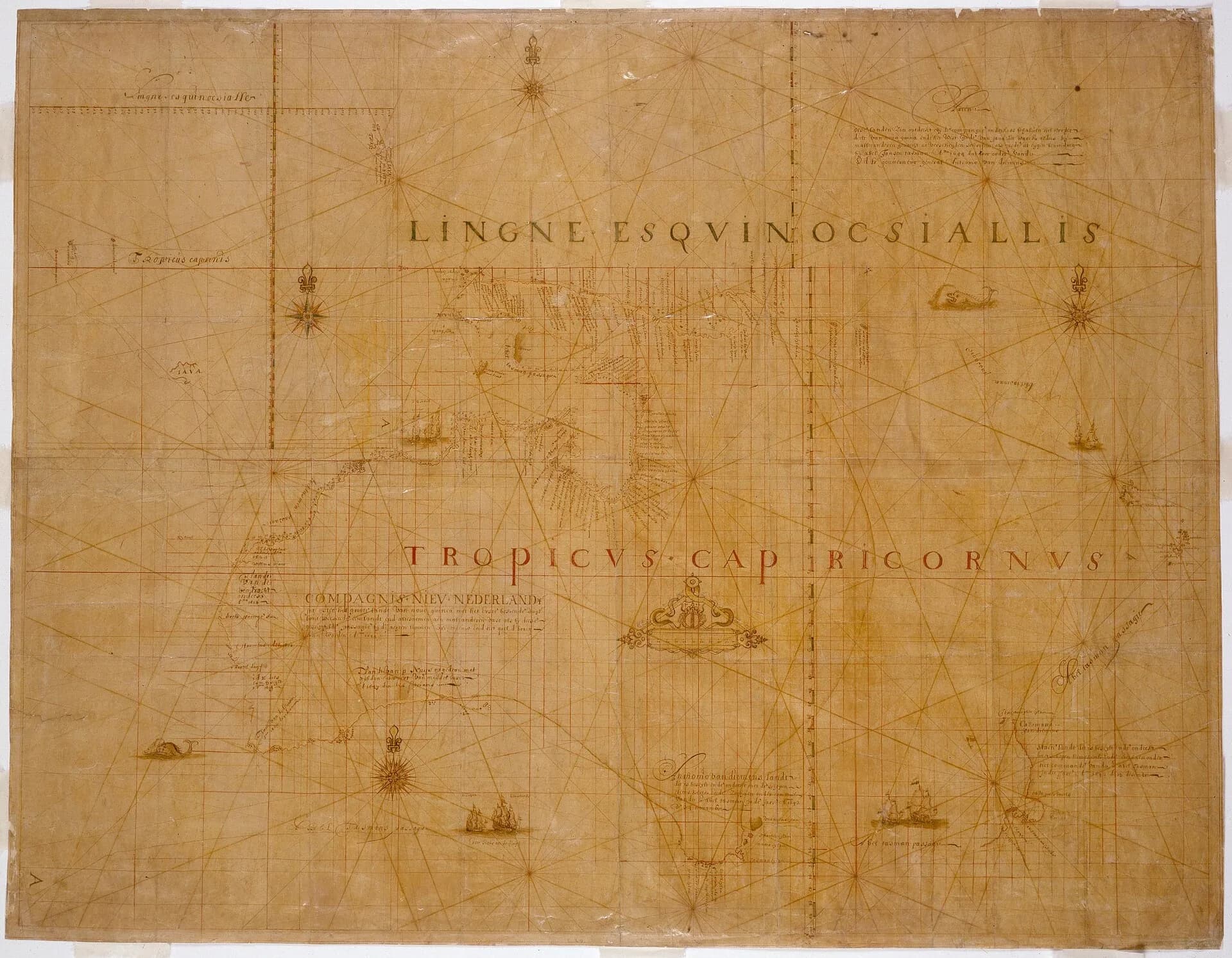

Marc-Joseph Marion du Fresne led the French vessel Mascarin into waters off eastern Tasmania in March 1772. The visit is historically significant because expedition logs record the first documented encounter between Tasmanian Aboriginal people and Europeans.
The record comes from French officers
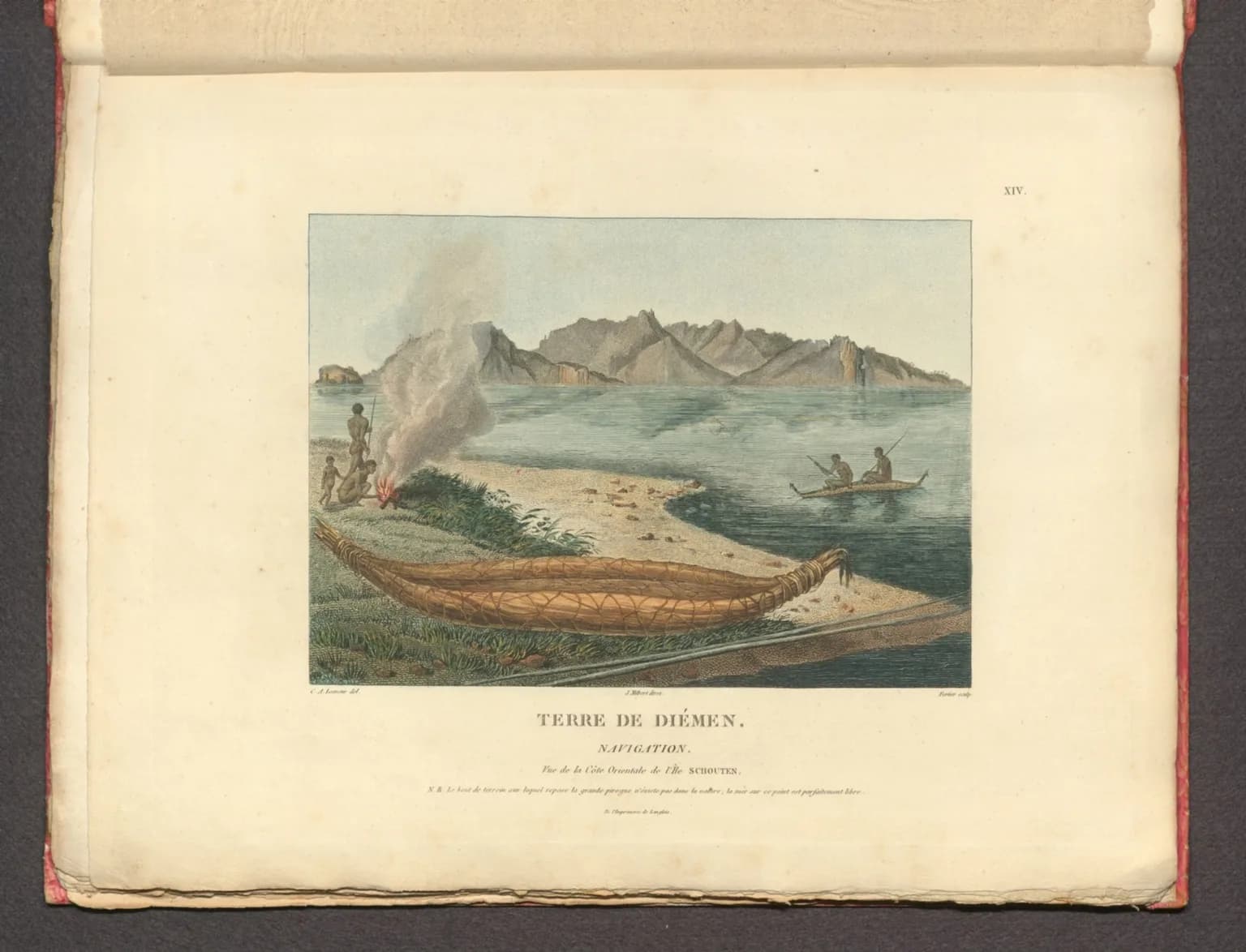
Surviving logs describe landings, observations and an encounter on the east coast. These are valuable primary records, but they preserve French perceptions and priorities. They do not tell the event from the perspective of the Aboriginal people whose Country the expedition entered.
.jpg)
University of Tasmania archival descriptions identify extracts from the officers' logs for the Tasmanian part of the voyage. Comparing the documents helps distinguish contemporary evidence from later retellings.
Contact became violent
The National Museum of Australia identifies the visit as the first documented European contact with Tasmanian Aboriginal people. The encounter escalated and shots were fired. It should not be turned into a simple exploration milestone or a list of European place names.
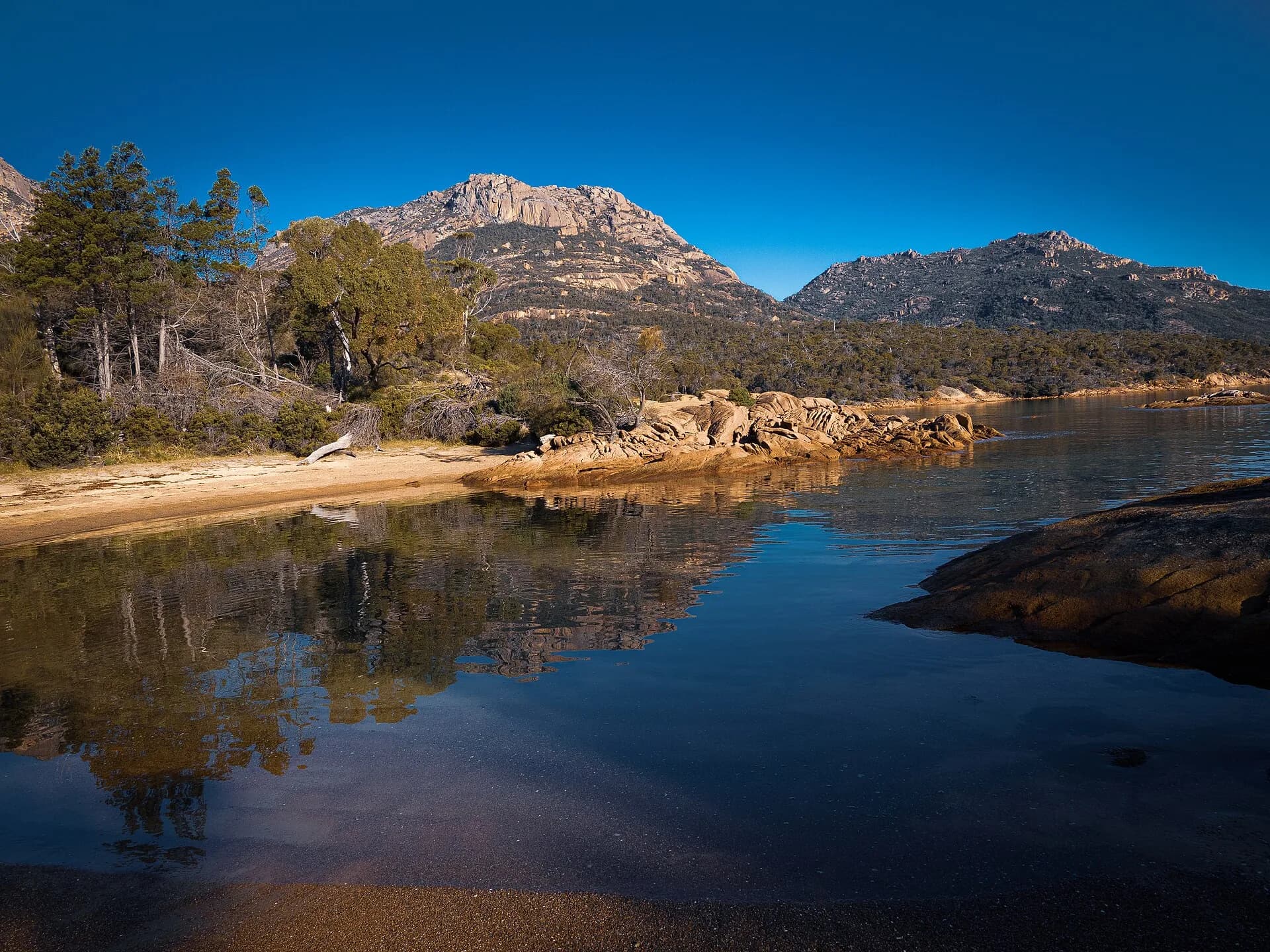

The event belongs within the much longer history of Aboriginal Tasmania and the later pattern of European voyages, settlement and dispossession. Aboriginal Tasmania provides that essential frame.
Read it beside other voyages
European exploration of Tasmania sets out the broader chronology. Abel Tasman covers the 1642 charting voyage, while Nicolas Baudin explains a later French scientific expedition with a different scale and purpose.