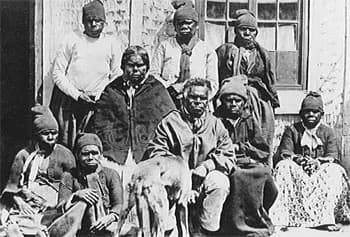

Tasmanian Aboriginal people have lived on lutruwita for more than 40,000 years and remain a living community. The language of extinction once used in museums and histories is false and harmful. Culture, families, Country and political action continued through invasion, violence and forced removal.
Country holds deep knowledge
Sea-level change, fire, seasonal movement, food gathering, stone work, shelters and ceremonial places form part of diverse relationships with land and sea. Archaeological evidence records only part of knowledge held and renewed within community.

.jpg)
Invasion brought dispossession and violence
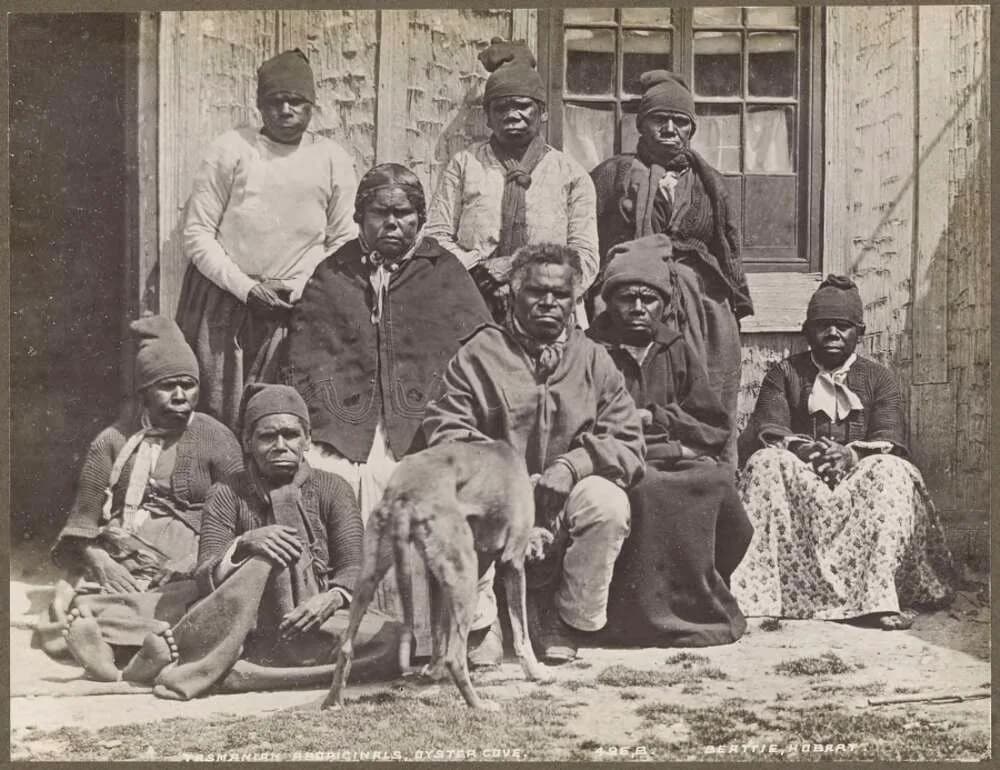
British occupation from 1803 expanded through grants, stock, sealing and military force. Frontier conflict, abduction, disease and removal to places including Wybalenna and Oyster Cove caused immense loss. Colonial records often describe Aboriginal people through the priorities of officials and settlers.

Survival is central, not an epilogue
Bass Strait Islander families, mainland survivors and later generations maintained identity and fought for land, cultural rights and recognition. Language renewal, land management, art and community institutions belong to the present.
.jpg)
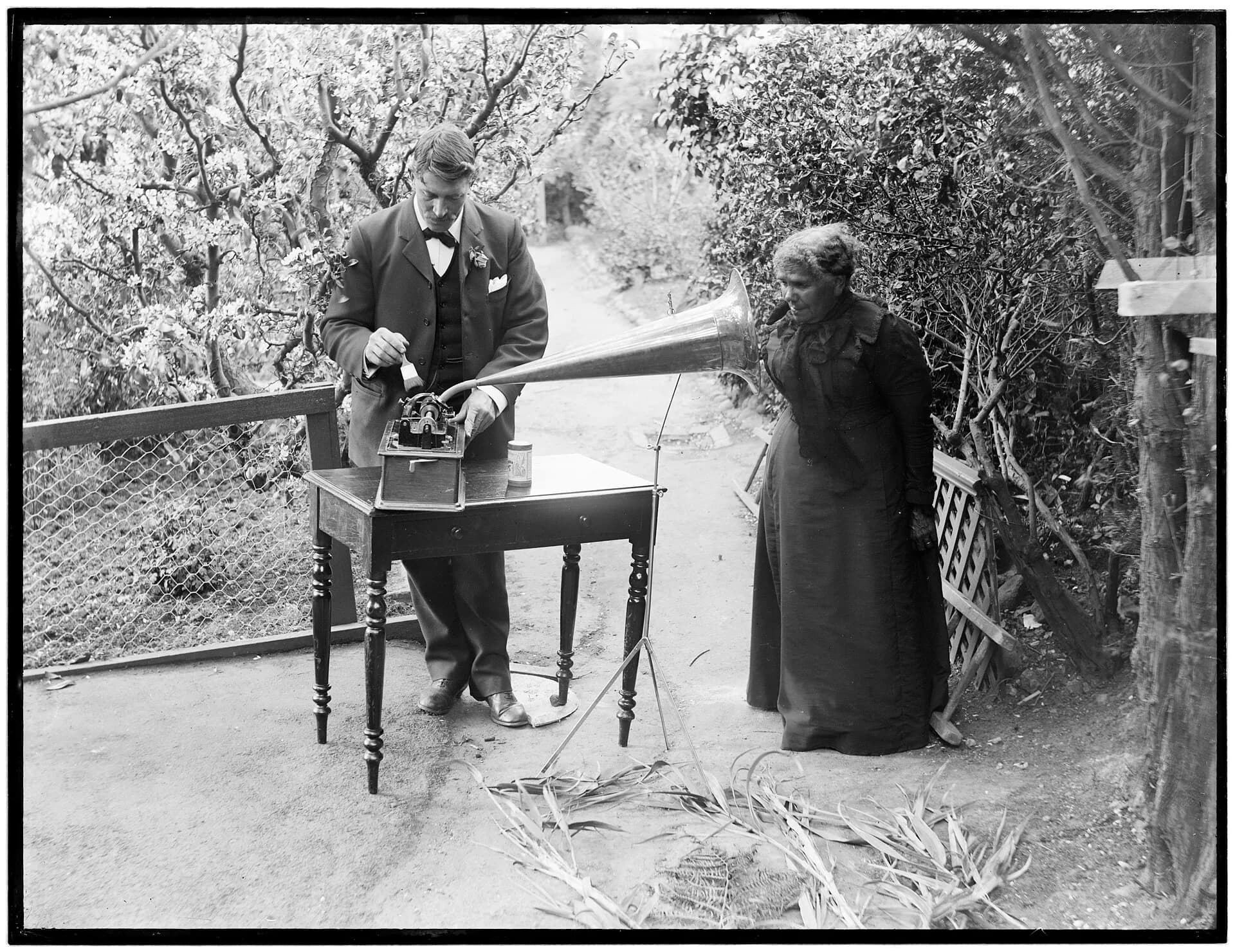
Read Fanny Cochrane Smith as a cultural leader and matriarch, and approach Oyster Cove as a place of survival as well as forced removal. Follow Tasmanian Aboriginal organisations for community perspectives and cultural protocols.