
Tasmania’s cities and larger towns have public transport, but many parks, beaches and rural attractions are easiest to reach by road. Choose transport after deciding where you want to go, not before.
Arriving by air
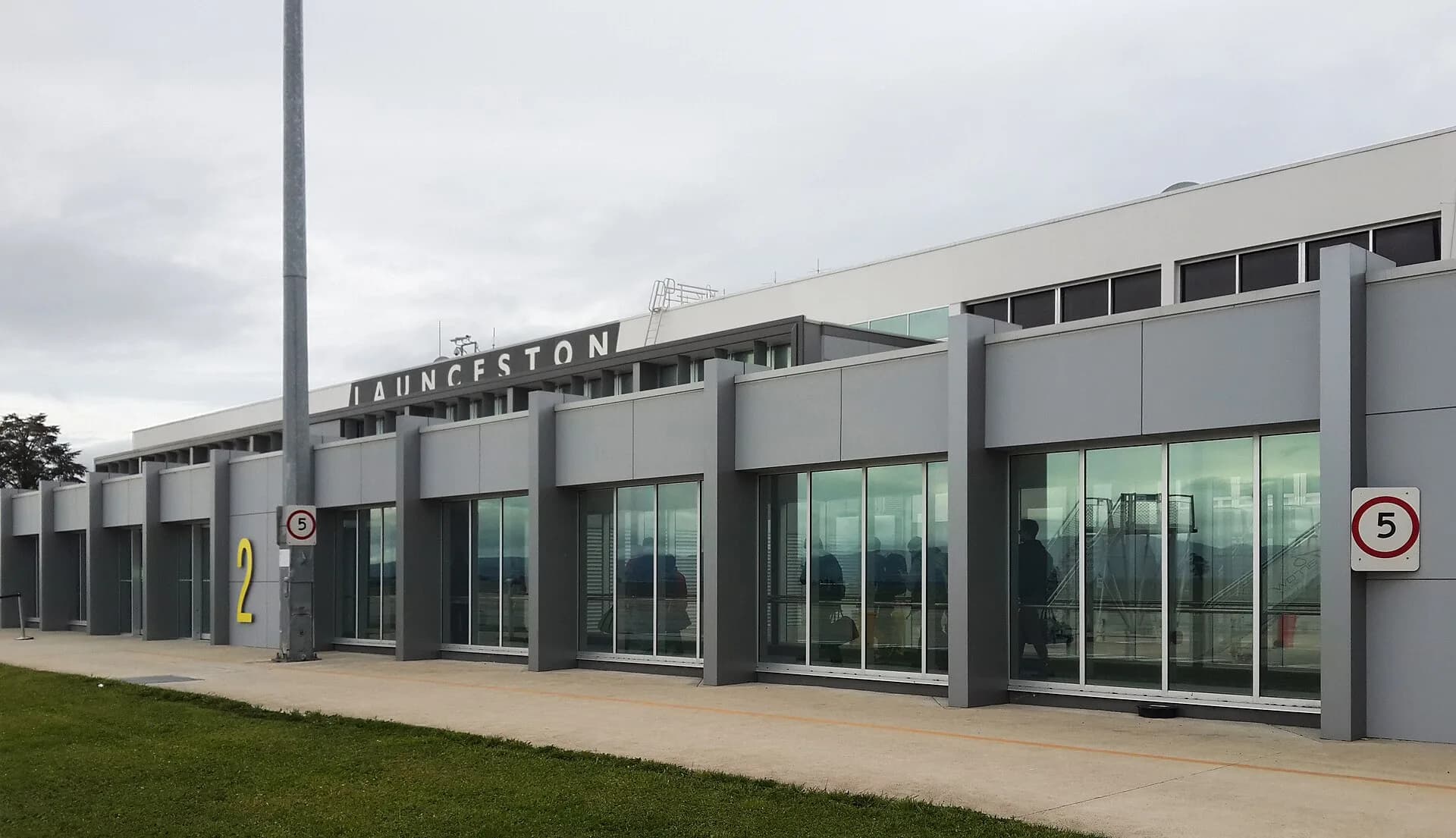
Hobart and Launceston are the main passenger airports. Devonport and Burnie serve the north-west, while scheduled services also connect King Island and Flinders Island. Every airport requires an onward plan.
Check airport transfers, taxi availability, hire-car desks and accommodation check-in before booking a late flight. A regional airport can reduce driving when schedules fit, but limited services may make changes harder.
Arriving with a vehicle
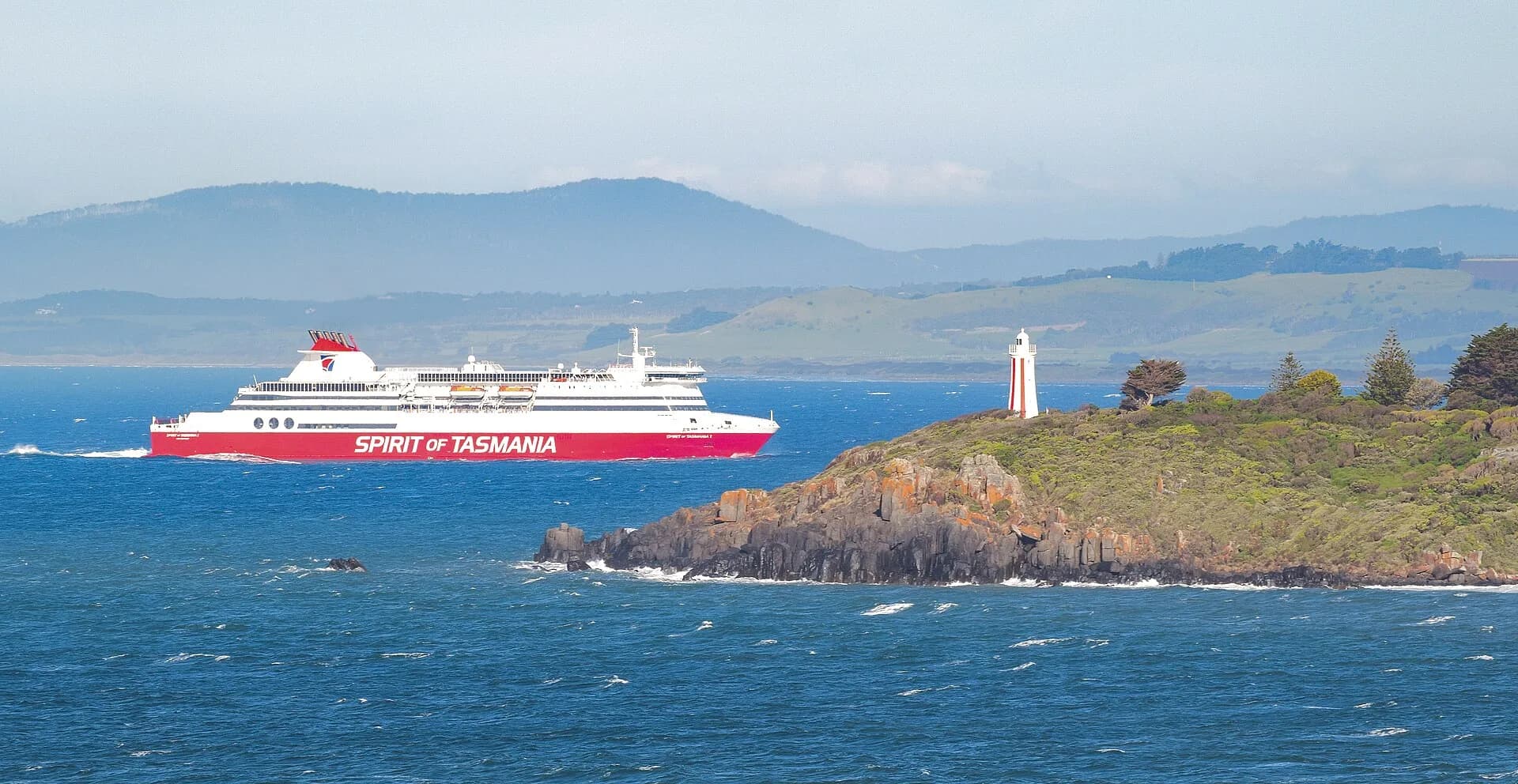
Spirit of Tasmania sails between Geelong and Devonport. Bringing a vehicle can suit longer trips or specialist equipment, but sailing, check-in and biosecurity arrangements set fixed times around the itinerary.
Devonport is a useful north-west gateway. Allow a night nearby after an evening arrival rather than beginning a long cross-island drive while tired.

Hiring and driving a car
A car provides the broadest access. Book early in busy periods and check kilometre limits, unsealed-road rules, insurance exclusions and after-hours collection. Electric-vehicle drivers should plan charging around the route and accommodation.
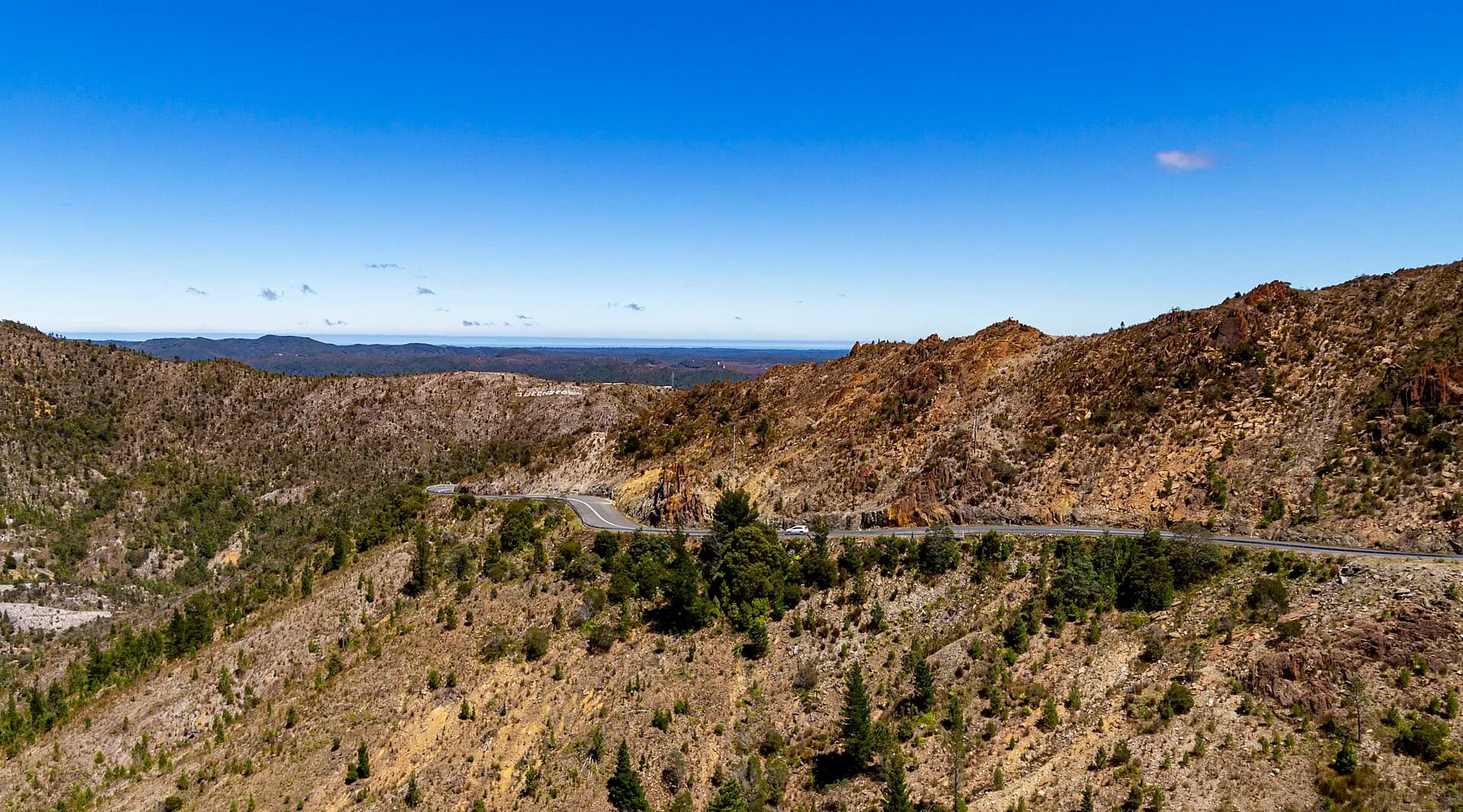
Stay left, rest regularly and allow extra time on winding roads. Wildlife is active around dawn and dusk. Pull over only in safe places and never stop in a traffic lane for photographs.
Buses within cities
Metro Tasmania operates urban buses in Hobart, Launceston and Burnie. Other operators serve regional and intercity routes. Timetables are less frequent than major mainland networks and weekend service may differ.
Use the official journey planner and confirm the return service before leaving. A bus can work well for central city days even when a hire car is available.
Intercity and regional travel
Scheduled coaches connect major centres and some regional towns. They can support a city-based itinerary, but national parks and dispersed rural attractions may still require a tour, taxi or transfer.
Do not assume every town has a daily connection. Match accommodation to the timetable and allow for luggage requirements.
.jpg)
Ferries and islands
Bruny Island uses the vehicle ferry from Kettering. Maria Island is reached by passenger ferry from Triabunna, and no private visitor vehicles travel on the island. Other island and river services have their own booking, weather and luggage arrangements.
Treat ferry queues and check-in as part of travel time. Keep a buffer before flights or fixed bookings on the mainland.
Tours and private transfers
Organised tours are useful for wine regions, remote walks and places poorly served by public transport. Compare the actual itinerary, walking demands, pickup point and included costs. A tour that reaches several attractions may still allow little time at each.
Private transfers can solve one difficult connection, particularly around multi-day walks. Book ahead because regional supply is limited.
Build a transport plan
Mark every fixed arrival, departure and ferry. Add realistic road or timetable time between overnight bases. Then check whether each activity still has enough daylight and whether a driver gets proper rest.
For a driving itinerary, continue to Tasmania road trips. For a shorter visit, how many days do you need? helps reduce unnecessary transfers.