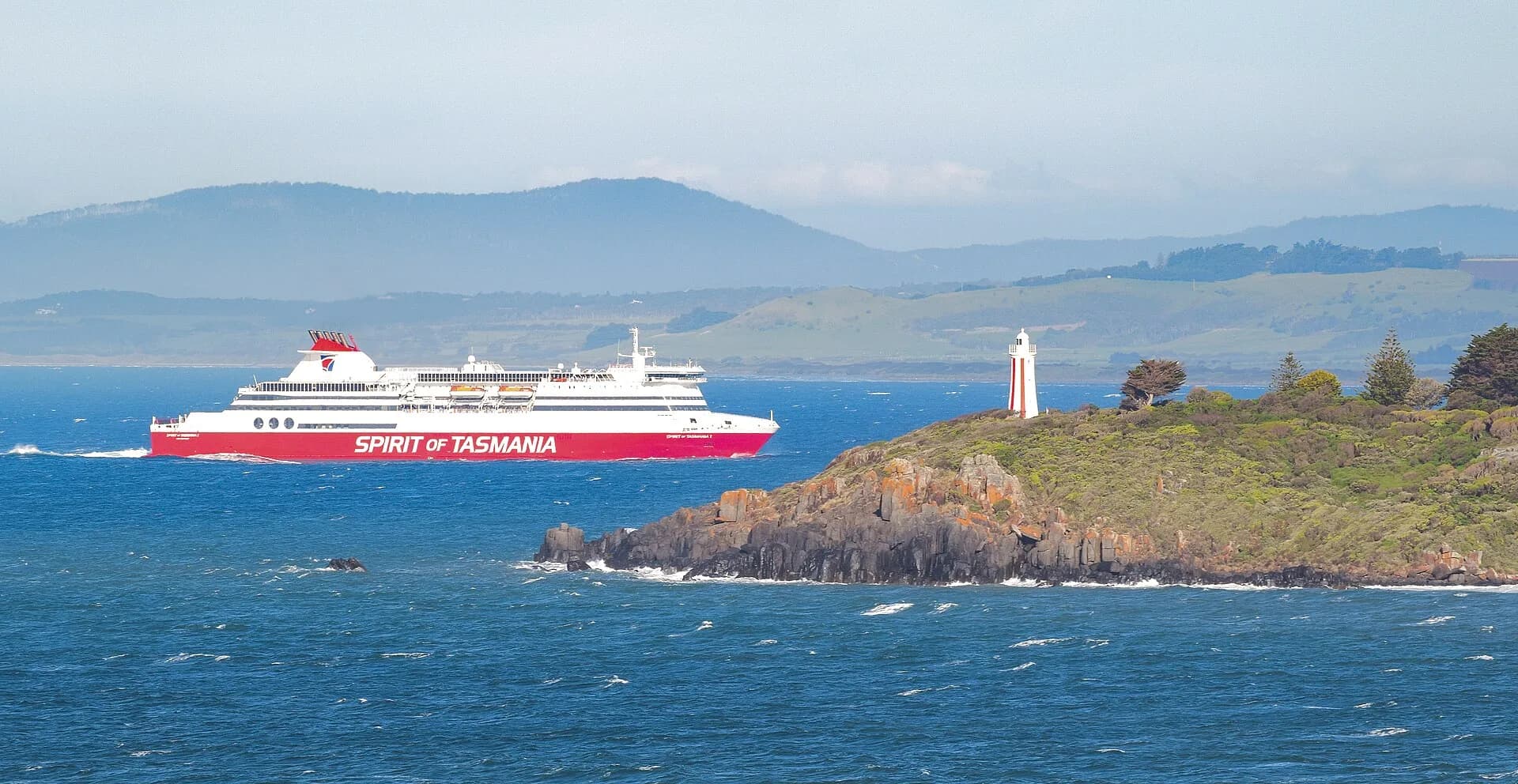

The regular passenger and vehicle ferry to Tasmania sails between Geelong in Victoria and East Devonport. It is the practical sea route for travellers bringing a car, motorbike, bicycle, caravan or camper, but a successful crossing starts with the exact booking conditions for that sailing.
Confirm the terminal and sailing, not an old routine
The Victorian terminal is Spirit of Tasmania Quay at 136 Corio Quay Road, North Geelong. The Tasmanian terminal is on the Esplanade at East Devonport. The service no longer uses Station Pier in Melbourne as its normal Victorian terminal.
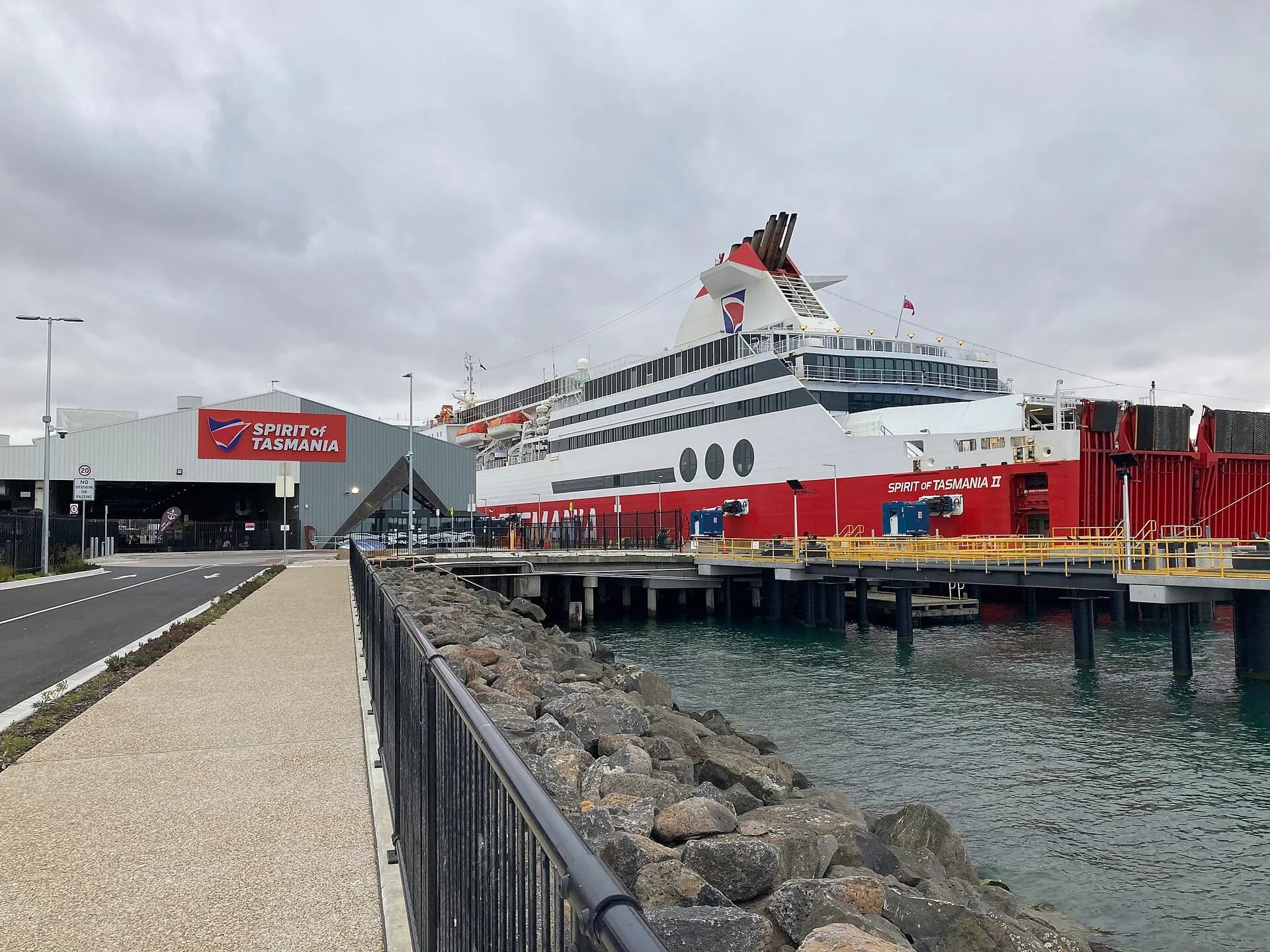

Day and night departures vary by date and season. Use the official sailing schedule and the times on your e-ticket. Spirit of Tasmania states that check-in timing depends on the sailing and closes strictly before departure.
Measure the vehicle as it will travel
Book the actual height and length with roof boxes, bike racks, drawbars and anything carried at the rear. Declare trailers, caravans, motorhomes, gas bottles, fuel and restricted items as required. A mismatch can delay check-in or prevent carriage.
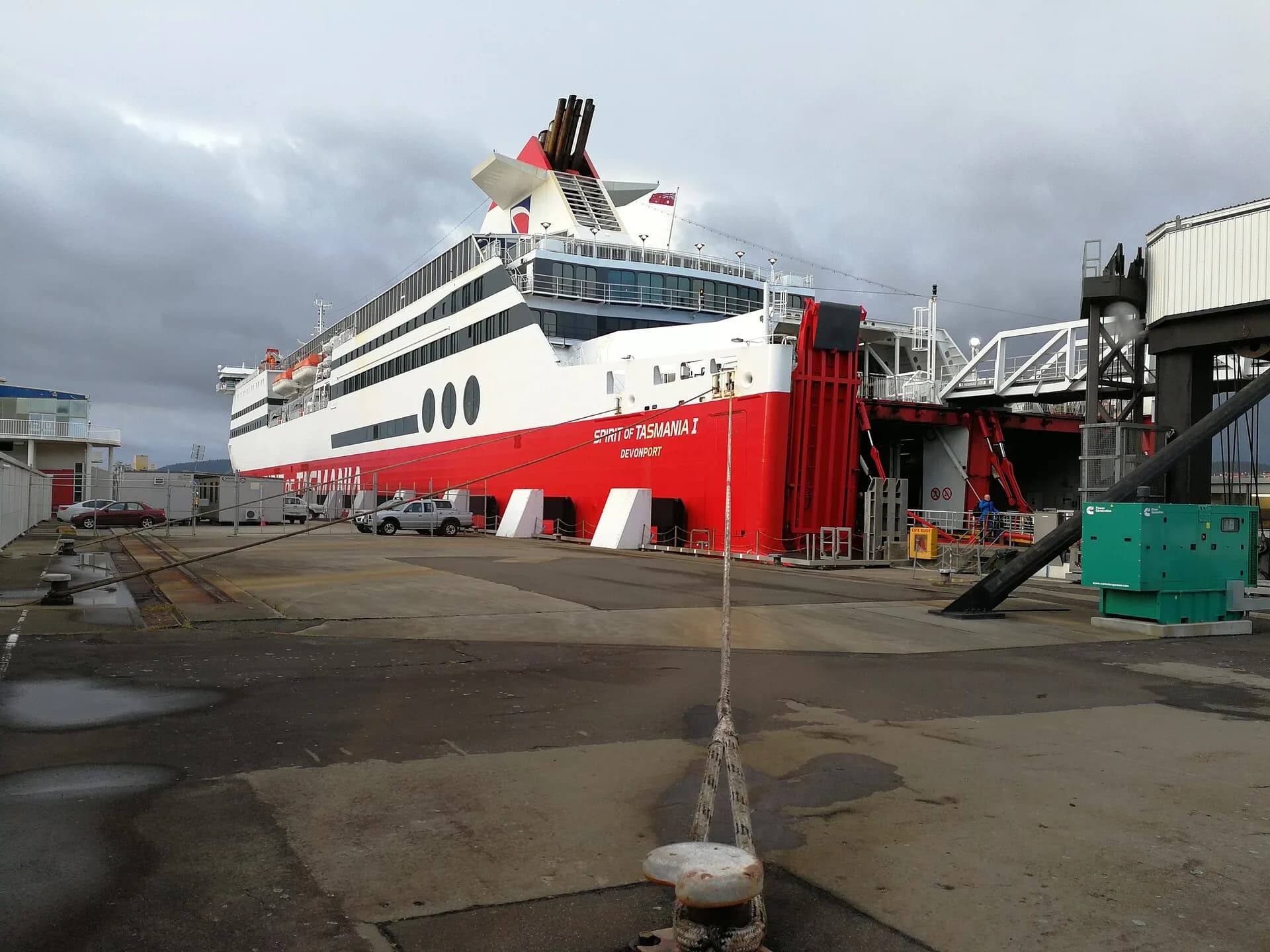

After parking, photograph the vehicle-deck stairwell or lift marker, secure the vehicle as directed and turn off alarms that movement may trigger.
Plan the first hour in Tasmania
East Devonport is close to the city, but late or early arrivals can limit food, shops and reception desks. Decide whether to stay locally or drive on, and account for fatigue before committing to a long first leg.
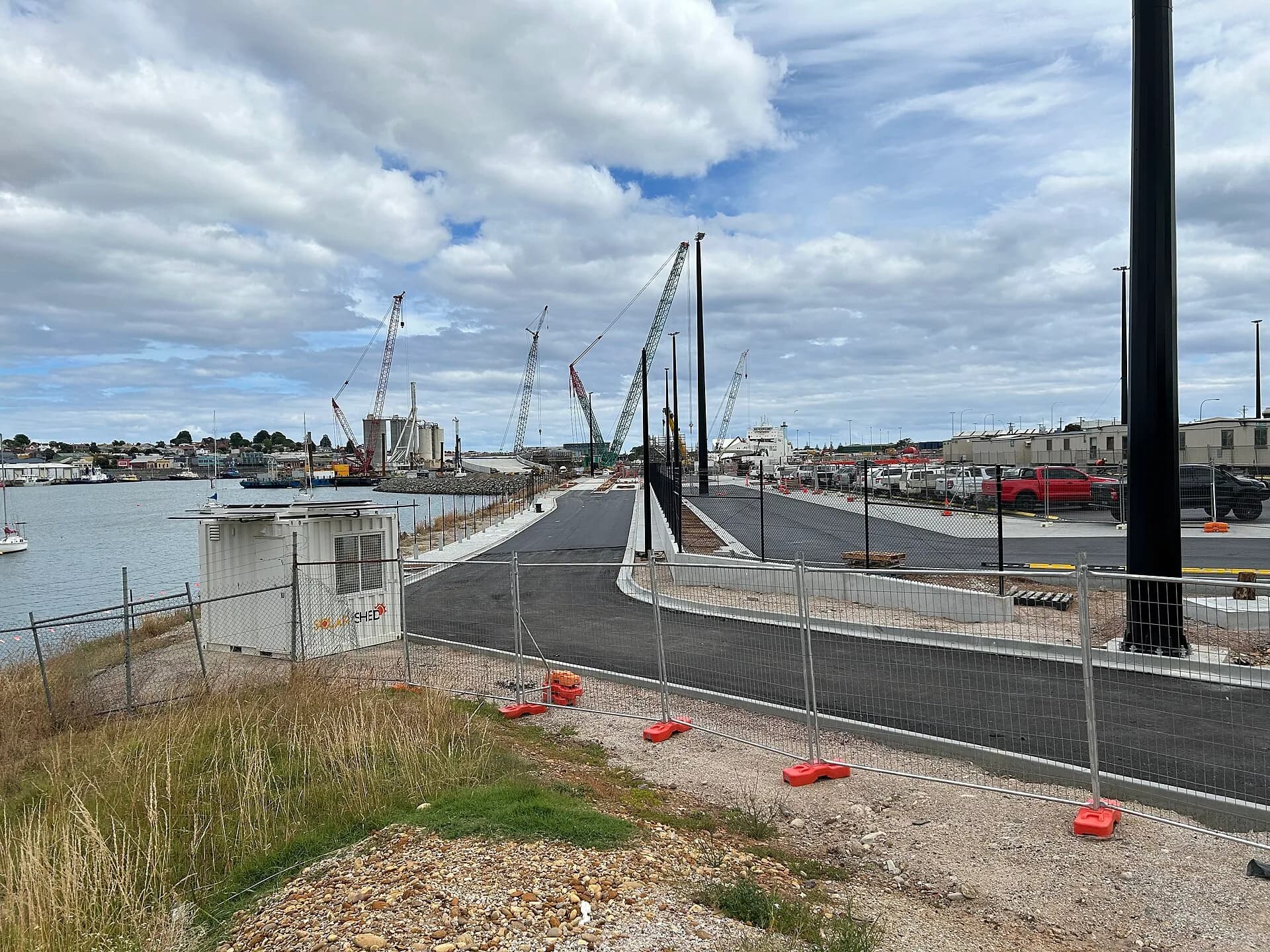

The Devonport guide covers nearby services, while Port of Devonport explains the working harbour around the terminal. Private yachts and cruise ships use different ports, rules and voyage planning and should not rely on ferry instructions.