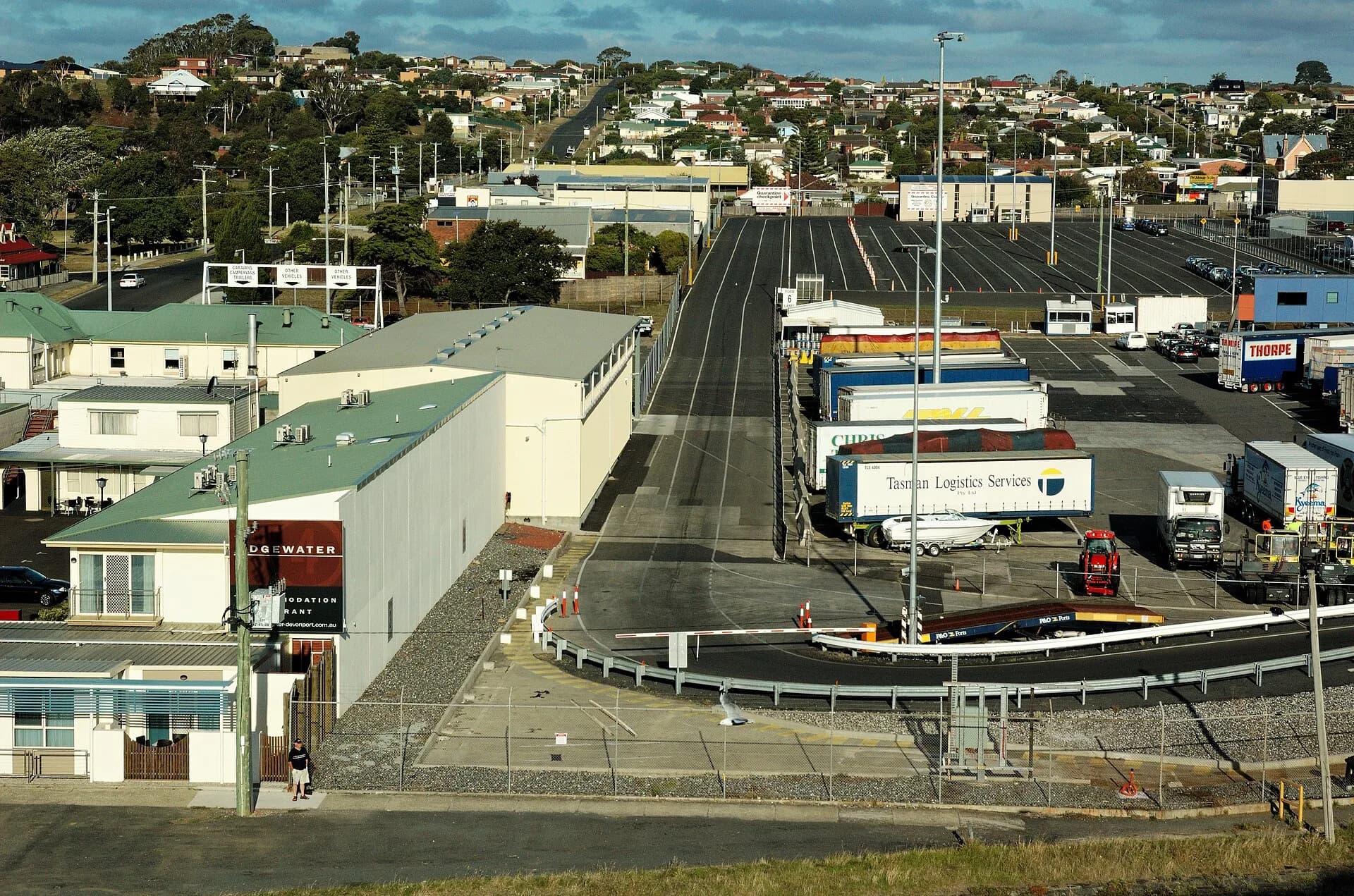

The Port of Devonport occupies the lower Mersey River and estuary. Passenger ferries are its most visible operation to many visitors, but the port also handles freight, agricultural products, fuel and other cargo central to north-west Tasmania.
Why the port developed here
Shipping used the Mersey from the mid-nineteenth century as timber, coal and farm production expanded. The settlements of Formby and Torquay grew on opposite banks before combining under the Devonport name.
The river entrance required navigation works, leading lights and continuing channel management. Rail, road and wharf infrastructure tied the port to farms and industry across the region.
Passenger and vehicle ferries
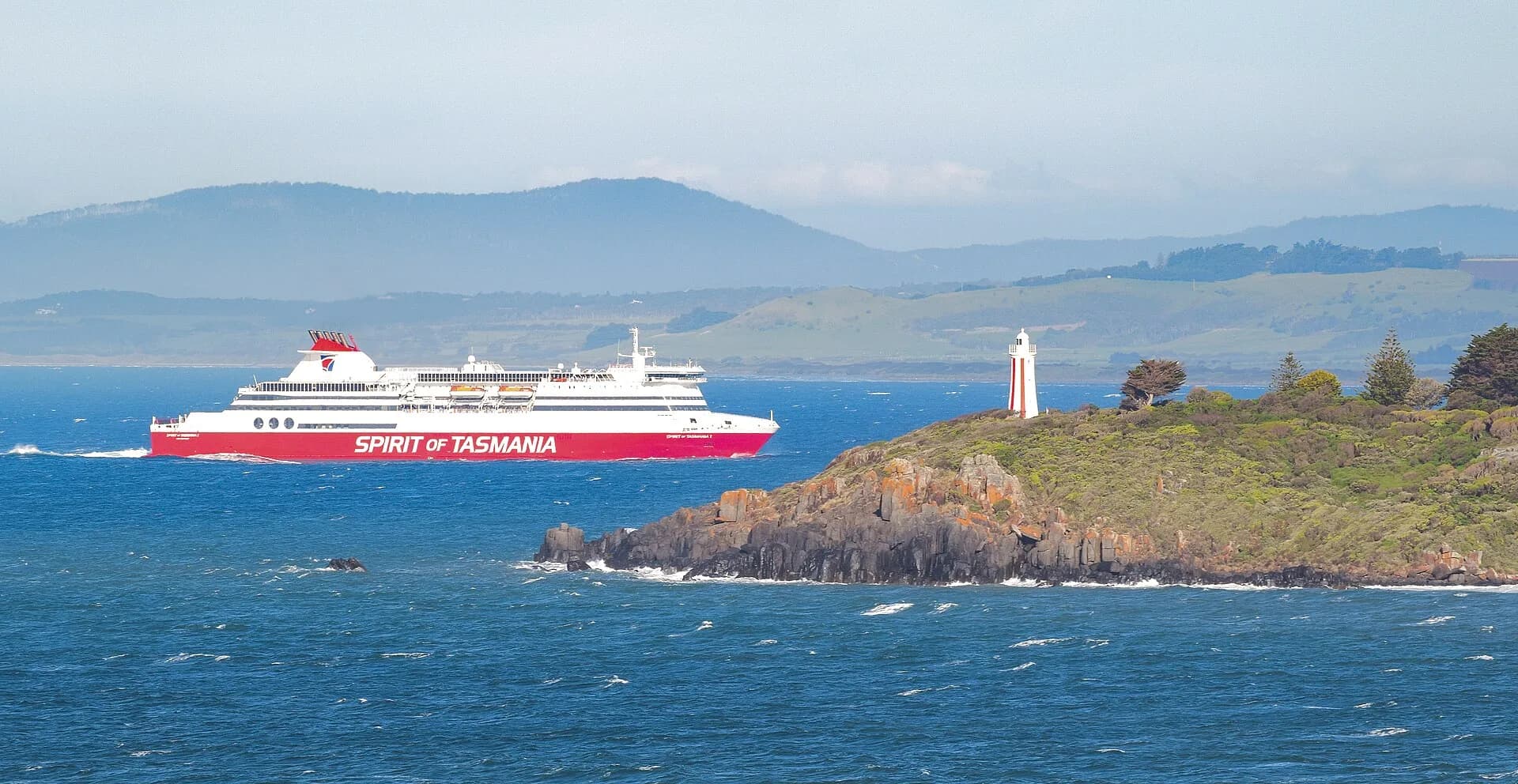
Bass Strait vehicle ferries made Devonport a major arrival point. Current Spirit of Tasmania services use the East Devonport terminal and connect with Geelong in Victoria. Sailing times, check-in requirements, dangerous-goods rules and terminal procedures change, so operator information is the only reliable source for a booked crossing.
The historic ferry story includes the Princess of Tasmania and later Spirit vessels. Sydney services belong to a separate and intermittent history covered in the Sydney to Hobart ferry article.

Freight and port safety
TasPorts operates Devonport as one of Tasmania’s primary ports. Freight vessels and shore equipment move through controlled areas. Public waterfront viewpoints do not provide access to wharves, terminals or industrial land.
Follow signs, keep clear of gates and never stop on operational roads to photograph a vessel. Ship movements, wake and weather also affect small craft in the river.
Seeing the port in context
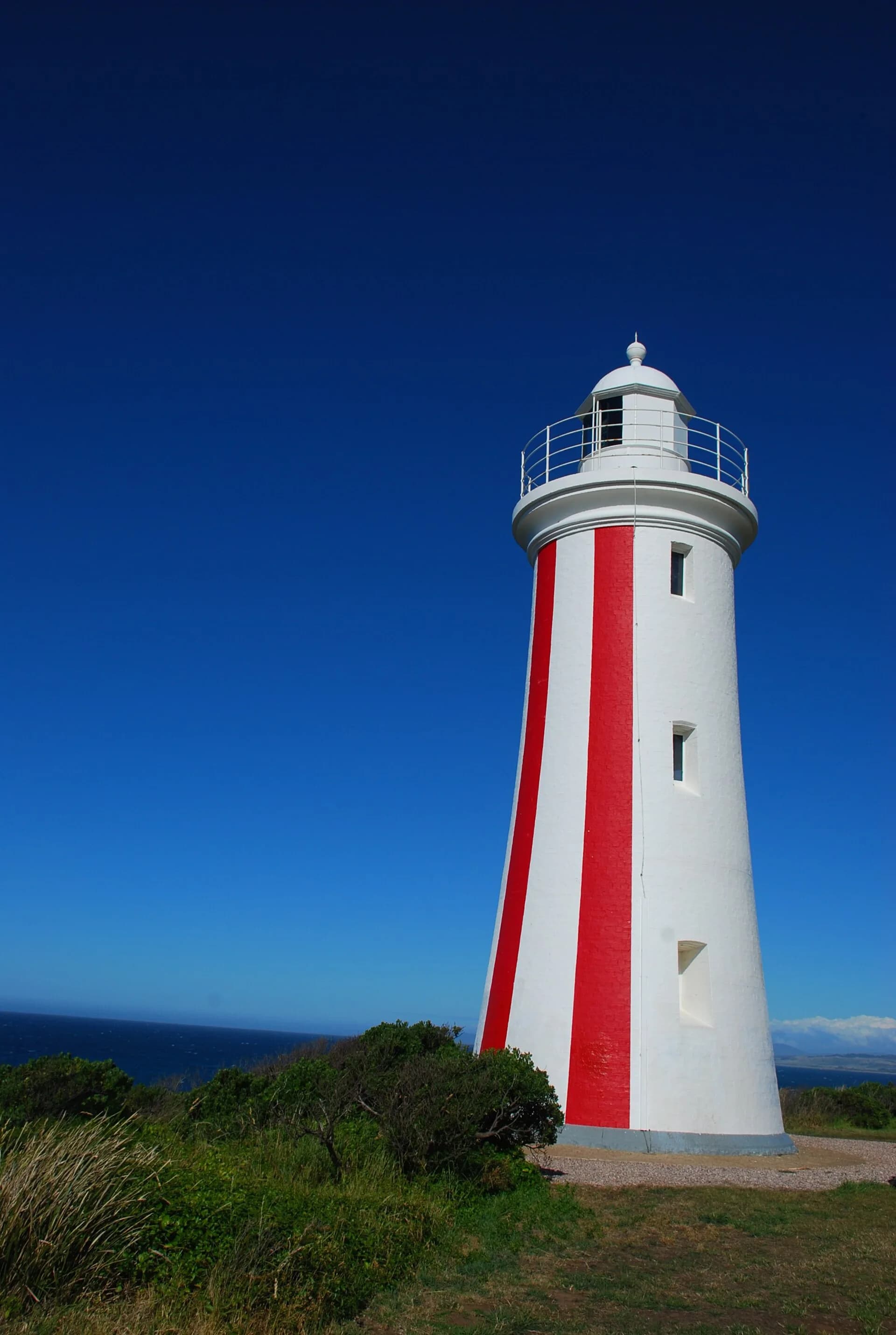
Victoria Parade on the west bank, Mersey Bluff and designated public areas provide views of the river entrance. Leading lights show how vessels align through the channel. The Devonport city guide connects the port with the bluff, Aboriginal heritage and wider waterfront.

The port is best understood as infrastructure that connects people and goods, not as a standalone attraction. Allow one or two hours for the public waterfront and bluff, longer if combining it with city museums or a ferry arrival.