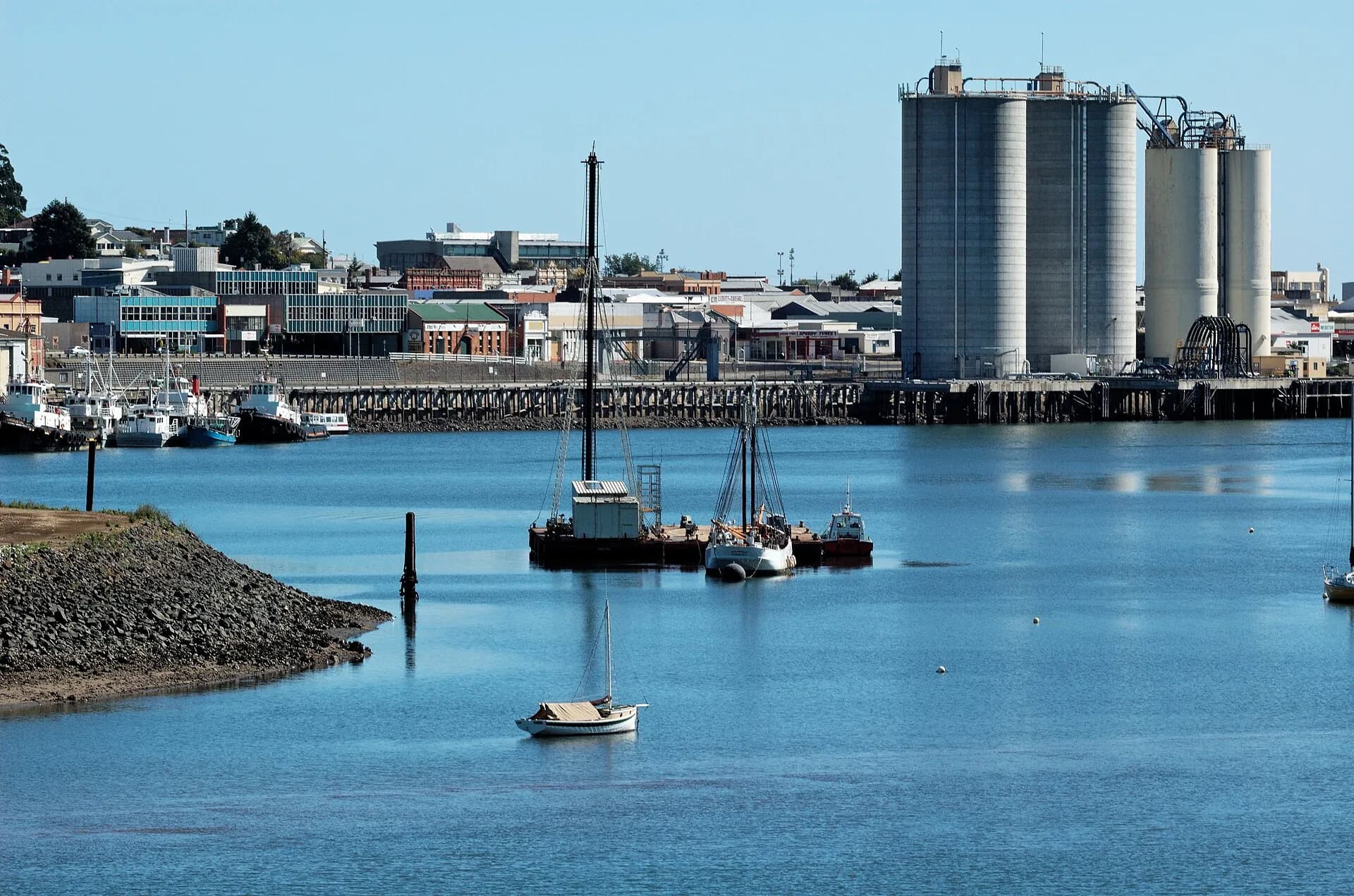

Devonport stands at the mouth of the Mersey River on Tasmania’s north-west coast. It is a working port, a regional service city and a major arrival point for travellers crossing Bass Strait by sea.
Two settlements become a city
The modern centre grew from Formby on the west bank and Torquay on the east. River crossings, wharves, rail and coastal shipping tied the two communities together. The combined town took the name Devonport in the late nineteenth century, with later municipal changes creating the present city.
The Mersey remains central to orientation. Victoria Parade and riverside paths look across a channel used by ferries, cargo vessels, fishing boats and recreational craft.

A sea gateway
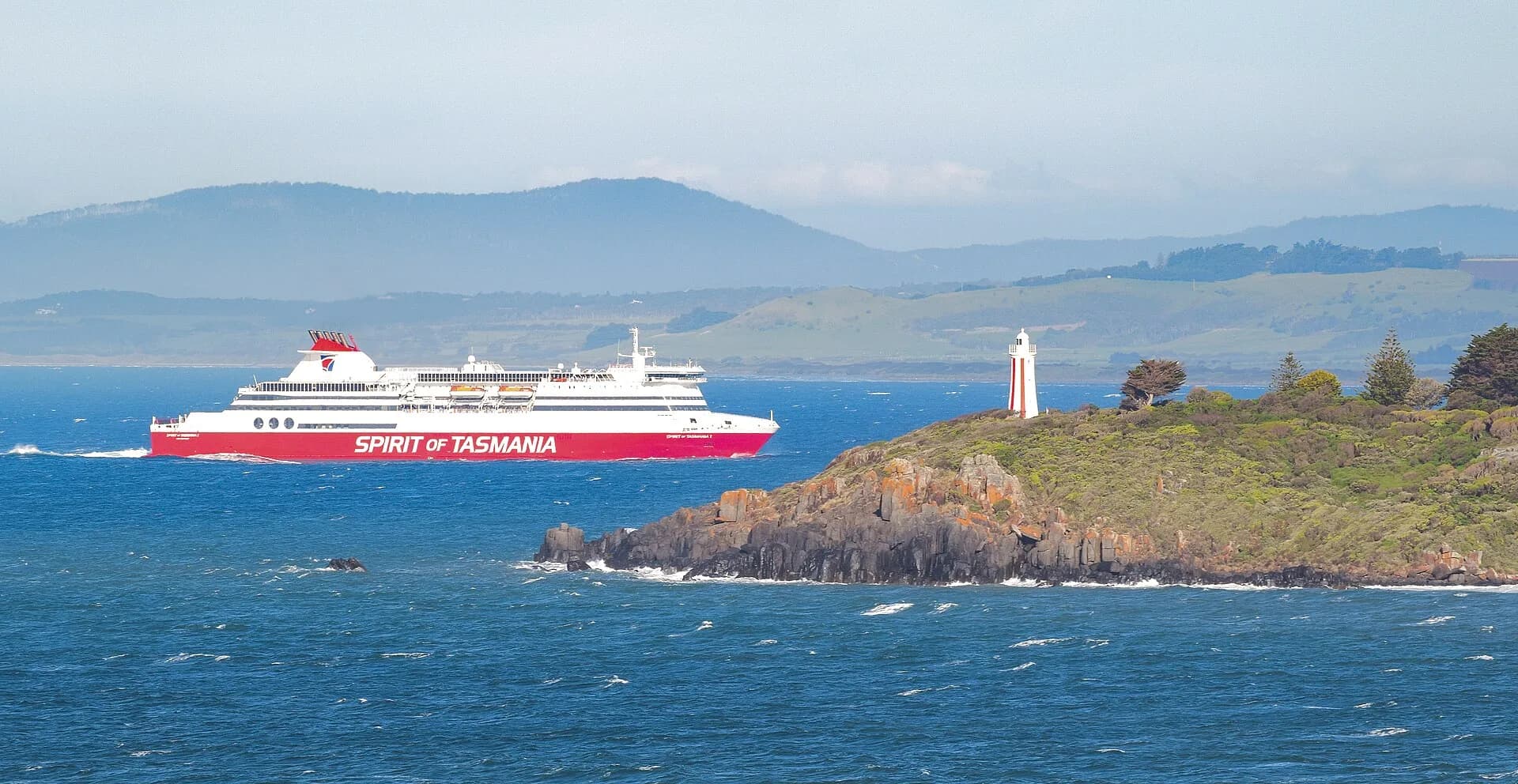
Bass Strait ferries make East Devonport one of Tasmania’s principal passenger and vehicle gateways. Port operations and boarding arrangements can alter traffic around sailing times. Travellers should use current operator information and allow time for check-in rather than treating the terminal like an ordinary roadside stop.
The port also supports freight for the agricultural and manufacturing economy of the north-west. Devonport’s identity is therefore maritime and industrial as well as visitor-facing.

Mersey Bluff and Aboriginal heritage
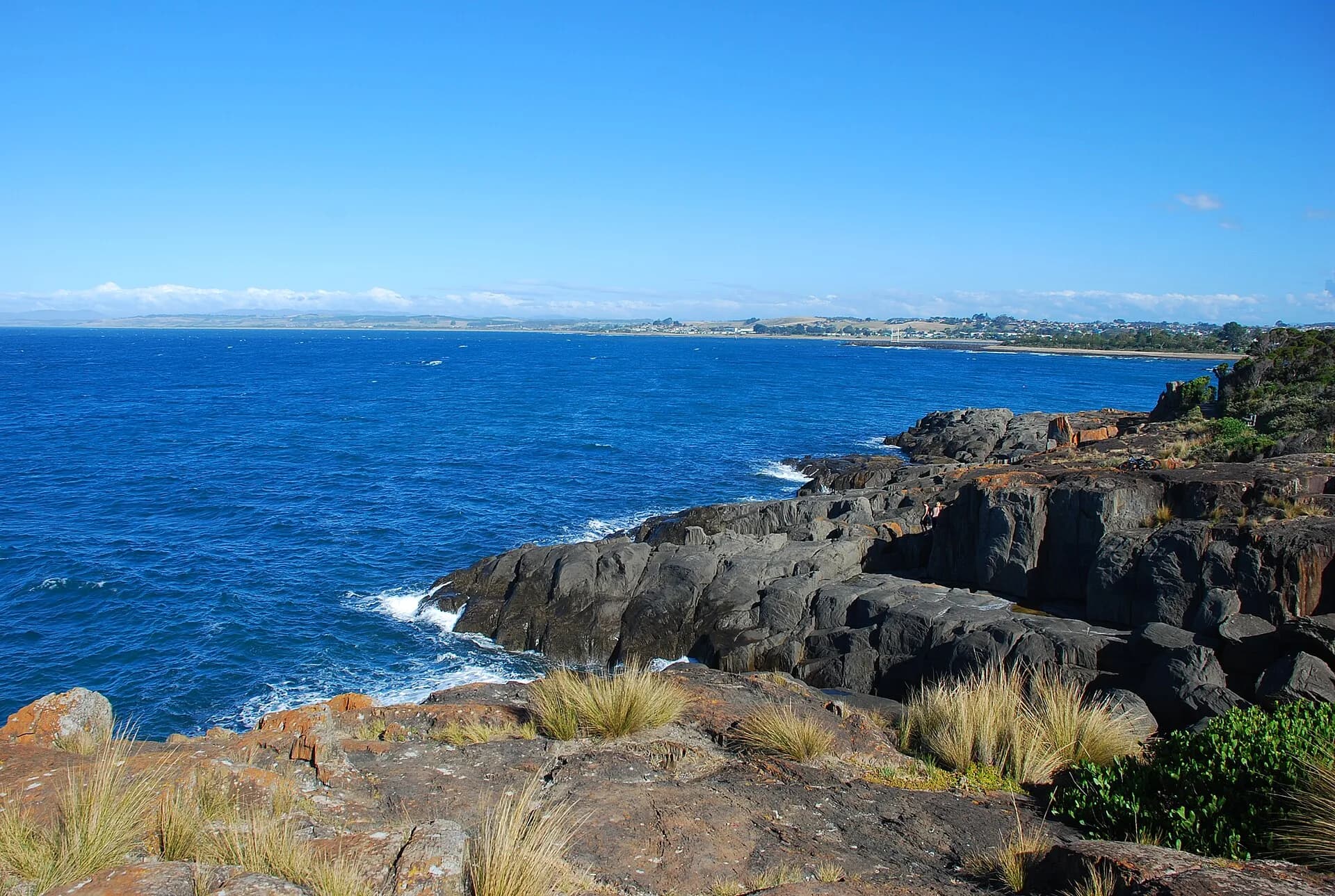
Mersey Bluff protects the western side of the river mouth. Walking tracks, beaches and the lighthouse make it a useful coastal stop. Aboriginal cultural places at the bluff demonstrate that this was an important landscape long before the port and city.
Do not touch or walk across cultural material. Follow signs and formed paths, and treat public interpretation as an introduction rather than the complete Aboriginal history of the area.
Using Devonport as a base
The city has the full range of fuel, food, health and transport services. It is well placed for the coast, lower Mersey, Sheffield and the route to Cradle Mountain. The Cradle Mountain drive needs a separate full day once stops and mountain weather are included.
Allow half a day for the riverfront, bluff and centre, or several nights for regional trips. Beaches and exposed tracks can be windy even when the city centre feels sheltered.