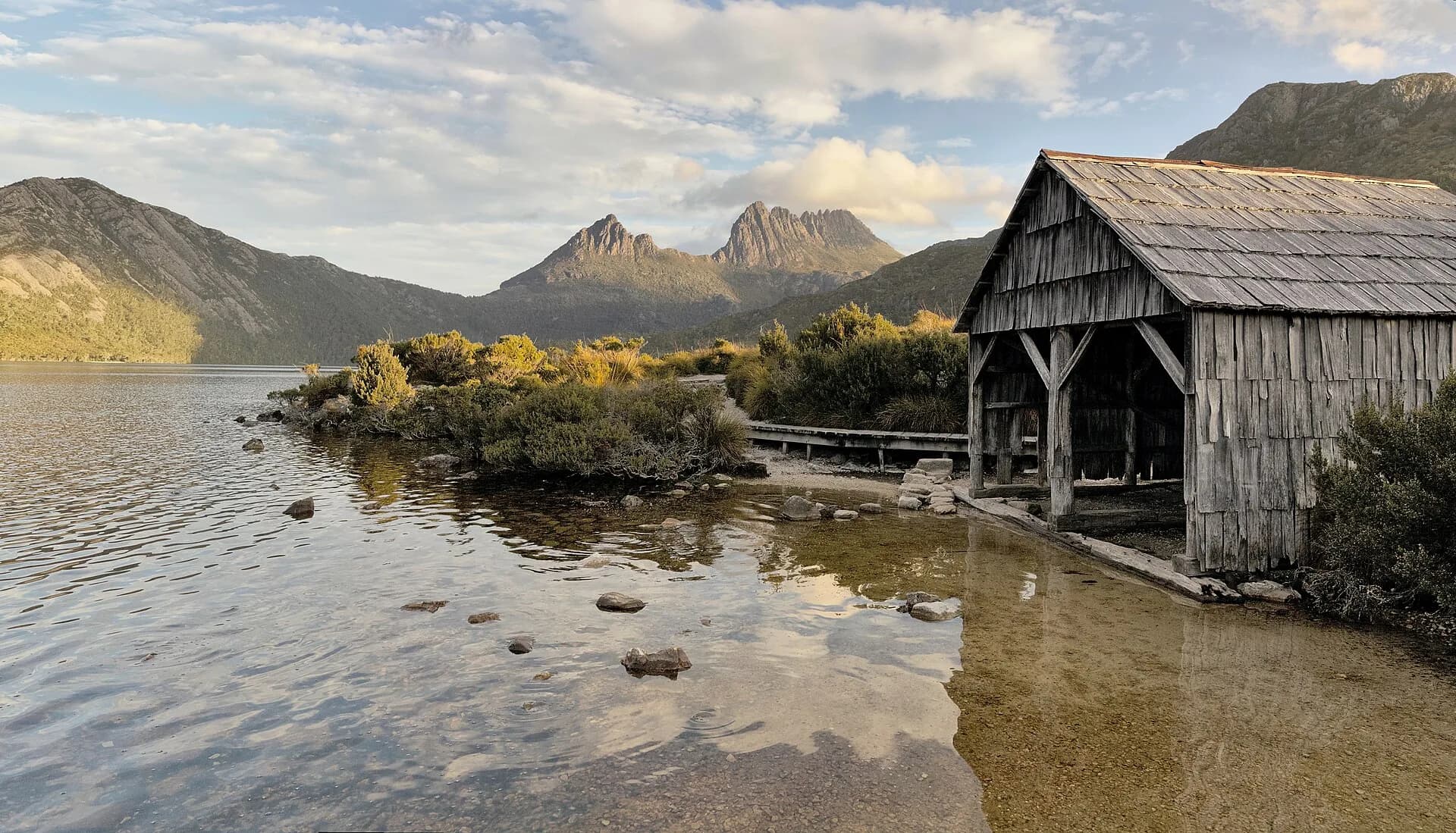

Cradle Mountain is the northern visitor area of Cradle Mountain-Lake St Clair National Park and part of the Tasmanian Wilderness World Heritage Area. Glacial lakes, rainforest, buttongrass moorland and alpine ridges sit close together, but conditions can change from calm to severe at any time of year.
Begin at the visitor centre
The Cradle Mountain Visitor Centre is the practical starting point. Parks passes, shuttle information, weather advice and current track conditions should be checked there before you commit to a walk.
During shuttle operating hours, private vehicle access along Dove Lake Road is restricted. Shuttle stops serve key locations including the interpretation centre, Snake Hill, Ronny Creek and Dove Lake. Arrangements and times change seasonally, so use the official Parks Tasmania information rather than an old timetable or travel blog.
There is no through-road across the national park to Lake St Clair. Reaching the southern visitor area by car requires a long road journey around the park.

Choose a walk for the conditions
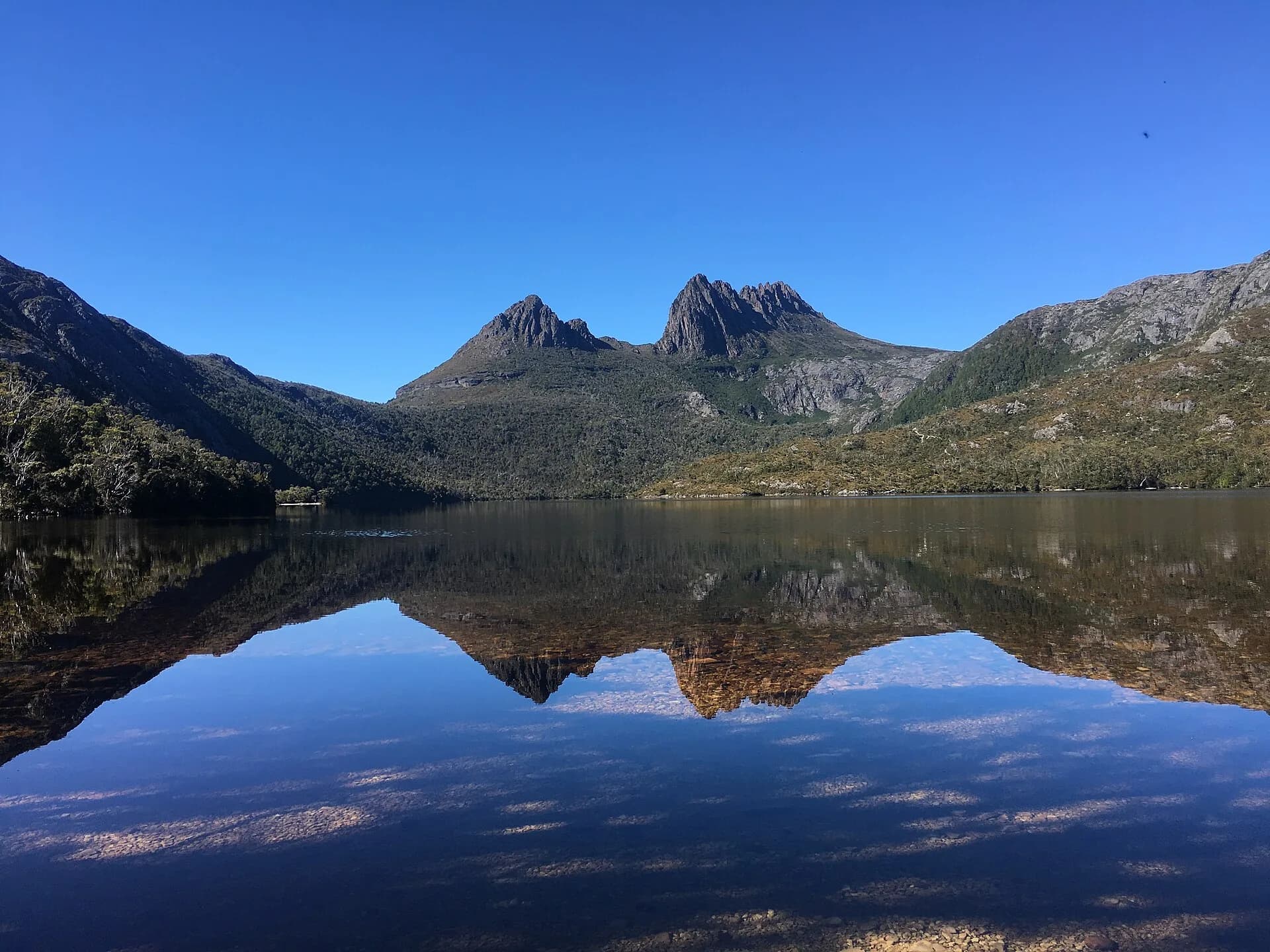
Dove Lake provides the best-known view when cloud lifts. The circuit is a substantial formed-track walk around the lake, with uneven sections and exposure to changing weather. It should not be confused with the short walk from the shuttle stop to the boatshed viewpoint.
Shorter choices near the interpretation centre and Waldheim pass through rainforest, moorland and historic landscapes. These are useful when cloud, wind or limited daylight makes higher routes a poor decision.
Crater Lake and Marions Lookout involve more climbing and exposure. The Cradle Mountain summit is a Grade 5 route with steep, rough terrain and boulder scrambling. It is unsuitable when visibility, ice, wind or a walker’s experience do not support a safe ascent. Turning back is a sound decision, not a failed walk.
What to carry
Snow, rain, strong wind and sun can occur in any season. Carry warm and waterproof layers, food, water and navigation appropriate to the route. A fine forecast for a nearby town does not guarantee settled conditions on exposed ridges.
Tell someone your plan and expected return time. Mobile reception cannot be assumed. Parks Tasmania recommends a personal locator beacon for remote walks. Stay on formed tracks to protect alpine vegetation and reduce navigation risk.

Waldheim and the park’s layered history
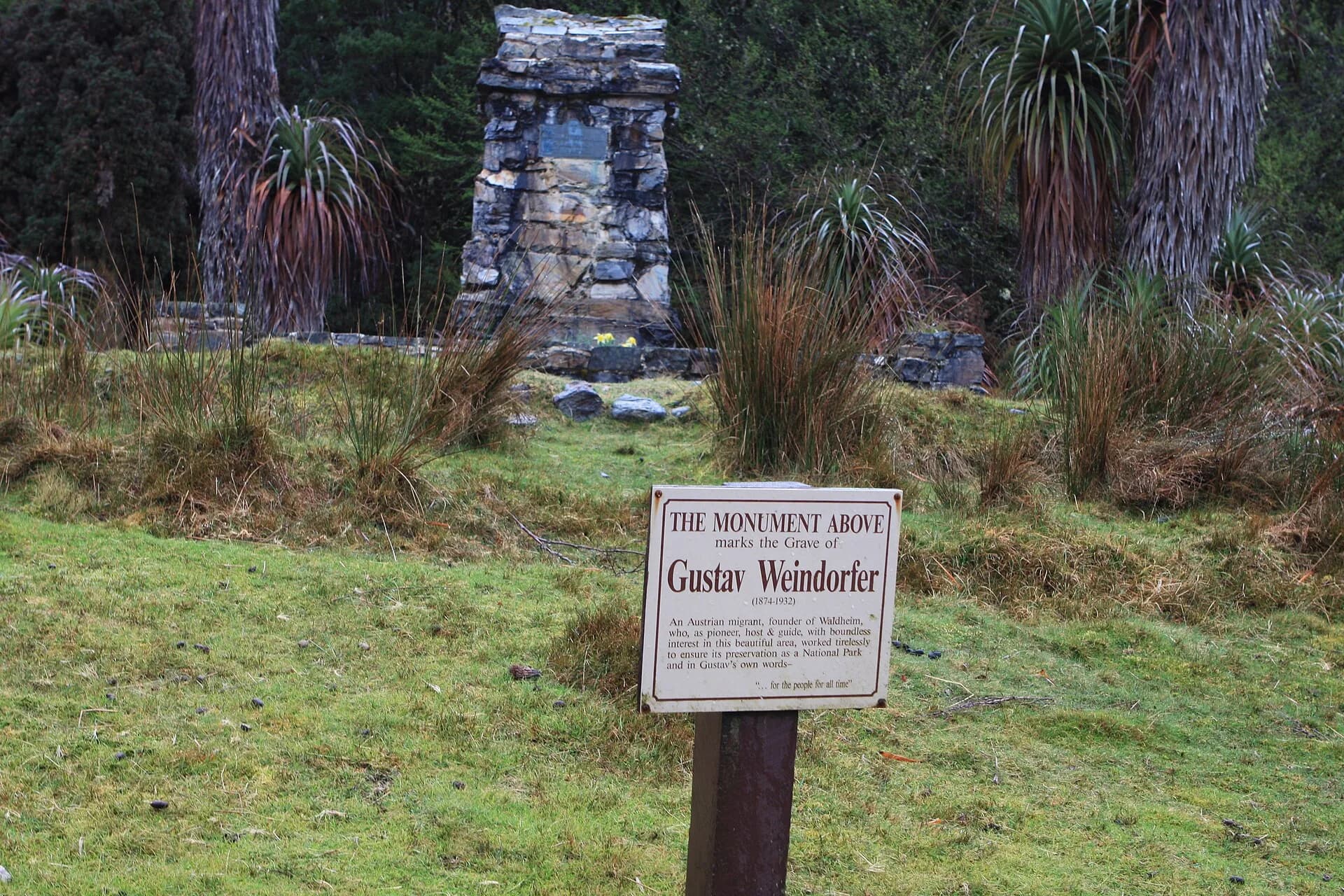
Waldheim is associated with Gustav and Kate Weindorfer and the early campaign to protect the Cradle Mountain area. The reconstructed chalet and nearby interpretation help explain that conservation history.
This account sits within a much longer Aboriginal relationship with Tasmania’s highlands. The World Heritage property is recognised for cultural as well as natural values. Treat archaeological material and cultural places with care, and use current interpretation from Parks Tasmania and Tasmanian Aboriginal sources.
Wildlife and driving
Wombats, wallabies and other animals are often seen near boardwalks and roads. Keep distance and never feed them. Food changes animal behaviour and can cause illness or dangerous interactions.
Avoid driving around dawn, dusk and night where possible. Wildlife can step onto narrow roads without warning. Slow down, allow extra travel time and never stop a vehicle in an unsafe position for a photograph.

When to visit
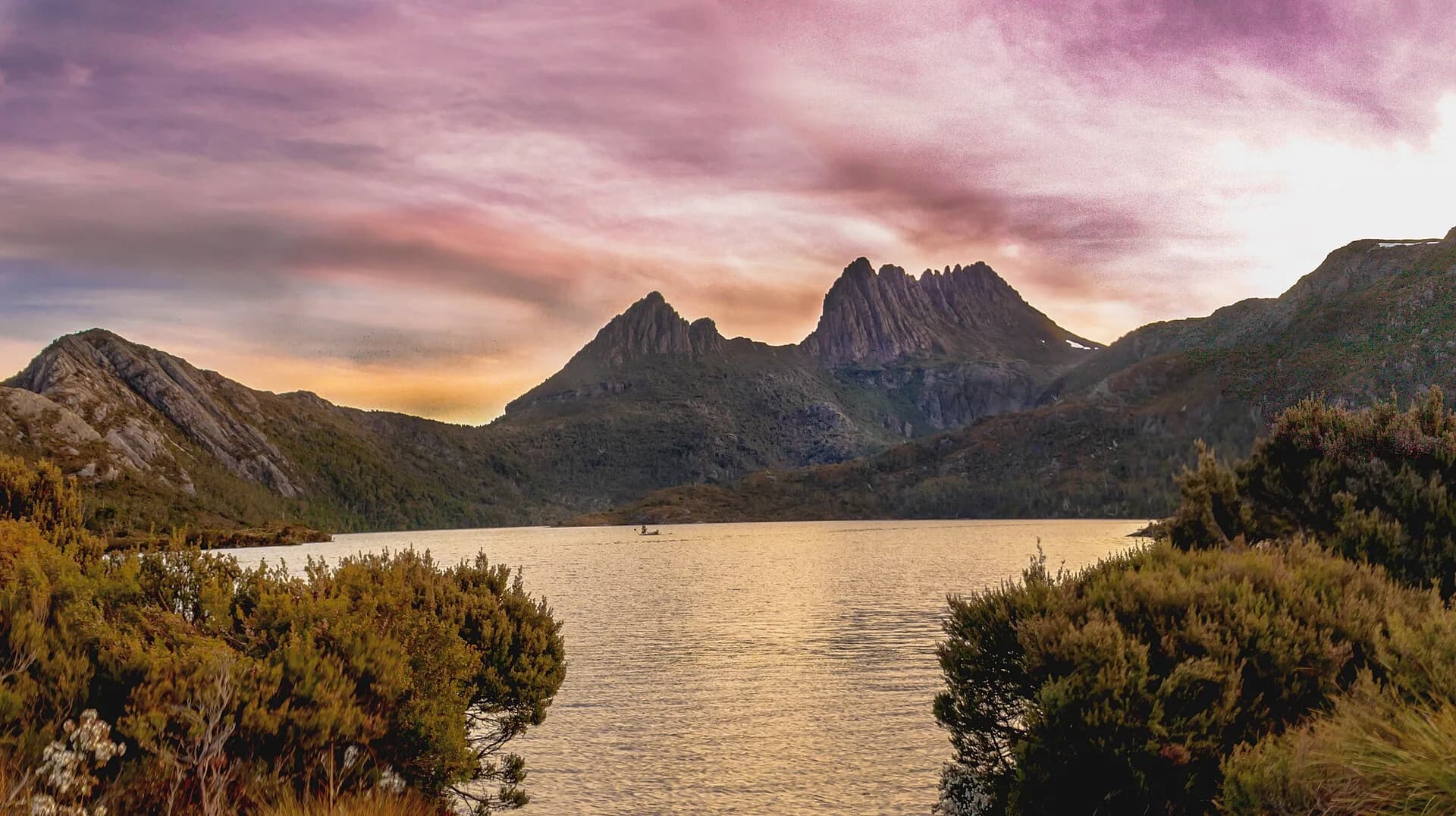
Summer provides longer daylight but does not remove the risk of cold, wind or rain. Autumn can bring cooler settled periods. Winter may bring snow and ice to roads and tracks. Spring remains changeable and can combine wet ground, wind and lingering snow.
The useful question is whether the day’s conditions suit your intended route. Keep a low-level alternative ready. A visit built around one summit attempt is more fragile than a plan with several walks at different elevations.
Where to stay and what is available
Accommodation is concentrated around the visitor area and nearby settlements, with options ranging from campgrounds to lodges. Services are limited compared with a town. Confirm food, fuel, check-in and transport arrangements before arrival, especially outside peak periods.
Staying two nights improves the chance of seeing the landscape in changing light and gives flexibility if the first day is wet or windy. A day trip is possible, but long drives at both ends reduce walking time and increase the risk of wildlife collisions after dark.
The Overland Track is a separate undertaking
The Overland Track is a multi-day walk through to Lake St Clair, usually completed over six days. Seasonal booking rules, fees, equipment and preparation apply. It is not an extension of a casual day visit.
Use the dedicated Parks Tasmania track information, check seasonal requirements and prepare for independent travel in remote country. Day visitors should not follow Overland Track signs beyond the limits of their equipment, time and experience.
How long to allow
One full day is the minimum useful visit. It allows for shuttle travel, a short or medium walk and delays caused by weather. Two nights make a much better first stay. They allow a flexible walking plan and reduce pressure to drive mountain roads late in the day.