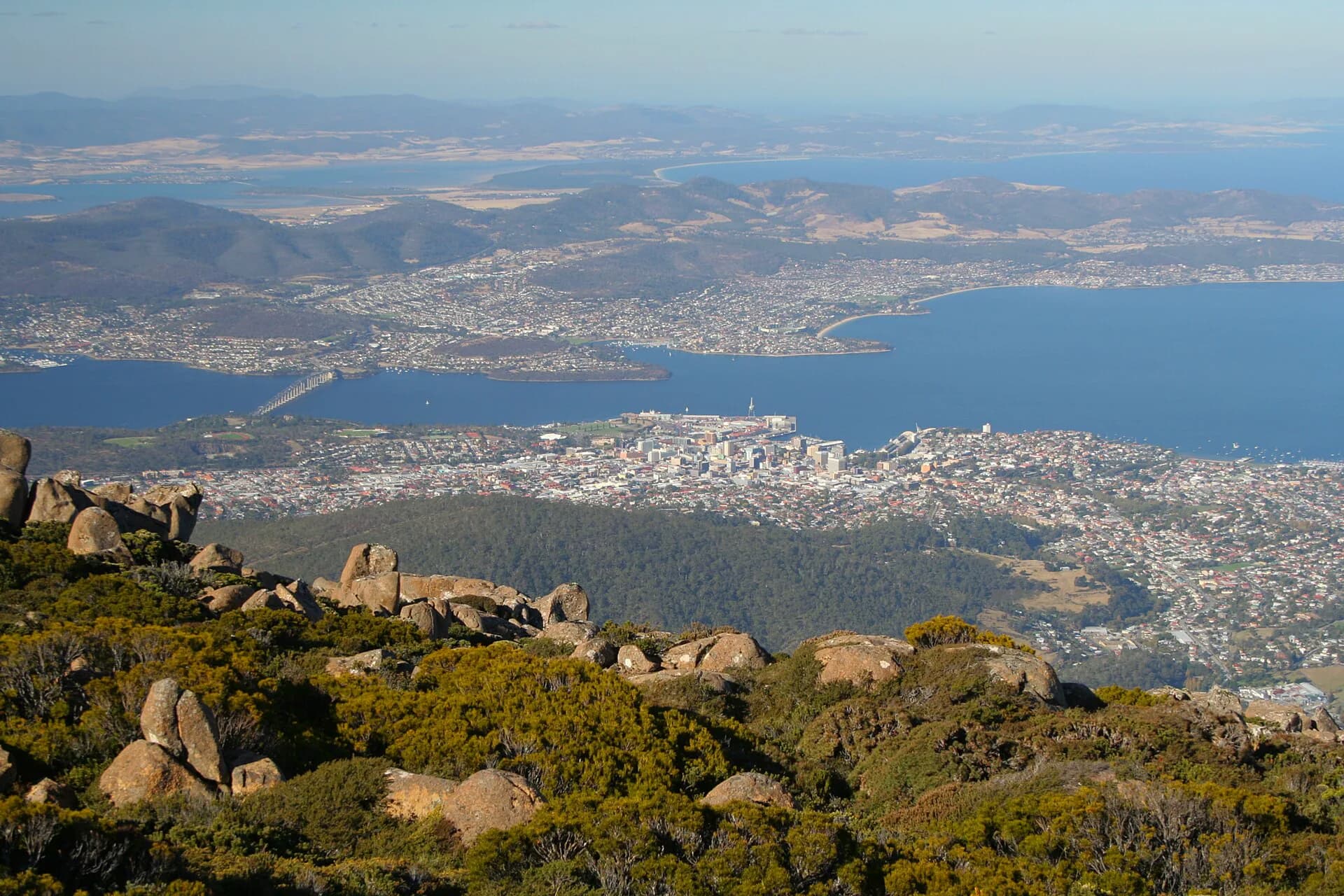

A first Tasmania trip works best when it is built around time and regions rather than a list of famous places. The island is compact on a map, but winding roads, ferries, mountain weather and worthwhile stops make rushed circuits tiring.
Decide how many regions fit
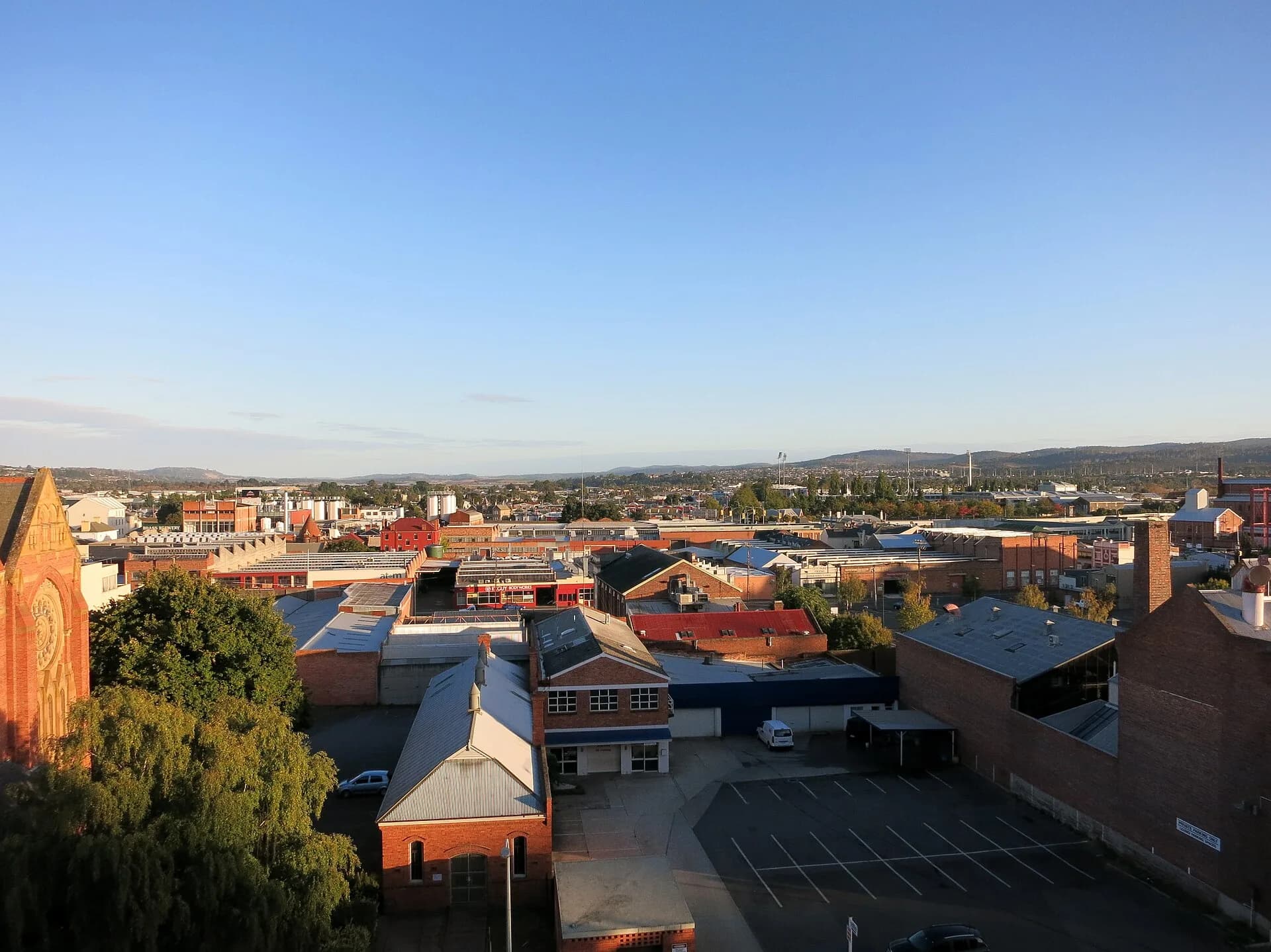
With three to five days, choose one main region. Hobart and the south can combine city history, the Tasman Peninsula, Bruny Island or the Huon Valley. Launceston supports the Tamar Valley and northern Midlands. The north-west provides access to Devonport, Stanley and Cradle Mountain.
Seven days can connect two regions at a useful pace. Ten to fourteen days allows a broader circuit, but it still pays to spend two or three nights in key bases. Read how many days you need before committing to accommodation.
Choose arrival and departure points
Hobart and Launceston handle most flights. Devonport is the Tasmanian terminal for Spirit of Tasmania vehicle ferries from Geelong. Arriving in one city and leaving from another can reduce backtracking when vehicle arrangements and airfares suit.
Check onward transport before booking. Airport transfers, hire-car opening times and regional buses may not align with a late arrival. An evening landing is usually an arrival day, not the start of a cross-island drive.
Book the fixed parts first
Secure flights or ferry sailings, a hire vehicle and accommodation for busy periods. Add booked walks, tours and event tickets next. Parks passes can be arranged after the route is clear, but track bookings and seasonal requirements should be checked early.
Keep some parts flexible. Weather can close mountain roads, change walking plans or make a coastal day less appealing. A flexible half-day is more useful than a schedule with no room to adapt.
Build around real driving time
Distances that look short can include narrow, steep or winding roads. Add time for fuel, food and viewpoints without stopping in unsafe places. The Road Safety Advisory Council advises visiting drivers to stay left, rest regularly and watch for wildlife, especially around dawn and dusk.
Avoid planning a long drive after an evening flight or ferry arrival. Keep the first night close to the gateway and begin the regional route in daylight.

Mix city, coast and high country carefully
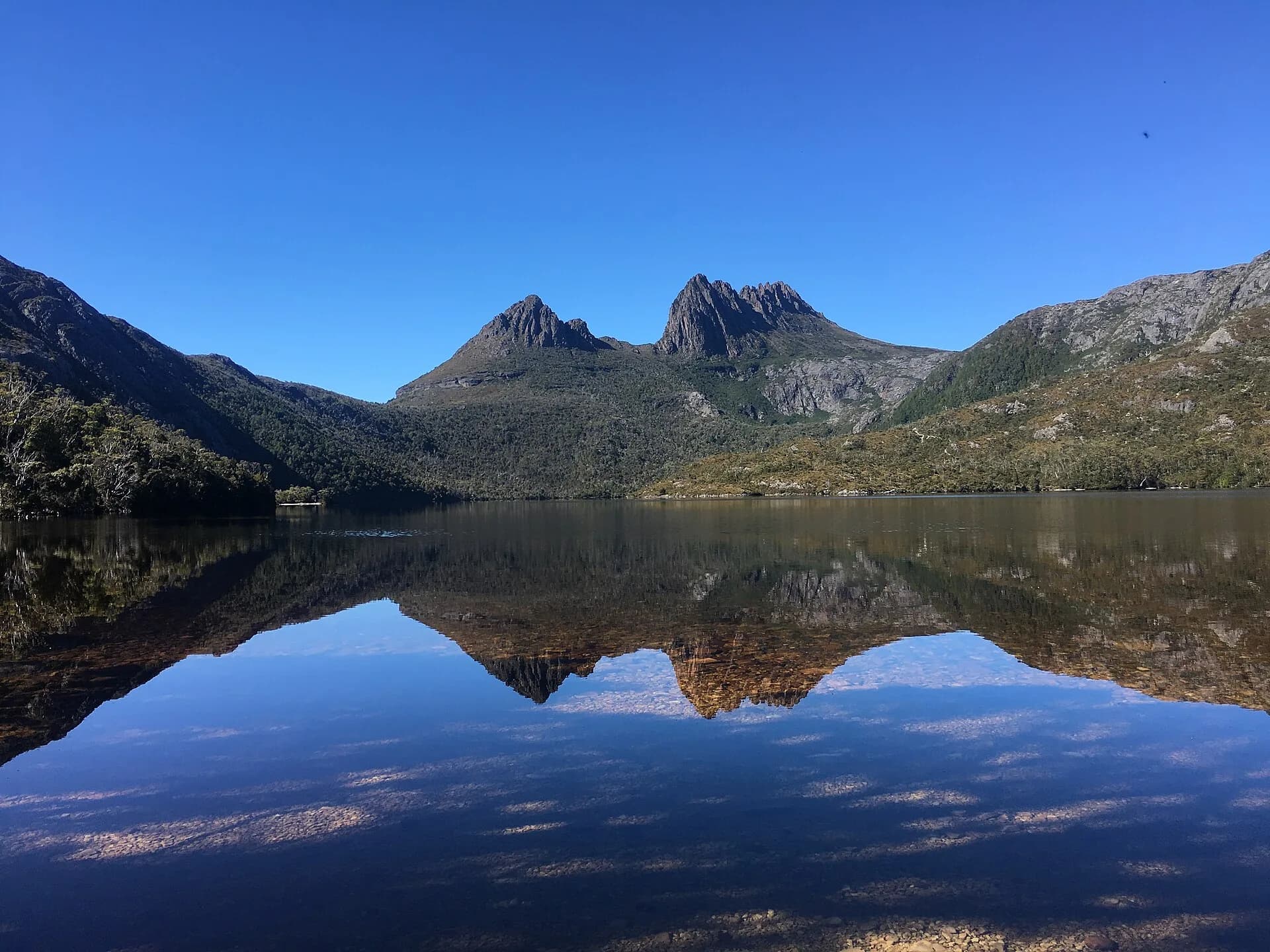
Tasmania’s weather varies sharply by region and elevation. A warm Hobart afternoon does not predict conditions at kunanyi or Cradle Mountain. Carry layers and rain protection, and check the Bureau of Meteorology forecast plus Parks Tasmania alerts.
Balance longer drives with local days. A useful itinerary might alternate a city or town day, a landscape day and a transfer day with one major stop. This is easier to sustain than changing accommodation every night.
Accommodation and food planning
Regional accommodation can sell out around school holidays, festivals and summer. Small towns may have limited evening dining or shops that close earlier than expected. Confirm check-in, dinner and fuel plans before arriving late.
Self-catering helps in remote areas, but never assume drinking water, groceries or fuel will be available at a national park trailhead. Carry what the day requires.

A sensible first-week outline
For seven days, choose Hobart and one second region. Spend three nights in Hobart, use one day for the city and one for a southern outing, then travel to Launceston or the north-west for three nights. Keep the final night close to the departure point.
This outline leaves many good places for another visit. That is preferable to seeing Cradle Mountain, Freycinet, Port Arthur and Bruny Island only through a windscreen.
Before departure
Check forecasts, park alerts, road conditions and ferry notices. Download offline maps, tell someone about remote walks and carry a personal locator beacon where official advice recommends one. Confirm that travel insurance, vehicle cover and bookings match the activities you intend to undertake.