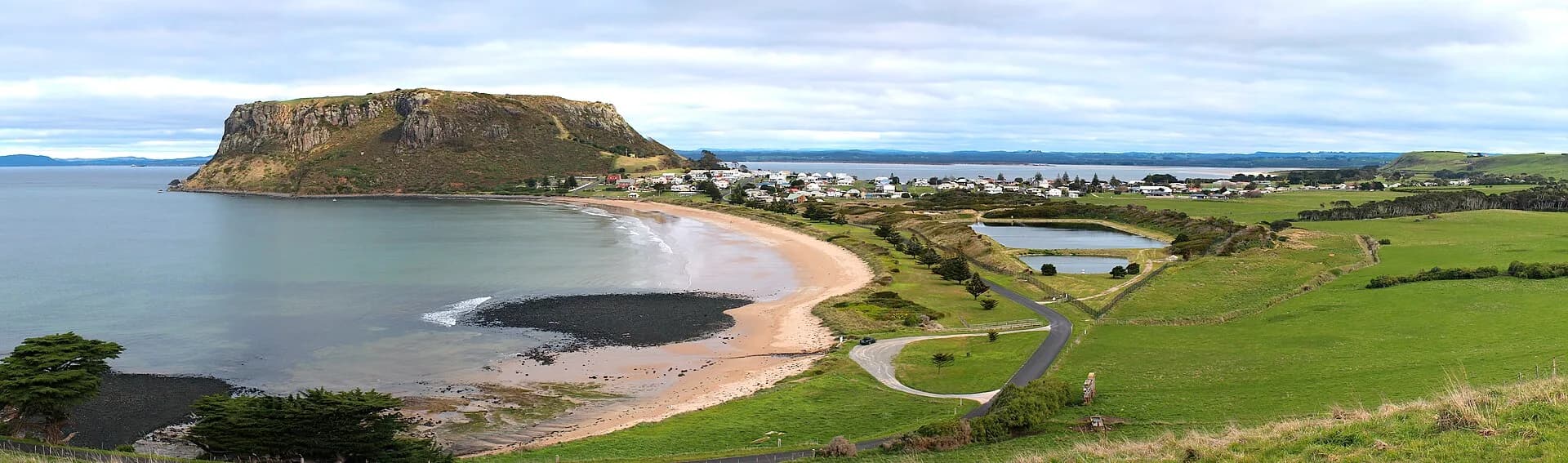

“Stanley’s First Fleet” is an informal local name for the ships and company employees who established the Van Diemen’s Land Company base at Circular Head in 1826. It should not be confused with the First Fleet that reached New South Wales in 1788.
A company colony within a colony
The Van Diemen’s Land Company received its royal charter and a large north-west land grant in 1825. It planned to raise fine-wool sheep and develop other resources for British markets. Circular Head, below the volcanic headland now called the Nut, became its coastal base.
Henry Hellyer reached Circular Head aboard the Cape Packet on 4 March 1826 as part of the advance work. Company officers surveyed country, chose sites and prepared for the larger groups of employees, families, livestock and supplies that followed.
_(13415281355).jpg)
The Tranmere and Caroline arrivals
Local historical accounts group the Tranmere and Caroline among the formative 1826 arrivals. Rather than treating the passengers as a single heroic party, it is more useful to ask what work brought them: surveying, farming, trades, domestic labour and company administration.
Passenger lists and company records can vary in spelling and detail. Libraries, archives and the Van Diemen’s Land Company records are the proper starting point for family-history claims. The surviving evidence should be cited directly rather than supplemented with guessed occupations or relationships.
Settlement also meant dispossession
The company grant was made over Aboriginal Country without consent. The new farms, stock, roads and hunting practices caused dispossession and conflict across the north-west. Any account of the company arrivals is incomplete if it treats the land as empty or the settlement as only a maritime adventure.
Where to encounter the history
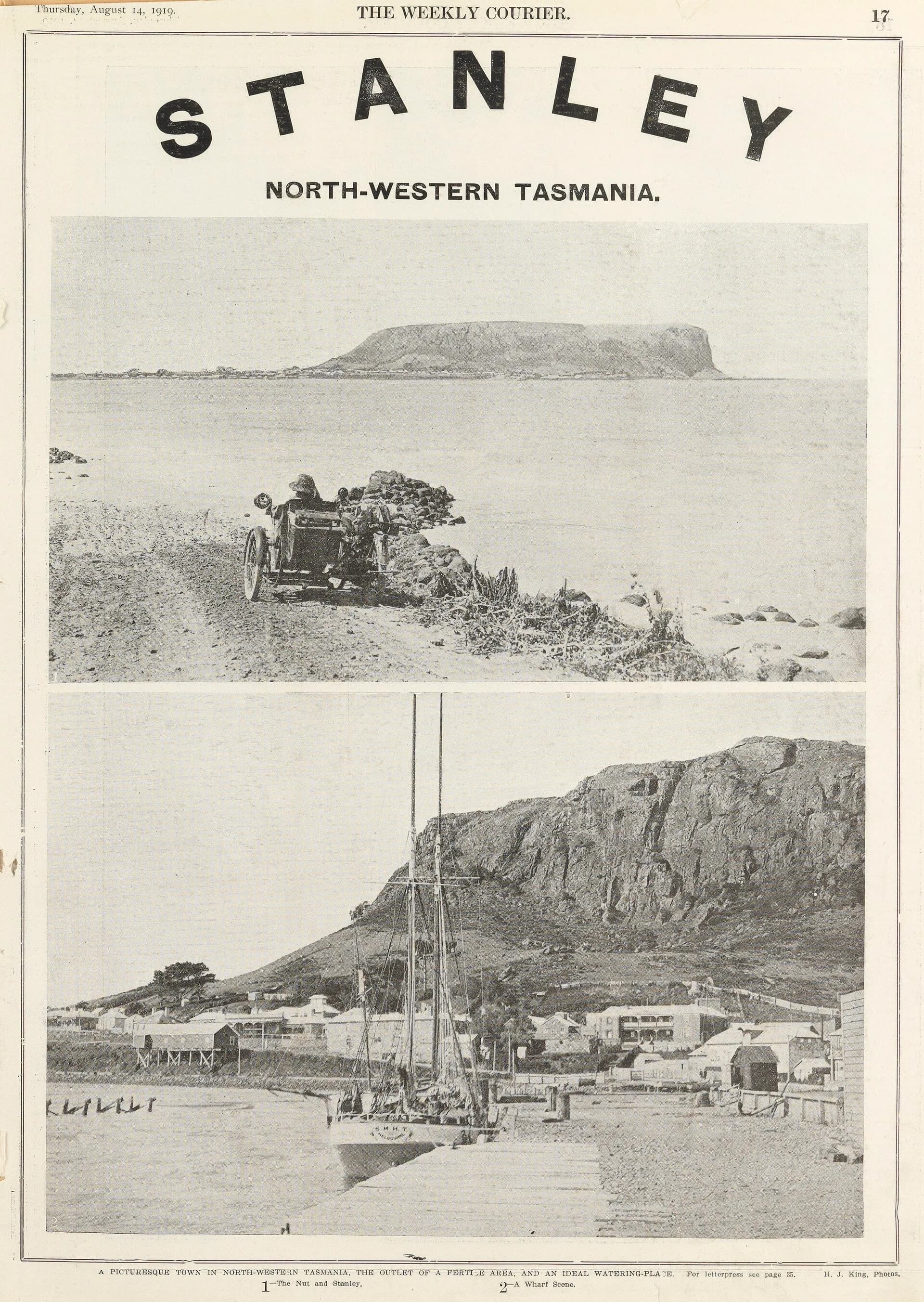
The Stanley history page sets the arrivals within the town’s wider development. The Stanley heritage walk follows public streets beneath the Nut, while Highfield Historic Site preserves the company’s later administrative landscape outside town.
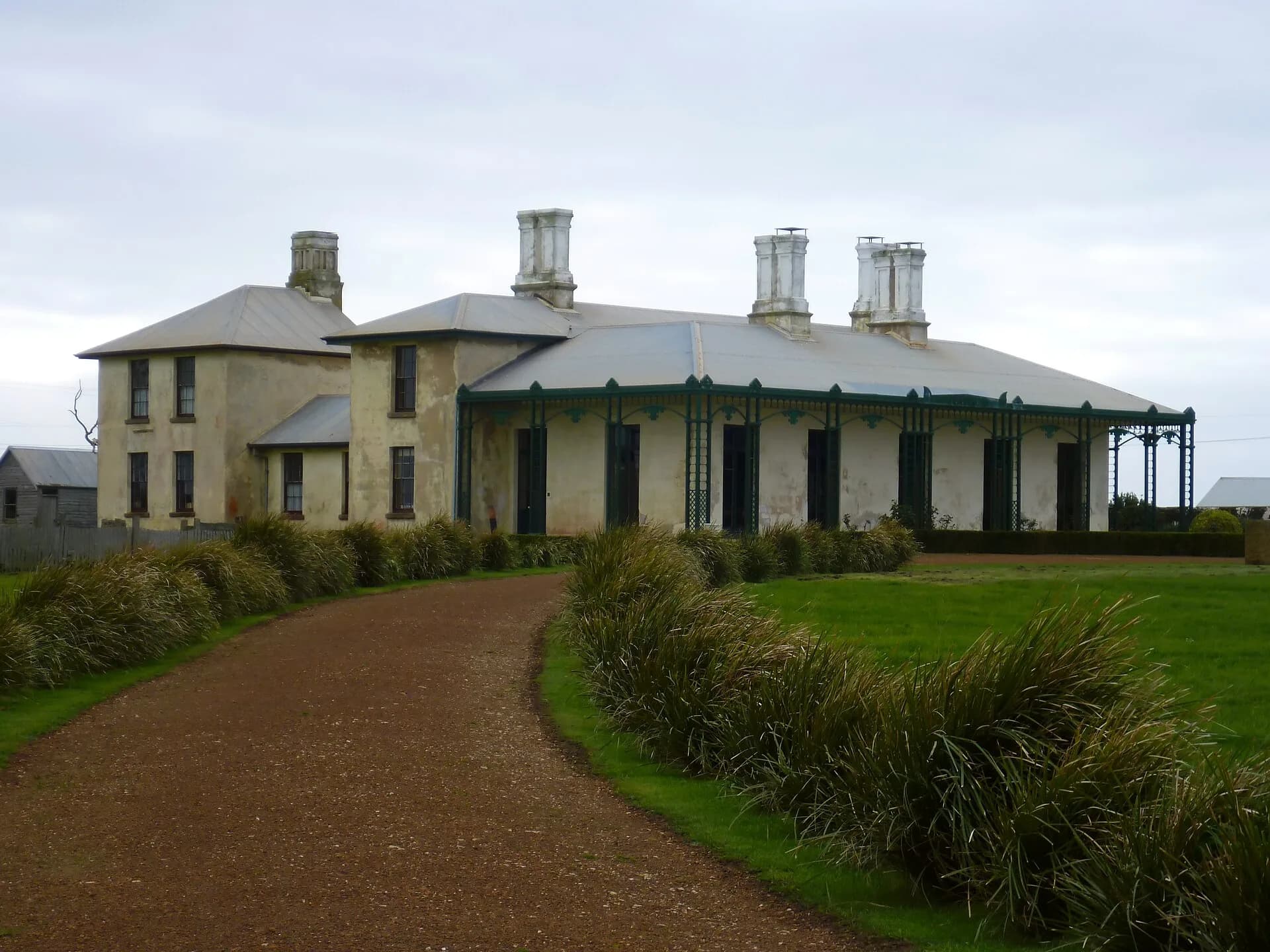

These places do not recreate a single moment. Together they show how a chartered company, its workforce and the existing Aboriginal cultural landscape shaped a difficult and consequential north-west history.