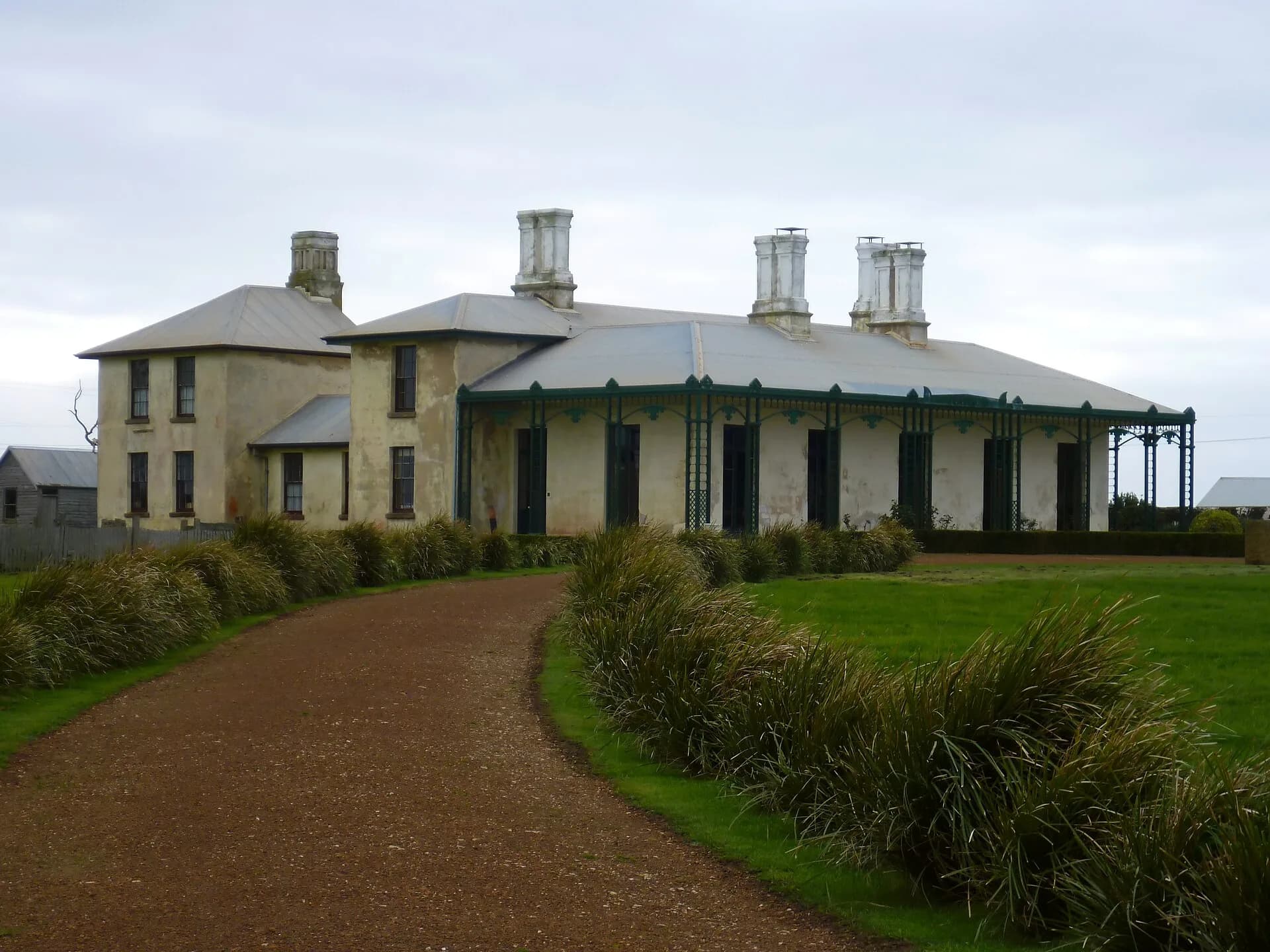

North-west Tasmania cannot be explained as a simple pioneer story. The region is Aboriginal Country, and its later farms, towns, ports and mines grew through dispossession, company grants, small selections and industrial change.
Country before surveyed land
Aboriginal people lived across the coast, estuaries, plains and inland country for thousands of years. Cultural places, including rock engravings and middens, retain profound significance. Colonial occupation brought violence, including killings associated with company settlement and pastoral expansion.
The Van Diemen’s Land Company
The Van Diemen’s Land Company received a vast grant in the 1820s to develop wool production. Its agents established operations around Circular Head and explored inland routes. The company’s records are substantial, but they reflect a commercial enterprise that treated Aboriginal land as available property.
Small farms and coastal transport
Independent settlers cleared dense forest from the 1840s onwards. Tidal rivers and small ports were essential because overland transport was difficult. Potatoes, dairy farming and livestock became important on fertile coastal soils.
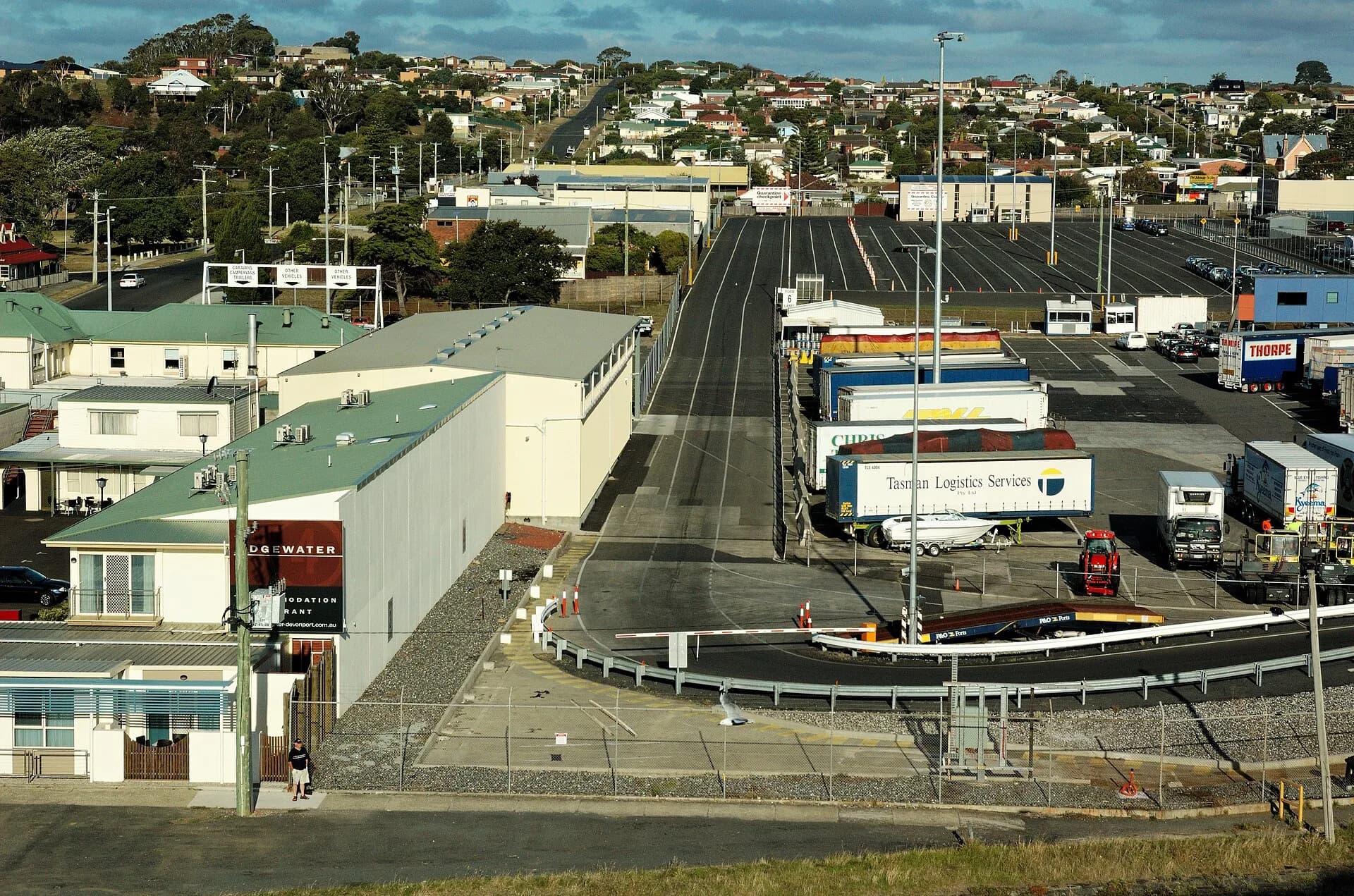
Rail and roads later shifted trade towards larger centres. Devonport and Burnie developed as regional cities, while smaller ports changed function.

Mining and industrial towns
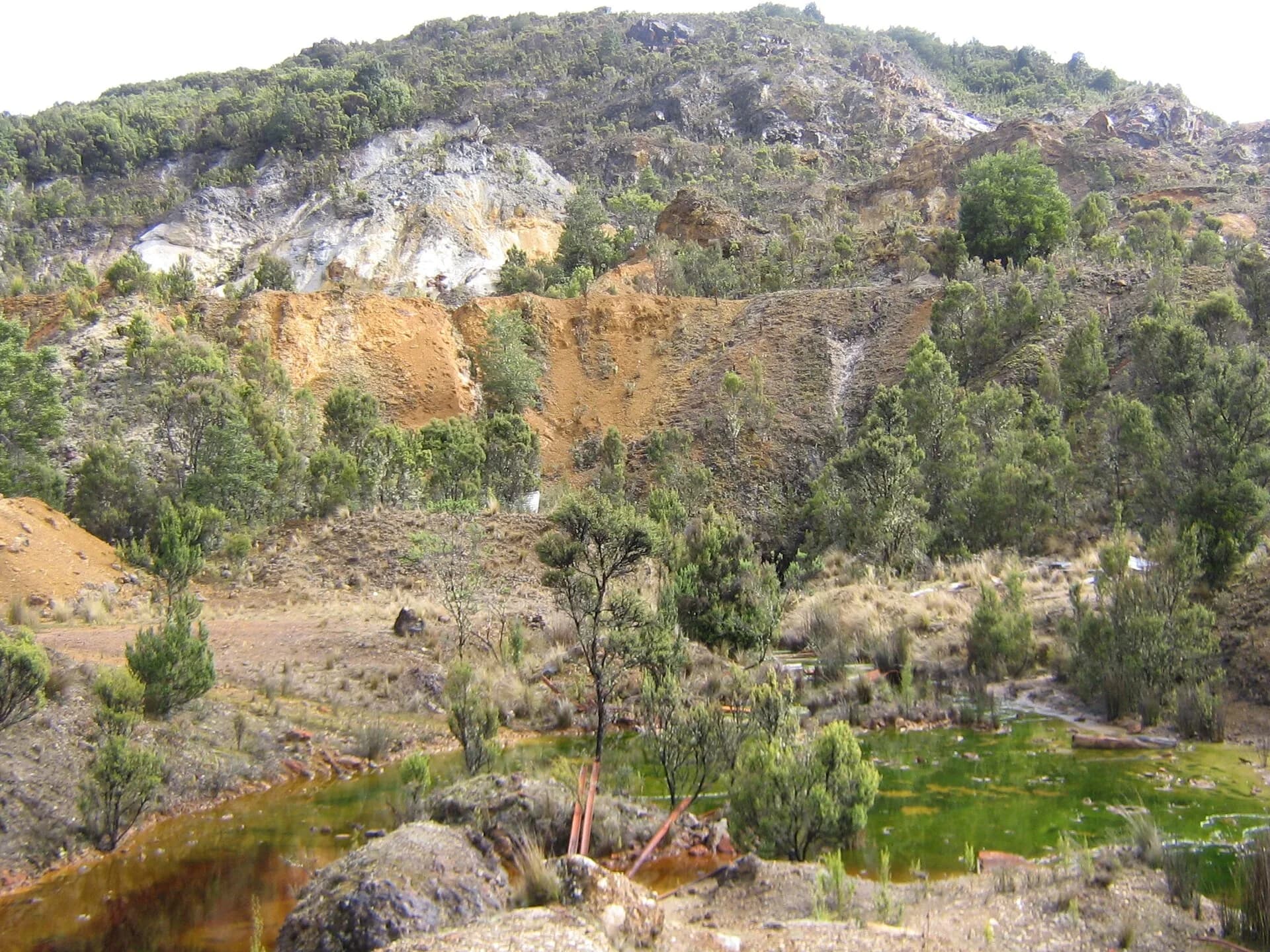
Tin at Mount Bischoff transformed Waratah and helped finance wider mining development. West-coast mineral fields drew transport lines and labour across difficult country. Waratah still shows the close relationship between water, mine and town.

In the twentieth century, pulp and paper, processing, manufacturing and hydro-electric power reshaped employment. Later closures and restructuring left visible industrial sites as well as economic disruption.
Reading the region today
The Devonport guide, Stanley history and north-west place names provide local detail. Good regional history compares company, government and newspaper records with Aboriginal scholarship and community histories rather than relying on one celebratory narrative.