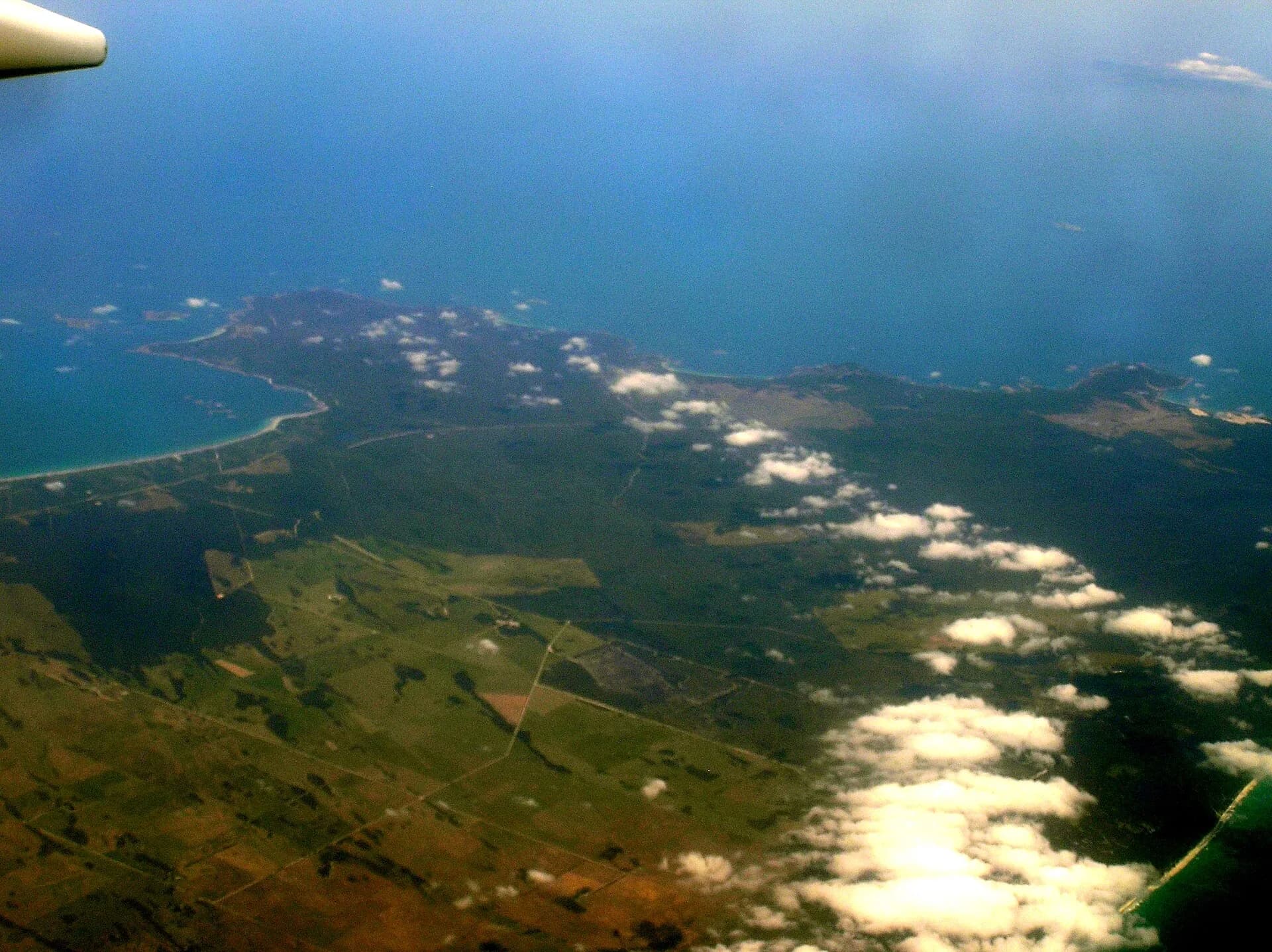

Tasmania is surrounded by thousands of islands, islets and rocks. Some support towns and roads; others are national parks, scientific reserves, lighthouse stations or breeding places where public access is restricted.
Bass Strait islands
King Island and Flinders Island have resident communities, airports, roads and visitor services. The Furneaux, Hunter and Waterhouse groups also include remote or privately managed islands with very different access.


East and south coast islands
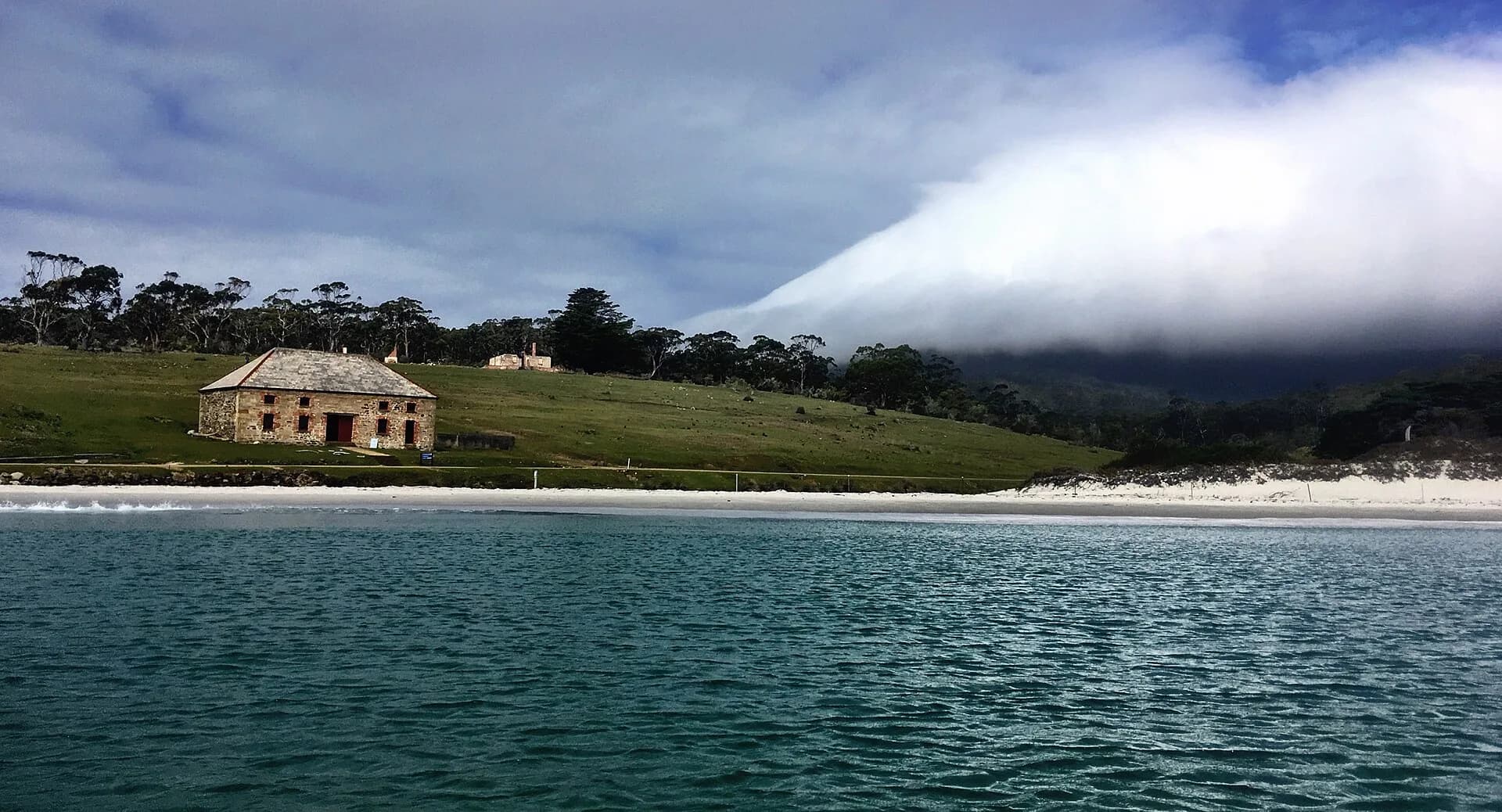
Maria and Bruny islands are major visitor destinations, while Schouten, Tasman and Maatsuyker islands demand specific park, boating or authorised access arrangements. Offshore rocks such as Pedra Branca are important wildlife habitat, not recreation sites.

Subantarctic Macquarie Island
Macquarie Island lies far south in the Southern Ocean and is a World Heritage Area and scientific station. It should never be folded into ordinary Tasmania touring advice.
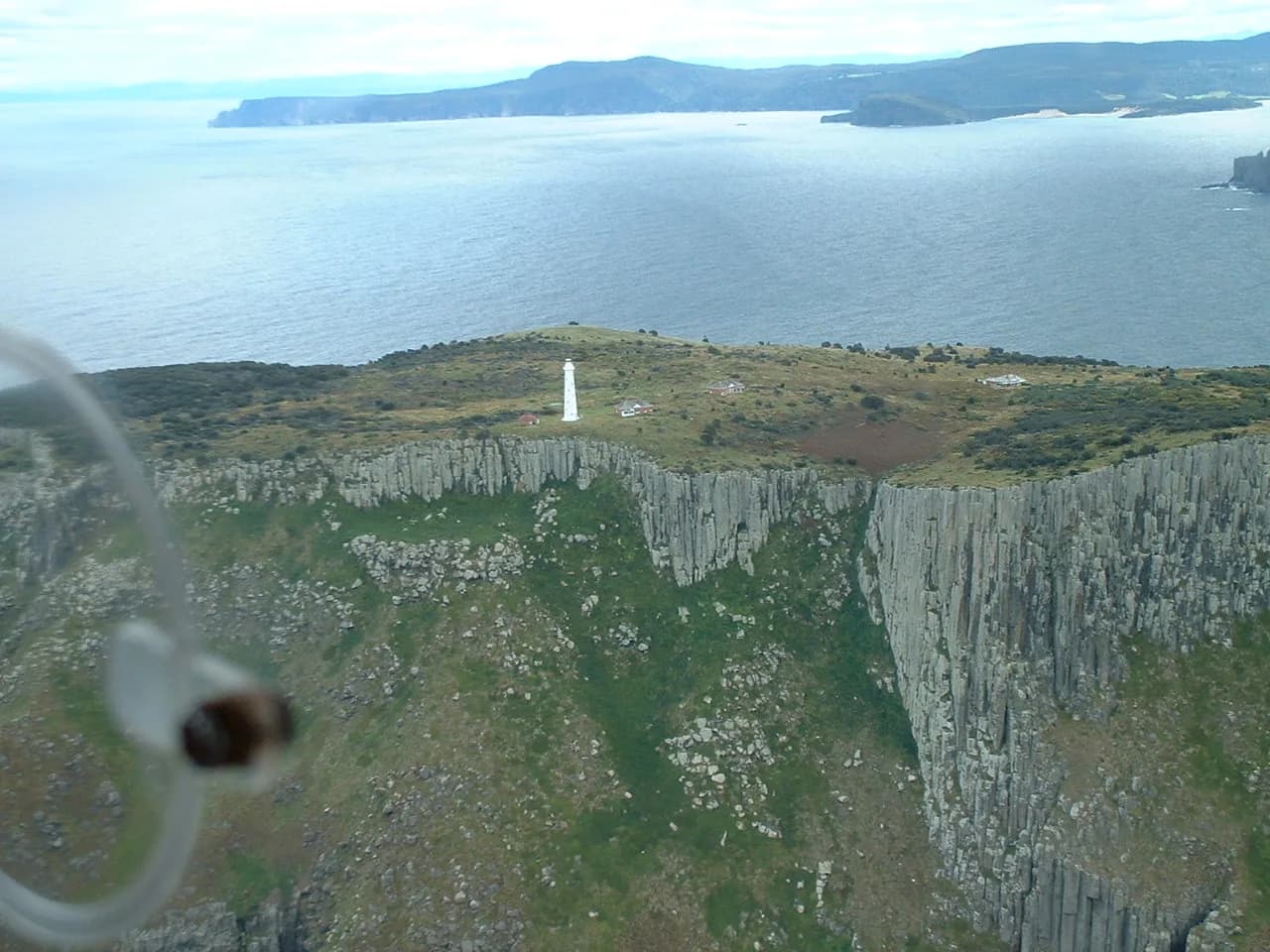

Plan accessible trips through the Bruny Island, Maria Island and Flinders Island guides.