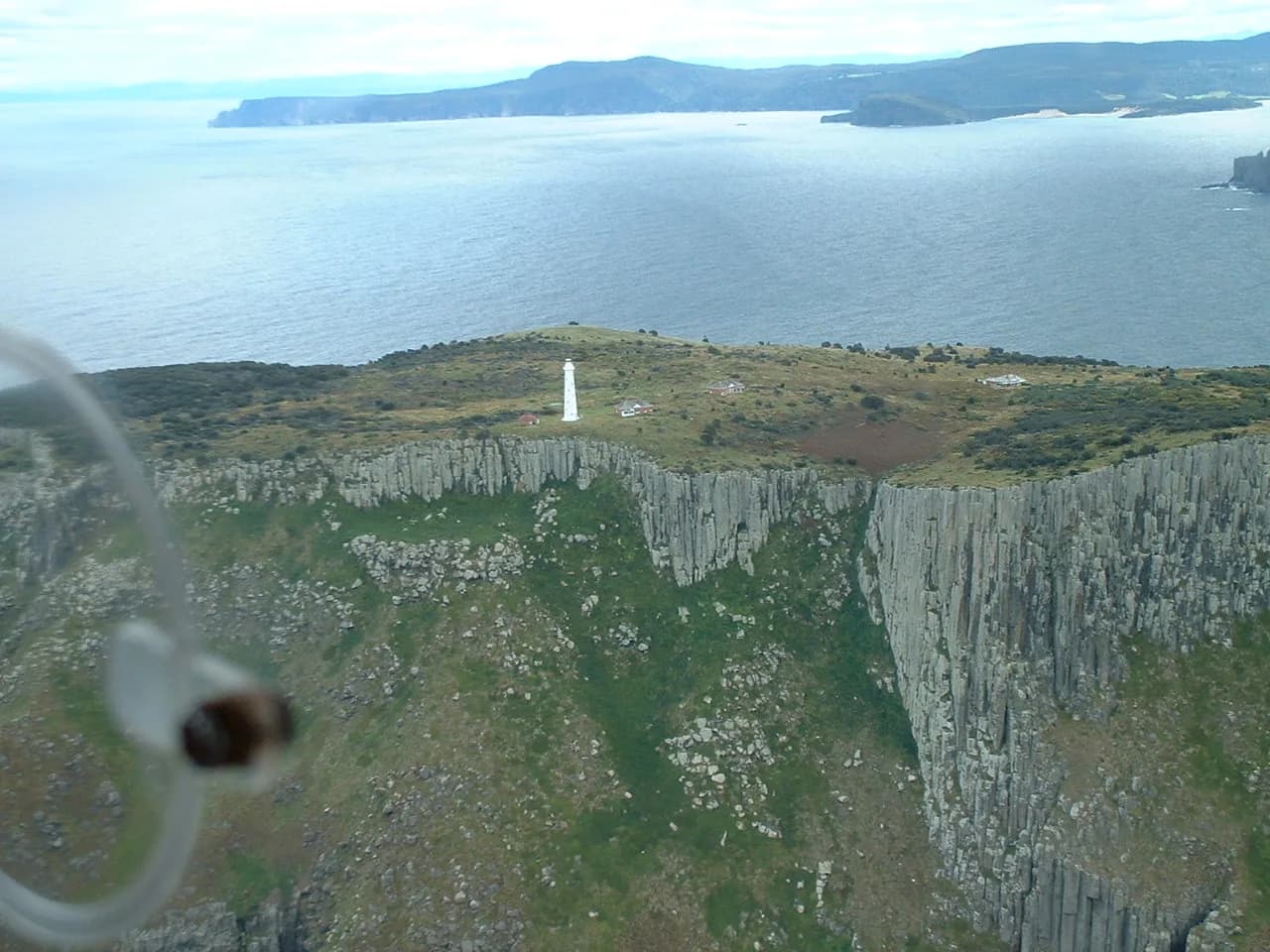

Tasman Island rises beyond Cape Pillar at the entrance to Storm Bay. Sheer dolerite cliffs, an operating lighthouse and major seabird colonies make it significant, but its isolation makes ordinary visitor access inappropriate.
Lighthouse above the cliffs
The prefabricated cast-iron lighthouse first operated in 1906. It stands 29 metres high on an island whose cliffs rise to 276 metres, making it Australia’s highest operating lighthouse by elevation.
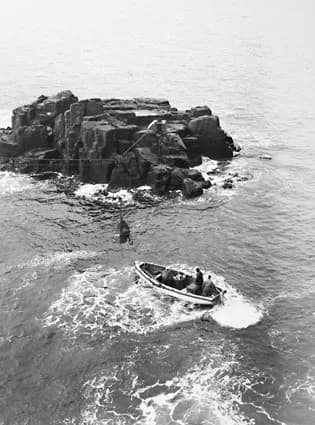

Access is hazardous
The former landing and haulage system show how difficult supply once was. Sea access remains dangerous, and the island has no general public ferry or visitor infrastructure. Do not interpret online photographs as permission to land.
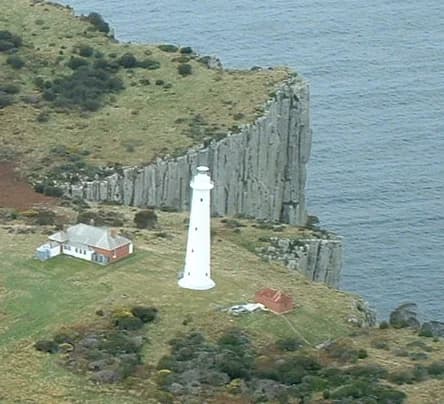

View from the peninsula
Cape Pillar on the Three Capes Track provides the defining land view for prepared walkers. Boat operators may pass offshore when conditions permit, but cliffs, swell and wildlife need generous distance.
Use Tasman National Park, Eaglehawk Neck and Port Arthur for practical planning.