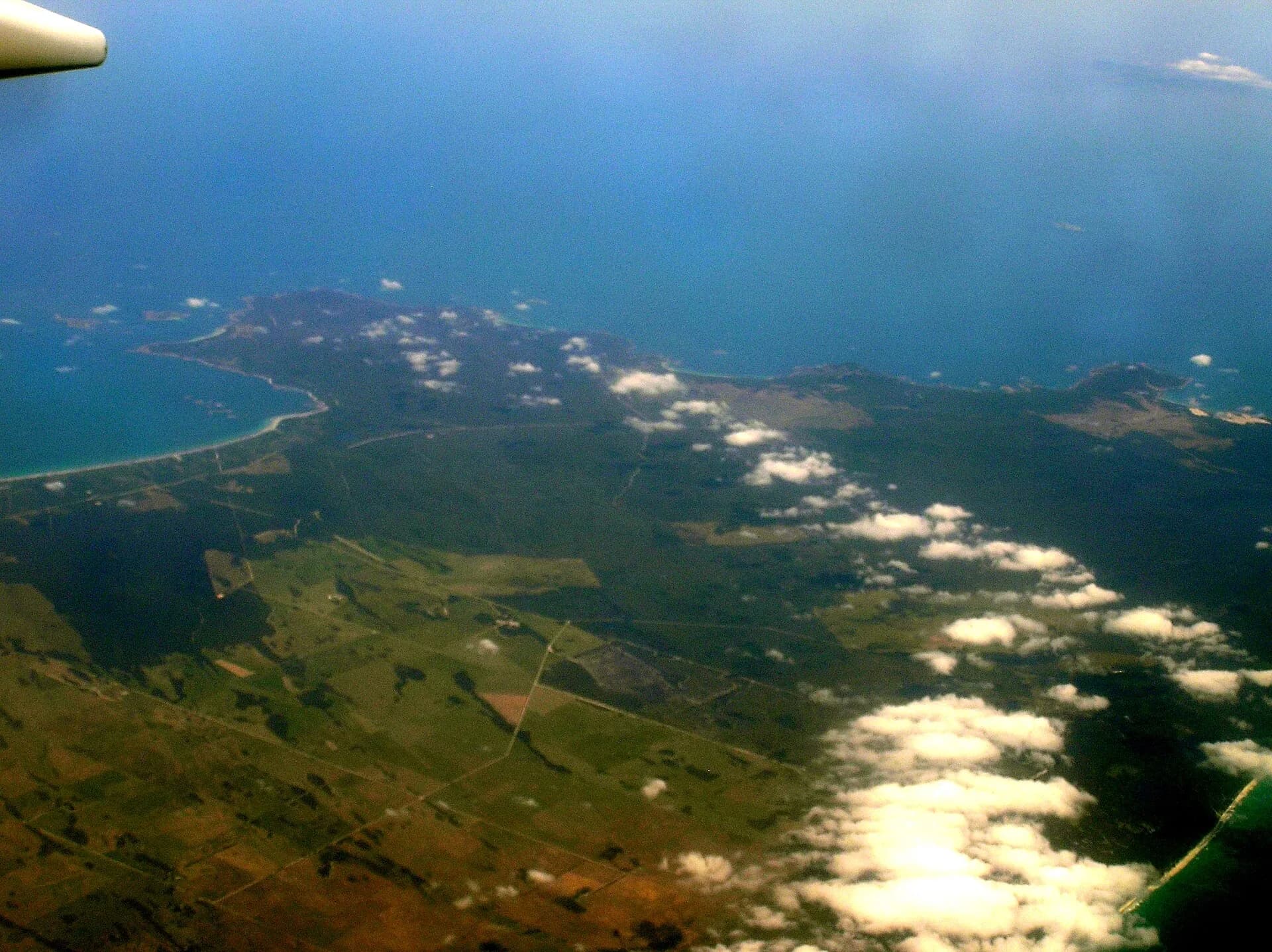

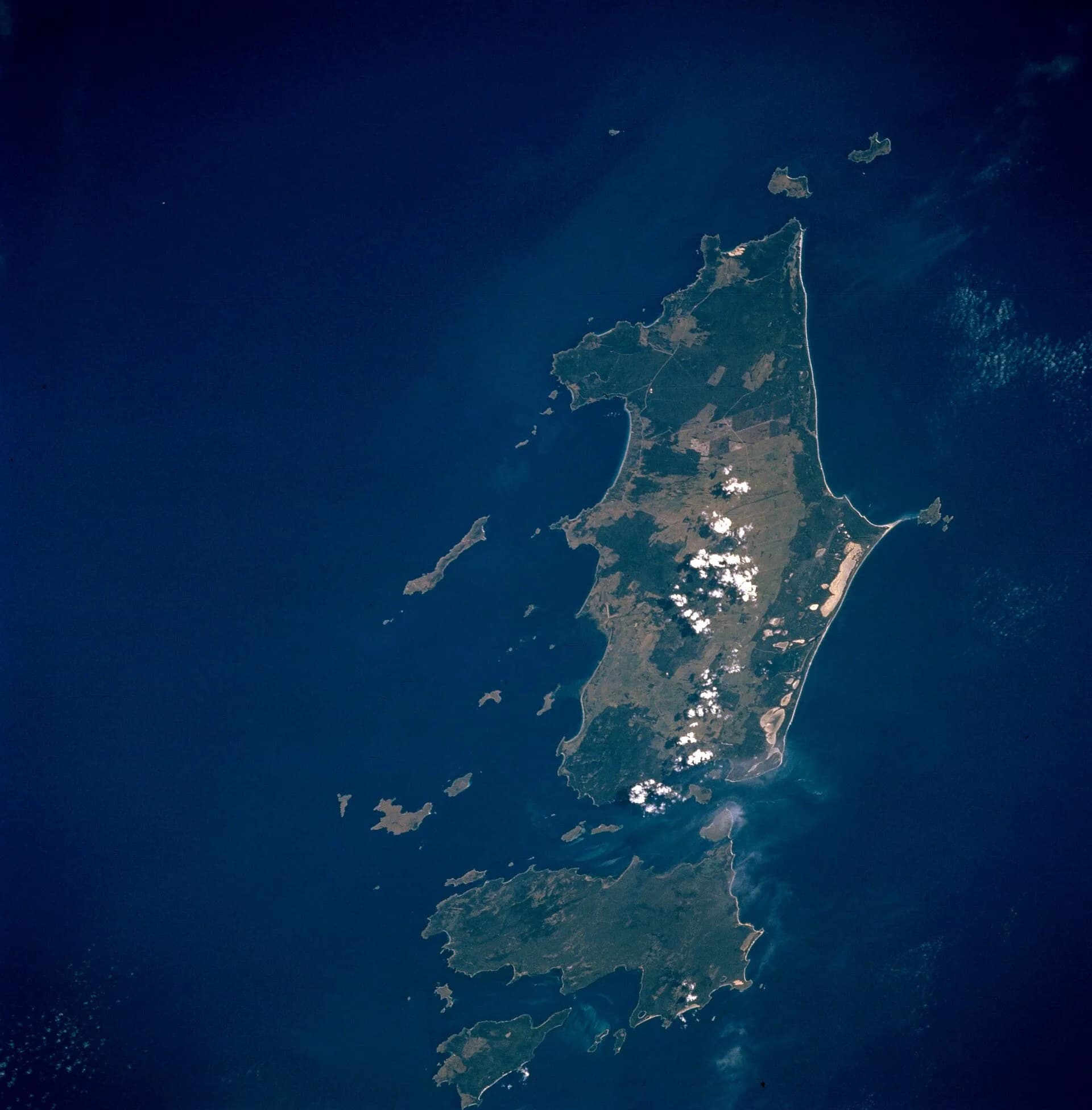
Flinders Island is the largest island in the Furneaux Group. Granite ranges, lagoons, farming country and long coasts sit around small communities where transport, opening hours and weather require more planning than a mainland road trip.
Arrange transport before the itinerary
Regular passenger access is by air, with limited sea freight and other services operating under separate arrangements. Book a vehicle early if you intend to travel beyond Whitemark and Lady Barron. Distances are manageable, but roads include unsealed sections and wildlife is active near dawn and dusk.
Carry supplies
Flinders Council advises that business hours vary and services thin out away from the main settlements. Arriving late or on a Sunday can sharply reduce food options. Carry drinking water, fuel appropriately and download essential information before travelling north.
Walks and geology
Strzelecki National Park includes the island’s highest country and requires a parks pass. Walk difficulty, exposed granite and rapid weather changes deserve proper clothing and turnaround times.


The community-developed Furneaux GeoTrail links 26 geological sites and provides a useful framework for reading the island’s rocks, landforms and scientific history without collecting material.
History and living culture
The Furneaux Museum covers island social and natural history. Wybalenna is a place of profound Aboriginal history and continuing significance, not a picturesque ruin. Read interpretation carefully and behave with respect.

How long to stay
Four to seven days allows weather flexibility and reduces rushed driving. Confirm flights, vehicle conditions, park alerts and accommodation directly. Island services and access can change faster than printed guides.