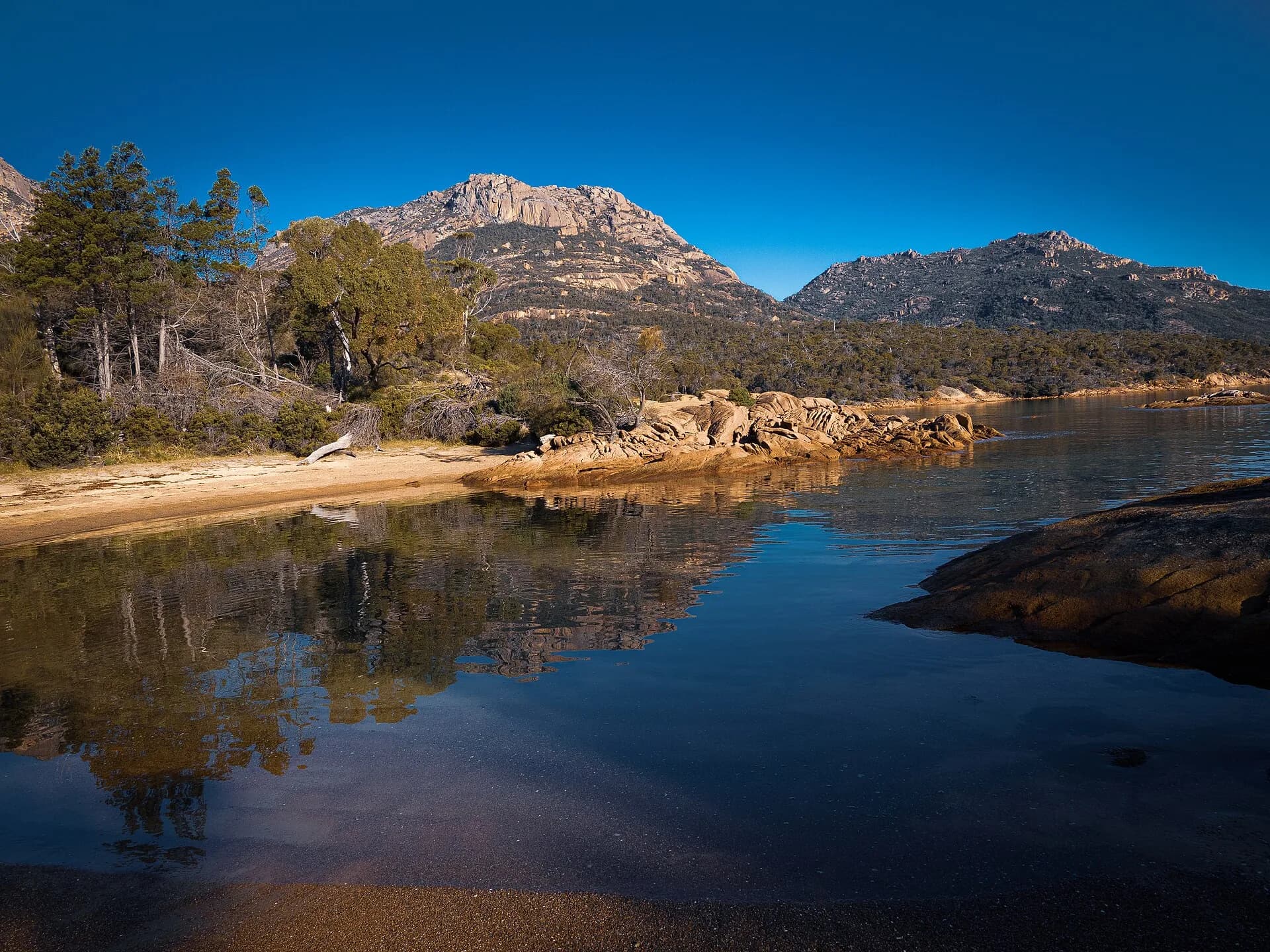

Northern and eastern Tasmania’s coast is covered with names from different periods. Aboriginal names express older relationships with Country. European navigators added names to charts, while surveyors, settlers and local communities created another layer around bays, points, islands and beaches.
Begin with the official feature
Placenames Tasmania is the authoritative register for current, historic and superseded names. A search should identify the exact feature type and location. The same word may refer to a bay, locality, point and road, each with a different naming history.
Official dual names deserve their full form. larapuna / Bay of Fires, kanamaluka / River Tamar and other recognised names are not interchangeable with informal tourism labels.
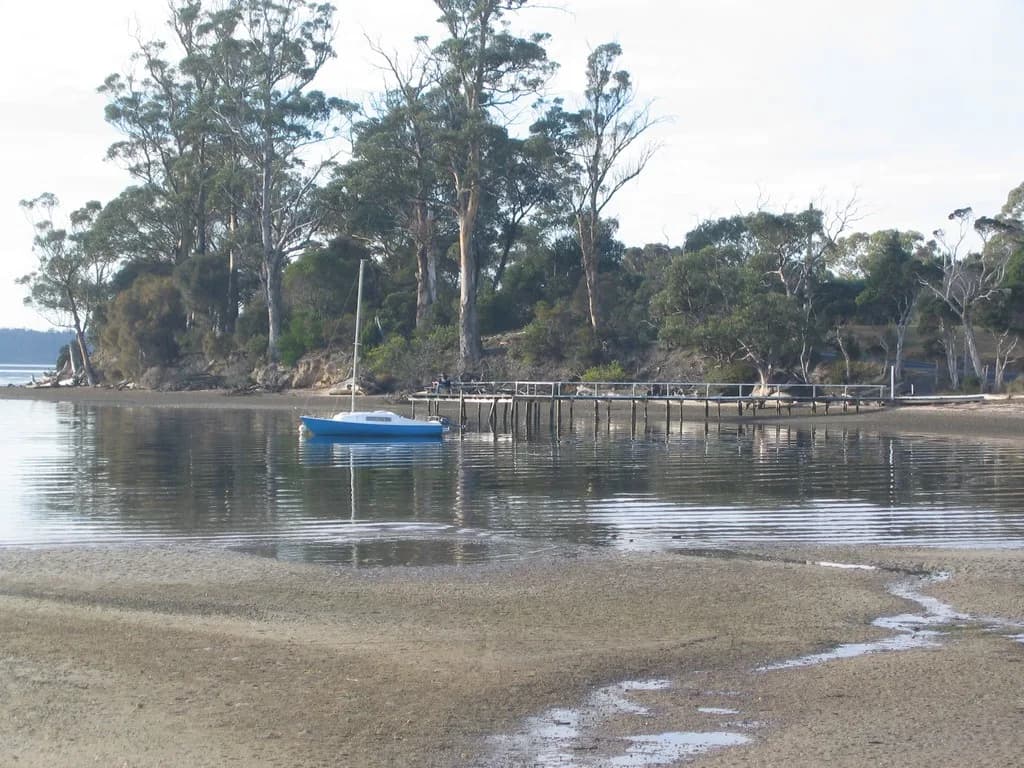

Names from European voyages
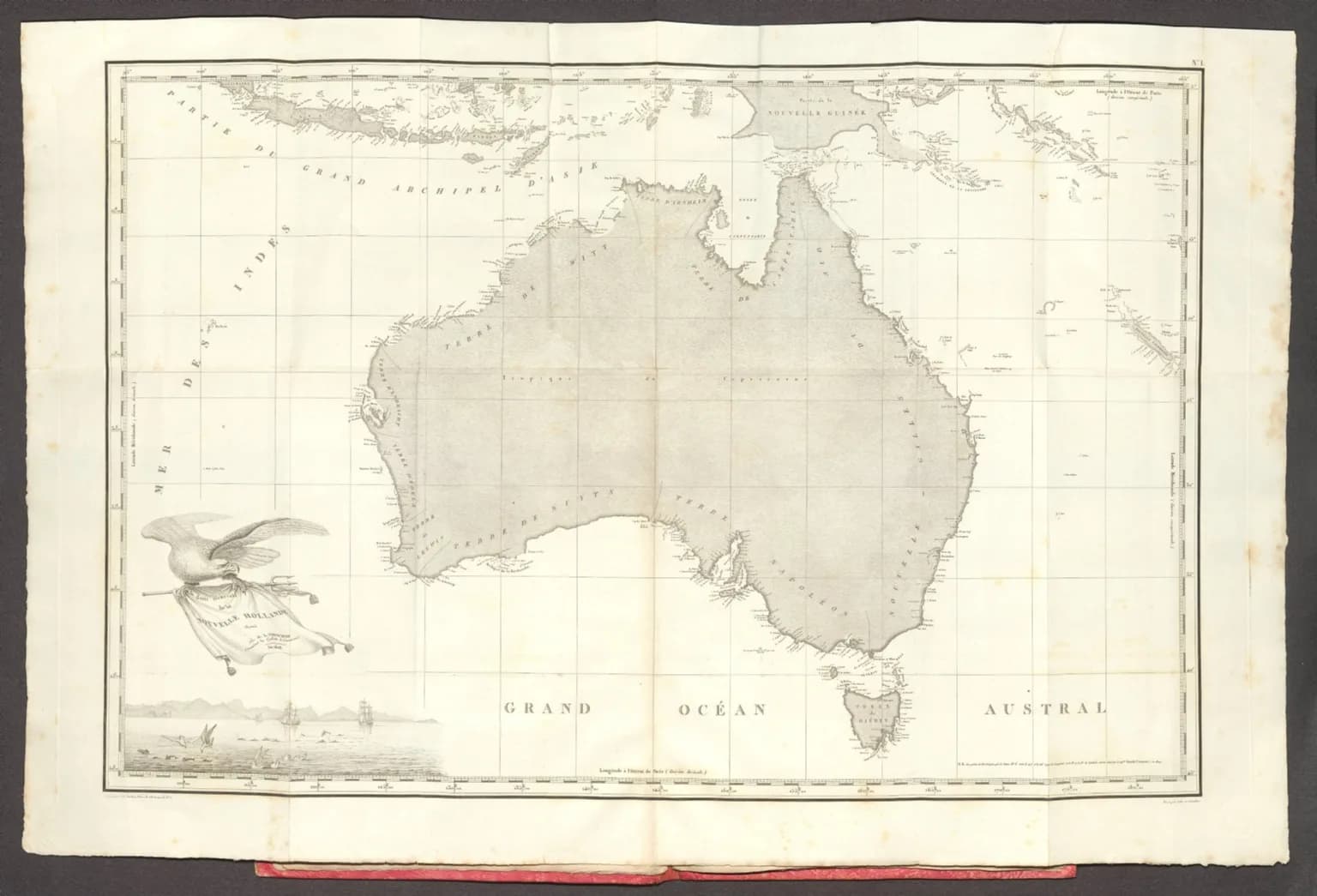
Tobias Furneaux named several east-coast features in March 1773, including St Helens Point, St Patrick’s Head, Eddystone Point and the Bay of Fires. His chart names recorded a European voyage, not the first knowledge or occupation of those places.
The Bay of Fires name referred to fires seen along an inhabited coast. Parks Tasmania identifies larapuna as a meeting place for Aboriginal family groups and records cultural sites throughout the dunes.
.jpg)
Survey, settlement and repeated stories
Later names reflect governors, officials, ships, British places, landholders and descriptive observations. Some were moved or applied to larger districts over time. A tourist name can also spread beyond the official boundary of the feature it originally described.
Origin stories often become too neat. A surname may match several historical people, and a chart published long after a voyage can contain editorial changes. Strong research compares the official register with voyage journals, charts, survey plans and the earliest dated local use.
Respecting cultural places
Coastal names are not merely labels for scenery. Middens, quarries and other Aboriginal places are protected and retain living cultural significance. Do not remove shells or artefacts, walk over exposed material or publish precise sensitive-site locations.
The St Helens guide and East Coast guide connect name research to current travel and land-manager advice.