
Hobart is within reach of several distinct regions, but a useful day drive concentrates on one direction. Mountain weather, narrow roads, roadworks, wildlife and worthwhile stops make map estimates an unreliable schedule.
Tasman Peninsula
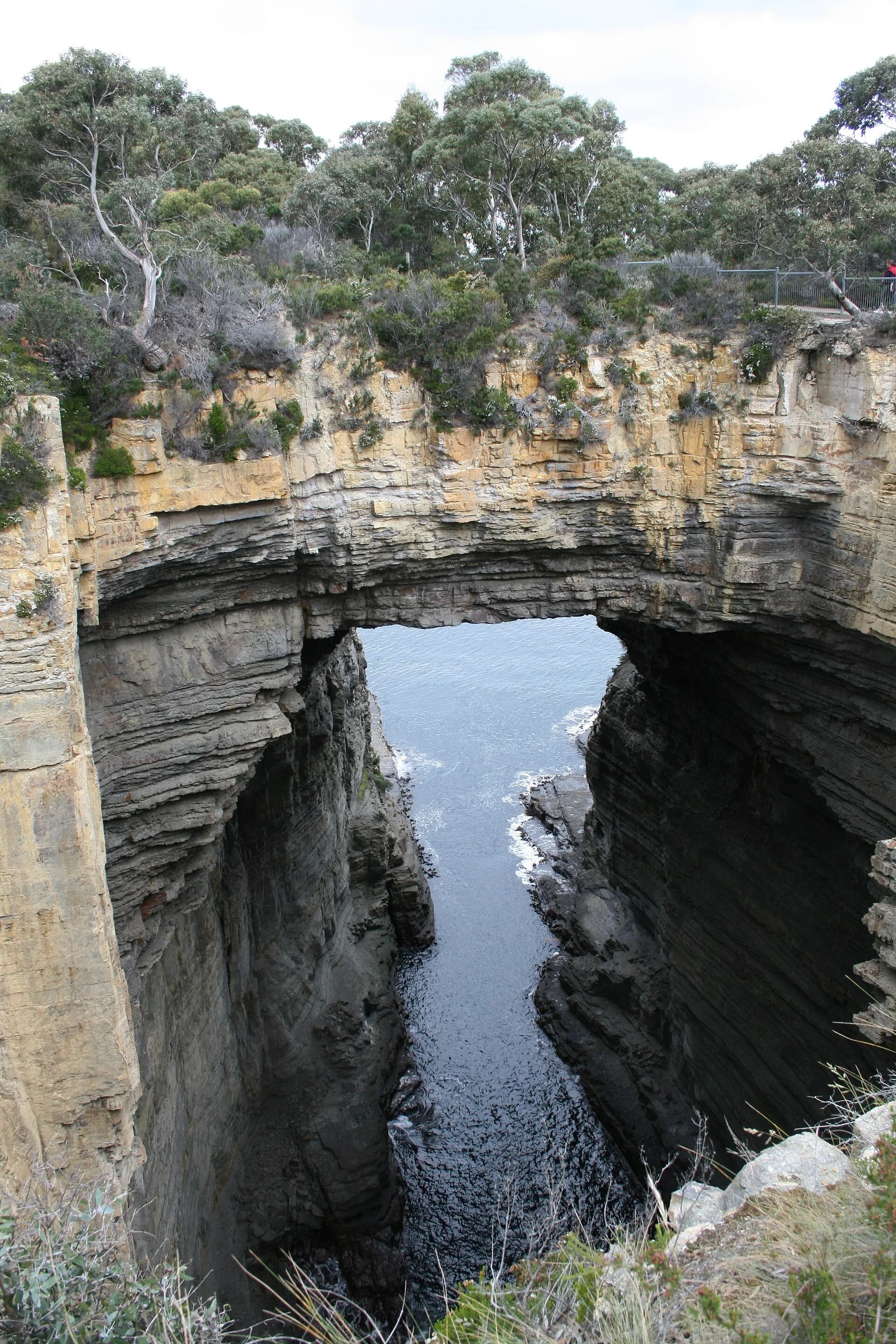
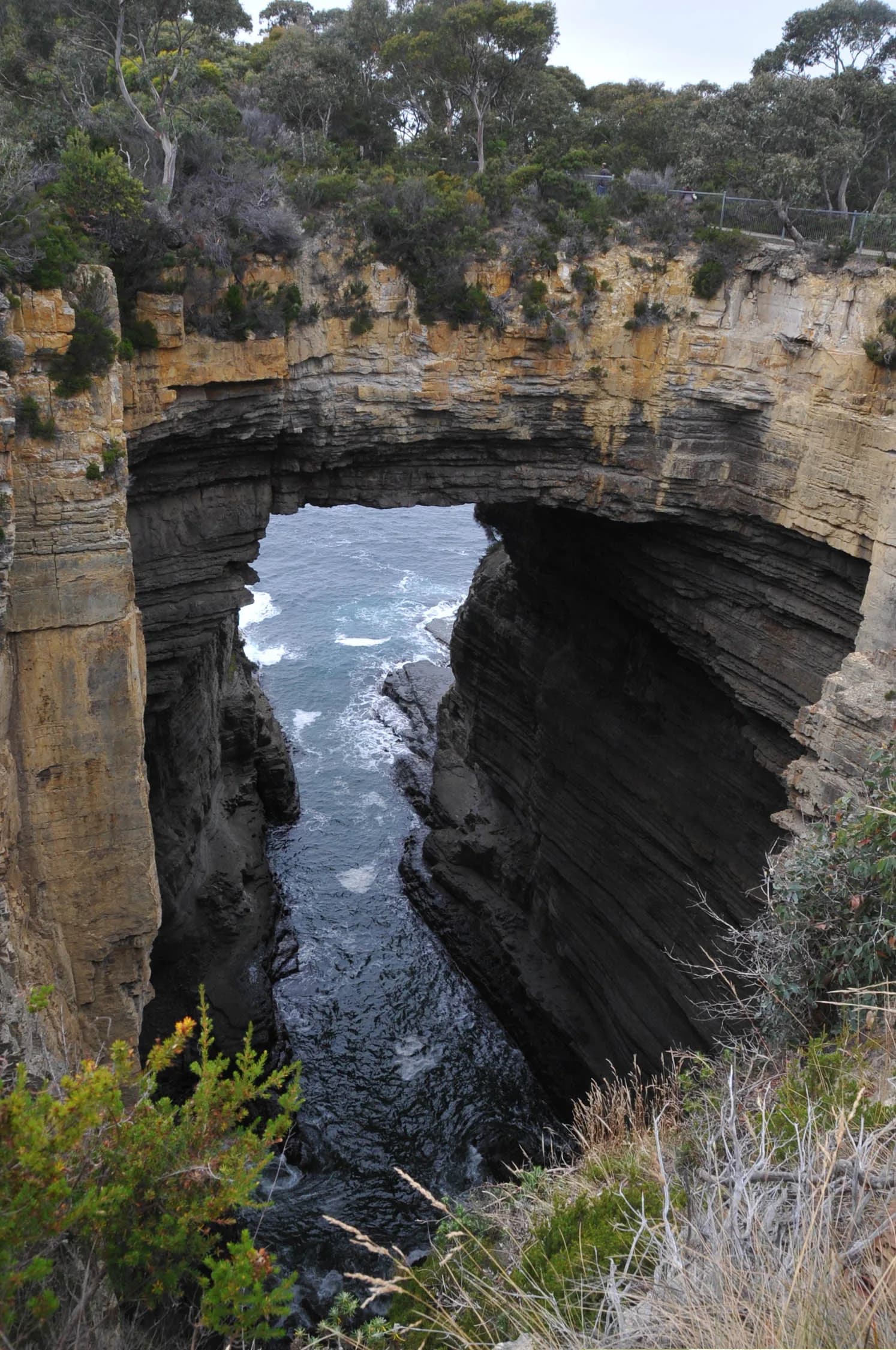
Follow the Tasman and Arthur highways through Sorell and Eaglehawk Neck for coastal geology, convict history and longer walks. Port Arthur needs at least half a day on its own. Add only one or two natural sites rather than attempting every marked turn-off.

Huon Valley and Channel
The Huon Valley combines river towns, orchards, forest and coastal branches. Huonville and Franklin make a manageable loop. Farther south, roads grow slower and services thinner, so Cockle Creek or Hartz Mountains should be the day’s focus rather than an extra stop.


Derwent Valley and the west
New Norfolk and the lower Derwent Valley suit a shorter day. Mount Field, Maydena and the Gordon River Road require progressively more time. Snow, ice, fallen trees or fire can change access quickly.
Coal River Valley and the Midlands
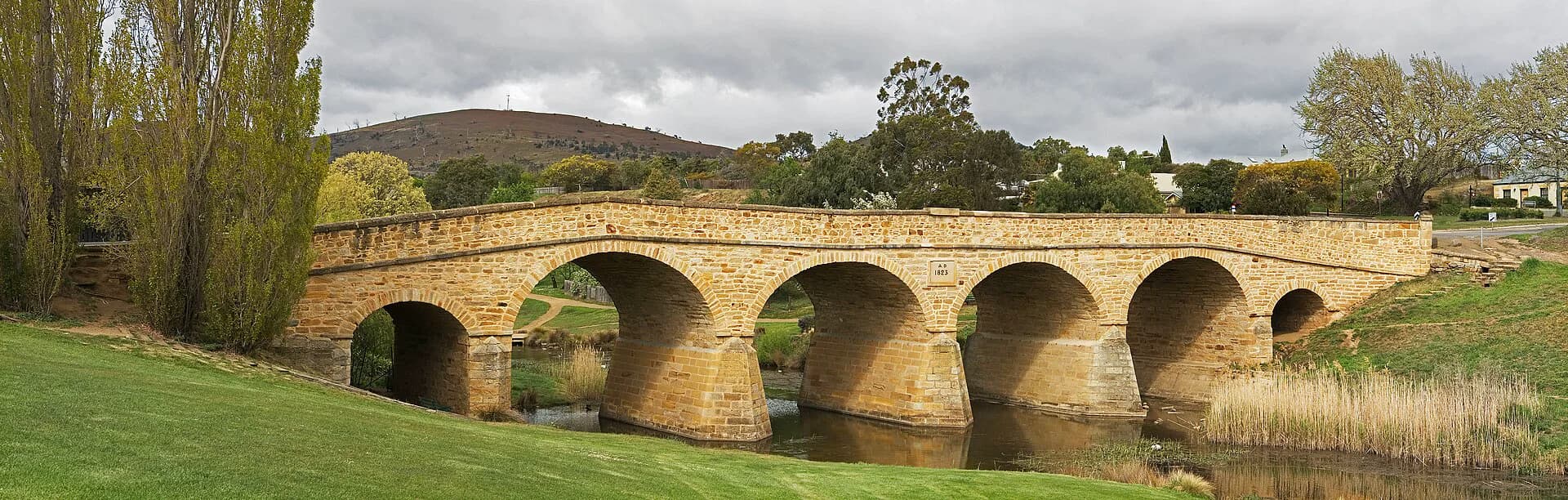
Richmond, Campania and the lower Coal River Valley work well together. For a longer northbound journey, use the Heritage Highway through Oatlands and Ross rather than treating the Midland Highway as the attraction.

Before leaving Hobart
Check state roadworks, Tasmania Police community alerts, park alerts and the weather. Start with fuel, water and warm layers. Avoid driving at night where possible, slow down for road workers and wildlife, and choose a turnaround time before the day becomes rushed.