.jpg)
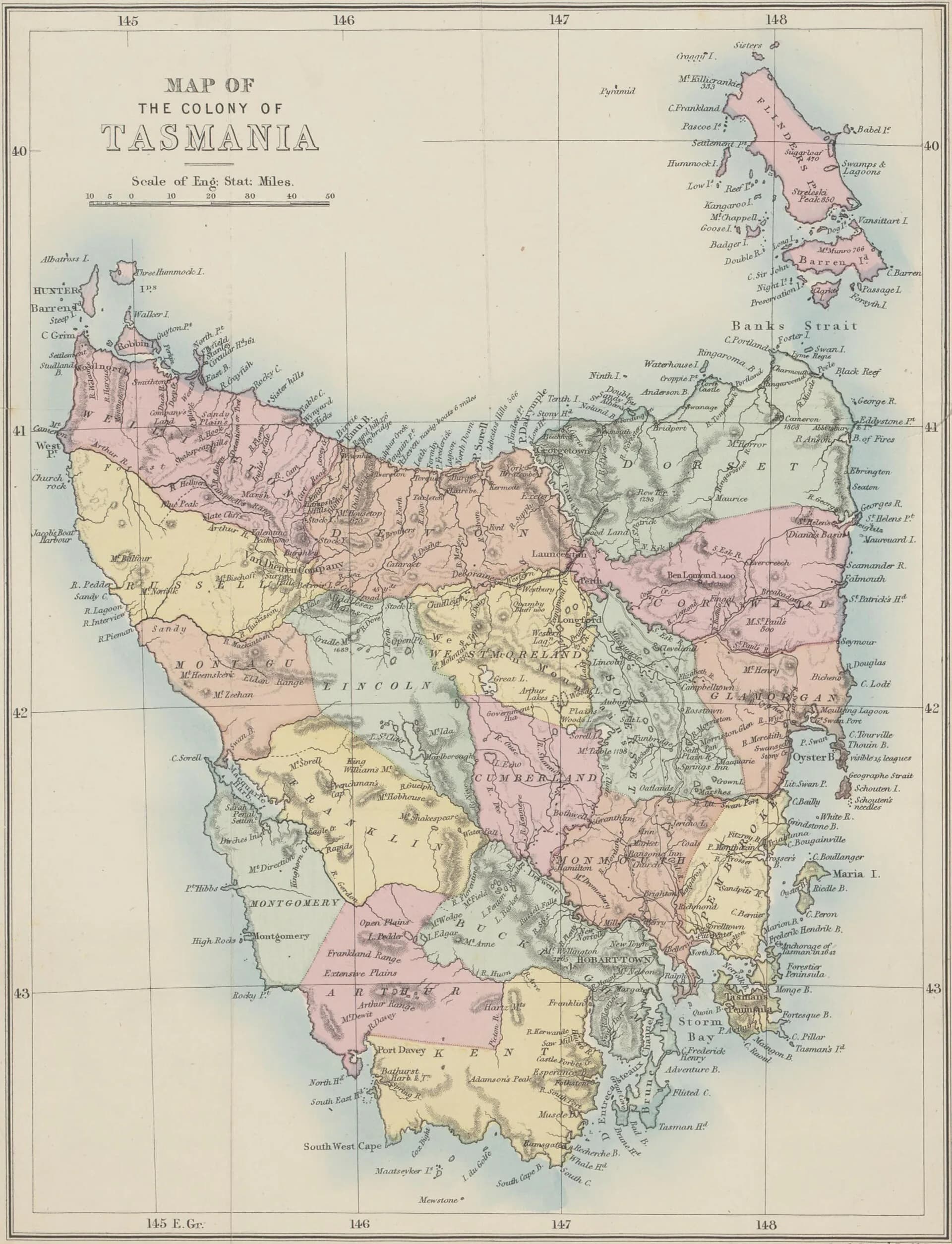
Colebrook is a small Southern Midlands village whose earlier name, Jerusalem, survives in the history of its probation station and surrounding district. The town rewards a slow walk, but many heritage buildings are active, private or opened only by arrangement.
From Jerusalem Plains to Colebrook
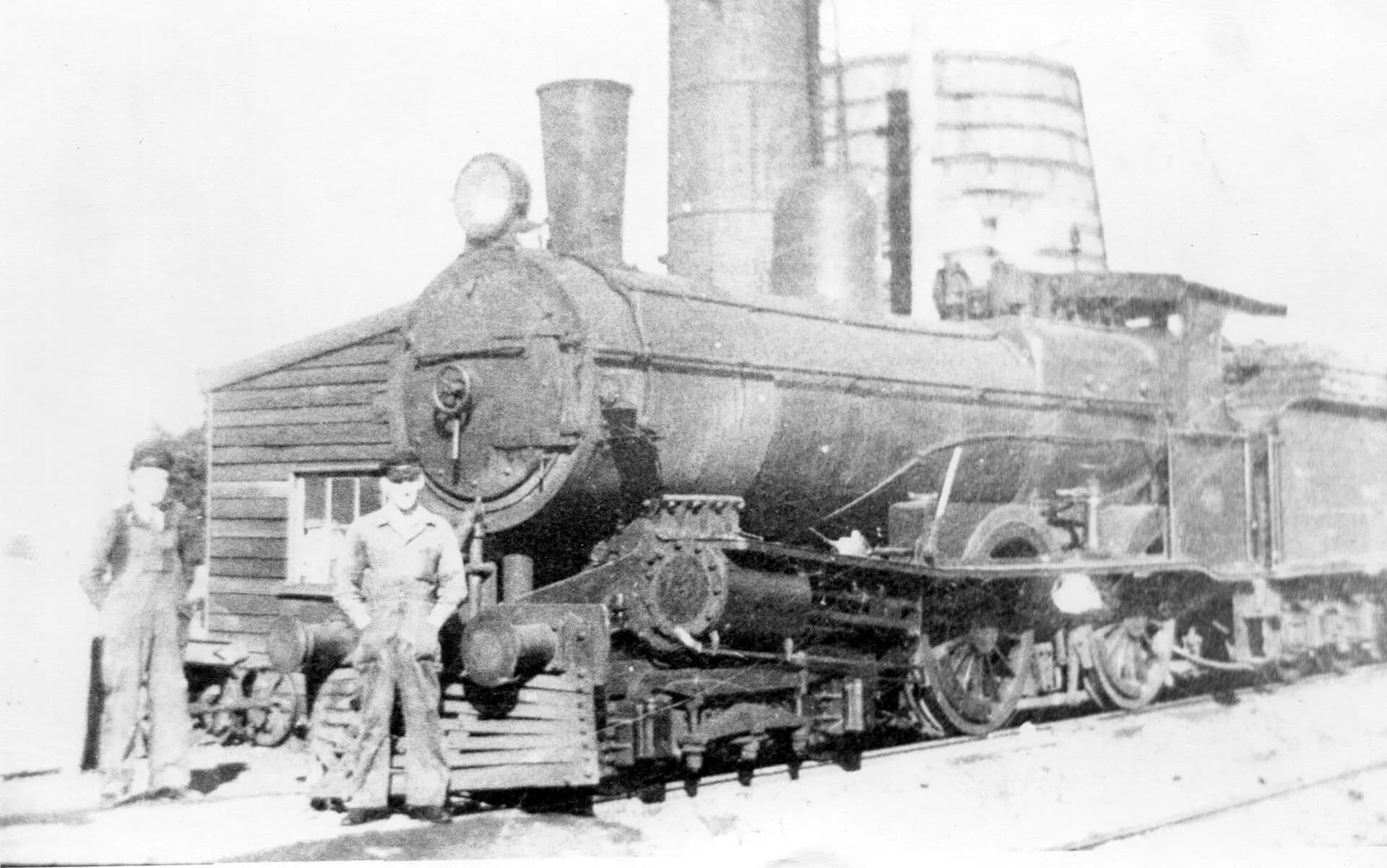
Southern Midlands Council records Jerusalem Plains on an 1824 chart. Colebrook Dale was in use by 1834, and Colebrook became the official town name in 1894. The main railway later connected the village to Hobart and Launceston, although the station building was destroyed by fire in 1967.

Churches and the probation landscape
St Patrick’s Catholic Church was designed in the tradition associated with Augustus Welby Northmore Pugin, while St James’ Anglican Church contains a notable group of stained-glass windows. Confirm access through current community information and remember that cemeteries remain places of burial.
The Jerusalem Probation Station survives as a collection of buildings, sites and archaeological remains around the village rather than one complete compound. The local planning inventory includes the court house, hospital or surgeon’s house, chapel or barn and station site. Much is not freely accessible.

Planning a visit
The Colebrook History Room and guided heritage activities operate on limited schedules. Contact the council or local progress association before making them the sole reason for travel.
Colebrook pairs well with Campania, Richmond and Oatlands. Together they show different effects of road building, convict administration, farming and rail across the Southern Midlands.