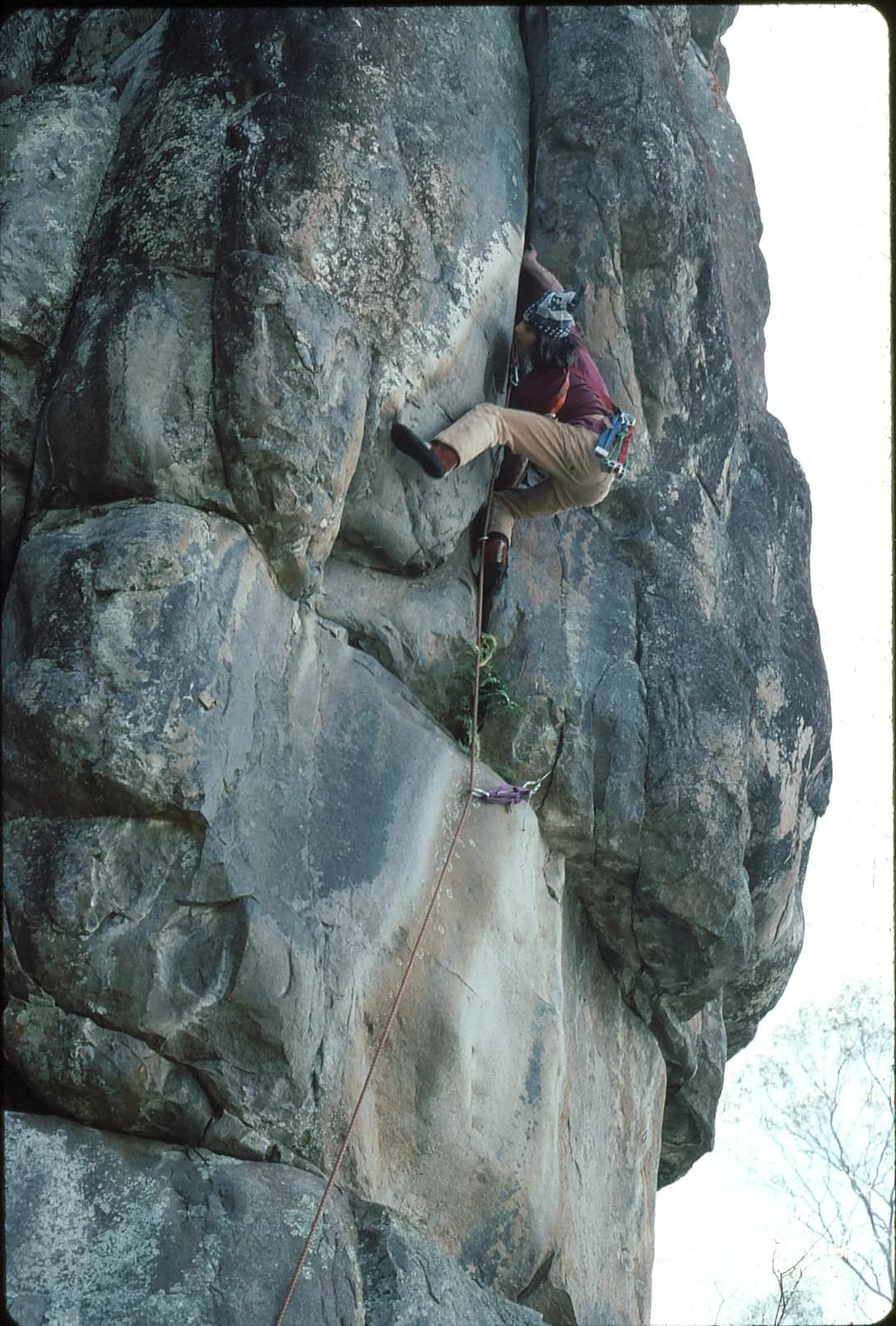

Campania is a rural service town in the Coal River Valley. Its main heritage story is closely tied to agriculture and the railway rather than to a preserved colonial centre.
A town that grew around the railway
Francis Smith named Campania Estate after purchasing land on the Coal River in 1829. The main railway reached the estate in 1876, and a town developed around the station with stores, a hotel, flour mill, church, school and saleyards. Campania was proclaimed a township in 1882.
The compact street pattern and surviving buildings are best understood on foot. Many heritage places remain private or have changed use, so admire them from public streets.

Farms, grain and wine
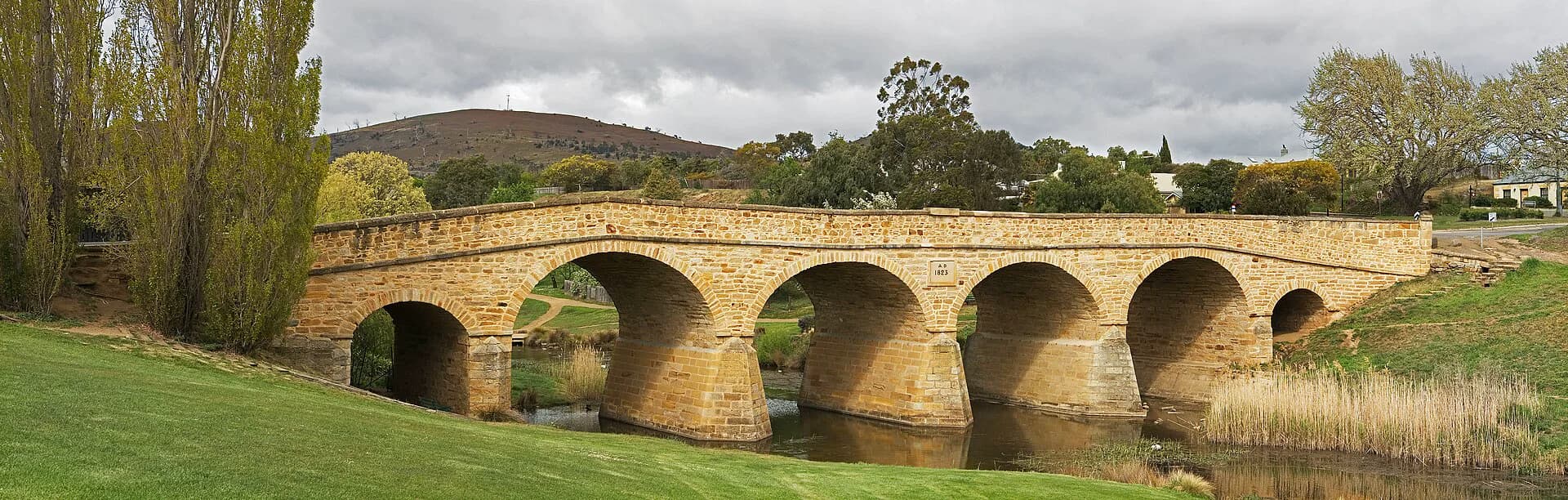
The Old Flour Mill, built in the 1880s beside the railway, recorded the district’s grain economy. The Coal River Valley now also supports significant wine production. Visitors should use cellar-door information from each business and avoid assuming that every vineyard is open without an appointment.

A practical pause between regions
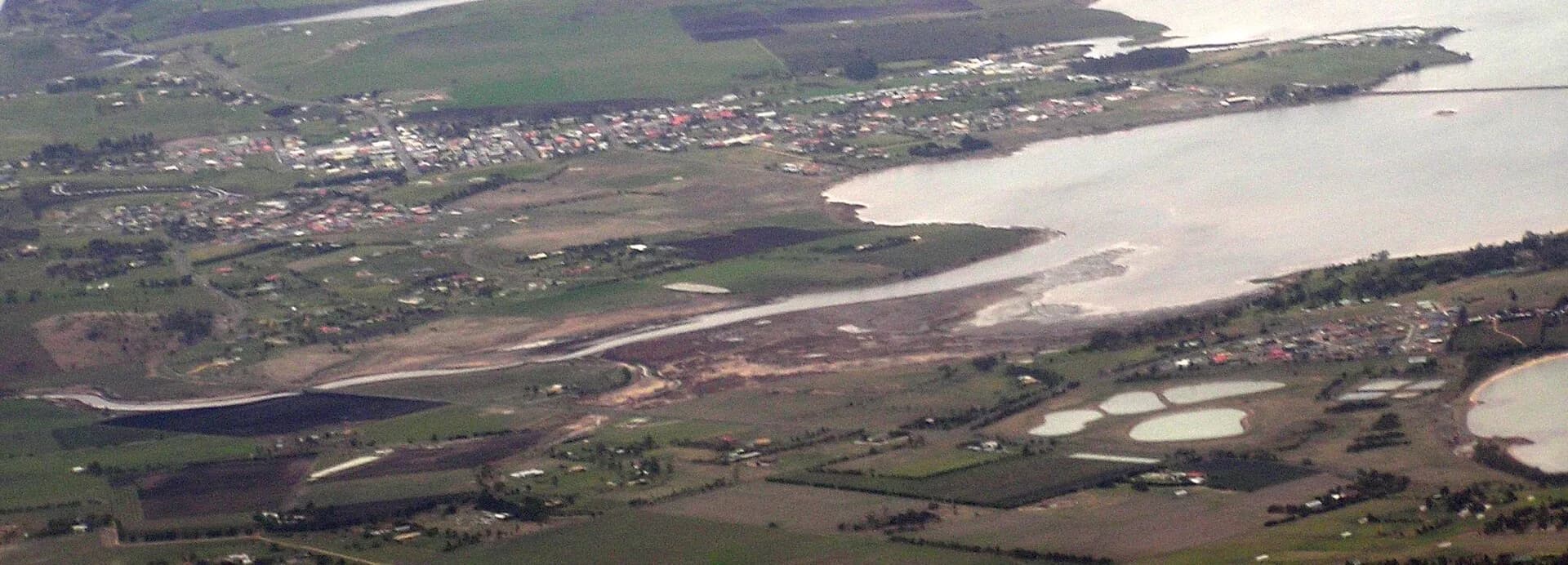
Flour Mill Park provides an easy place to stop in town. Supplies are more limited than in Sorell or greater Hobart, and the surrounding roads carry farm machinery as well as visitor traffic.
Campania combines naturally with Richmond and Sorell. The Tasmanian Main Line page explains how rail reshaped inland settlements across the state.