.jpg)
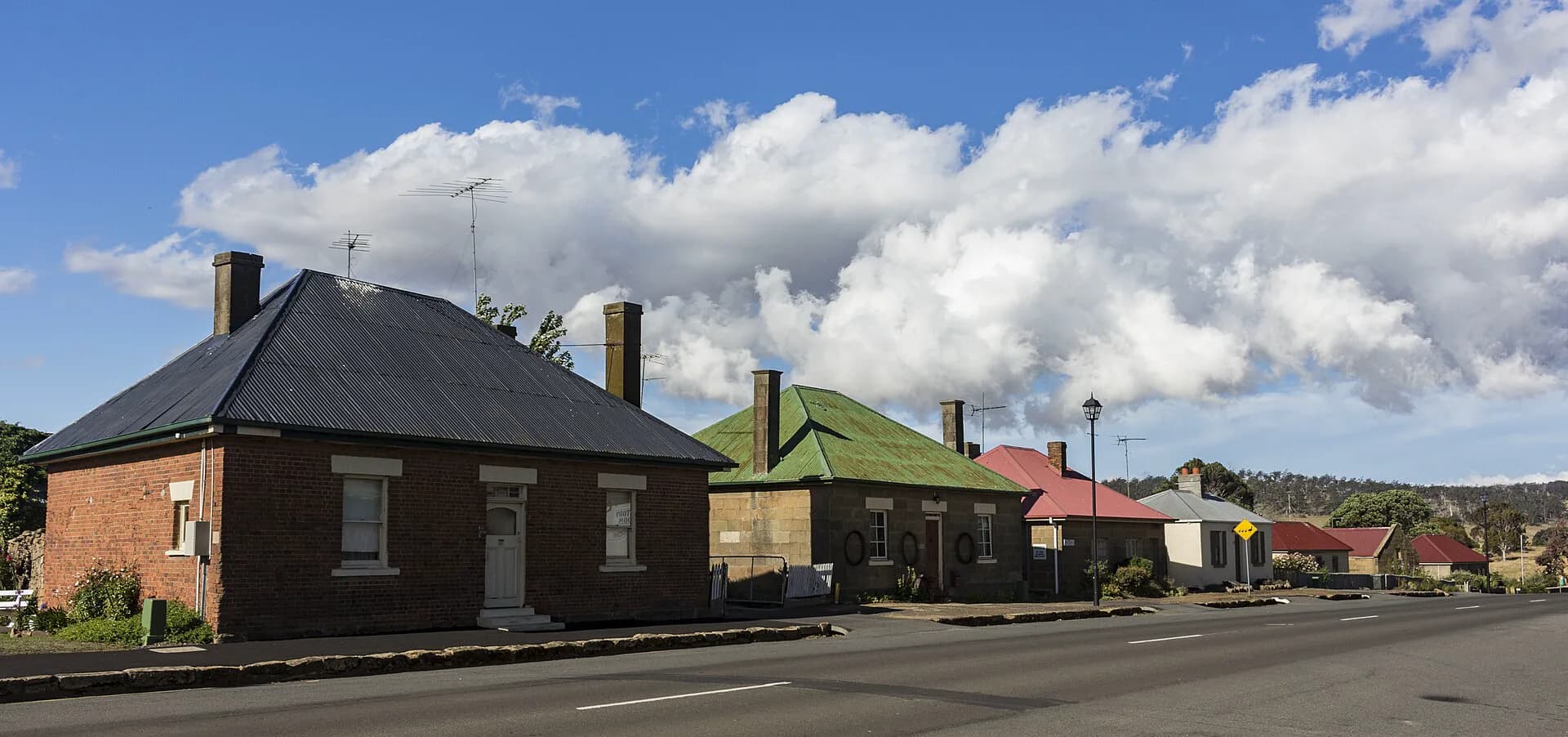
Oatlands rewards a stop long enough to leave the highway. Its main street and adjoining blocks contain a concentrated record of the military, judicial, commercial and farming systems that shaped the colonial Southern Midlands.
Begin on High Street
Walk rather than drive between individual buildings. Sandstone cottages, former inns, churches, shops and public buildings sit within a working town, and their current uses vary. The Southern Midlands Council visitor material identifies dozens of early sandstone buildings in and around the main street.
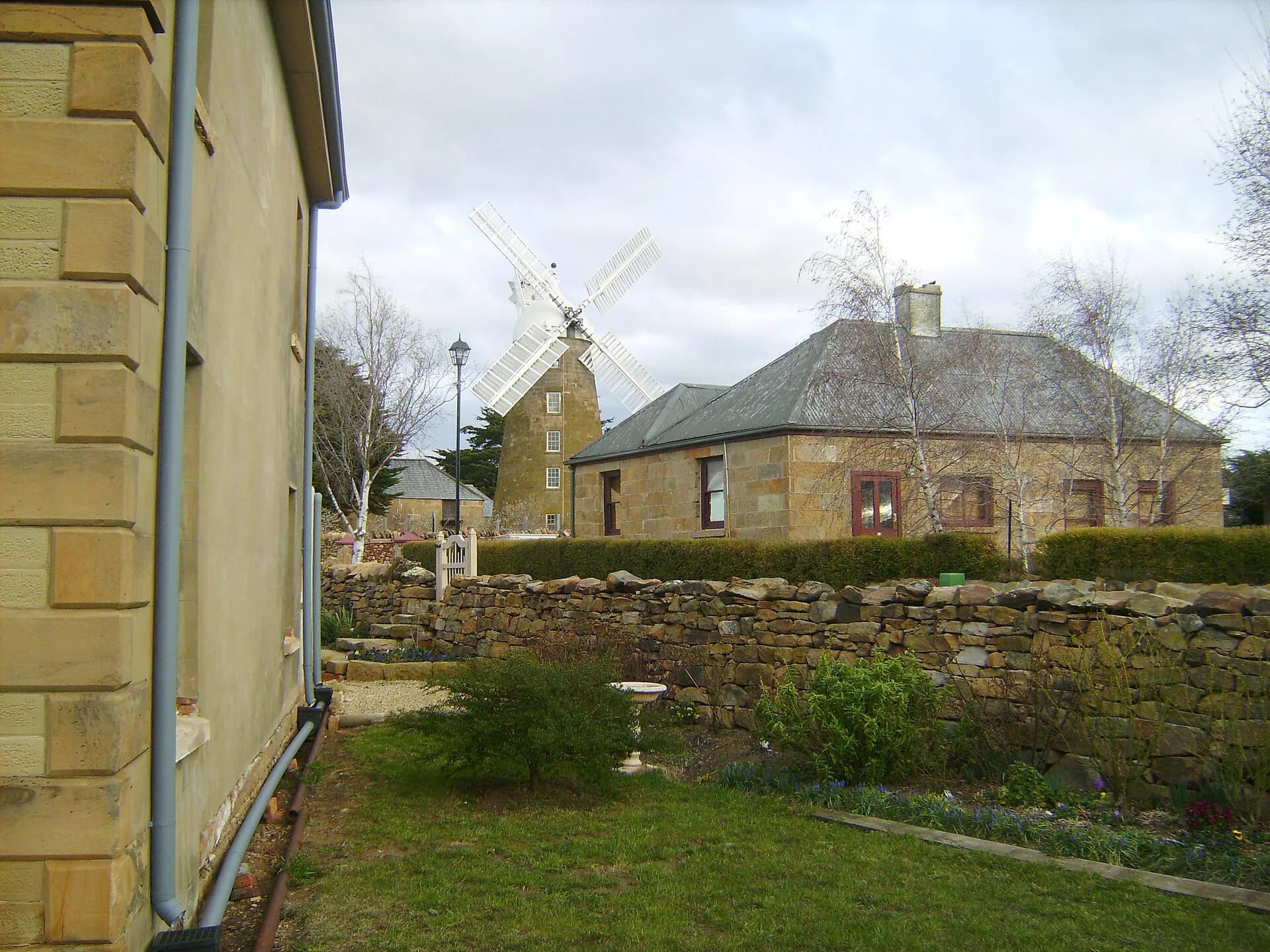
Callington Mill is the town’s clearest landmark. The 1837 windmill and surrounding complex explain grain processing as well as architecture. Access and operations can change, so check locally before planning a visit around an interior tour.

Court, gaol and military precinct
The former Supreme Court House, Gaoler’s Residence and Commissariat survive in separate parts of town. Council’s Oatlands Key program provides controlled access to selected buildings through participating collection points. Confirm the current collection hours and deposit arrangements on the day.
Lake Dulverton
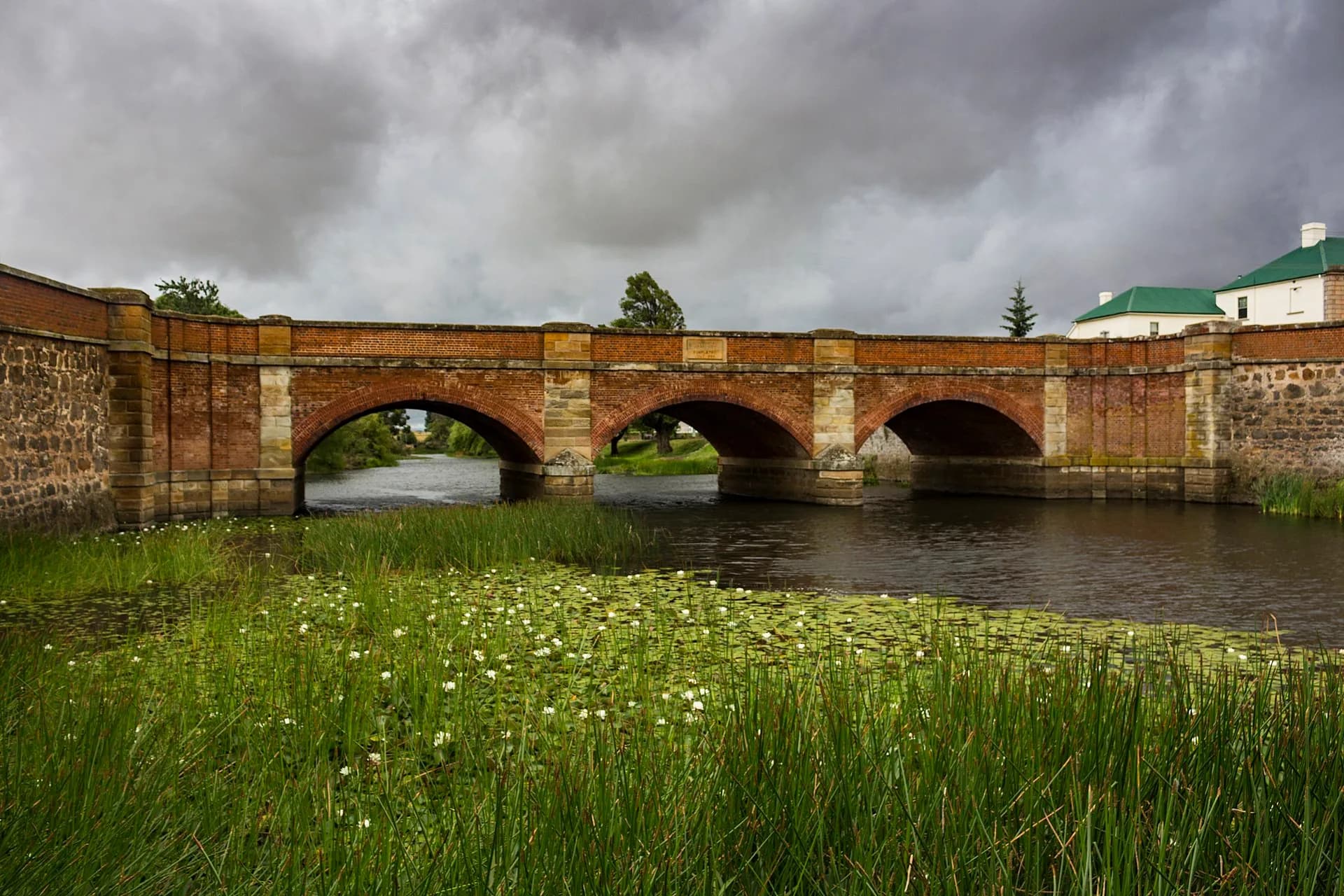
The shallow lake and foreshore make a useful walking break from High Street. Water extent varies with conditions and management. Stay on public tracks and do not assume the shore will look like an old photograph.
.jpg)
Plan the stop
Allow two hours for the main street and lake, or half a day if heritage buildings are open. Public toilets and everyday services make Oatlands a practical break between Hobart and Launceston. The town also anchors the Southern Midlands guide and the broader Heritage Highway.