.jpg)
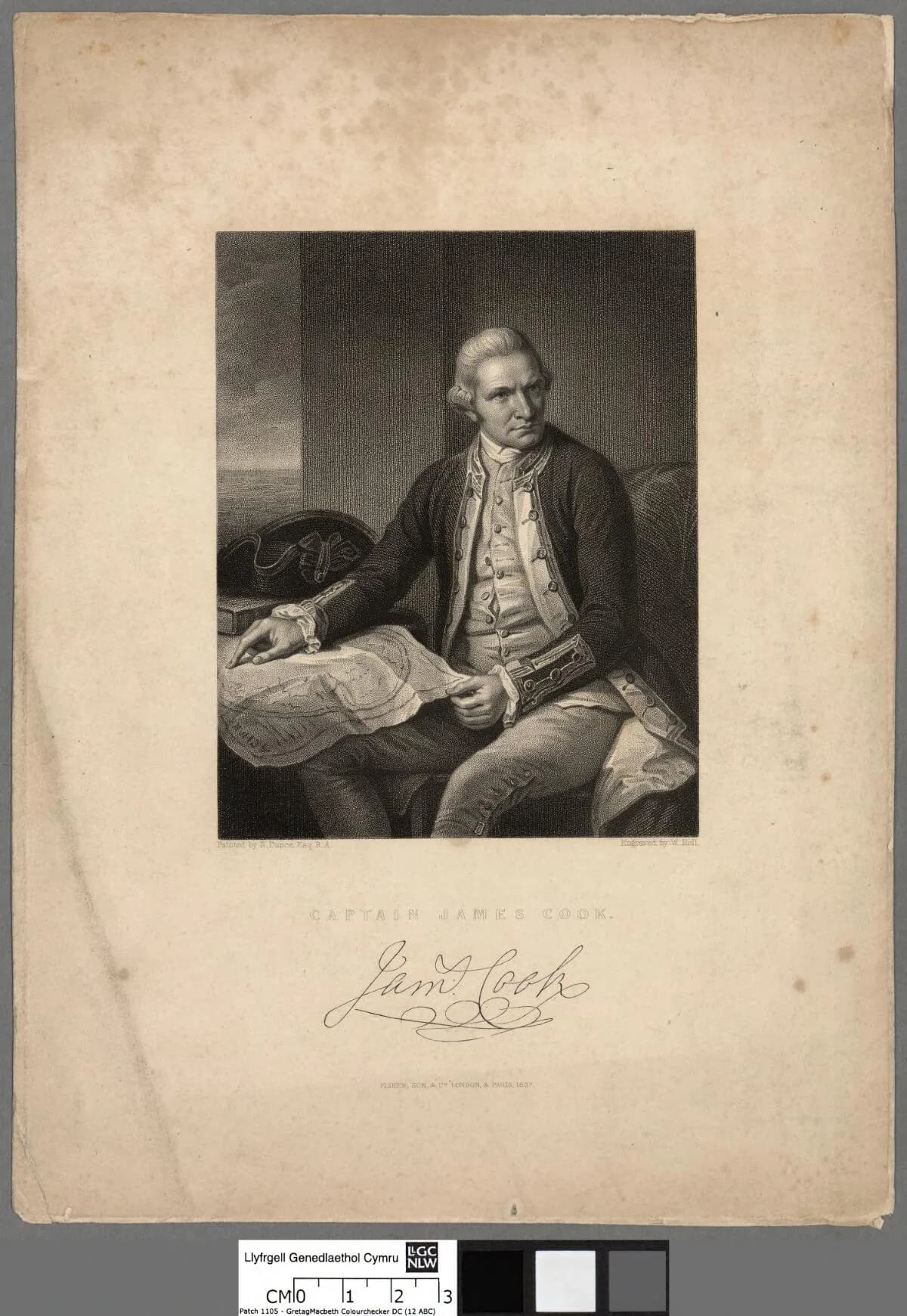
James Cook did not “discover” Tasmania. Aboriginal people had lived on lutruwita for tens of thousands of years, and European navigators had already charted parts of the coast. Cook’s Tasmanian connection is a short visit to Adventure Bay in January 1777 during his third Pacific voyage.
A brief provisioning stop
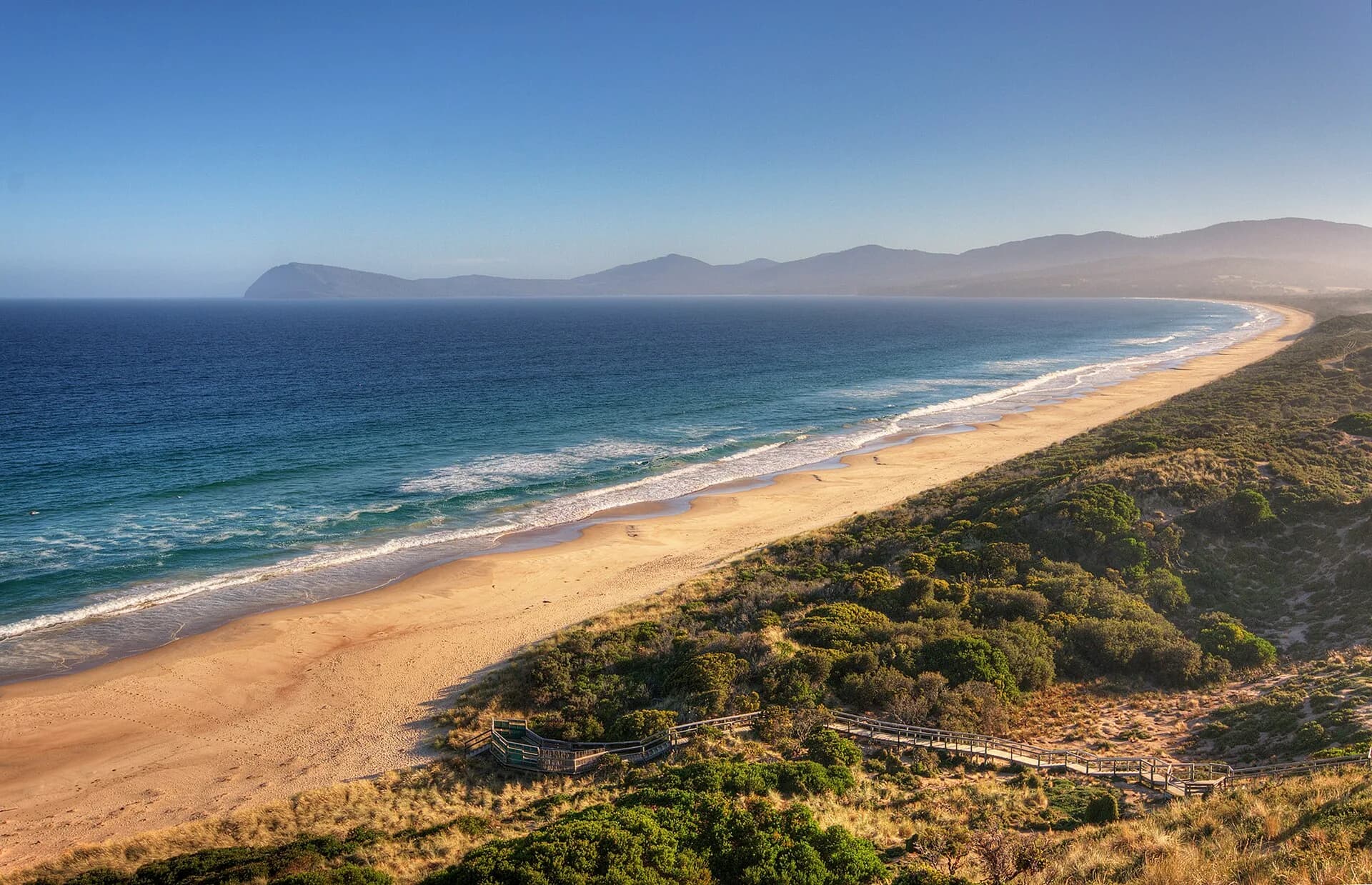
Resolution and Discovery anchored at Adventure Bay to obtain wood and water. Voyage journals record encounters with Aboriginal people and the distribution of medals and other objects. Those records reflect shipboard observers and imperial assumptions, not a complete Aboriginal account.

Objects outlasted the visit
A Cook voyage medal found on Bruny Island in 1914 links material evidence with the written journal. Its survival does not explain how Aboriginal people understood, used or exchanged it.

Why the visit matters
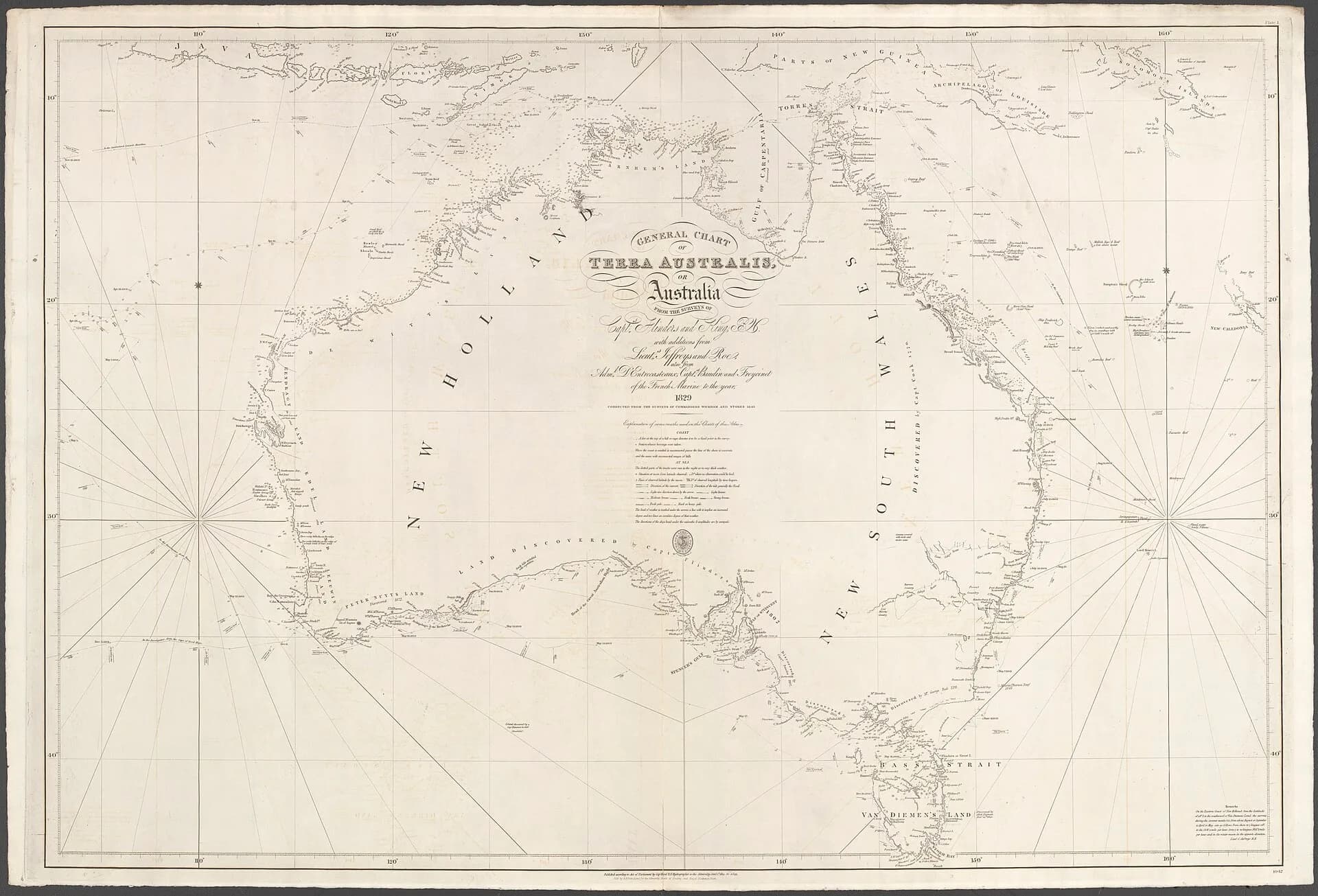
Cook’s charts and reputation supported later British claims and Pacific expansion. Tasmania was a small part of that wider project, not the central achievement implied by older commemorations.


Compare the visit with d’Entrecasteaux’s southern survey and Abel Tasman’s voyage.