.jpg)
Tasmania rewards a slower itinerary than its map suggests. Winding roads, mountain weather, ferries and wildlife all add time, while the most useful stops are rarely beside a motorway.
Start with the number of full days
Three to five days suits one city and one nearby region. Seven days can connect two or three regions if the route is restrained. Ten to fourteen days gives room for the east or west coast, national parks and weather changes without spending every day in transit.

Count arrival and departure days separately when flights or the Bass Strait ferry consume much of the day. Book fixed experiences first, then leave space around them.
Decide how you will get around
A car gives the greatest regional flexibility, but it is possible to build a city-based trip with intercity coaches, local buses and organised transfers. Tasmania has no regular passenger rail network. Confirm regional timetables before booking accommodation because services can be infrequent.
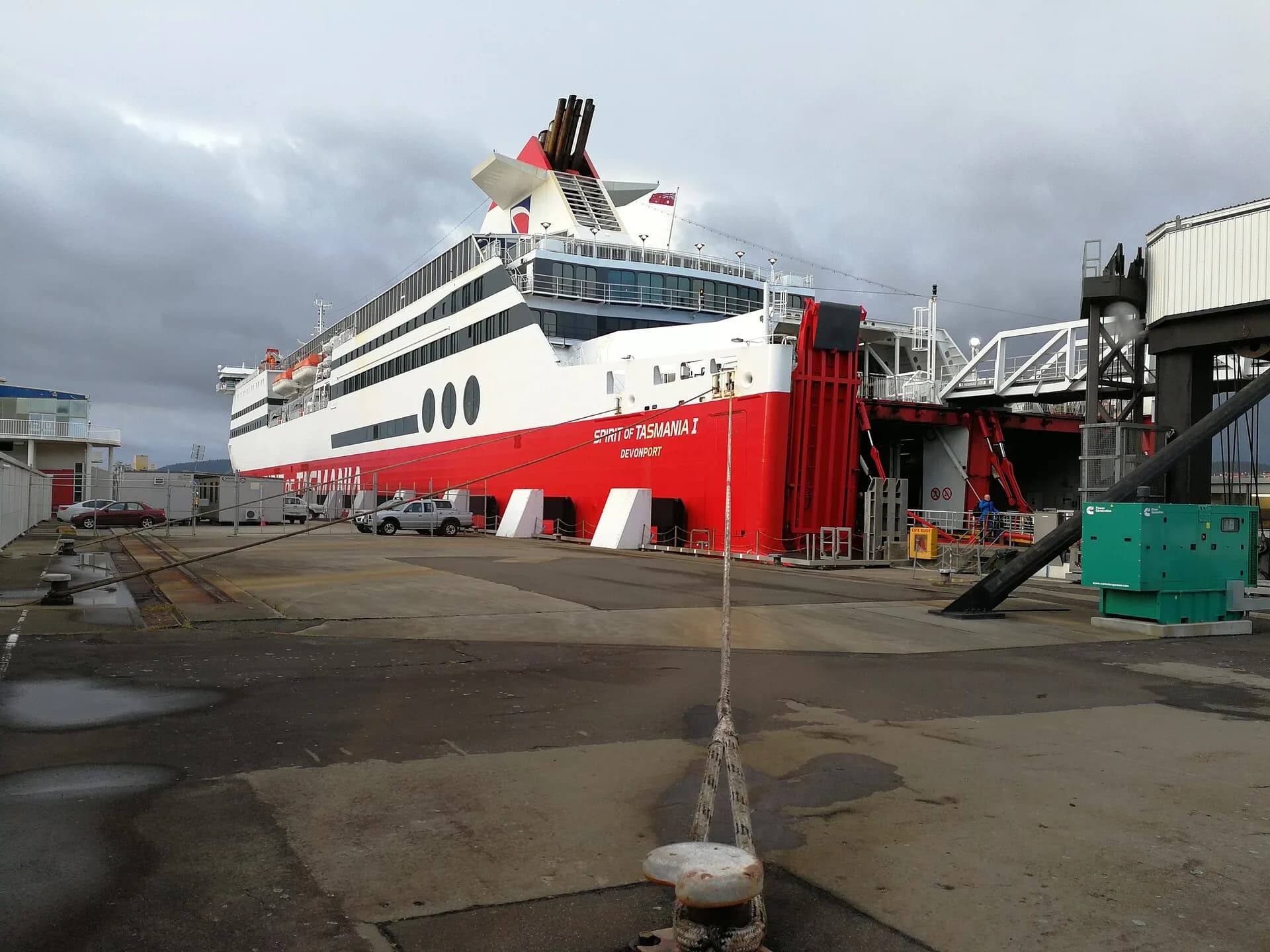

Spirit of Tasmania carries passengers and vehicles between Geelong and Devonport. Vehicle-hire contracts may restrict ferry travel or unsealed roads, so check the agreement rather than assuming both are allowed.
Treat road estimates as a minimum
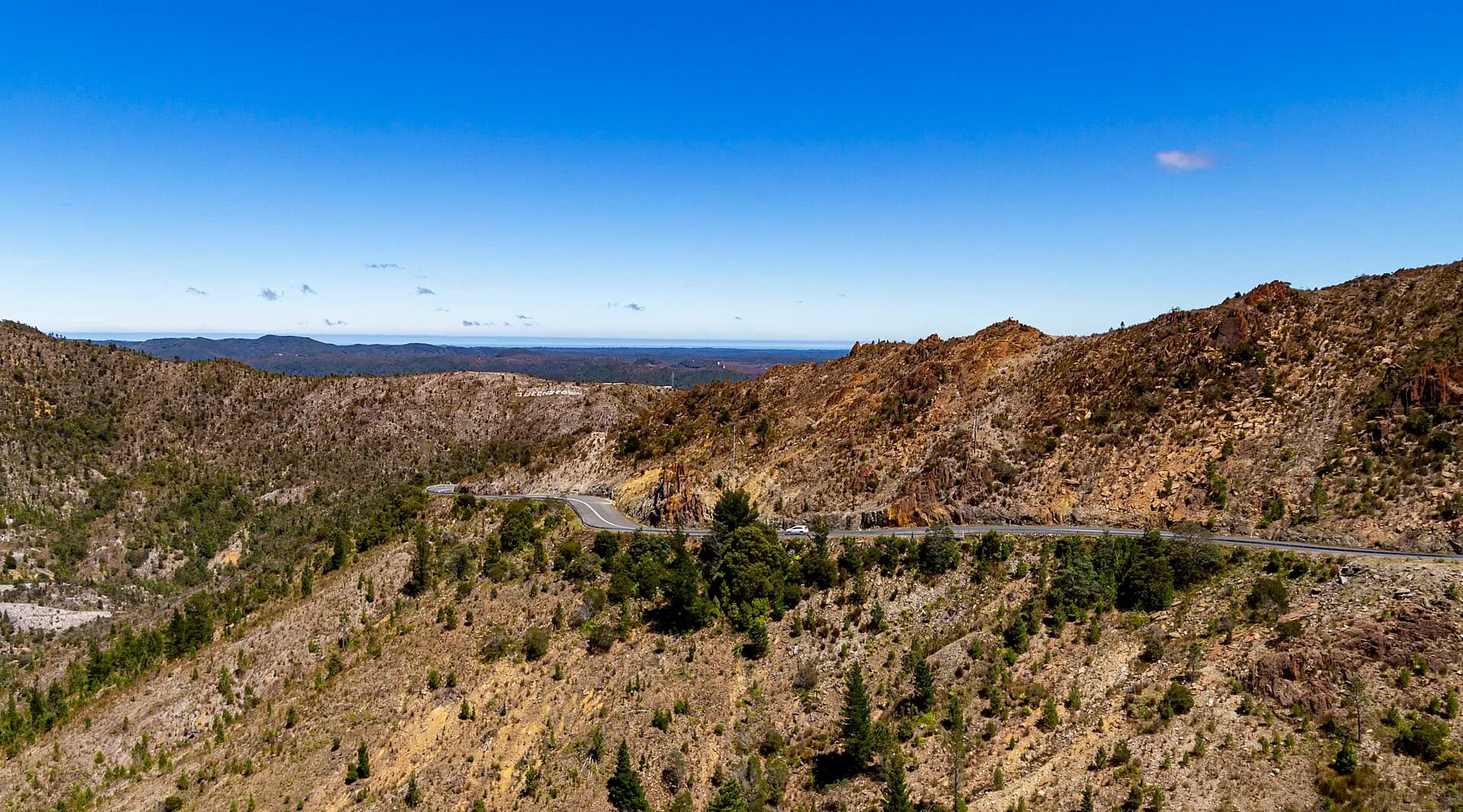
Highland and west-coast routes can be steep, icy, foggy or snow-covered. Rural fuel stations may close early. Keep the tank comfortably above empty, avoid driving at dusk and at night where possible, and check TasALERT, state roadworks and Parks Tasmania alerts.


Book the scarce parts early
Book flights or ferry passage, peak-season accommodation, rental vehicles, multi-day walks and time-specific attractions before filling the rest of the itinerary. A national parks pass may be needed for park visits.
Use the Tasmania circuit guide for a realistic island route, or start with Hobart, Launceston and the North West as regional bases.